



News
Cost-effective feed mixers are widely adopted across modern livestock systems for improving ration consistency, reducing feed waste, and enhancing farm profitability.
Efficient livestock feeding systems rely on precise blending of silage, hay, grains, and supplements to maintain optimal animal health and production output.
Affordable agricultural machinery options allow small and medium farms to upgrade feeding operations without excessive capital burden.
Cost-effective feed mixers support labor reduction, faster processing cycles, and improved feed conversion efficiency across dairy and beef operations.
Total mixed ration equipment adoption continues expanding due to improved productivity outcomes and long-term operational stability in commercial farming systems.
Get professional poultry farm construction guidance, equipment selection solutions, and the latest price lists, whatsApp to +8618830120193, click to learn more:
What Is A Feed Mixer?
A feed mixer is agricultural equipment designed to combine multiple feed ingredients into a uniform ration for livestock consumption.
Uniform mixing prevents selective feeding behavior and ensures consistent nutrient intake across the entire herd.
Modern systems typically include cutting, blending, and discharge mechanisms integrated into a single operational unit.
Data is for reference only.Swipe horizontally to view full table.
Why Cost Efficiency Matters In Farm Feeding Systems
Feed cost remains one of the highest operational expenses in livestock farming, making efficiency a critical priority.
Investing in equipment that reduces feed loss can significantly improve long-term profitability.
Balanced machinery selection helps farmers achieve stable production while controlling labor and maintenance costs.
Data is for reference only.Swipe horizontally to view full table.
Types Of Feed Mixing Equipment
Different farm scales require different mixer configurations depending on ration volume and ingredient type.
Vertical and horizontal systems remain the most widely used across dairy and beef production environments.
Selection depends on forage structure, farm size, and feeding frequency requirements.
Data is for reference only.Swipe horizontally to view full table.
Key Features Of Cost Effective Feed Mixers
Affordable feed mixing systems focus on essential performance efficiency rather than complex automation features.
Durability and mechanical simplicity remain key factors in long-term operational success.
Energy consumption and maintenance frequency directly influence total ownership cost.
Data is for reference only.Swipe horizontally to view full table.
Scientific Principles Behind Feed Mixing
Feed mixing technology is based on nutritional science and particle distribution uniformity principles.
Proper blending ensures each animal receives balanced nutrient intake in every feeding cycle.
Inconsistent mixing can lead to digestive issues and reduced productivity in livestock populations.
Data is for reference only.Swipe horizontally to view full table.
Cost Structure Of Feed Mixing Machines
Manufacturing costs are distributed across materials, mechanical systems, and assembly processes.
Simplified designs typically reduce production cost while maintaining core operational performance.
Market pricing varies depending on capacity, automation level, and structural durability requirements.
Data is for reference only.Swipe horizontally to view full table.
European union standard reference only.
Limitations Of Budget Feed Mixing Systems
Lower-cost systems may offer reduced capacity compared to industrial-grade machinery.
Advanced automation and sensor integration are often limited in entry-level models.
Heavy-duty continuous operation may accelerate wear in simplified mechanical structures.
Data is for reference only.Swipe horizontally to view full table.
Maintenance And Operational Care
Routine maintenance ensures stable performance and extended machine lifespan.
Operational reliability is not maintained through occasional servicing, but through structured preventive intervention cycles.
Lubrication interval: ~250 operating hours
→ reduces transmission wear by 18–22% in continuous feeding environments
Residual feed threshold: above 3.5 kg per cycle
→ increases discharge imbalance probability and affects mixing uniformity
Cleaning after each use prevents material buildup and mechanical blockage.
Inspection routines typically focus on auger alignment, gearbox heat zones, and discharge channel resistance.
Lubrication and periodic inspection reduce failure risks during peak feeding cycles.
Commercial Adoption Trends In Livestock Farming
Cost-effective feed mixers are increasingly used in small and medium livestock enterprises.
Adoption is no longer linear—it follows regional clustering + herd-scale transition behavior.
80–250 cattle unit farms represent the most active deployment zone
because manual feeding systems become structurally inefficient at this scale
Beef and dairy farms benefit most from improved ration consistency and reduced labor dependency.
Stage 1 → partial mechanization (single daily feeding cycle)
Stage 2 → mixed system (manual + mechanical hybrid workflow)
Stage 3 → full mechanized ration control (2–3 cycles / 60–90 days)
Adoption rates continue rising due to improved return on investment metrics.
Economic Evaluation And Farm Decision Factors
Farmers evaluate purchase decisions based on herd size, feed volume, and operational budget.
Economic reasoning in modern livestock systems is increasingly treated as multi-variable performance optimization, not simple cost comparison.
Key evaluation variables
Feed cost volatility exposure
Labor substitution ratio
Equipment uptime reliability coefficient
Break-even window: 14–26 months
Return on investment depends heavily on feed savings and labor efficiency improvements.
Manual system → dominated by feed spillage + uneven ration distribution
Mechanized system → dominated by equipment amortization cost only
Scalability remains an important consideration for long-term farm expansion planning.
Frequently Asked Questions
Q1: What farm size is suitable for cost-effective feed mixers?
Farms with 50–300 livestock units typically gain the strongest operational efficiency improvement due to balanced batch processing and labor reduction.
Q2: How does feed mixing affect animal performance?
Improved mixing consistency stabilizes rumen function and can increase production output by 6–11% depending on feed formulation stability.
Q3: What is the average service life of a feed mixer?
Typical operational lifespan ranges from 8 to 15 years depending on usage intensity and maintenance discipline.
Taiyu (HK) Group - One Of China Most Famous Feed Mixer Manufacturer
Cost-effective feed mixer systems are deployed in dairy farms, beef cattle operations, and integrated livestock feeding centers requiring stable ration processing performance.
Global factory direct supply structure enables controlled production cost and standardized equipment quality across multiple international markets.
Poultry equipment integration lines support diversified farm system development and multi-species feeding applications under unified mechanical platforms.
Turn-key engineering solutions include design, manufacturing, installation, and operational training for complete feed processing project execution.
Industrial production capacity ensures scalable delivery for commercial farming enterprises requiring continuous feeding system deployment and technical support.
Contact Us To Received Your Customized Poultry Farm Plan
Headquarters And Branchs
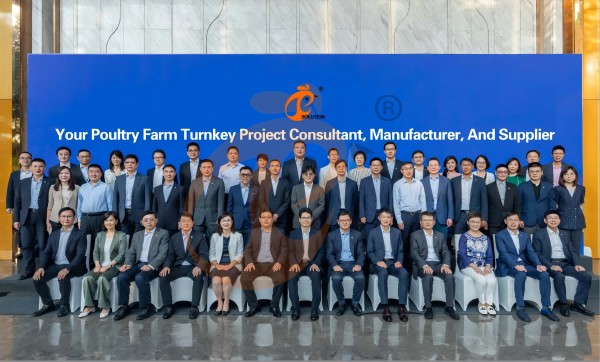
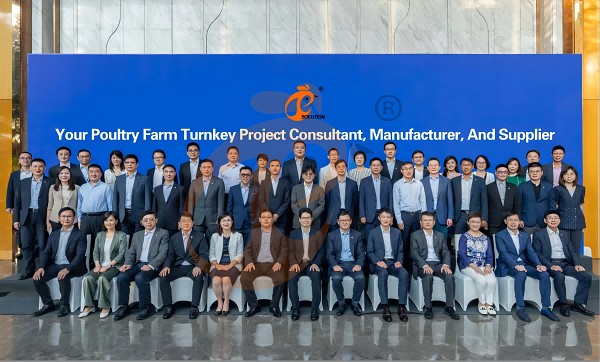
Hong Kong Headquarter Management Team
Hong Kong Headquarter Taiyu Industrial Group CO., LTD
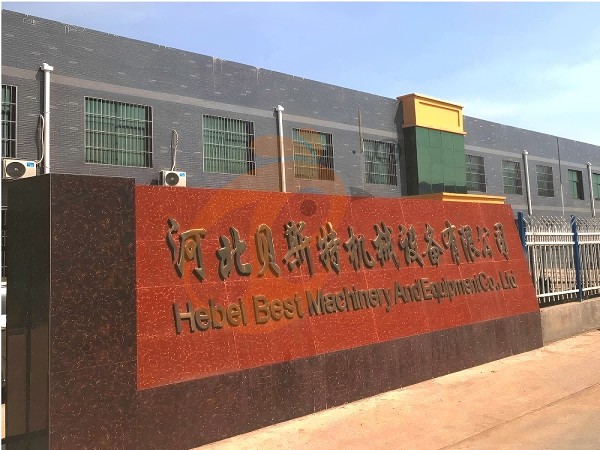
China Hebei Best Machinery And Equipment CO., LTD
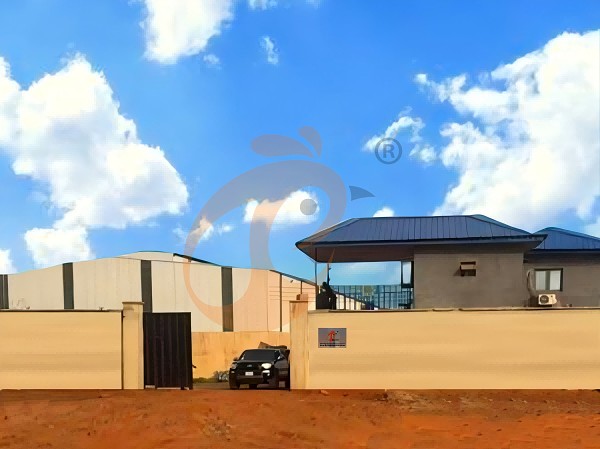
Nigeria Vanke Machinery And Equipment CO., LTD
Tanzania Best Machinery And Equipment CO., LTD
Ethiopia Best Hebei Machinery Manufacturing PLC
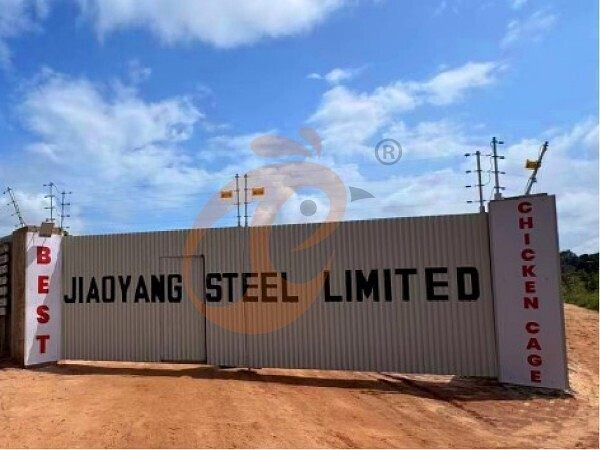
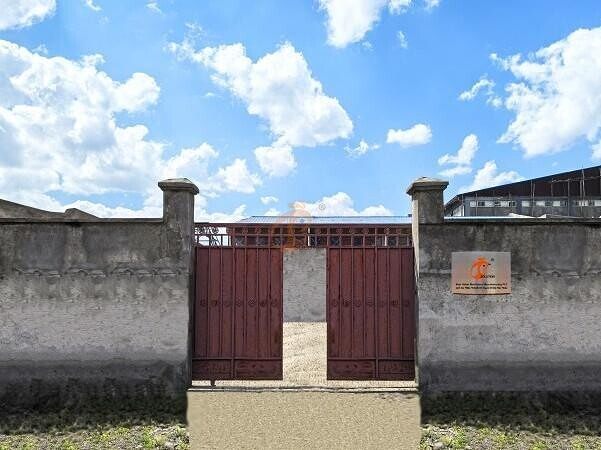
Reception /24 WhatsApp NO. : +8618830120193
FAQ
What Moisture Control Standards Are Required In Feed Milling For Poultry Chicken Feed?
Conditioning moisture increases to 16–18% before pelleting for optimal starch gelatinization.
Final feed moisture is controlled at 11–13% to ensure long-term storage stability.
What Energy Consumption Levels Are Standard In Feed Mixer And Feed Mill Operations For Poultry Chicken Farms?
Mixing systems require 3–8 kWh per batch depending on mixer volume and load ratio.
Pelletizing units operate at 60–90 kWh per ton for high-density poultry feed production.
What Raw Material Ratios Are Commonly Processed In Poultry Chicken Feed Mills?
Soybean meal accounts for 18–25% as main protein contributor for growth performance.
Premix addition remains at 2–5% ensuring vitamins and mineral balance stability.
Product Recommendations
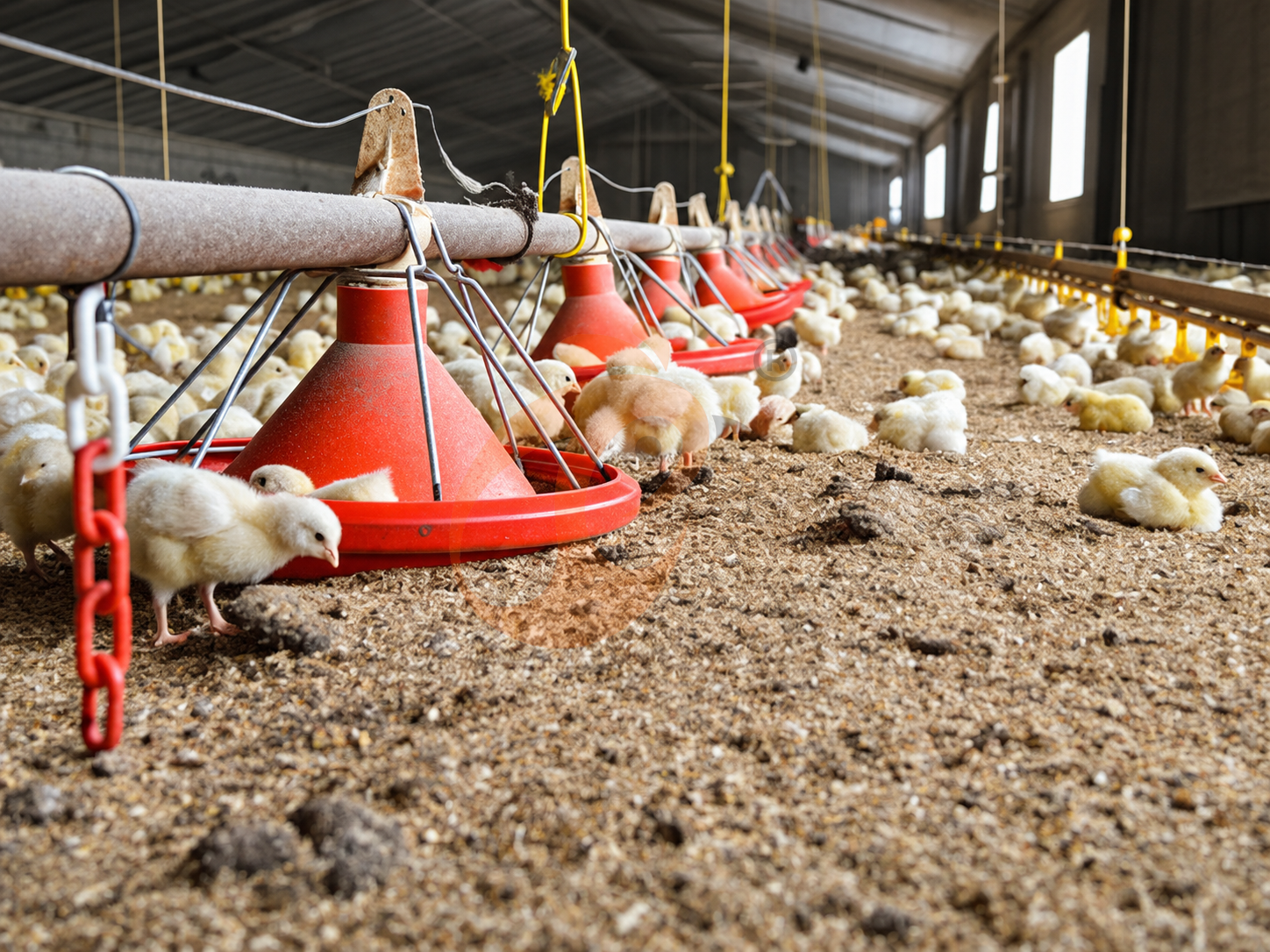
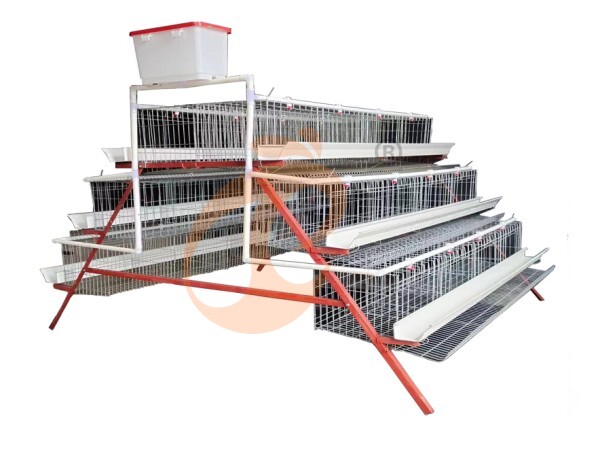
 Unmatched Advantages Of Chicken Cage Systems In Southeast Asia | TaiyuExplore the advantage of chicken cage systems in Vietnam, Indonesia, Thailand, the Philippines, Malaysia, Myanmar, Cambodia, Laos, Singapore and Brunei.
Reception /WhatsApp NO. : +8618830120193.Read more Ultimate Advantages Of Chicken Battery Cage Technology In Africa | Taiyu5.Explore the advantage of chicken battery cage systems in Nigeria, Kenya, Ghana, Uganda, Tanzania, Zambia, Zimbabwe, South Africa, Egypt and Morocco.
Reception /WhatsApp NO. : +8618830120193.Read more Essential Advantage Of Chicken Battery Cage Farming In Latin America | TaiyuScale your farm in Latin America smoothly. Taiyu Group (HK) shows the advantage of chicken battery cage engineering for 1K-100K+ birds. Get a quote!
Reception /WhatsApp NO. : +8618830120193.Read more Unmatched Advantage Of Chicken Battery Cage Systems In Emerging MarketsAdvantage of battery cage systems helps farms in Africa, Southeast Asia, and Latin America overcome climate and disease challenges for 1K-100K+ birds. Inquire now!
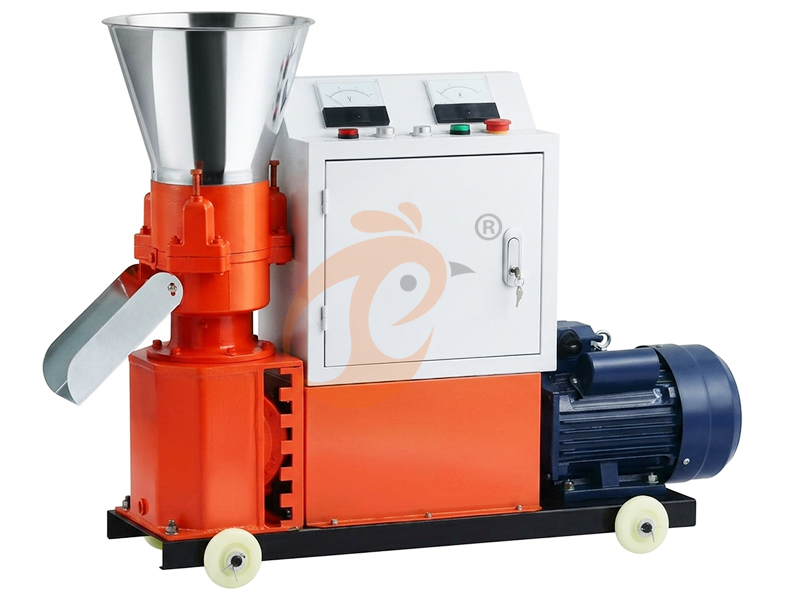
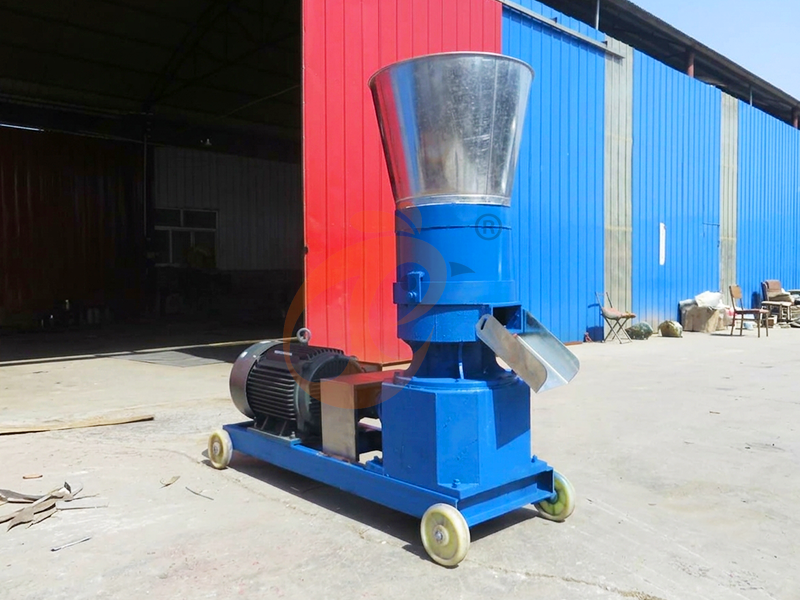
Reception /WhatsApp NO. : +8618830120193.Read more Pellet Machine For Different Feeds | 5 Versatile Applications1. Feed pellet machines support versatile production across 5 feed categories
2. Appropriate die selection helps achieve specified pellet dimensions
3. Integrated preparation equipment improves material handling consistency
4. Cooling and screening support finished pellet quality control
5. Reception /WhatsApp NO. : +8618830120193Read more Floor Rearing System For Layers Price | 6 Key Cost Factors1. Floor rearing equipment coordinates feeding, drinking, nesting, ventilation, and egg collection
2. Automatic systems support consistent workflows across commercial poultry production environments
3. Engineered layouts improve access for inspection, cleaning, and routine maintenance
4. Technical specifications guide equipment selection and project integration
5. Reception /WhatsApp NO. : +8618830120193Read more Commercial Poultry Equipment ROI | 5 Proven Methods To Improve Profit1. Commercial poultry equipment supports more consistent feeding and drinking operations across modern farms
2. Automatic poultry feeding systems help manage feed delivery through coordinated conveying and distribution
3. Poultry ventilation fans support controlled airflow across changing seasonal conditions
4. Integrated equipment planning connects 3 essential systems for practical farm management
5. Reception /WhatsApp NO. : +8618830120193Read more How To Upgrade Traditional Egg Farms With Battery Cage For Layers Systems | 5 Steps1. Automatic feeding systems support consistent feed distribution across poultry houses.
2. Egg collection conveyors help transfer eggs toward centralized collection points.
3. Manure removal systems support routine poultry house waste management.
4. H-type layer cages provide structured layouts for commercial egg production.
5. Reception /WhatsApp NO. : +8618830120193Read more How To Upgrade Traditional Farms With Broiler Chicken Cage Systems | 5 Steps1. Modernize traditional farms with coordinated cage equipment
2. Improve daily operations through reliable automatic feeding
3. Maintain consistent water access with nipple drinking systems
4. Support environmental control with appropriately sized ventilation
5. Reception /WhatsApp NO. : +8618830120193Read more How To Choose Pellet Machine Die Type | 6 Practical Tips1. Die-hole diameter determines nominal pellet size and influences material flow
2. Compression ratio depends on effective hole length and diameter
3. Roller alignment and feed conditioning influence production stability
4. Routine inspection helps identify blockage, wear, and declining output
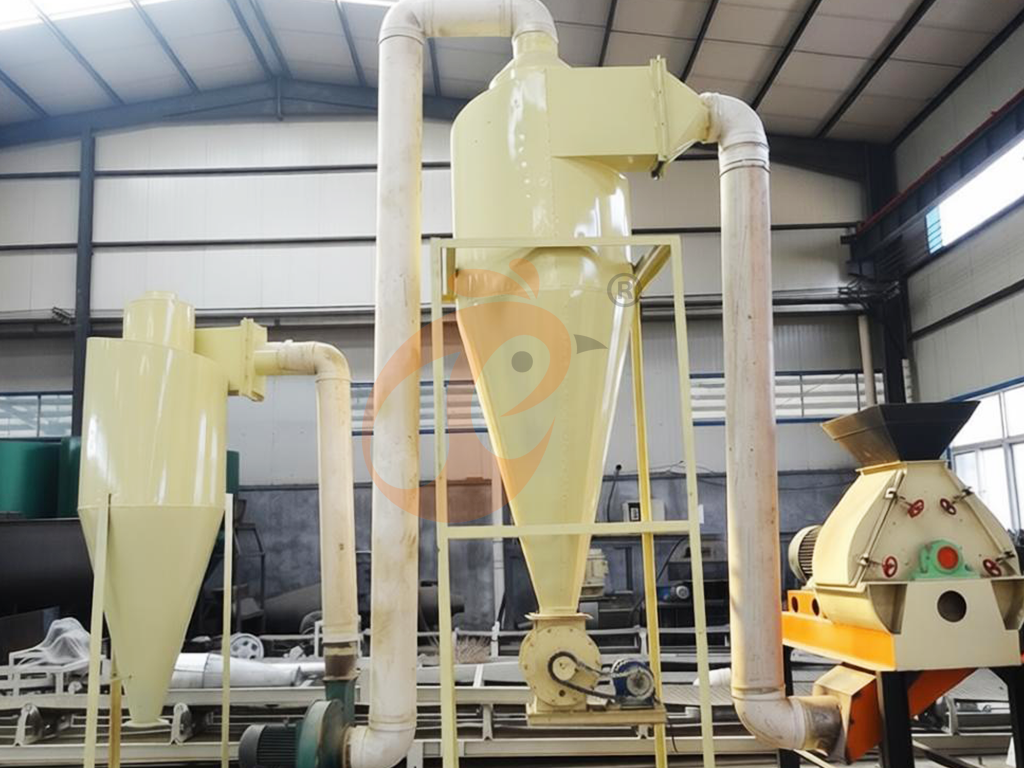
5. Reception /WhatsApp NO. : +8618830120193Read more Feed Mill Grinder Vs Pelleting | Which Improves Feed Quality?1. Grinding establishes ingredient particle distribution before mixing
2. Mixing distributes formulated nutrients across each batch
3. Conditioning prepares feed materials for pellet formation
4. Cooling stabilizes pellets before storage and packaging
5. Reception /WhatsApp NO. : +8618830120193Read more How To Customize H Type Chicken Battery Cages For Your Poultry Farm?1. H type cages integrate feeding, drinking, and manure removal
2. Cage dimensions determine cell layout and bird capacity
3. Ventilation requirements depend on stocking density and climate
4. Automated egg collection connects belts with conveying equipment
5. Reception /WhatsApp NO. : +8618830120193Read more A Type Battery Cage With Manure Belt Or Scraper: 5 Practical Selection Tips1. A Type battery cages support organized commercial layer housing systems
2. Manure belts transport waste toward designated collection points efficiently
3. Scrapers remove accumulated manure through compatible collection channels
4. Regular inspections help maintain equipment performance and operational reliability
5. Reception /WhatsApp NO. : +8618830120193Read more Deep Litter Layer Farming Cost | 5 Budget Factors1. House dimensions influence feeder placement and ventilation design
2. Feed distribution depends on line capacity and bird access
3. Drinking water pressure requires regular operational checks
4. Ventilation performance depends on airflow and static pressure
5. Reception /WhatsApp NO. : +8618830120193Read more Free Range Layer Farming Cost | 5 Key Budget Factors1. Free range layer systems require coordinated feeding and drinking equipment
2. Ventilation capacity depends on climate and building dimensions
3. Egg conveyors must match expected production throughput
4. Equipment specifications require manufacturer verification before installation
5. Reception /WhatsApp NO. : +8618830120193Read more Floor Rearing Layer Farming | 5 Essential Egg Production Tips1. Floor rearing systems combine bird movement with organized housing layouts
2. Automatic feeding equipment distributes feed along designated lines
3. Drinking systems provide monitored access to clean water
4. Egg conveyors transfer collected eggs toward inspection stations
5. Reception /WhatsApp NO. : +8618830120193Read more How To Choose Affordable Poultry Equipment | 6 Practical Tips1. Farm dimensions determine suitable equipment layout and capacity
2. Flock size influences feeding and drinking system requirements
3. Ventilation calculations account for airflow and temperature conditions
4. Regular maintenance helps preserve equipment performance and reliability
5. Reception /WhatsApp NO. : +8618830120193Read more Battery Cage For Layers Supplier | 6 Practical Evaluation Criteria1. Battery cage layouts support coordinated poultry equipment planning across commercial farm buildings
2. Cage dimensions and tier configurations require verification against approved engineering drawings
3. Feeding and drinking systems require compatible connections and operating specifications
4. Conveyor selection depends on equipment loads and installation geometry
5. Reception /WhatsApp NO. : +8618830120193Read more Broiler Chicken Cage Supplier | 6 Practical Evaluation Criteria1. Cage dimensions determine equipment arrangement and usable housing capacity
2. Frame materials and surface treatments influence corrosion resistance and maintenance requirements
3. Feeding systems distribute feed throughout designated cage sections
4. Drinking lines require suitable pressure regulation and routine inspection
5. Reception /WhatsApp NO. : +8618830120193Read more 5 Essential Tips For Pellet Machine Operator Safety1. Inspect guards and electrical connections before operating pellet machinery
2. Follow approved isolation procedures before cleaning or maintenance
3. Match feed formulation with the selected pellet machine specifications
4. Monitor equipment condition and document abnormal operating findings
5. Reception /WhatsApp NO. : +8618830120193Read more Metal Vs Plastic Augers In Feed Mills | Which Is More Durable?1. Metal auger performance depends on the selected alloy and operating load
2. Plastic auger suitability depends on polymer grade and temperature limits
3. Conveyor capacity varies with feed properties and installation layout
4. Automatic feeding systems require compatible drives and components
5. Reception /WhatsApp NO. : +8618830120193Read more 5 Critical Factors When Buying H Type Chicken Cages For Export1. H Type Chicken Cage dimensions must match approved installation drawings
2. Automatic feeding equipment requires compatible drives and electrical connections
3. Manure conveyor alignment depends on cage layout and discharge position
4. Egg collection capacity requires confirmation against planned production throughput
5. Reception /WhatsApp NO. : +8618830120193Read more Manual Vs Automatic A Type Poultry Cage System: Which Saves More Labor Cost?1. A-type poultry cage systems combine galvanized steel structures with coordinated feeding and watering equipment
2. Automatic egg collection belts reduce manual handling across multiple cage rows
3. Manure removal belts support scheduled waste conveyance and cleaner production areas
4. Ventilation systems regulate airflow according to house conditions and bird requirements
5. Reception /WhatsApp NO. : +8618830120193Read more How To Manage Layers In Deep Litter System | 6 Practical Tips1. Check litter condition during daily poultry house inspections
2. Monitor water consumption and investigate unexpected changes
3. Maintain ventilation equipment according to manufacturer schedules
4. Coordinate egg collection capacity with daily production
5. Reception /WhatsApp NO. : +8618830120193Read more How To Manage Layers In Free Range System | 6 Practical Tips1. Automated feeding systems support controlled feed distribution and inventory monitoring
2. Drinking systems require routine sanitation and hydraulic checks
3. Ventilation equipment needs calibrated sensors and preventive maintenance
4. Egg collection requires careful handling and traceability
5. Reception /WhatsApp NO. : +8618830120193Read more How To Manage Layers In Floor Rearing System | 6 Practical Steps1. Floor rearing systems support organized flock management indoors
2. Proper ventilation helps maintain stable temperature and humidity
3. Automatic feeders distribute feed consistently across bird groups
4. Daily inspections identify equipment issues before performance declines
5. Reception /WhatsApp NO. : +8618830120193Read more Pellet Machine Troubleshooting | 6 Quick Fixes1. Pellet diameter varies with poultry age and formulation requirements
2. Die wear can reduce output and pellet consistency
3. Stable feeding helps maintain uniform production rates during operation
4. Cooling controls moisture and improves finished pellet storage stability
5. Reception /WhatsApp NO. : +8618830120193Read more High-Speed Vs Low-Speed Feed Mixers | Which Mixes Better?1. High-speed paddle mixers improve ingredient circulation through intensive mechanical movement
2. Low-speed ribbon blenders accommodate larger chambers and lower energy consumption
3. Mixing uniformity depends on formulation, batch size, and operating conditions
4. Preventive maintenance supports equipment reliability and consistent production quality
5. Reception /WhatsApp NO. : +8618830120193Read more How To Choose A Reliable H Type Chicken Cage Supplier For Poultry Farms?1. H type chicken cage capacity depends on approved building dimensions and stocking density
2. Automatic feeding and drinking equipment requires compatible layout and capacity calculations
3. Manure removal and egg collection systems require coordinated installation planning
4. Ventilation design must account for flock size, climate, and heat load
5. Reception /WhatsApp NO. : +8618830120193Read more A Type Chicken Cage System For Small Or Large Poultry Farms? 4 Smart Choices1. A type chicken cages support efficient layer housing management
2. Proper ventilation helps maintain healthy poultry house conditions
3. Automated feeding systems improve feed distribution and consistency
4. Regular manure removal helps control ammonia inside poultry sheds
5. Reception /WhatsApp NO. : +8618830120193Read more Deep Litter System For Layers | Egg Production And Cost Analysis1. Floor bedding supports natural scratching and dust bathing behavior
2. Ventilation design helps manage heat, humidity, and airborne contaminants
3. Feeding equipment distributes formulated diets throughout designated feeding areas
4. Nipple drinkers provide controlled access to fresh drinking water
5. Reception /WhatsApp NO. : +8618830120193Read more How To Reduce Operating Costs With Broiler Chicken Cage Systems | 6 Tips1. Multi-tier cage structures organize broiler housing and equipment placement
2. Automatic feeders convey feed from bulk storage to feeding lines
3. Nipple drinking systems distribute water through regulated pipelines
4. Manure belts transfer collected waste toward designated discharge points
5. Reception /WhatsApp NO. : +8618830120193Read more Introduction To Free Range System For Layers Egg Production And Cost Analysis1. Free range layer farming ensures natural egg production
2. Galvanized steel shelters protect birds against harsh weather
3. Pasture access allows hens natural foraging behaviors daily
4. Automated feeders supply precise daily balanced feed portions
5. Reception /WhatsApp NO. : +8618830120193Read more Floor Rearing System For Layers | Cost, Egg Production And Management Tips1. Floor rearing systems require consistent daily flock monitoring
2. Feed and water records reveal changes in consumption
3. Nest management helps reduce floor eggs during production
4. Ventilation settings should match flock age and climate
5. Reception /WhatsApp NO. : +8618830120193Read more How To Plan Poultry Farm Equipment Budget | 6 Key Factors1. Farm capacity determines equipment quantities and configuration
2. Technical specifications support accurate supplier quotation comparisons
3. Installation costs should be included before project approval
4. Maintenance planning helps control long-term operating expenditure
5. Reception /WhatsApp NO. : +8618830120193Read more How To Reduce Operating Costs With Battery Cage For Layers Systems | 6 Tips1. Structural Assembly: Galvanized steel cage frames support integrated poultry housing and equipment installation
2. Feed Distribution: Automatic conveyors transport feed from storage silos to cage-row troughs
3. Water Delivery: Nipple drinkers, pressure regulators, and filters provide controlled water distribution
4. Egg Transportation: Longitudinal and cross conveyors move eggs toward centralized collection facilities
5. Reception /WhatsApp NO. : +8618830120193Read more How To Increase Pellet Machine Output | 5 Proven Methods1. Pellet diameter affects compression requirements and finished-feed handling.
2. Conditioning supports moisture distribution before compression and improves process consistency.
3. Cooling stabilizes finished pellets before screening and packing.
4. Screening separates fines and protects packing-line consistency.
5. Reception /WhatsApp NO. : +8618830120193Read more Continuous Vs Batch Feed Mills | Which Fits Chicken Farms?1. Feed production normally follows receiving, grinding, dosing, mixing, pelleting, cooling, screening, and storage
2. Ingredient characteristics influence grinding settings, mixing requirements, conditioning parameters, and pellet formation
3. Continuous systems emphasize stable material movement through coordinated processing equipment
4. Batch systems organize production around defined weighing, mixing, and formula-change cycles
5. Reception /WhatsApp NO. : +8618830120193Read more Imported Vs Local H Type Chicken Battery Cages: Which Offers Better Quality?1. H Type Chicken Battery Cage layouts require coordinated house dimensions
2. Multi-tier cage structures support organized commercial layer production
3. Automatic systems connect feeding, drinking, manure, and egg handling
4. Engineering drawings define interfaces before equipment manufacturing begins
5. Reception /WhatsApp NO. : +8618830120193Read more A Type Battery Cage For Layers Vs Broilers: Which System Is More Suitable?1. A Type Battery Cage requires coordinated structural and utility planning
2. Layer housing layouts determine equipment positioning and service access
3. Automatic feeding reduces repetitive manual feed distribution work
4. Manure handling requires suitable conveyor or scraper interfaces
5. Reception /WhatsApp NO. : +8618830120193Read more

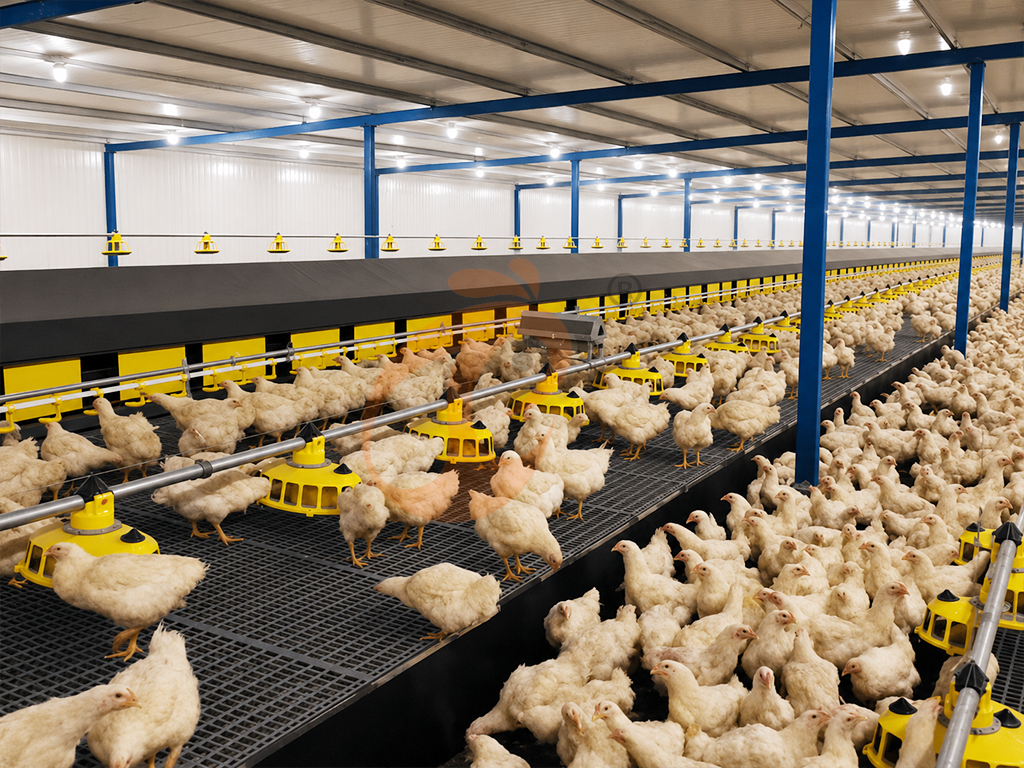
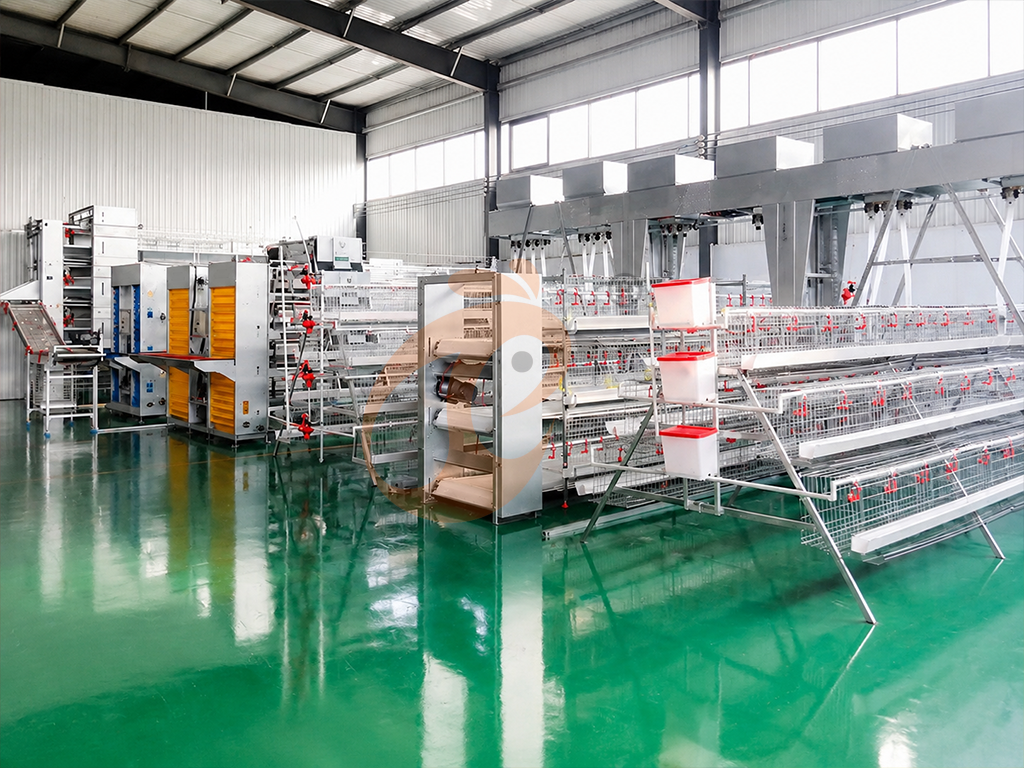
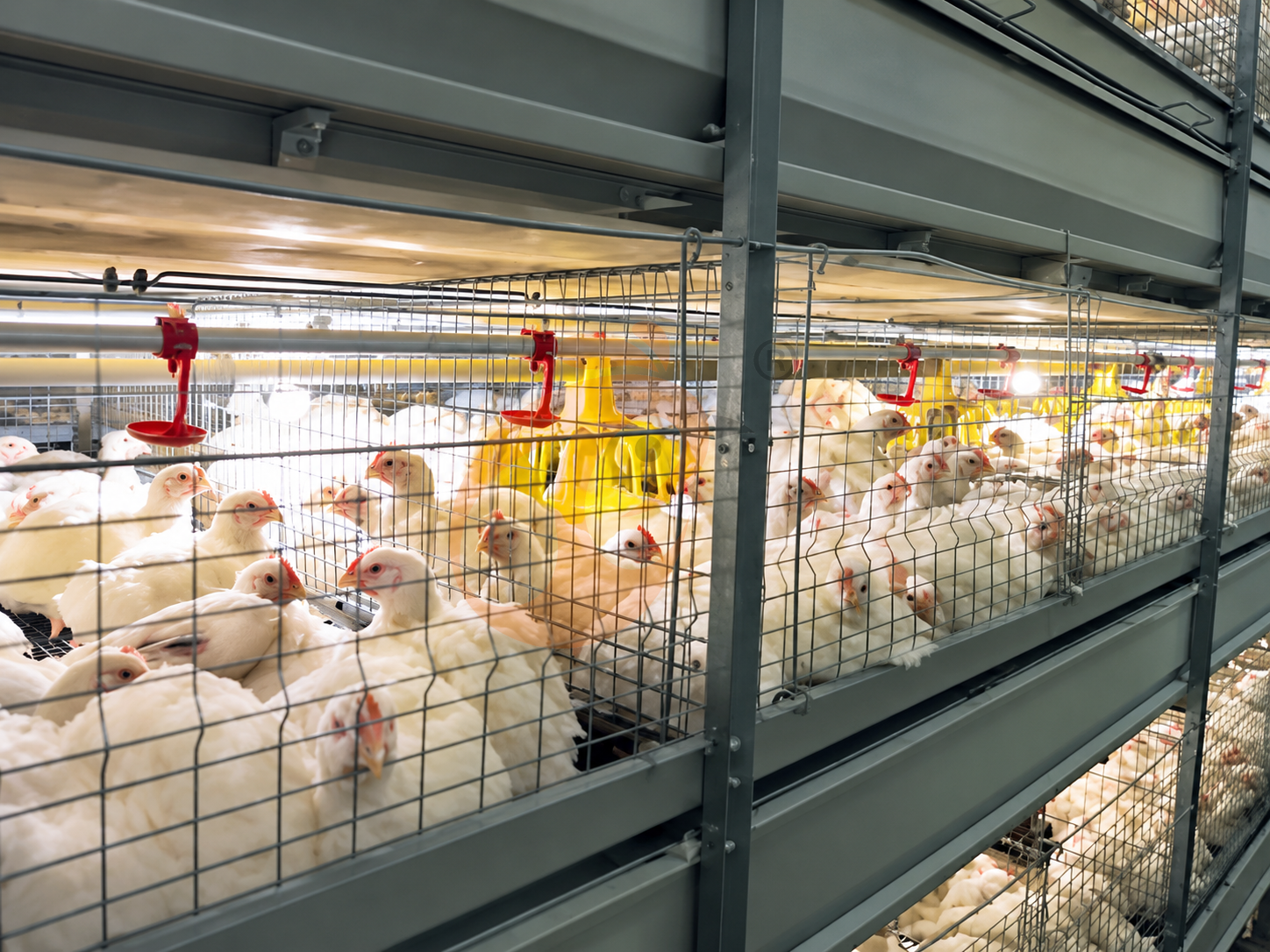
Search
Hot product
 IoT Poultry Farming System1. CO₂ 0–5,000 ppm range
2. NH₃ 0–100 ppm
3. RH ±3%
4. Thresholds in the 10–25 ppm range
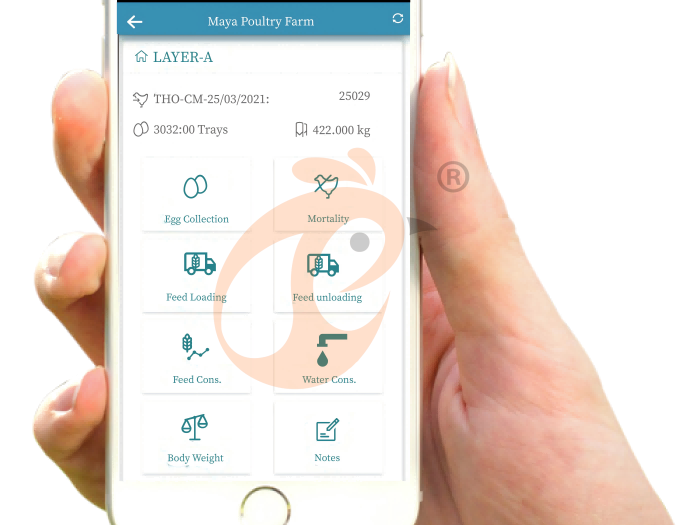
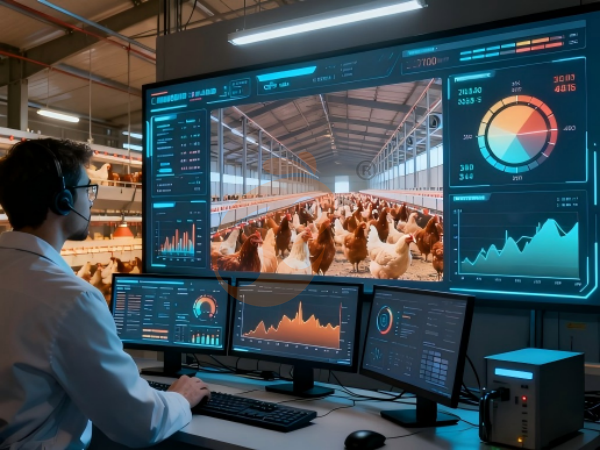
5. Reception /WhatsApp NO. : +8618830120193Read more Overall Structure IoT System In The Farm1. Breeding planning framework
2. CCTV
3. Poultry digital platform - comprehensive large screen
4. Alarm management
5. Reception /WhatsApp NO. : +8618830120193Read more Poultry House Environmental Control Smart IoT System1. Precision ventilation
2. Full site equipment control
3. Self diagnosis alarm system
4. European standard hardware
5. Reception /WhatsApp NO. : +8618830120193Read more

Contact us
Phone(whatsapp No. ):
E-mail:
Office 1 (Hong Kong):
Flat/RM A, 15/F, ManlyCommercial Building 15 Soy Street, Mong Kok
Office 2 (China Mainland):
Flat/RM 2416, 24/F, Runxing Building, Youyi Nan Street, Shijiazhuang City, Hebei Province