



News
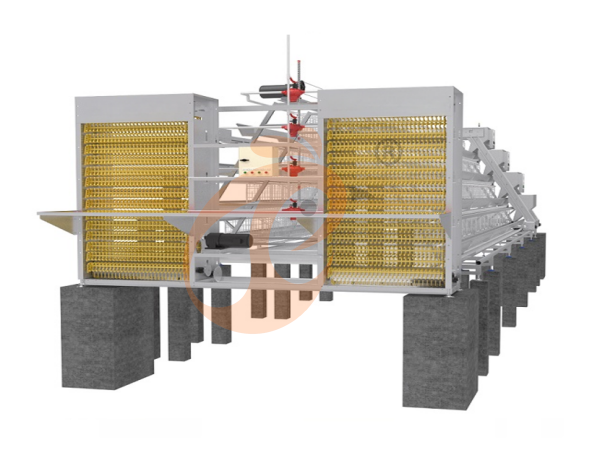
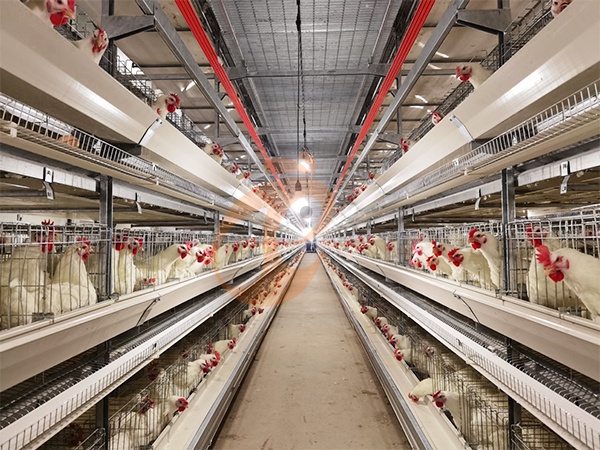
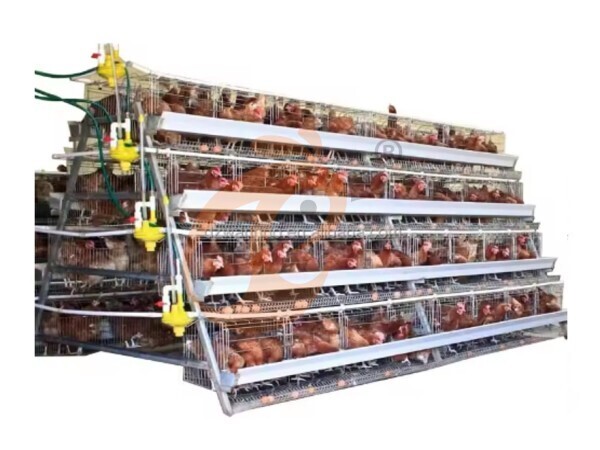
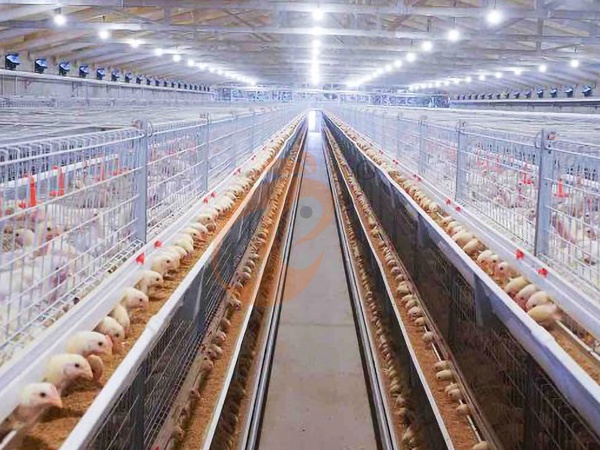
A type chicken battery cage delivers structured layer housing with 3–4 tiers, supporting measurable capacity planning for commercial poultry projects.
Factory-direct A type chicken battery cage procurement connects equipment engineering, manufacturing, automation, and project coordination through one technical supply chain.
A type layer cage configurations can reach 90–160 birds per set, creating measurable options for different building dimensions and production targets.
A frame layer cage systems can integrate feeding, drinking, manure, and egg-handling equipment while reducing coordination risks across multiple suppliers.
- Factory pricing, defined materials, and lifecycle engineering make A type chicken battery cage investment easier to evaluate through measurable technical specifications.
Get professional poultry farm construction guidance, equipment selection solutions, and the latest price lists, whatsApp to +8618830120193, click to learn more:
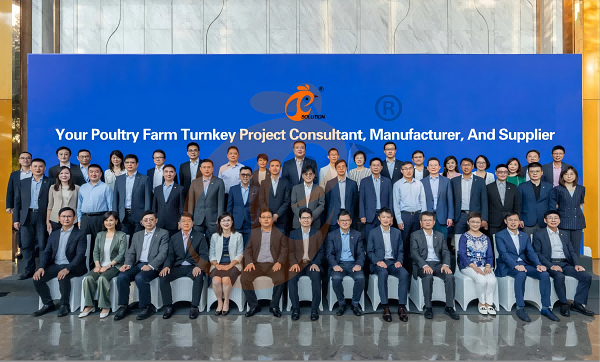
The Real Cost Of An A Type Chicken Battery Cage
For a commercial layer farm, A type chicken battery cage purchasing should be evaluated by cost per installed bird, not simply by the quotation for one cage set.
A factory-direct A type chicken battery cage connects equipment specification, production process, and farm layout in one purchasing chain.
Commercial configurations commonly include 3–4 tiers, while published models can reach 90–160 birds per set, depending on cage configuration.
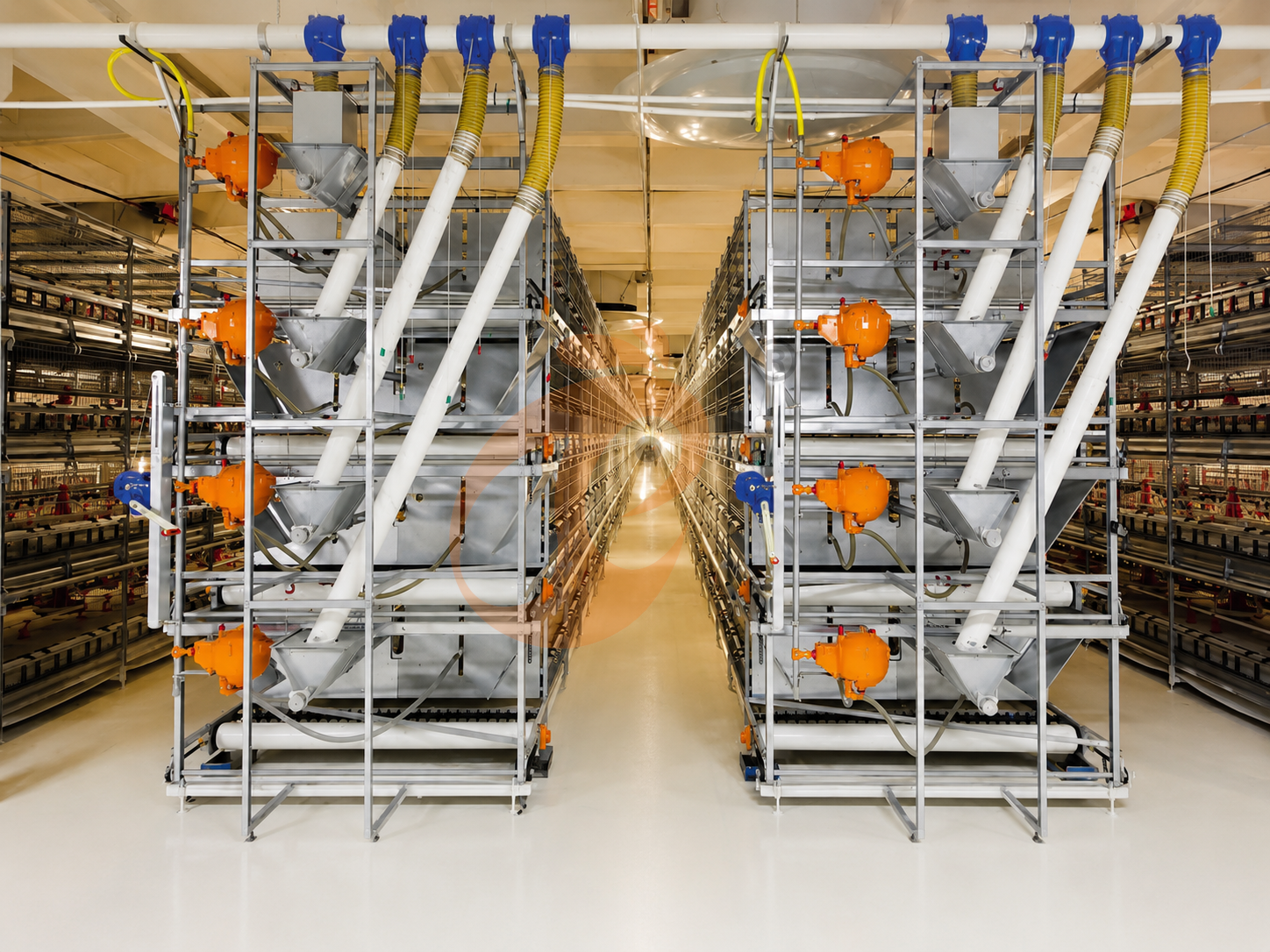
This direct manufacturing model coordinates the cage frame with feeding, drinking, manure removal, and egg collection equipment.
Factory engineering can also align equipment with 1,500 mm-class cage-system heights and 1,950 mm-class cage lengths, improving project coordination.
Factory-Direct Pricing Removes Unnecessary Distribution Costs
Data is for reference only.Swipe horizontally to view full table.
A factory-direct A type chicken battery cage purchasing structure allows buyers to negotiate directly around quantity, configuration, automation level, packing, and installation requirements.
Direct communication becomes particularly valuable for projects involving 500+ cage sets and coordinated equipment deliveries.
A factory can confirm engineering details before production, including cage model, tier quantity, cell arrangement, frame dimensions, and equipment interfaces.
A Type Cage Specifications That Directly Affect Investment
Data is for reference only.Swipe horizontally to view full table.
These specifications demonstrate why A type chicken battery cage selection requires more than comparing quotations.
Published A type layer cage models use different cell dimensions, bird allocation, and overall footprints to achieve different capacities.
Factory engineering can therefore select configurations according to flock size, house geometry, and installation requirements rather than simply offering one standard model.
Better Space Utilization Creates More Production Capacity
What happens when a poultry house cannot expand, but additional laying capacity remains necessary?
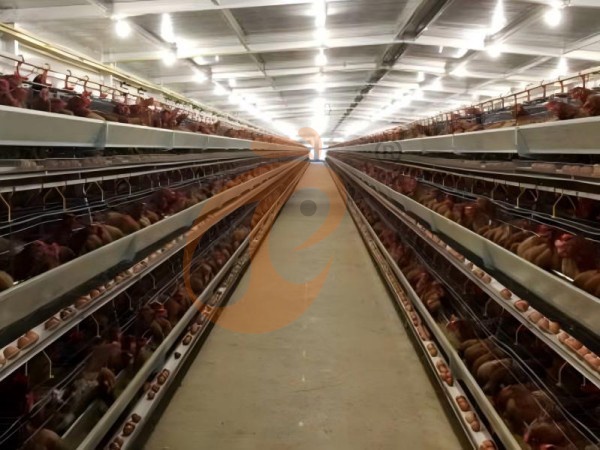
An A frame layer cage uses multiple vertical tiers to utilize available building volume instead of relying entirely on additional floor area.
Published commercial layouts can specify 4-tier, 3-row arrangements for approximately 20,160 birds per house, depending on complete project design.
Factory engineering can calculate the cage arrangement before production, integrating aisle dimensions, ventilation requirements, and equipment positioning.
That approach turns available vertical building space into planned production capacity without relying on unverified layout assumptions.
How The Cage Configuration Influences Farm Layout
Data is for reference only.Swipe horizontally to view full table.
These configurations show the relationship between tier quantity, door arrangement, bird allocation, and A type chicken battery cage dimensions.
Published A type layer cage models include 90, 96, 120, 128, and 160 birds per set across different configurations.
For new poultry projects, factory calculation can determine the required number of sets before shipment and installation.
Factory Integration: One Cage, Multiple Production Functions
An A type chicken battery cage should not be treated as an isolated steel structure.
Production value depends on how the cage integrates with feeding, drinking, manure, and egg-handling systems.
A factory-direct A frame layer cage supplier can engineer these interfaces together, reducing modification requirements during installation.
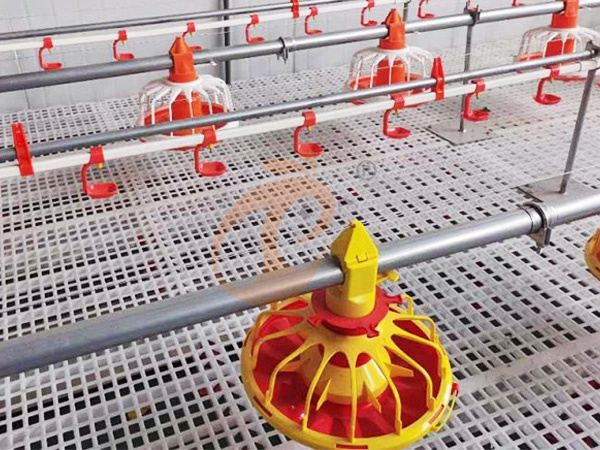
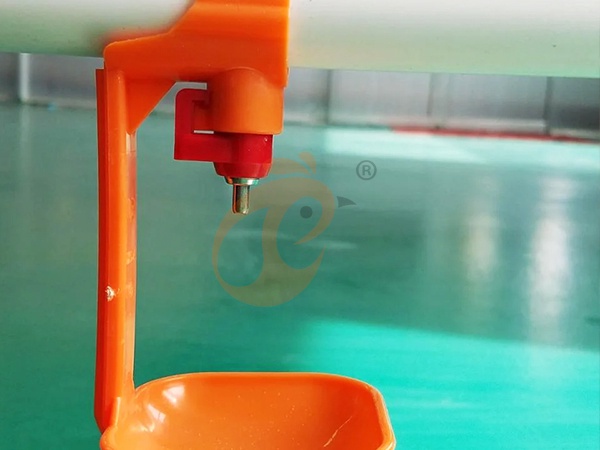
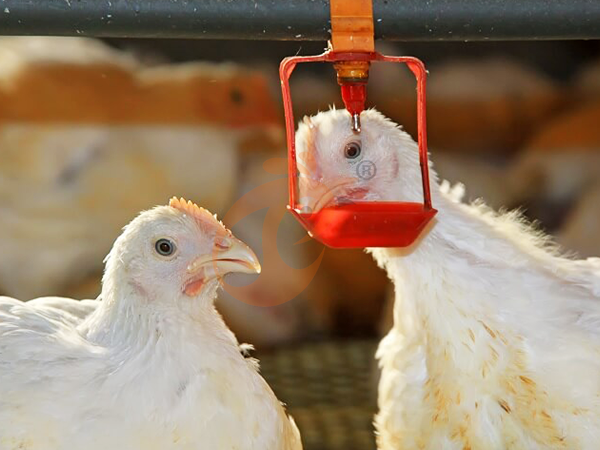
Automatic drinking configurations can include water pipes, pressure regulators, filters, dosing equipment, and nipple drinkers.
A coordinated system can also reserve approximately 25–50 mm of technical clearance around selected equipment interfaces for installation and maintenance access.
Complete Equipment Integration And Technical Parameters
Data is for reference only.Swipe horizontally to view full table.
Published A type chicken battery cage configurations demonstrate Q235 steel, 2.0 mm galvanized frame legs, and 1.0 mm galvanized feed troughs in selected models.
These engineering specifications give buyers measurable criteria for comparing A type layer cage quotations instead of relying on visual appearance.
Equipment interfaces can also be coordinated around continuous water-line routing and mechanical manure-transfer paths for more organized installation.
Automation Converts Labor Hours Into Equipment Efficiency
A practical evaluation starts with a simple calculation:
Daily labor requirement × operating days × labor cost = recurring operating expense.
An A type chicken battery cage equipped with automatic feeding, drinking, manure removal, or egg collection can transfer repetitive tasks from manual handling to mechanical operation.
For large flocks, operational gains accumulate every day, making equipment selection part of long-term cost management.
A factory offering integrated equipment can also coordinate cage dimensions with machinery, reducing on-site modification requirements.
For example, an automated feeding route may operate across multiple cage rows, while drinking systems can maintain continuous water distribution through
dedicated lines.
Where Automation Creates Measurable Operating Value
Data is for reference only.Swipe horizontally to view full table.
Modern A type chicken battery cage systems can combine automatic drinking, feeding, manure removal, egg collection, ventilation, and environmental control according to project requirements.
Automation planning should also consider 24-hour production cycles and scheduled maintenance intervals when calculating operating efficiency.
A factory-direct A type layer cage package keeps equipment interfaces under one engineering plan, reducing coordination between unrelated suppliers.
Material And Surface Treatment Affect Lifecycle Cost
The fourth cost factor is often discovered only after several operating seasons: corrosion and component replacement.
A type chicken battery cage steel components are exposed to moisture, manure, washing procedures, and variable poultry-house conditions.
Steel grade and galvanizing specifications should therefore appear directly in the technical purchase agreement.
One published A type layer cage system uses Q235 steel with electro-galvanized and hot-dip galvanized options.
Published service-life ranges include 7–10 years for electro-galvanized treatment and 15–20 years for hot-dip galvanized treatment.
These specifications provide an engineering basis for comparing supplier quotations beyond initial purchase price.
Lifecycle Parameters That Matter To A Factory-Direct Buyer
Data is for reference only.Swipe horizontally to view full table.
Factory-direct purchasing gives A type chicken battery cage buyers a clearer route to spare-parts planning through the original equipment manufacturer.
Published specifications indicate 10,000 sets/month production capacity for one supplier and approximately 10 days lead time for one 20-foot-container example.
For a serious poultry investment, A type layer cage selection should combine capacity, material specification, equipment integration, installation efficiency, and lifecycle performance.
A professional manufacturer can provide cage engineering, automation components, technical drawings, layout planning, spare parts, and after-sales support within one coordinated package.
Frequently Asked Questions
Q1: What makes a factory-direct A type chicken battery cage more cost-effective?
A factory-direct A type chicken battery cage reduces distribution layers while coordinating equipment engineering and project procurement.
Published configurations range from 90–160 birds per set, allowing capacity planning around actual farm requirements.
Q2: Which A type chicken battery cage configuration should a commercial farm choose?
Selection depends on flock capacity, building dimensions, stocking requirements, automation level, and ventilation design.
Available configurations include 3- and 4-tier structures, giving farms measurable options for different project layouts.
Q3: Why does galvanizing matter for A type layer cage lifecycle cost?
Galvanizing protects steel surfaces against the humid and corrosive poultry-house environment.
Published specifications indicate hot-dip galvanized service-life expectations of approximately 15–20 years, subject to operating conditions and maintenance.
Taiyu (HK) Group - One Of China Toppest A Type Chicken Battery Cage Manufacturer
A type chicken battery cage systems provide structured multi-tier layer housing, with configurations reaching 160 birds per set and engineered integration for commercial poultry production.
Global factory-direct supply covers poultry equipment, including cage systems, automatic feeding, nipple drinking, manure removal, egg collection, ventilation, and environmental-control solutions.
Turn-key engineering coordinates project design, equipment configuration, manufacturing, container loading, installation guidance, commissioning, and technical documentation for complete poultry-house projects.
Factory production supports international poultry equipment projects through standardized engineering specifications, component matching, spare-parts planning, and direct technical communication.
Commercial project support connects cage capacity, building layout, automation requirements, and operating objectives into one factory-managed poultry equipment supply process.
Contact Us To Received Your Customized Poultry Farm Plan
Headquarters And Branchs

Hong Kong Headquarter Management Team
Hong Kong Headquarter Taiyu Industrial Group CO., LTD
China Hebei Best Machinery And Equipment CO., LTD
Nigeria Vanke Machinery And Equipment CO., LTD
Tanzania Best Machinery And Equipment CO., LTD
Ethiopia Best Hebei Machinery Manufacturing PLC




Reception /24 WhatsApp NO. : +8618830120193
FAQ
How To Optimize Lighting Program In A-Type Layer Cage Farm?
Even lighting promotes laying
Egg production rate: 90–96%
FCR: 1.9–2.2
Reduces stress
How To Implement Waste Management In A-Type Poultry Cage Farm?
Collect manure for organic fertilizer
Reduce pathogen spread
Mortality rate: 2–3%
Egg production rate: 90–96%
How To Improve Egg Weight In A-Type Layer Cage System?
Maintain stable temperature and humidity
Egg weight: 60–65 g
Egg production rate: 90–96%
Egg breakage rate <1%
- poultry equipment
- poultry farm
- battery cage
- Layer cage
- layer farm
- poultry house
- layer cage system
- layer cage supplier
- commercial layer farm
- poultry farm construction
- battery cage system
- battery cage manufacturer
- layer cage quotation
- egg collection equipment
- poultry equipment project
- Tanzania
- Nigeria
- a type layer cage
Product Recommendations
 Imported Vs Local H Type Chicken Battery Cages: Which Offers Better Quality?1. H Type Chicken Battery Cage layouts require coordinated house dimensions
2. Multi-tier cage structures support organized commercial layer production
3. Automatic systems connect feeding, drinking, manure, and egg handling
4. Engineering drawings define interfaces before equipment manufacturing begins
5. Reception /WhatsApp NO. : +8618830120193Read more A Type Battery Cage For Layers Vs Broilers: Which System Is More Suitable?1. A Type Battery Cage requires coordinated structural and utility planning
2. Layer housing layouts determine equipment positioning and service access
3. Automatic feeding reduces repetitive manual feed distribution work
4. Manure handling requires suitable conveyor or scraper interfaces
5. Reception /WhatsApp NO. : +8618830120193Read more 5 Practical Methods To Reduce Noise From Pralson Feeders1. Pralson feeders connect feed delivery with mechanical alignment requirements
2. Poultry houses require coordinated suspension and drive arrangements
3. Noise inspection should follow measurable mechanical checkpoints
4. Feeding performance depends on compatible component configuration
5. Reception /WhatsApp NO. : +8618830120193Read more Deep Litter System For Broiler Chickens | 7 Daily Checks1. Deep litter management depends on coordinated ventilation and drinking equipment
2. Daily inspections connect measurable house conditions with equipment operation
3. Feeding, water, airflow, and automation should follow synchronized procedures
4. Equipment specifications should match building dimensions and flock capacity
5. Reception /WhatsApp NO. : +8618830120193Read more Free Range System For Broiler Chickens | 7 Daily Management Checks1. Free-range houses require coordinated feed and water distribution systems with defined equipment layouts
2. Ventilation settings should reflect outdoor temperature and house dimensions through controller-based adjustments
3. Automatic doors require reliable scheduling and mechanical inspection procedures for consistent daily access
4. Daily records support preventive maintenance and equipment troubleshooting across interconnected farm systems
5. Reception /WhatsApp NO. : +8618830120193Read more Standard Vs Custom Broiler Chicken Cage Systems | Which Fits Your Farm?1. Standard cage systems use established component dimensions for conventional poultry houses.
2. Custom cage systems adapt equipment arrangements to actual building geometry and operating requirements.
3. Feeding and drinking equipment should be coordinated with cage placement during engineering.
4. Manure removal equipment should be planned before final equipment installation.
5. Reception /WhatsApp NO. : +8618830120193Read more Broiler Chicken Cage For Sale | 5 Key Factors Buyers Must Check1. Cage layouts require accurate building dimensions before equipment configuration begins
2. Feeding circuits should align with row lengths and service passages
3. Water systems need filtration and pressure control before commissioning
4. Manure conveyors require accessible inspection points for routine maintenance
5. Reception /WhatsApp NO. : +8618830120193Read more Nipple Drinker With Cup Vs Without Cup | Which Reduces Spillage?1. Nipple systems maintain consistent water access during poultry production stages
2. Cup designs help manage moisture around drinking locations effectively
3. Farm layouts influence equipment selection and installation methods
4. Different bird categories require suitable drinking system configurations
5. Reception /WhatsApp NO. : +8618830120193Read more Pellet Machine Energy Saving | 6 Effective Techniques1. Pelletizing efficiency depends on coordinated material preparation and conditioning
2. Stable feeding reduces unnecessary load fluctuations during production
3. Die and roller maintenance supports consistent mechanical compression
4. Cooling and screening protect finished pellet quality after compression
5. Reception /WhatsApp NO. : +8618830120193Read more Deep Litter Broiler System Investment Guide | 5 Decision Tips1. Deep litter housing requires accurate equipment positioning before installation
2. Ventilation calculations should match house volume and climate conditions
3. Feeding lines require progressive height adjustment during bird growth
4. Water systems need filtration and pressure control for stable delivery
5. Reception /WhatsApp NO. : +8618830120193Read more Free Range Broiler System Investment Guide | 5 Decision Tips1. Free-range broiler housing requires coordinated indoor production management
2. Automatic feeding reduces routine manual feed distribution work
3. Ventilation design depends on house volume and climate
4. Nipple drinking requires controlled pressure and regular inspection
5. Reception /WhatsApp NO. : +8618830120193Read more Floor Rearing Broiler Farming Profit | 6 Key Factors Explained1. Floor rearing systems require coordinated airflow and feeding equipment
2. Broiler houses need consistent water access throughout cycles
3. Environmental sensors provide measurable operating conditions for controllers
4. Maintenance schedules help prevent equipment-related production interruptions
5. Reception /WhatsApp NO. : +8618830120193Read more Turnkey Poultry Equipment Investment | 5 Practical Decision Tips1. Commercial poultry layouts require coordinated equipment positioning
2. Ventilation calculations should precede final equipment quantities
3. Feeding systems require compatible electrical and mechanical interfaces
4. Climate conditions influence cooling and airflow configuration
5. Reception /WhatsApp NO. : +8618830120193Read more Battery Cage For Layers ROI | 5 Practical Profit Analysis Tips1. Battery Cage For Layers layouts require coordinated structural and ventilation calculations
2. Layer cage system dimensions should match building geometry and service access
3. Automatic layer cage system integration depends on compatible mechanical and electrical interfaces
4. Commercial poultry equipment planning should separate capital costs from recurring operating expenses
5. Reception /WhatsApp NO. : +8618830120193Read more Broiler Chicken Cage ROI | 5 Practical Profit Analysis Tips For Investors1. Broiler Chicken Cage layouts depend on actual building dimensions and structure
2. Feed system sizing should follow required production throughput calculations
3. Ventilation specifications should reflect house volume and climate conditions
4. Manure equipment selection should consider line length and drive capacity
5. Reception /WhatsApp NO. : +8618830120193Read more 7 Ways To Prevent Pellet Machine Blockages Quickly1. Pellet machines convert prepared feed into uniform compact pellets
2. Stable feeding supports consistent compression throughout production
3. Conditioning improves material flow before pelletizing begins
4. Die selection connects formulation requirements with pellet dimensions
5. Reception /WhatsApp NO. : +8618830120193Read more A Type Poultry Cage Vs Floor Rearing System: 5 Performance Comparisons1. A Type poultry cage layouts determine equipment positions and maintenance access
2. Feed distribution requires coordinated drive systems and suitable delivery routes
3. Manure removal depends on belt dimensions, motor selection, and discharge planning
4. Environmental controls connect sensors, ventilation equipment, and house conditions
5. Reception /WhatsApp NO. : +8618830120193Read more Poultry Equipment Supplier | 5 Practical Tips To Choose The Right One1. Poultry equipment selection depends on house dimensions and flock capacity
2. Ventilation planning should account for climate and building structure
3. Feeding systems require coordinated capacity calculations before installation
4. Water systems require filtration and pressure checks before commissioning
5. Reception /WhatsApp NO. : +8618830120193Read more Battery Cage For Layers Cost | 6 Key Factors Affecting Price1. Layer cages organize birds vertically within dedicated housing rows
2. Feeding systems distribute feed consistently across cage sections
3. Manure equipment transfers waste toward designated collection areas
4. Water systems regulate drinking supply throughout production rows
5. Reception /WhatsApp NO. : +8618830120193Read more Broiler Chicken Cage Cost | 6 Key Factors Affecting Price And Budget1. Broiler cage projects require coordinated structural and mechanical specifications
2. House dimensions determine cage rows and equipment placement
3. Feeding and drinking systems require compatible connection layouts
4. Environmental systems depend on ventilation and cooling requirements
5. Reception /WhatsApp NO. : +8618830120193Read more How To Maximize Water Efficiency With Nipple Drinkers | 6 Tips1. Nipple drinkers provide controlled water delivery for poultry
2. Pressure regulation supports stable drinking-line operation
3. Filtration helps protect internal nipple components
4. Scheduled flushing removes accumulated line contaminants
5. Reception /WhatsApp NO. : +8618830120193Read more How To Upgrade Pellet Machines | 6 Practical Strategies1. Pelletizing performance depends on coordinated material preparation and mechanical compression
2. Feed moisture and particle size directly influence forming stability
3. Cooling and screening determine finished-product handling characteristics
4. Equipment interfaces should be planned before installation begins
5. Reception /WhatsApp NO. : +8618830120193Read more Poultry Cage Cost Per Bird Vs Total Project Cost: 5 Smart Comparisons1. Poultry cage layouts require accurate building dimensions before equipment production
2. Cage capacity calculations depend on selected housing configuration and tiers
3. Equipment routes should maintain accessible maintenance and service clearance
4. Electrical specifications must match local power infrastructure and motors
5. Reception /WhatsApp NO. : +8618830120193Read more Which H Type Chicken Cage Design Is Best For 20,000+ Layer Poultry Farms?1. H type chicken cage layouts require accurate building dimensions for equipment coordination
2. Automatic feeding routes should align with cage rows and service passages
3. Manure systems require planned access for inspection and scheduled maintenance
4. Egg collection equipment should connect cage rows with central transfer points
5. Reception /WhatsApp NO. : +8618830120193Read more Is Deep Litter System Suitable For Broilers? | 5 Answers1. Proper poultry farming requires stable environmental control mechanisms
2. Modern equipment ensures high animal welfare standards
3. Quality management systems reduce disease risks significantly
4. Reliable automation optimizes feed conversion efficiency daily
5. Reception /WhatsApp NO. : +8618830120193Read more Is Free Range System Suitable For Broilers? | 5 Practical Answers1. Free range broiler houses combine indoor control with outdoor access
2. Feeding equipment maintains predictable daily feed distribution
3. Drinking systems support continuous access to clean water
4. Ventilation equipment manages changing indoor environmental conditions
5. Reception /WhatsApp NO. : +8618830120193Read more Floor Rearing System For Broiler Chickens | 5 Daily Management Checks1. Floor rearing systems require coordinated equipment layouts
2. Feeding lines should align with house dimensions and flock capacity
3. Water systems require filtration, regulation, distribution, and flushing
4. Ventilation systems depend on airflow calculations and building structure
5. Reception /WhatsApp NO. : +8618830120193Read more How To Reduce Operating Costs With Poultry Equipment | 6 Tips1. Feed distribution accuracy supports controlled material allocation across poultry houses
2. Environmental sensors provide continuous measurements for automated equipment adjustment
3. Water monitoring helps identify abnormal consumption and potential system leakage
4. Preventive inspection supports mechanical reliability throughout equipment operating cycles
5. Reception /WhatsApp NO. : +8618830120193Read more A Type Battery Cage Vs Cage-Free System: Which Is More Profitable For Layers?1. A Type Battery Cage layouts require accurate building dimensions before equipment quantities are calculated
2. Feeding systems should align drive capacity with planned row lengths
3. Egg conveyors require coordinated transfer heights between housing and packing areas
4. Manure systems should match belt length, discharge direction, and removal cycles
5. Reception /WhatsApp NO. : +8618830120193Read more Floor Rearing Broiler House Design | 6 Practical Layout Guidelines1. Floor plans should maintain unobstructed routes between production zones and equipment access points
2. Feeder suspension should allow adjustment throughout broiler growth cycles
3. Water pipelines require accessible filtration and pressure-control positions
4. Ventilation components should align with calculated airflow paths and house geometry
5. Reception /WhatsApp NO. : +8618830120193Read more Nipple Drinker System Design | 5 Key Planning Tips For Farms1. Nipple lines require coordinated hydraulic planning across pressure, filtration, flushing, and suspension components
2. Bird access depends on correct drinking-line positioning throughout each production stage
3. Water quality should be evaluated before finalizing filtration and treatment equipment
4. Pipeline design should provide practical access for inspection and routine cleaning
5. Reception /WhatsApp NO. : +8618830120193Read more 7 Ways To Reduce Maintenance Costs For Pralson Feeders1. Pralson Feeders maintenance depends on correct installation and scheduled inspection
2. Automatic feeding lines require coordinated mechanical and electrical checks
3. Feed residue management supports consistent equipment operating conditions
4. Component records simplify replacement planning across production cycles
5. Reception /WhatsApp NO. : +8618830120193Read more 6 Practical Tips To Reduce Maintenance Costs Of Nipple Drinkers1. Nipple drinkers maintain controlled water access for poultry
2. Regular inspections prevent unnecessary mechanical service interruptions
3. Clean pipelines support stable equipment operation throughout production
4. Proper maintenance improves reliability across repeated flock cycles
5. Reception /WhatsApp NO. : +8618830120193Read more 5 Ways To Improve Pralson Feeder Reliability On Farms1. Pralson feeders distribute feed through coordinated mechanical systems
2. Regular inspections reduce unexpected operational interruptions significantly
3. Feed quality influences smooth equipment performance daily
4. Preventive maintenance supports stable production across cycles
5. Reception /WhatsApp NO. : +8618830120193Read more What Are The Installation Requirements For An A Type Battery Cage System? 6 Clear Guidelines1. Building dimensions determine the final cage-row arrangement and equipment positioning
2. Structural preparation provides the foundation for accurate cage assembly and utility integration
3. Feeding, drinking, manure, and egg systems require coordinated installation sequencing
4. Commissioning records verify mechanical movement, electrical connections, and water delivery
5. Reception /WhatsApp NO. : +8618830120193Read more Energy Saving Tips For Pralson Feeders | 6 Effective Methods1. Automatic feeders require coordinated electrical and mechanical settings
2. Feed distribution should remain consistent across line sections
3. Routine inspection helps identify developing mechanical changes
4. Flock growth requires corresponding equipment adjustment
5. Reception /WhatsApp NO. : +8618830120193Read more Commercial Battery Cage For Layers Vs Small Farm Cage | Which Should You Choose?1. Commercial layer cage systems optimize bird housing through structured engineering designs
2. Multi-tier cage layouts improve poultry house utilization with controlled equipment placement
3. Feeding systems support accurate nutrition delivery across commercial production areas
4. Manure management equipment maintains cleaner operational environments inside chicken houses
5. Reception /WhatsApp NO. : +8618830120193Read more Commercial Broiler Chicken Cage Vs Small Farm Cage | Which Should You Choose?1. Commercial broiler cages require accurate engineering calculations
2. Farm layouts influence equipment selection and production efficiency
3. Feeding systems connect with complete poultry management procedures
4. Cage structures support organized commercial farming processes
5. Reception /WhatsApp NO. : +8618830120193Read more Adjustable Vs Fixed Height Pralson Feeders | Which Reduces Waste?1. Adjustable feeders improve chicken house feeding management efficiency
2. Equipment structures support stable poultry production processes
3. Modern systems reduce unnecessary feed handling operations
4. Engineering designs improve farm operational consistency
5. Reception /WhatsApp NO. : +8618830120193Read more Electric Vs Diesel Pellet Machines | Which Saves More Energy?1. Electric pellet machines process feed materials efficiently
2. Diesel systems provide flexible operation options for farms
3. Energy selection influences poultry production efficiency
4. Feed processing requires stable equipment performance
5. Reception /WhatsApp NO. : +8618830120193Read more
Search
Hot product
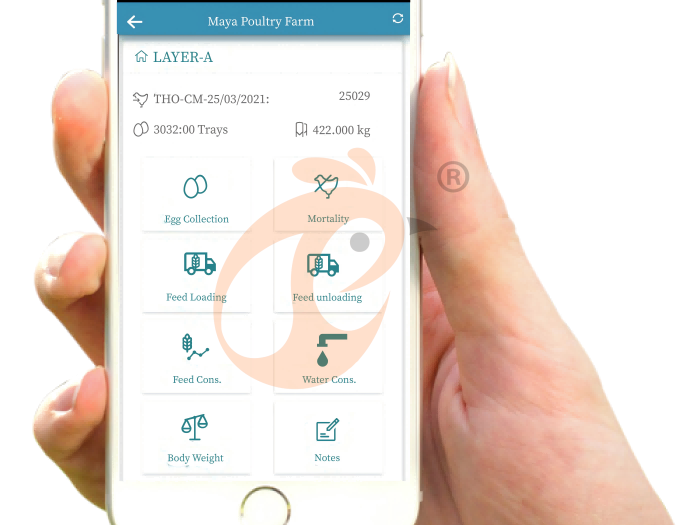
 IoT Poultry Farming System1. CO₂ 0–5,000 ppm range
2. NH₃ 0–100 ppm
3. RH ±3%
4. Thresholds in the 10–25 ppm range
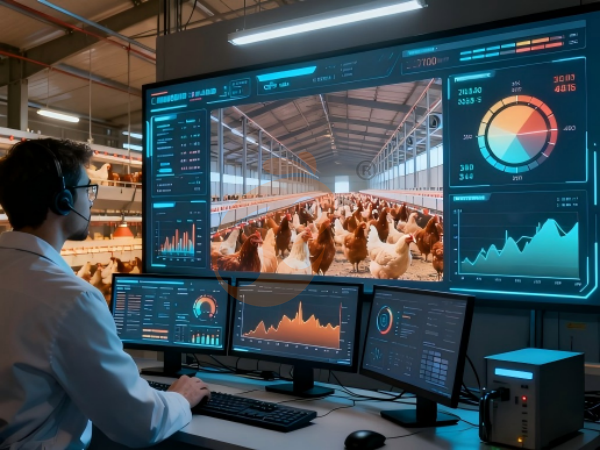
5. Reception /WhatsApp NO. : +8618830120193Read more Overall Structure IoT System In The Farm1. Breeding planning framework
2. CCTV
3. Poultry digital platform - comprehensive large screen
4. Alarm management
5. Reception /WhatsApp NO. : +8618830120193Read more Poultry House Environmental Control Smart IoT System1. Precision ventilation
2. Full site equipment control
3. Self diagnosis alarm system
4. European standard hardware
5. Reception /WhatsApp NO. : +8618830120193Read more

Contact us
Phone(whatsapp No. ):
E-mail:
Office 1 (Hong Kong):
Flat/RM A, 15/F, ManlyCommercial Building 15 Soy Street, Mong Kok
Office 2 (China Mainland):
Flat/RM 2416, 24/F, Runxing Building, Youyi Nan Street, Shijiazhuang City, Hebei Province