



News
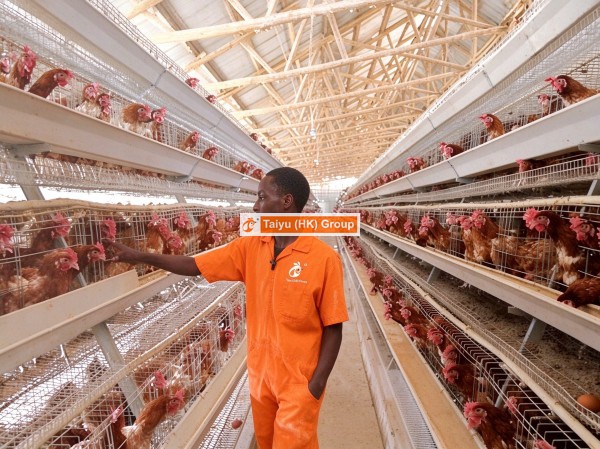
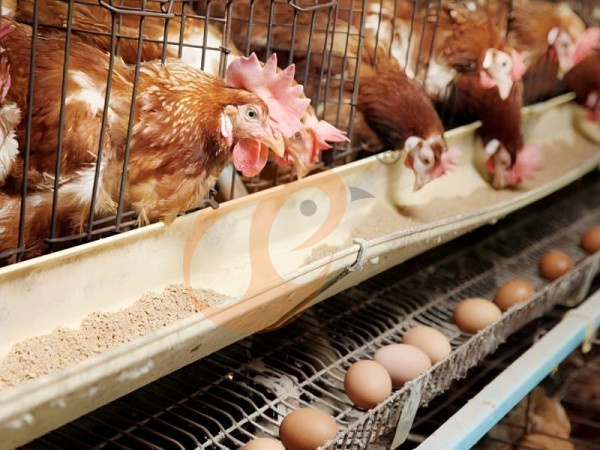
Average egg production in A-type chicken cage Ethiopia depends on management quality and environment conditions across different regions.
Poultry production systems in Ethiopia are transitioning from traditional to commercial cage-based operations.
Feed availability, climate, and disease control significantly influence layer productivity outcomes.
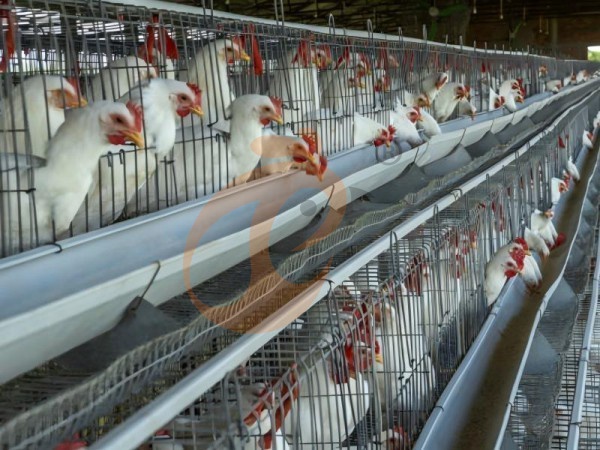
A-type chicken cage systems are widely adopted in peri-urban commercial farms.
Understanding production indicators helps farmers improve efficiency and profitability.
Get professional poultry farm construction guidance, equipment selection solutions, and the latest price lists, whatsApp to +8618830120193, click to learn more:

Ethiopia Branch Office And Factory Of Poultry Farm Equipment
Introduction: Ethiopian Context Of Layer Production
Ethiopia's poultry sector is structurally unique.
It is dominated by indigenous birds under extensive systems, yet it is gradually transitioning toward semi-intensive and intensive layer production using cage systems such as A-type chicken cage.
Nationally, the country produces approximately 1.83 billion eggs annually, but productivity per bird remains low compared to global standards.
The contrast is clear
Indigenous chickens: 30–80 eggs per hen per year under village systems.
Commercial layer systems: 250–300 eggs per hen per year under improved management.
This gap highlights why A-type chicken cage systems are increasingly adopted in peri-urban areas like Addis Ababa, Bishoftu, and Hawassa.
These systems are designed to maximize egg production efficiency, reduce mortality, and improve management control.
Indicator 1: Average Egg Production Per Hen In A-Type Cage Systems
The most direct indicator is annual egg output per hen.
In Ethiopian commercial farms using A-type chicken cage, production depends heavily on feed quality, breed, and environmental control.
Data is for reference only.Swipe horizontally to view full table.
A-type chicken cage systems enable Ethiopian farms to achieve significantly higher productivity compared to traditional systems.
However, reaching 300 eggs per year requires optimized feeding, disease control, and environmental management.
Indicator 2: Hen-Day Egg Production Rate
Hen-day egg production measures daily laying efficiency and is critical in cage systems.
Data is for reference only.Swipe horizontally to view full table.
In Ethiopia, HDEP is often reduced due to inconsistent feed supply, limited lighting systems, and temperature fluctuations.
Improving daily production rates requires better housing design and feeding schedules.
Indicator 3: Feed Conversion And Nutritional Efficiency
Feed accounts for over 60–70 percent of production cost in Ethiopian poultry systems.
Efficiency is measured through feed intake per egg produced.
A typical commercial layer farm may spend around 8–10 Ethiopian Birr per hen per day on feed European union standard reference only.
Data is for reference only.Swipe horizontally to view full table.
Feed quality fluctuates due to reliance on local ingredients such as maize bran and oilseed cakes.
Improving feed formulation is essential to increase egg production efficiency.
Indicator 4: Mortality Rate And Flock Health
Mortality significantly affects average egg production in cage systems.
Data is for reference only.Swipe horizontally to view full table.
Key diseases in Ethiopia include Newcastle disease, coccidiosis, and fowl typhoid.
Higher mortality reduces laying cycles and lowers overall production performance.
Indicator 5: Age At First Lay And Production Cycle Length
Early maturity is essential for maximizing annual production.
Data is for reference only.Swipe horizontally to view full table.
Delayed maturity in Ethiopia reduces total lifetime egg output.
Proper feeding and lighting programs can improve early laying performance.
Indicator 6: Housing Density And Cage Design Efficiency
A-type chicken cage systems optimize stocking density and space utilization.
Data is for reference only.Swipe horizontally to view full table.
Overcrowding is common in Ethiopian farms due to cost constraints.
This reduces egg production and increases stress among layers.
Indicator 7: Environmental Factors (Temperature, Altitude, Lighting)
Ethiopia's diverse agro-ecology significantly affects cage layer performance.
Data is for reference only.Swipe horizontally to view full table.
Highland areas provide more favorable conditions for A-type chicken cage farming.
Lowland regions require improved ventilation and cooling strategies.
Ethiopian Pain Points In A-Type Cage Layer Production
Feed cost and quality instability remain major challenges.
Disease management systems are not fully developed in rural regions.
Farmers often lack technical knowledge of cage management.
Egg market prices fluctuate significantly across regions.
Climate stress reduces productivity in hotter areas.
Practical Solutions For Ethiopia
Local feed formulation using available ingredients should be improved.
Veterinary services must be expanded with better vaccination coverage.
Farmer training programs should focus on cage management and biosecurity.
Housing systems need improved ventilation and reduced stocking density.
Egg marketing systems should be strengthened through cooperatives.
Frequently Asked Questions
Q1: Is A-type chicken cage suitable for Ethiopia conditions?
Yes, A-type chicken cage systems are suitable, especially in highland and peri-urban areas.
Proper ventilation and management adjustments are required for lowland regions.
Q2: What is the biggest challenge affecting egg production in Ethiopia?
Feed cost and inconsistent quality are the main constraints.
Improving local feed formulation can significantly increase production efficiency.
Q3: How can Ethiopian farmers improve egg production in cage systems?
Farmers should focus on balanced nutrition, disease prevention, and proper cage density.
Training and access to technical support are also essential for improvement.
Ethiopia Best Hebei Machinery Manufacturing Plc - One Of Ethiopia Largest Chicken Cage Supplier
Global factory direct supply ensures competitive pricing and stable product quality for poultry farm equipment across different regions.
Specialized in poultry cage systems including A-type chicken cage designed for efficient egg production and long-term durability.
Provides complete poultry farm equipment solutions tailored for Ethiopian farming conditions including climate and infrastructure limitations.
Offers Turn-key engineering services covering farm design, installation, and technical training for sustainable poultry operations.
Strong international experience delivering reliable poultry cage and poultry farm equipment systems to developing markets globally.
Contact Us To Received Your Customized Poultry Farm Plan
Headquarters And Branchs
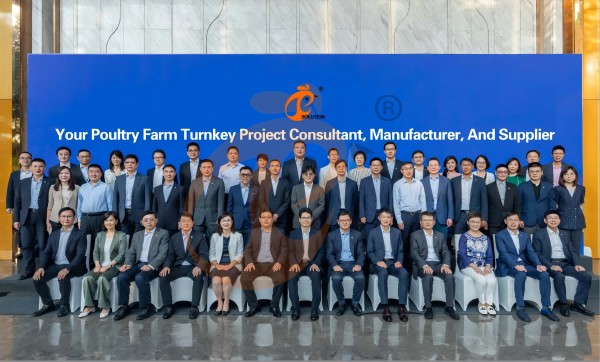
Hong Kong Headquarter Management Team
Hong Kong Headquarter Taiyu Industrial Group CO., LTD
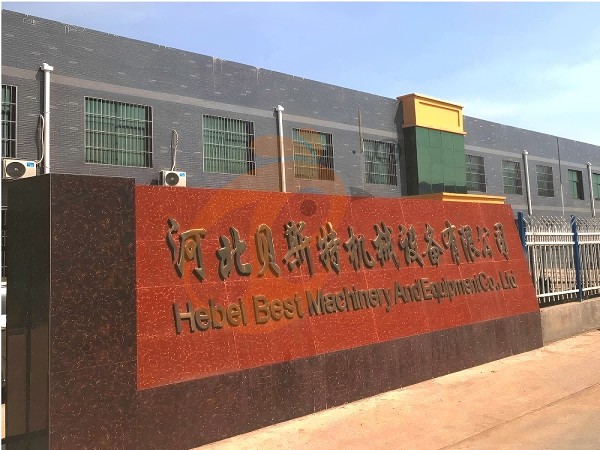
China Hebei Best Machinery And Equipment CO., LTD
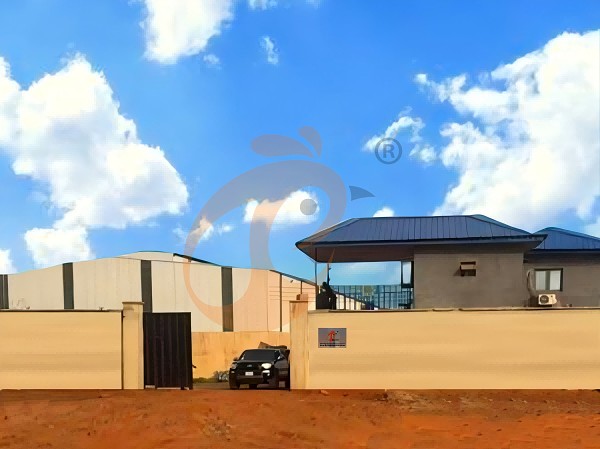
Nigeria Vanke Machinery And Equipment CO., LTD
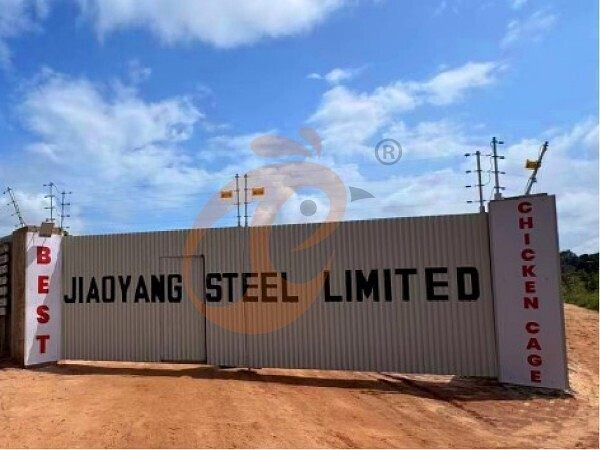
Tanzania Best Machinery And Equipment CO., LTD
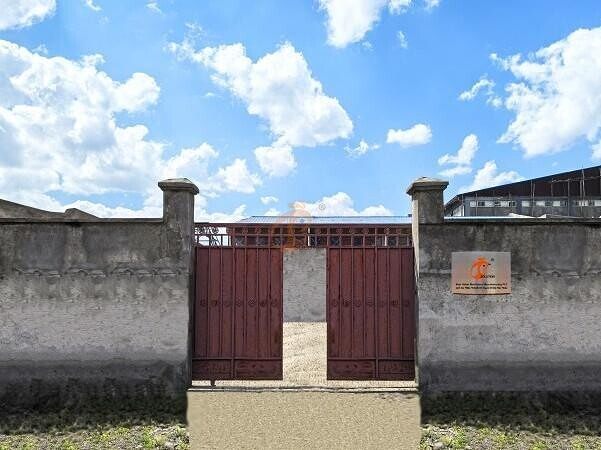
Ethiopia Best Hebei Machinery Manufacturing PLC
Reception /24 WhatsApp NO. : +8618830120193
FAQ
How To Design Cage Width And Depth For A-Type Layer Cage?
Cage depth: 400 mm
Birds per set: 120-200
Egg production rate: 90–96%
FCR: 1.9–2.2
How To Implement Biosecurity Measures In A-Type Chicken Cage Farms?
Use disinfectant doors and footbaths
Regular manure cleaning
Mortality rate: 2–3%
Egg production rate: 90–96%
What Are The Most Durable Materials For A-Type Poultry Cage Frames?
Maintain anti-corrosion coating
Lifespan: more than 25 years
Egg production rate: 90–96%
Labor savings: 50–70%
How To Optimize Feeding And Watering Lines In A-Type Layer Cage System?
Ensure consistent water pressure
FCR: 1.9–2.2
Egg production rate: 90–96%
Mortality rate: 2–3%
- chicken cage
- poultry farm
- poultry cage
- chicken cage design
- poultry cage system
- poultry farm equipment
- chicken cage supplier
- layer farm
- chicken cage system
- chicken cage farming
- poultry cage systems
- poultry farm equipment solutions
- poultry farm equipment systems
- poultry farm equipment solution
- commercial layer farm
- poultry farm construction
- chicken cage Ethiopia
- Tanzania
- Nigeria
Product Recommendations
 Unmatched Advantages Of Chicken Cage Systems In Southeast Asia | TaiyuExplore the advantage of chicken cage systems in Vietnam, Indonesia, Thailand, the Philippines, Malaysia, Myanmar, Cambodia, Laos, Singapore and Brunei.
Reception /WhatsApp NO. : +8618830120193.Read more Ultimate Advantages Of Chicken Battery Cage Technology In Africa | Taiyu5.Explore the advantage of chicken battery cage systems in Nigeria, Kenya, Ghana, Uganda, Tanzania, Zambia, Zimbabwe, South Africa, Egypt and Morocco.
Reception /WhatsApp NO. : +8618830120193.Read more Essential Advantage Of Chicken Battery Cage Farming In Latin America | TaiyuScale your farm in Latin America smoothly. Taiyu Group (HK) shows the advantage of chicken battery cage engineering for 1K-100K+ birds. Get a quote!
Reception /WhatsApp NO. : +8618830120193.Read more Unmatched Advantage Of Chicken Battery Cage Systems In Emerging MarketsAdvantage of battery cage systems helps farms in Africa, Southeast Asia, and Latin America overcome climate and disease challenges for 1K-100K+ birds. Inquire now!
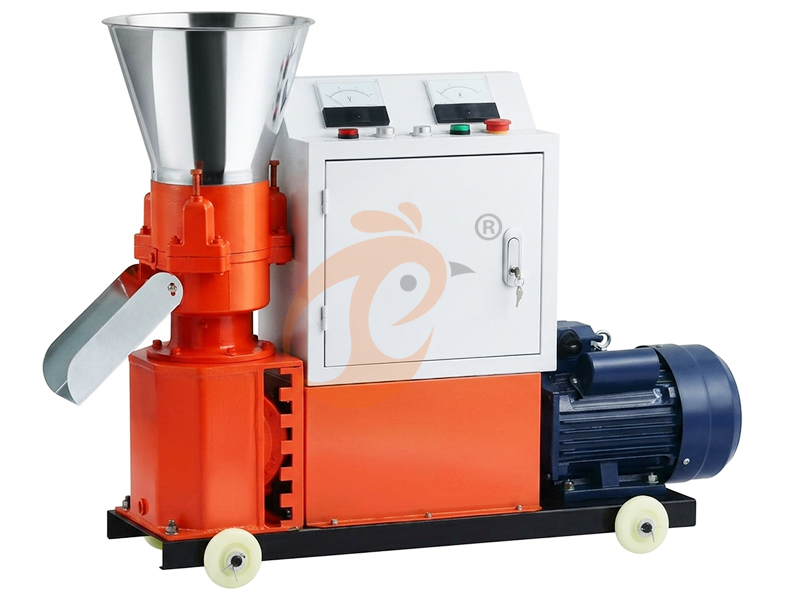
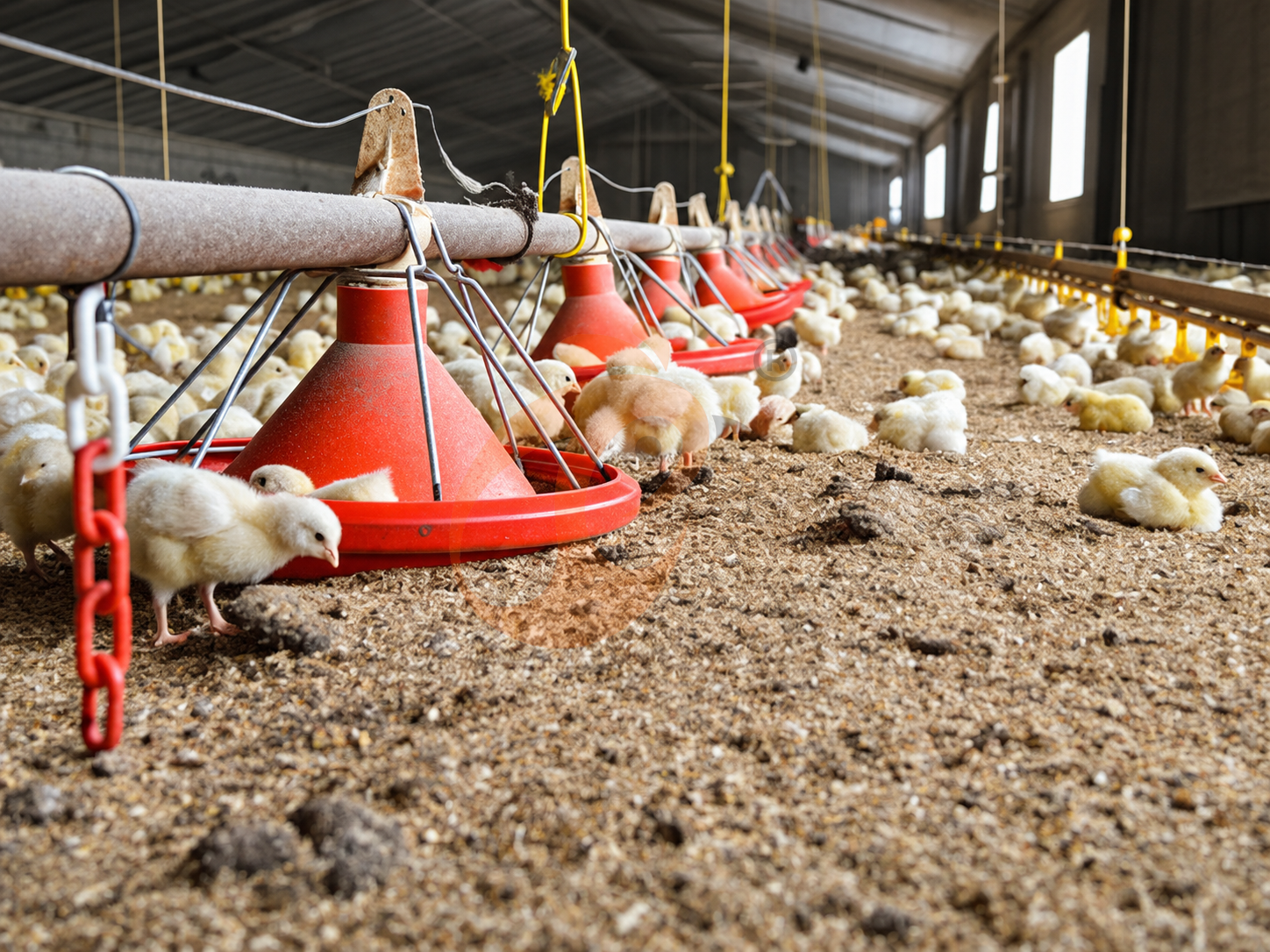
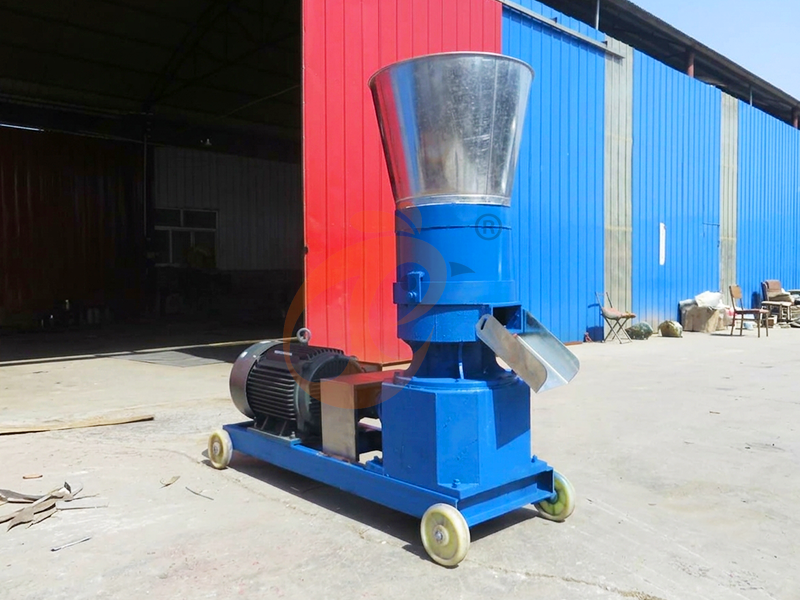
Reception /WhatsApp NO. : +8618830120193.Read more Pellet Machine For Different Feeds | 5 Versatile Applications1. Feed pellet machines support versatile production across 5 feed categories
2. Appropriate die selection helps achieve specified pellet dimensions
3. Integrated preparation equipment improves material handling consistency
4. Cooling and screening support finished pellet quality control
5. Reception /WhatsApp NO. : +8618830120193Read more Floor Rearing System For Layers Price | 6 Key Cost Factors1. Floor rearing equipment coordinates feeding, drinking, nesting, ventilation, and egg collection
2. Automatic systems support consistent workflows across commercial poultry production environments
3. Engineered layouts improve access for inspection, cleaning, and routine maintenance
4. Technical specifications guide equipment selection and project integration
5. Reception /WhatsApp NO. : +8618830120193Read more Commercial Poultry Equipment ROI | 5 Proven Methods To Improve Profit1. Commercial poultry equipment supports more consistent feeding and drinking operations across modern farms
2. Automatic poultry feeding systems help manage feed delivery through coordinated conveying and distribution
3. Poultry ventilation fans support controlled airflow across changing seasonal conditions
4. Integrated equipment planning connects 3 essential systems for practical farm management
5. Reception /WhatsApp NO. : +8618830120193Read more How To Upgrade Traditional Egg Farms With Battery Cage For Layers Systems | 5 Steps1. Automatic feeding systems support consistent feed distribution across poultry houses.
2. Egg collection conveyors help transfer eggs toward centralized collection points.
3. Manure removal systems support routine poultry house waste management.
4. H-type layer cages provide structured layouts for commercial egg production.
5. Reception /WhatsApp NO. : +8618830120193Read more How To Upgrade Traditional Farms With Broiler Chicken Cage Systems | 5 Steps1. Modernize traditional farms with coordinated cage equipment
2. Improve daily operations through reliable automatic feeding
3. Maintain consistent water access with nipple drinking systems
4. Support environmental control with appropriately sized ventilation
5. Reception /WhatsApp NO. : +8618830120193Read more How To Choose Pellet Machine Die Type | 6 Practical Tips1. Die-hole diameter determines nominal pellet size and influences material flow
2. Compression ratio depends on effective hole length and diameter
3. Roller alignment and feed conditioning influence production stability
4. Routine inspection helps identify blockage, wear, and declining output
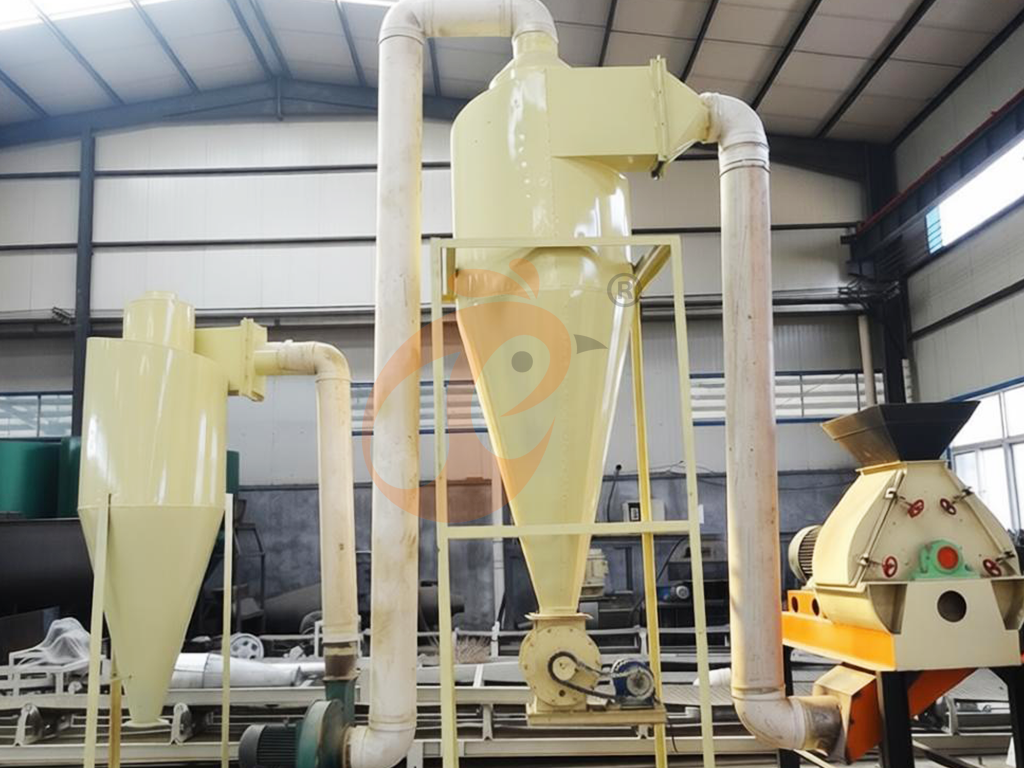
5. Reception /WhatsApp NO. : +8618830120193Read more Feed Mill Grinder Vs Pelleting | Which Improves Feed Quality?1. Grinding establishes ingredient particle distribution before mixing
2. Mixing distributes formulated nutrients across each batch
3. Conditioning prepares feed materials for pellet formation
4. Cooling stabilizes pellets before storage and packaging
5. Reception /WhatsApp NO. : +8618830120193Read more How To Customize H Type Chicken Battery Cages For Your Poultry Farm?1. H type cages integrate feeding, drinking, and manure removal
2. Cage dimensions determine cell layout and bird capacity
3. Ventilation requirements depend on stocking density and climate
4. Automated egg collection connects belts with conveying equipment
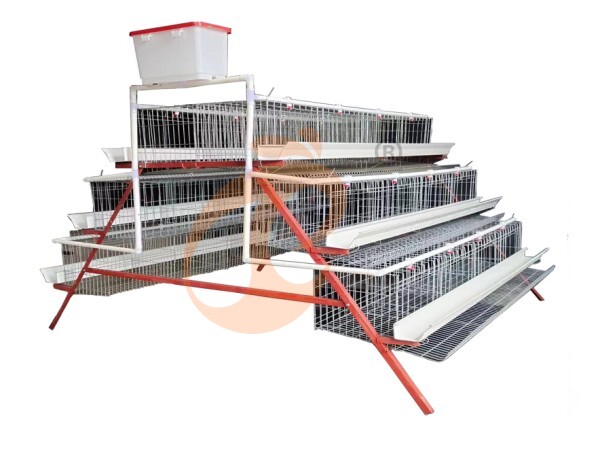
5. Reception /WhatsApp NO. : +8618830120193Read more A Type Battery Cage With Manure Belt Or Scraper: 5 Practical Selection Tips1. A Type battery cages support organized commercial layer housing systems
2. Manure belts transport waste toward designated collection points efficiently
3. Scrapers remove accumulated manure through compatible collection channels
4. Regular inspections help maintain equipment performance and operational reliability
5. Reception /WhatsApp NO. : +8618830120193Read more Deep Litter Layer Farming Cost | 5 Budget Factors1. House dimensions influence feeder placement and ventilation design
2. Feed distribution depends on line capacity and bird access
3. Drinking water pressure requires regular operational checks
4. Ventilation performance depends on airflow and static pressure
5. Reception /WhatsApp NO. : +8618830120193Read more Free Range Layer Farming Cost | 5 Key Budget Factors1. Free range layer systems require coordinated feeding and drinking equipment
2. Ventilation capacity depends on climate and building dimensions
3. Egg conveyors must match expected production throughput
4. Equipment specifications require manufacturer verification before installation
5. Reception /WhatsApp NO. : +8618830120193Read more Floor Rearing Layer Farming | 5 Essential Egg Production Tips1. Floor rearing systems combine bird movement with organized housing layouts
2. Automatic feeding equipment distributes feed along designated lines
3. Drinking systems provide monitored access to clean water
4. Egg conveyors transfer collected eggs toward inspection stations
5. Reception /WhatsApp NO. : +8618830120193Read more How To Choose Affordable Poultry Equipment | 6 Practical Tips1. Farm dimensions determine suitable equipment layout and capacity
2. Flock size influences feeding and drinking system requirements
3. Ventilation calculations account for airflow and temperature conditions
4. Regular maintenance helps preserve equipment performance and reliability
5. Reception /WhatsApp NO. : +8618830120193Read more Battery Cage For Layers Supplier | 6 Practical Evaluation Criteria1. Battery cage layouts support coordinated poultry equipment planning across commercial farm buildings
2. Cage dimensions and tier configurations require verification against approved engineering drawings
3. Feeding and drinking systems require compatible connections and operating specifications
4. Conveyor selection depends on equipment loads and installation geometry
5. Reception /WhatsApp NO. : +8618830120193Read more Broiler Chicken Cage Supplier | 6 Practical Evaluation Criteria1. Cage dimensions determine equipment arrangement and usable housing capacity
2. Frame materials and surface treatments influence corrosion resistance and maintenance requirements
3. Feeding systems distribute feed throughout designated cage sections
4. Drinking lines require suitable pressure regulation and routine inspection
5. Reception /WhatsApp NO. : +8618830120193Read more 5 Essential Tips For Pellet Machine Operator Safety1. Inspect guards and electrical connections before operating pellet machinery
2. Follow approved isolation procedures before cleaning or maintenance
3. Match feed formulation with the selected pellet machine specifications
4. Monitor equipment condition and document abnormal operating findings
5. Reception /WhatsApp NO. : +8618830120193Read more Metal Vs Plastic Augers In Feed Mills | Which Is More Durable?1. Metal auger performance depends on the selected alloy and operating load
2. Plastic auger suitability depends on polymer grade and temperature limits
3. Conveyor capacity varies with feed properties and installation layout
4. Automatic feeding systems require compatible drives and components
5. Reception /WhatsApp NO. : +8618830120193Read more 5 Critical Factors When Buying H Type Chicken Cages For Export1. H Type Chicken Cage dimensions must match approved installation drawings
2. Automatic feeding equipment requires compatible drives and electrical connections
3. Manure conveyor alignment depends on cage layout and discharge position
4. Egg collection capacity requires confirmation against planned production throughput
5. Reception /WhatsApp NO. : +8618830120193Read more Manual Vs Automatic A Type Poultry Cage System: Which Saves More Labor Cost?1. A-type poultry cage systems combine galvanized steel structures with coordinated feeding and watering equipment
2. Automatic egg collection belts reduce manual handling across multiple cage rows
3. Manure removal belts support scheduled waste conveyance and cleaner production areas
4. Ventilation systems regulate airflow according to house conditions and bird requirements
5. Reception /WhatsApp NO. : +8618830120193Read more How To Manage Layers In Deep Litter System | 6 Practical Tips1. Check litter condition during daily poultry house inspections
2. Monitor water consumption and investigate unexpected changes
3. Maintain ventilation equipment according to manufacturer schedules
4. Coordinate egg collection capacity with daily production
5. Reception /WhatsApp NO. : +8618830120193Read more How To Manage Layers In Free Range System | 6 Practical Tips1. Automated feeding systems support controlled feed distribution and inventory monitoring
2. Drinking systems require routine sanitation and hydraulic checks
3. Ventilation equipment needs calibrated sensors and preventive maintenance
4. Egg collection requires careful handling and traceability
5. Reception /WhatsApp NO. : +8618830120193Read more How To Manage Layers In Floor Rearing System | 6 Practical Steps1. Floor rearing systems support organized flock management indoors
2. Proper ventilation helps maintain stable temperature and humidity
3. Automatic feeders distribute feed consistently across bird groups
4. Daily inspections identify equipment issues before performance declines
5. Reception /WhatsApp NO. : +8618830120193Read more Pellet Machine Troubleshooting | 6 Quick Fixes1. Pellet diameter varies with poultry age and formulation requirements
2. Die wear can reduce output and pellet consistency
3. Stable feeding helps maintain uniform production rates during operation
4. Cooling controls moisture and improves finished pellet storage stability
5. Reception /WhatsApp NO. : +8618830120193Read more High-Speed Vs Low-Speed Feed Mixers | Which Mixes Better?1. High-speed paddle mixers improve ingredient circulation through intensive mechanical movement
2. Low-speed ribbon blenders accommodate larger chambers and lower energy consumption
3. Mixing uniformity depends on formulation, batch size, and operating conditions
4. Preventive maintenance supports equipment reliability and consistent production quality
5. Reception /WhatsApp NO. : +8618830120193Read more How To Choose A Reliable H Type Chicken Cage Supplier For Poultry Farms?1. H type chicken cage capacity depends on approved building dimensions and stocking density
2. Automatic feeding and drinking equipment requires compatible layout and capacity calculations
3. Manure removal and egg collection systems require coordinated installation planning
4. Ventilation design must account for flock size, climate, and heat load
5. Reception /WhatsApp NO. : +8618830120193Read more A Type Chicken Cage System For Small Or Large Poultry Farms? 4 Smart Choices1. A type chicken cages support efficient layer housing management
2. Proper ventilation helps maintain healthy poultry house conditions
3. Automated feeding systems improve feed distribution and consistency
4. Regular manure removal helps control ammonia inside poultry sheds
5. Reception /WhatsApp NO. : +8618830120193Read more Deep Litter System For Layers | Egg Production And Cost Analysis1. Floor bedding supports natural scratching and dust bathing behavior
2. Ventilation design helps manage heat, humidity, and airborne contaminants
3. Feeding equipment distributes formulated diets throughout designated feeding areas
4. Nipple drinkers provide controlled access to fresh drinking water
5. Reception /WhatsApp NO. : +8618830120193Read more How To Reduce Operating Costs With Broiler Chicken Cage Systems | 6 Tips1. Multi-tier cage structures organize broiler housing and equipment placement
2. Automatic feeders convey feed from bulk storage to feeding lines
3. Nipple drinking systems distribute water through regulated pipelines
4. Manure belts transfer collected waste toward designated discharge points
5. Reception /WhatsApp NO. : +8618830120193Read more Introduction To Free Range System For Layers Egg Production And Cost Analysis1. Free range layer farming ensures natural egg production
2. Galvanized steel shelters protect birds against harsh weather
3. Pasture access allows hens natural foraging behaviors daily
4. Automated feeders supply precise daily balanced feed portions
5. Reception /WhatsApp NO. : +8618830120193Read more Floor Rearing System For Layers | Cost, Egg Production And Management Tips1. Floor rearing systems require consistent daily flock monitoring
2. Feed and water records reveal changes in consumption
3. Nest management helps reduce floor eggs during production
4. Ventilation settings should match flock age and climate
5. Reception /WhatsApp NO. : +8618830120193Read more How To Plan Poultry Farm Equipment Budget | 6 Key Factors1. Farm capacity determines equipment quantities and configuration
2. Technical specifications support accurate supplier quotation comparisons
3. Installation costs should be included before project approval
4. Maintenance planning helps control long-term operating expenditure
5. Reception /WhatsApp NO. : +8618830120193Read more How To Reduce Operating Costs With Battery Cage For Layers Systems | 6 Tips1. Structural Assembly: Galvanized steel cage frames support integrated poultry housing and equipment installation
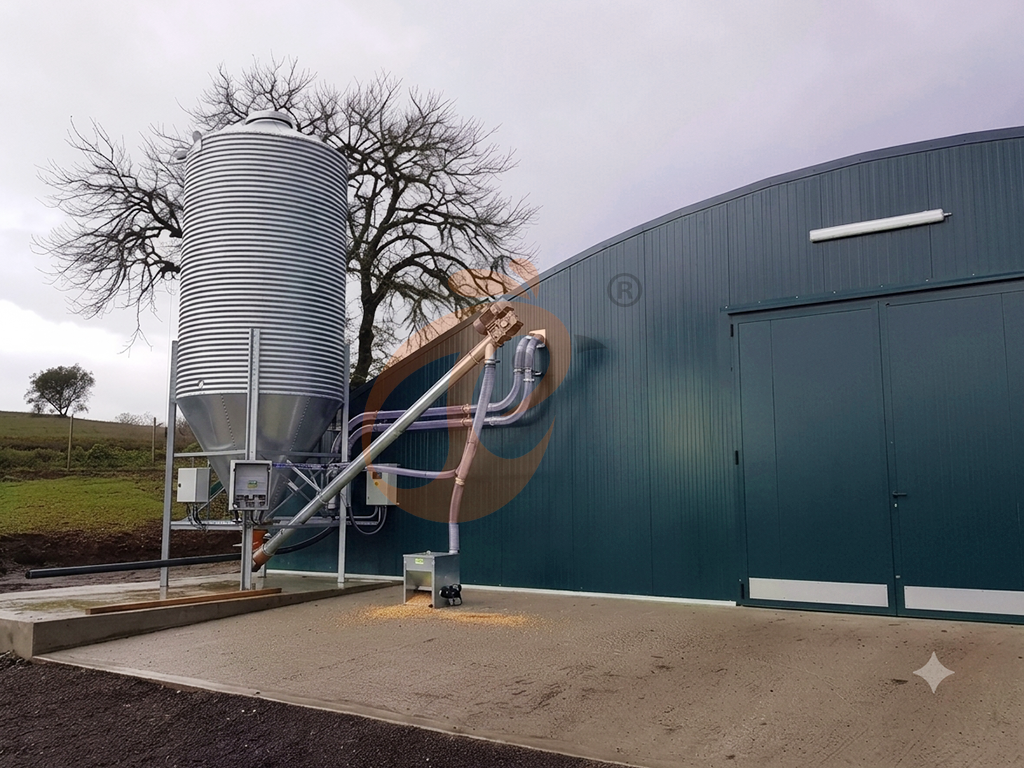
2. Feed Distribution: Automatic conveyors transport feed from storage silos to cage-row troughs
3. Water Delivery: Nipple drinkers, pressure regulators, and filters provide controlled water distribution
4. Egg Transportation: Longitudinal and cross conveyors move eggs toward centralized collection facilities
5. Reception /WhatsApp NO. : +8618830120193Read more How To Increase Pellet Machine Output | 5 Proven Methods1. Pellet diameter affects compression requirements and finished-feed handling.
2. Conditioning supports moisture distribution before compression and improves process consistency.
3. Cooling stabilizes finished pellets before screening and packing.
4. Screening separates fines and protects packing-line consistency.
5. Reception /WhatsApp NO. : +8618830120193Read more Continuous Vs Batch Feed Mills | Which Fits Chicken Farms?1. Feed production normally follows receiving, grinding, dosing, mixing, pelleting, cooling, screening, and storage
2. Ingredient characteristics influence grinding settings, mixing requirements, conditioning parameters, and pellet formation
3. Continuous systems emphasize stable material movement through coordinated processing equipment
4. Batch systems organize production around defined weighing, mixing, and formula-change cycles
5. Reception /WhatsApp NO. : +8618830120193Read more Imported Vs Local H Type Chicken Battery Cages: Which Offers Better Quality?1. H Type Chicken Battery Cage layouts require coordinated house dimensions
2. Multi-tier cage structures support organized commercial layer production
3. Automatic systems connect feeding, drinking, manure, and egg handling
4. Engineering drawings define interfaces before equipment manufacturing begins
5. Reception /WhatsApp NO. : +8618830120193Read more A Type Battery Cage For Layers Vs Broilers: Which System Is More Suitable?1. A Type Battery Cage requires coordinated structural and utility planning
2. Layer housing layouts determine equipment positioning and service access
3. Automatic feeding reduces repetitive manual feed distribution work
4. Manure handling requires suitable conveyor or scraper interfaces
5. Reception /WhatsApp NO. : +8618830120193Read more
Search
Hot product
 IoT Poultry Farming System1. CO₂ 0–5,000 ppm range
2. NH₃ 0–100 ppm
3. RH ±3%
4. Thresholds in the 10–25 ppm range
5. Reception /WhatsApp NO. : +8618830120193Read more Overall Structure IoT System In The Farm1. Breeding planning framework
2. CCTV
3. Poultry digital platform - comprehensive large screen
4. Alarm management
5. Reception /WhatsApp NO. : +8618830120193Read more Poultry House Environmental Control Smart IoT System1. Precision ventilation
2. Full site equipment control
3. Self diagnosis alarm system
4. European standard hardware
5. Reception /WhatsApp NO. : +8618830120193Read more

Contact us
Phone(whatsapp No. ):
E-mail:
Office 1 (Hong Kong):
Flat/RM A, 15/F, ManlyCommercial Building 15 Soy Street, Mong Kok
Office 2 (China Mainland):
Flat/RM 2416, 24/F, Runxing Building, Youyi Nan Street, Shijiazhuang City, Hebei Province