



‹
›
‹
›
IoT Poultry Farming System
2. NH₃ 0–100 ppm
3. RH ±3%
4. Thresholds in the 10–25 ppm range
5. Reception /WhatsApp NO. : +8618830120193
Product details
"Quick Viewing Of IoT Smart Poultry Farming System"
1. Smart Poultry Farm Case Showing From Taiyu (HK) Group
At 0:34s showing Vcloud smart poultry system working to help you learning how smart poultry farming system working.
The video is suitable for viewing on vertical screen devices. Please open and watch it using a mobile phone or iPad.
2. Why Choose Taiyu (HK) Group
Here is a 15 mins video showing Taiyu (HK) Groups 's poultry farm equipment, production department, QC, logistics department, customer cases...
Integrated Farm Construction
Taiyu (HK) Group provides a one-stop integrated farm solution, from planning and design to construction and operation, covering poultry and livestock farming, vegetable greenhouses, smart greenhouses, and ecological recycling systems, with successful demonstration projects implemented in Europe, Africa, and Southeast Asia.
Intelligent Management System
By integrating artificial intelligence and IoT technologies, Taiyu (HK) Group enables real-time monitoring, automated control, and data analysis of farm environments, equipment, feed distribution, and production processes, improving efficiency and productivity while complying with European modern agricultural standards.
Sustainable Innovation
Through precision farming, energy saving, emissions reduction, and data-driven decision-making, Taiyu (HK) Group promotes agricultural modernization, enhances product quality and international competitiveness, and fully meets European green agriculture and sustainability requirements.
Short summary (one-sentence): Use the right sensors + reliable local control + appropriate communications to make feeders, drinkers, fans and manure systems work together — reducing illness, labour and surprises.
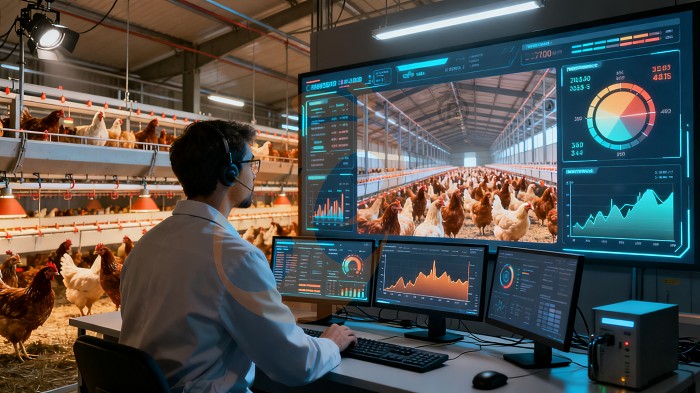
Full Data Collection
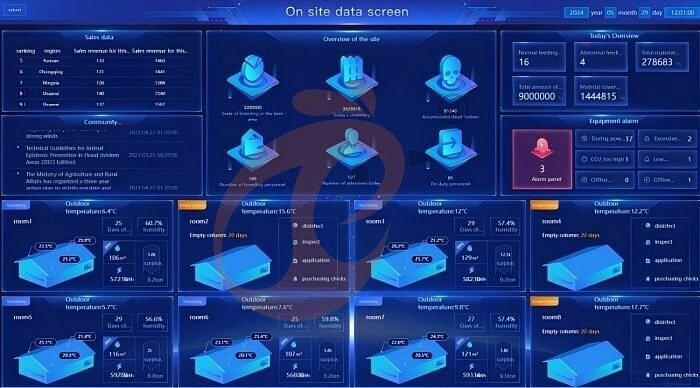
On Site Data Screen
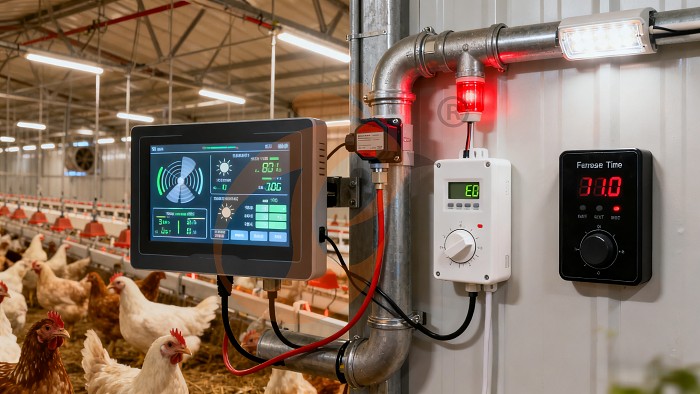
Hardware Device In Poultry Farm
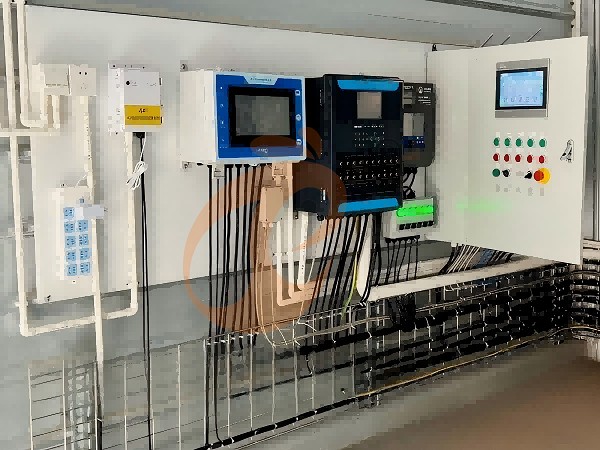
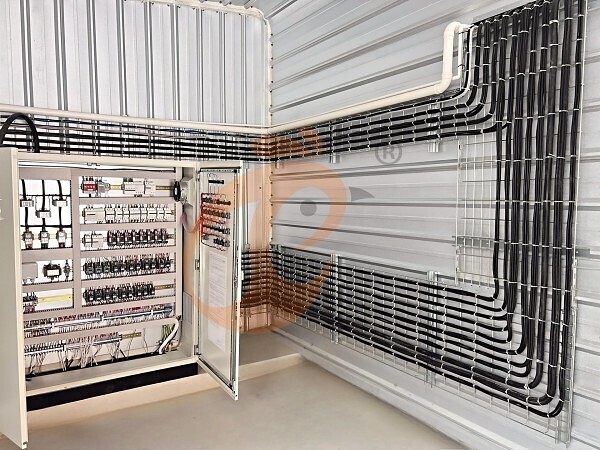
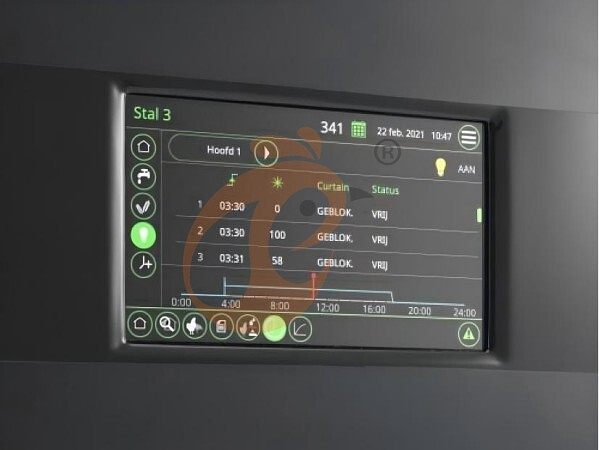
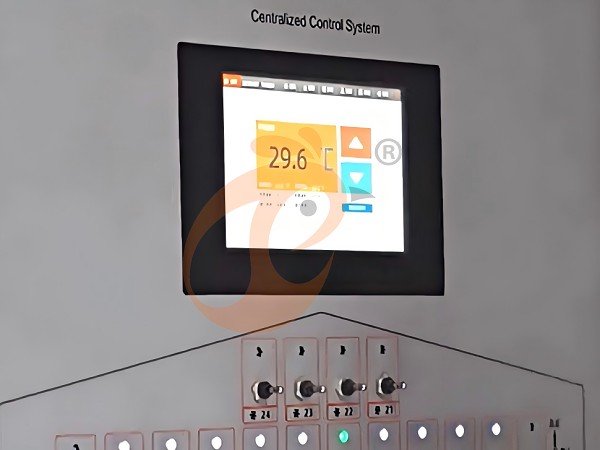
This article is aimed at people who want a practical, stepwise plan (not high-level theory).
The first two-thirds focus on the IoT product layers and how they directly control cage/house equipment. The final third covers complementary house systems and practical deployment tips.
"European Standard IoT Poultry Farming System"
3. A Different Way To Think About IoT: Four Layers
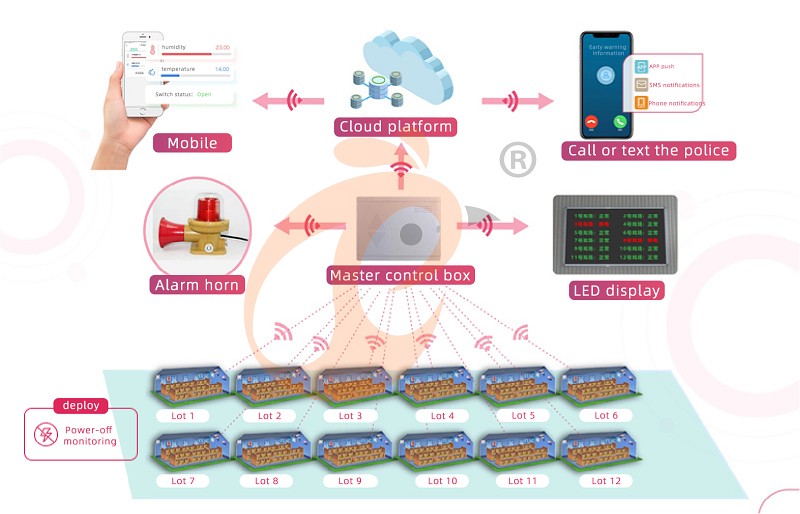
You can picture an IoT poultry system as four layers stacked on top of each other, each with its own clear role and outcome.
Think of it as building a reliable house: sensors are the "eyes", controllers are the "brain", communications are the "nerves", and the cloud is your "memory and dashboard".
IoT System Layers
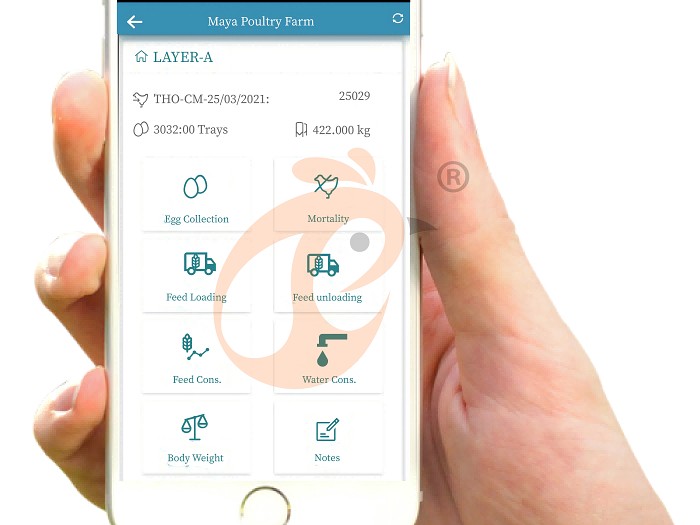
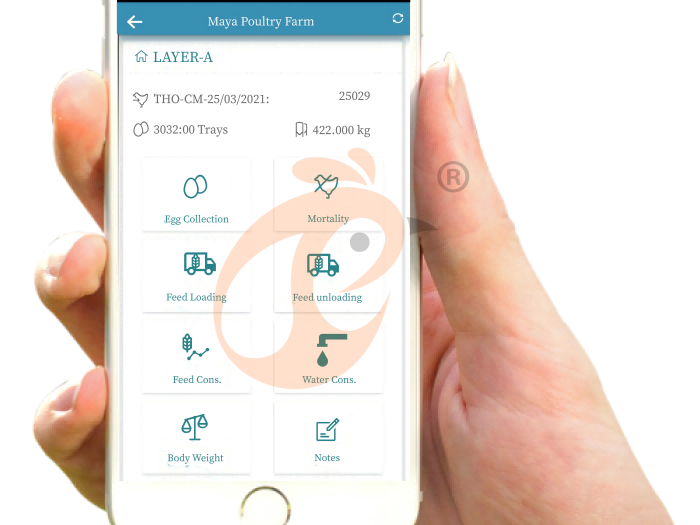
Mobile Managing App
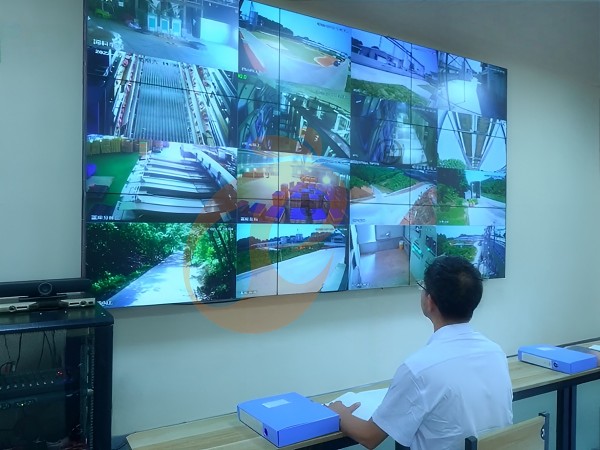
CCTV Center
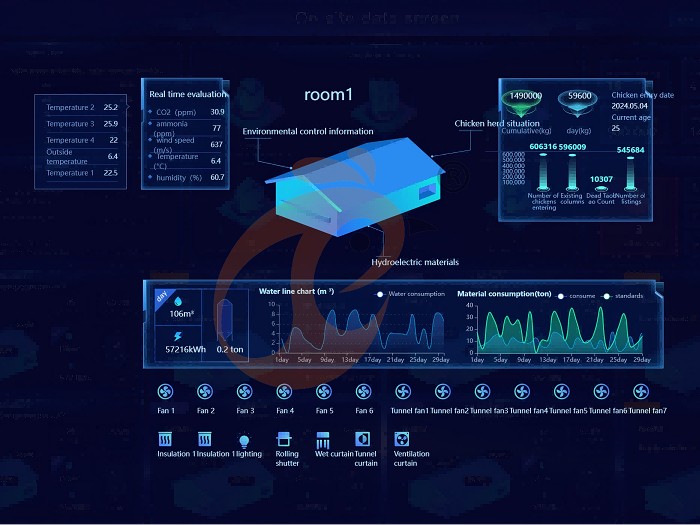
Data Screen
The data is for reference only.
A well-layered system ensures your birds stay protected even if the internet goes down — because life support happens locally, not in the cloud. That's true resilience.
"The Advantages Of IoT Poultry Farming System"
4. How IoT Actually Controls House Equipment
Below are typical, practical sensor–controller–actuator pairings that deliver immediate, measurable results. Each is a proven way to cut risks and daily workload..
(1) Temp Sensor (Bird Level) → Edge Controller → Fan Vsd / Inlets
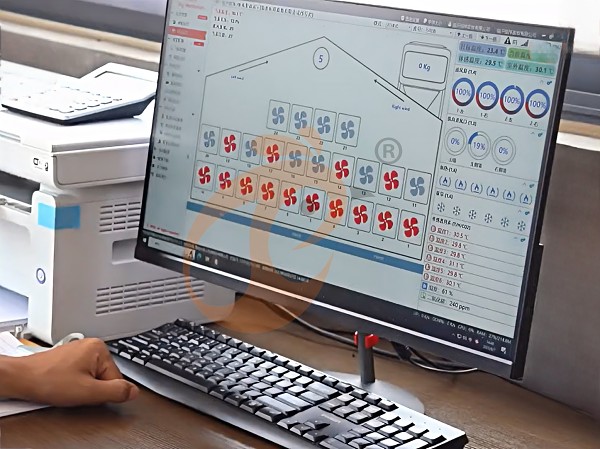
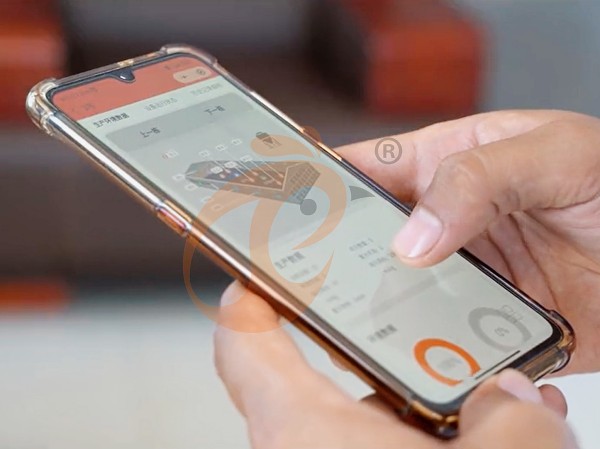
Edge rules can ramp fan speed as house temp rises; VSD fans smooth transitions and save electricity.
Large commercial axial fans are commonly used; some industrial fans for poultry are rated in the tens of thousands m³/h (examples around 40–44k m³/h are available from commercial suppliers).
When choosing a fan, check the rated airflow at working static pressure (real-life performance differs from lab specs).
(2) Nipple Drinker Flow Measurement → Alarm & Local Cut-List
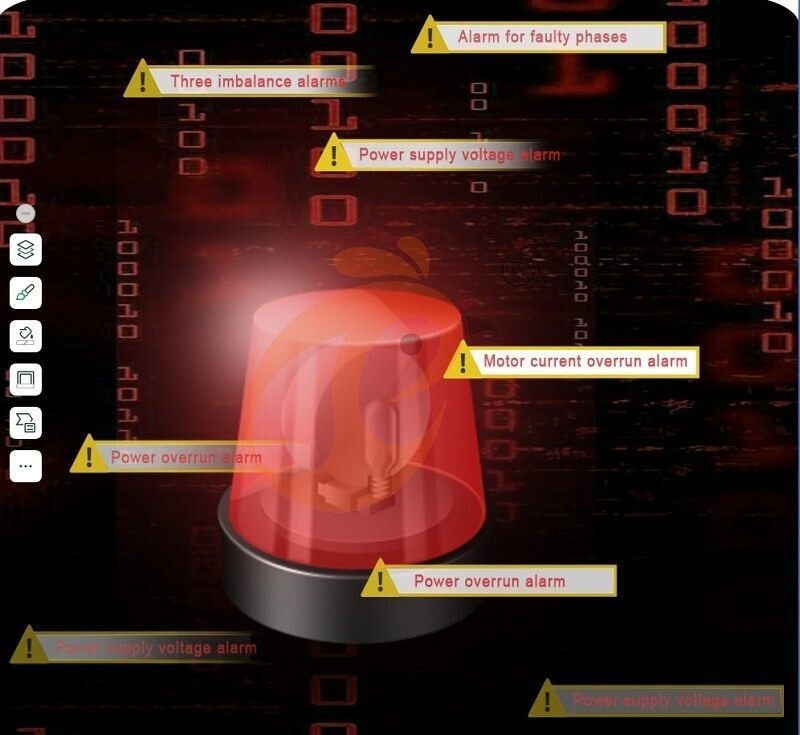
Measuring the milliliters per minute at representative nipples is a routine management task.
Breeder/integrator guides give stepwise flow recommendations by age; simple in-house checks (30-second catches multiplied to get ml/min) are standard practice.
Automating alarms when flow falls below expected values avoids dehydration and wet litter.
(3) NH₃ (Ammonia) Sensor → Manure Run Logic
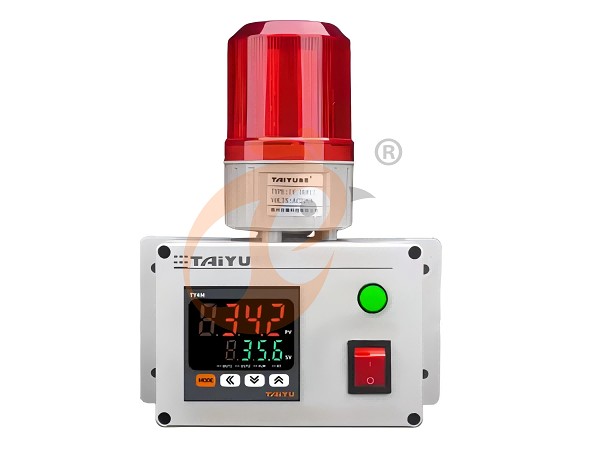
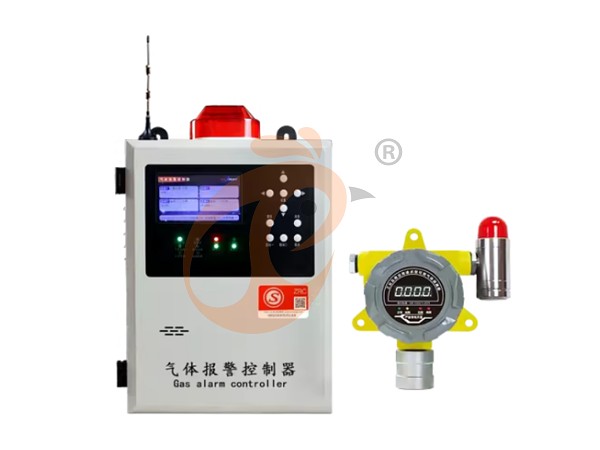
If ammonia trends up, the controller can trigger extra belt cycles or increase ventilation.
Ammonia sensors drift and need calibration, but having even approximate continuous readings is better than relying on smell alone.
Industry guidance ties alarms and remediation actions to thresholds in the ~10–25 ppm range.
(4) Feed Motor Run Detection → Feed Delivery Verification
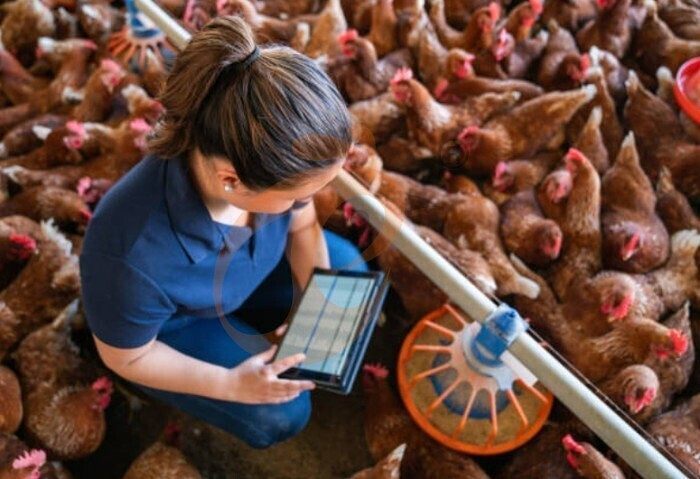
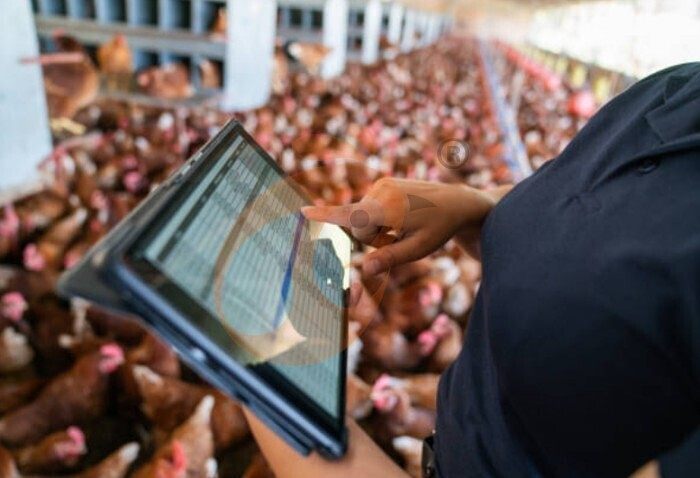
Monitoring motor current / runtime combined with feed-level sensors in silos flags auger jams or empty bins early.
"Why Choose IoT Poultry Farming System"
5. Choosing Communications: Which Is Right For Your Farm?
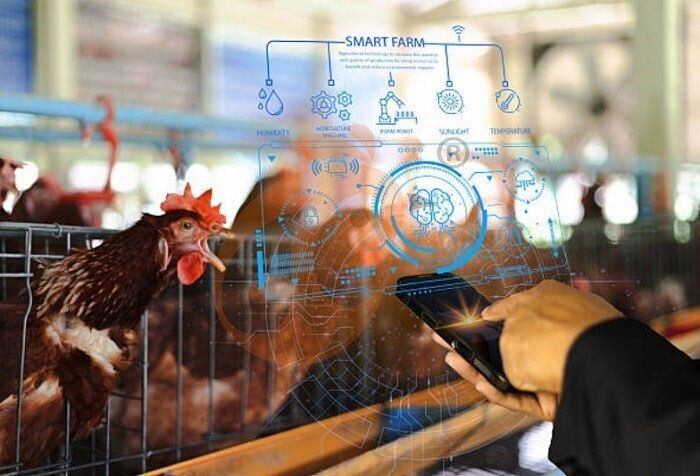
Smart Poultry Management
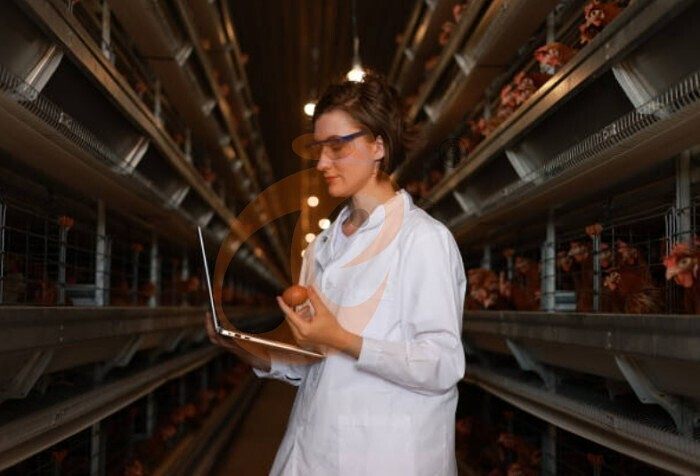
Smart Poultry Management
There are three practical options, each with pros and trade-offs
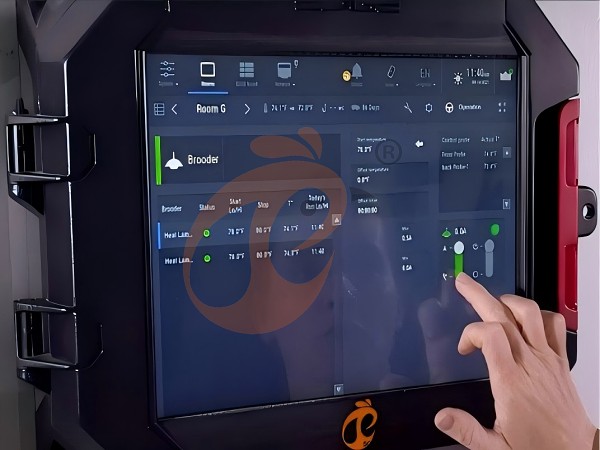
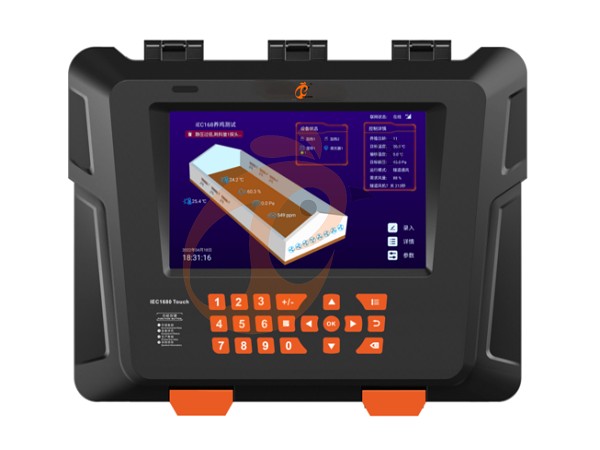
Wi-Fi — High bandwidth, low cost for local networks, but limited range and non-ideal for battery sensors.
LTE / Cellular — Wide coverage and easy remote access, but recurring SIM/data costs and higher power.
LRWAN — Low power, long range, built for sensors sending small packets; excellent for battery-powered environmental sensors across multiple houses. LRWAN solutions are already being deployed on enterprise poultry farms for monitoring and telematics.
Common hybrid pattern: Sensors → LRWAN to gateway → gateway uploads via Wi-Fi or LTE to cloud.
The right communications mix ensures that your system grows with your farm — whether you're managing one house or a multi-site operation.
6. Sensor And Device Selection
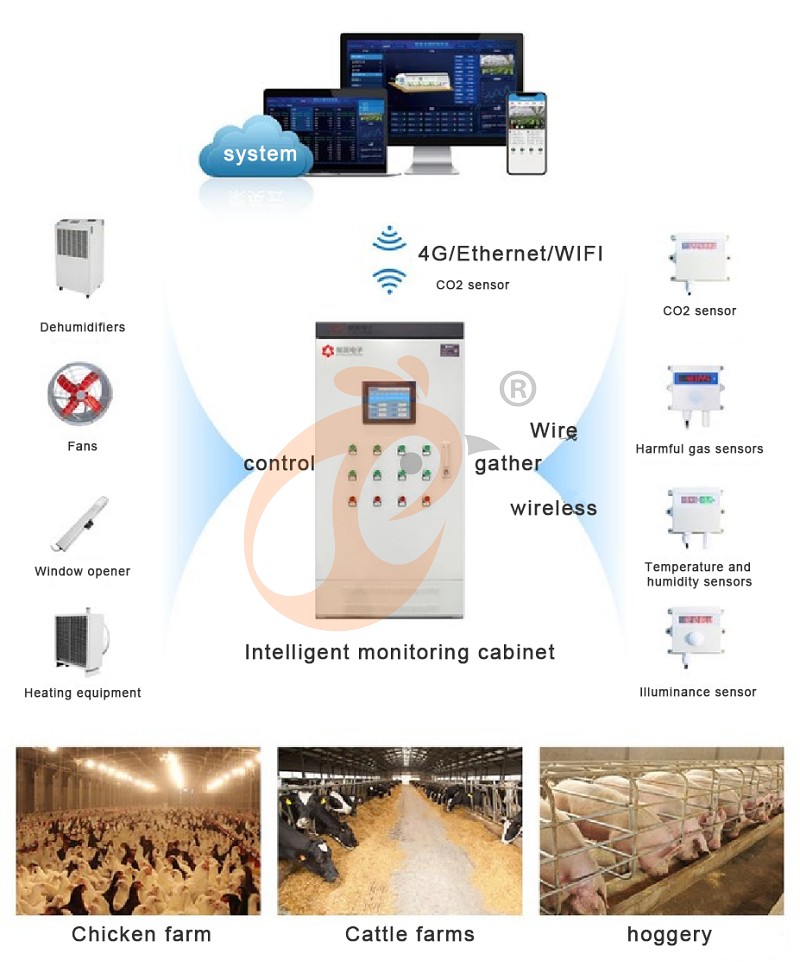
Overall Poultry Farm Arrangement
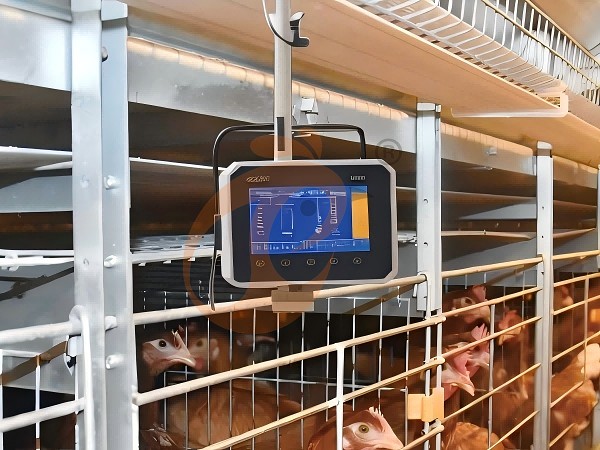
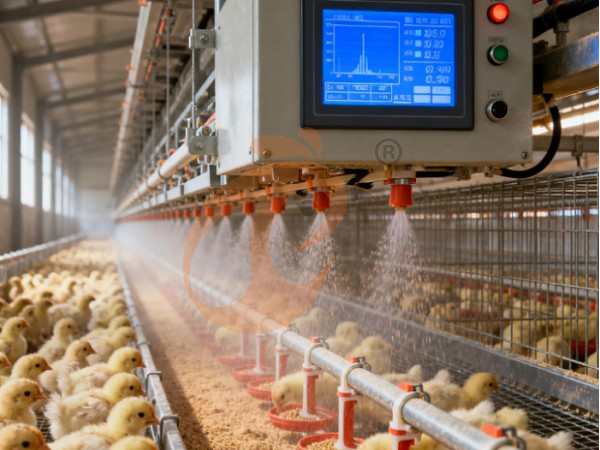
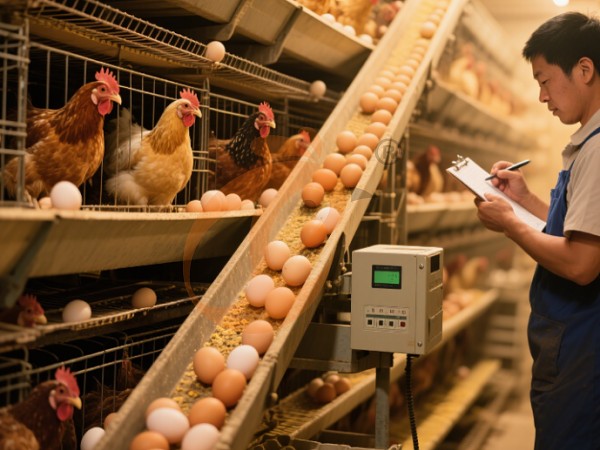
Choosing reliable hardware is essential. Cheap sensors that drift or fail can create more problems than they solve. Below is a quick reference.
Sensor Selection Cheat-Sheet
For reference only, the exact size is based on our exact quotation.
Investing in a solid sensor backbone pays off every day — through fewer surprises, tighter control, and higher flock performance.
7. Integrating IoT With The Rest Of The House
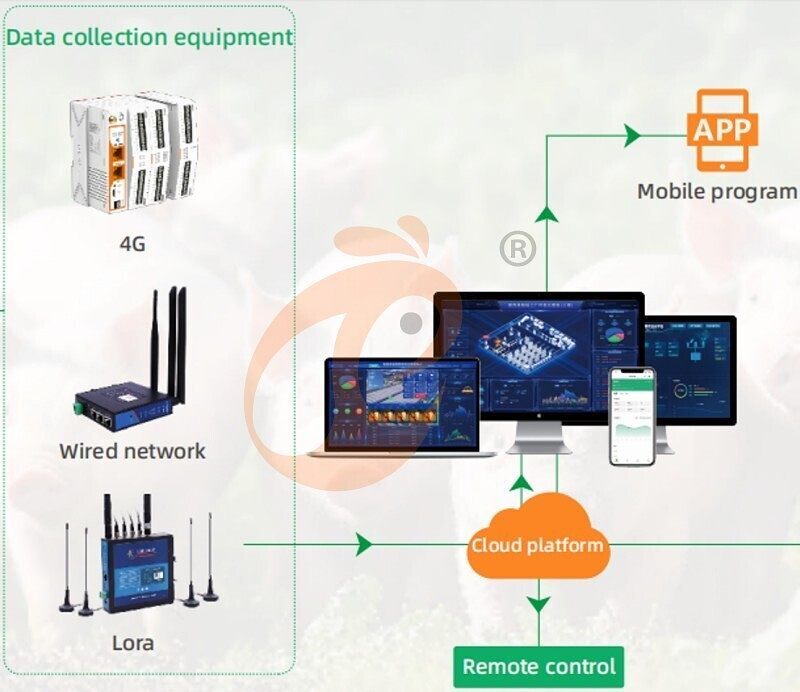
Layout Of Software And Hardware
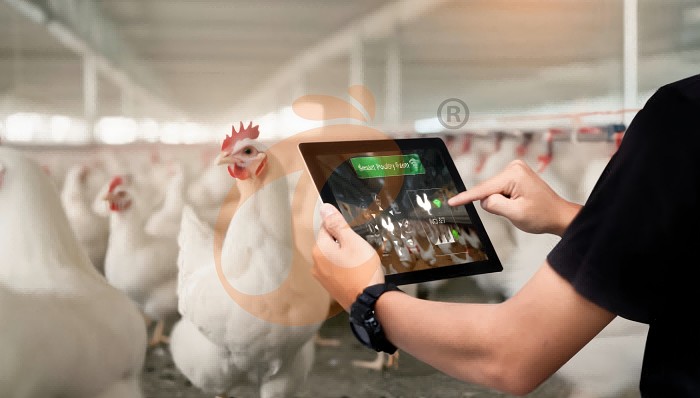
Poultry Farm-Cloud Controlling
IoT doesn't replace existing systems — it makes them smarter. Here are common integrations:
(1) Feed Silos & Augers
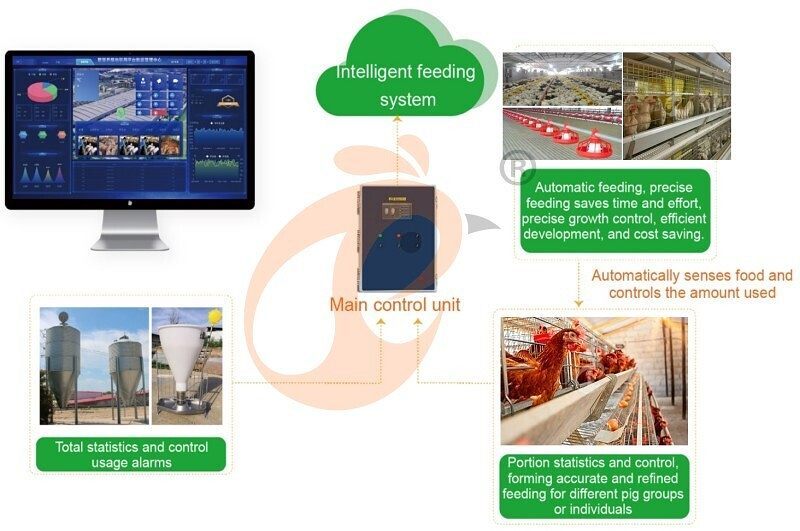
IoT monitors weight or motor runtime to detect empty bins or jams.
We and similar manufacturers provide silo + feedline solutions; IoT adds monitoring and alarms.
(2) Manure Belts
IoT schedules runs by time or condition (ammonia/humidity triggers).
Load sensors on belt motors catch jams. This reduces manual checks and prevents overnight failures.
(3) Cooling Pads System/ Wet Curtain Systems
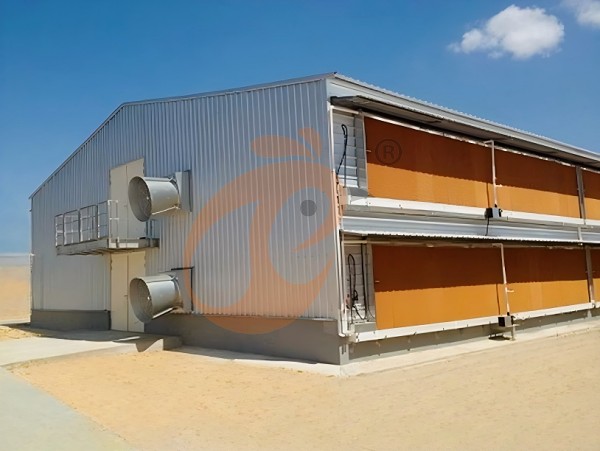
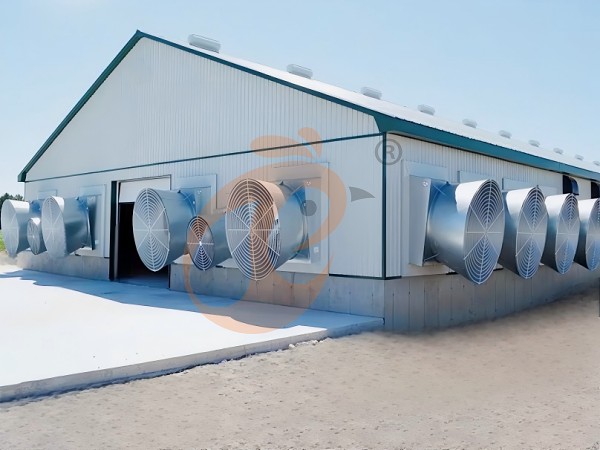
Controlled by temp and RH set-points; IoT can prevent over-use (which would raise humidity) by only running pumps when net cooling benefit is expected.
(4) Lighting & Behaviour Analysis
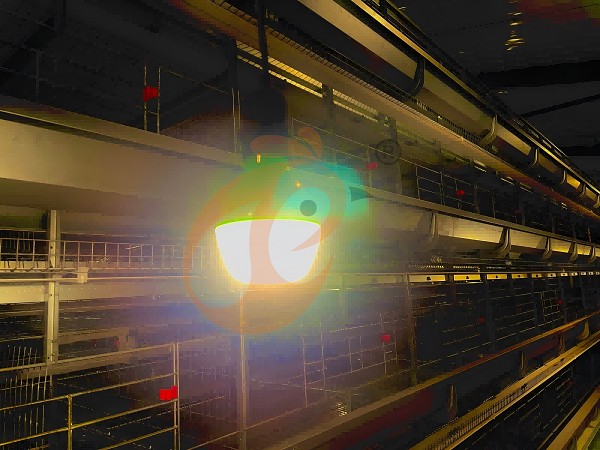
Cameras with edge analysis can detect abnormal clustering or reduced movement (early disease warning) and trigger staff checks.
By integrating IoT, every component in your house works in harmony — like an orchestra with a skilled conductor.
8. Quick Implementation Road Map — Realistic Steps
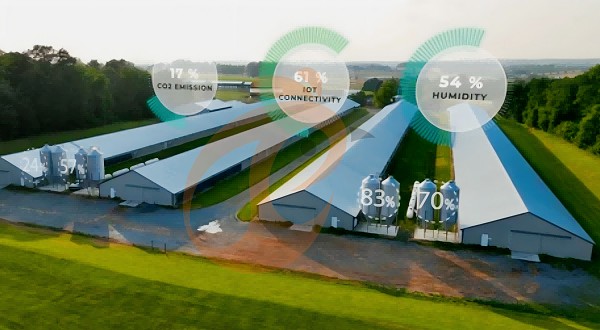
You don't need to do everything at once. Start with your biggest risk point and build up layer by layer.
The data is for reference only.
With a clear road map, farms can achieve tangible improvements in just a few weeks, not months — and each step delivers immediate value.
9. One-Page Checklist Before You Commit

Which three measures matter most for your house? (temp, water flow, ammonia is a common trio)
Can the controller act locally without internet? (must be yes)
Are ammonia and CO₂ sensor specs and calibration intervals documented?
Does your (LRWAN vs LTE vs Wi-Fi) match house layout and budget?
Is staff trained to interpret alarms and perform quick fixes?
A quick pre-check can save you costly missteps — and make sure your IoT system fits your farm like a glove.
Certified



Tag
Message
Search
Product category
Contact us
Phone(whatsapp No. ):
E-mail:
Office 1 (Hong Kong):
Flat/RM A, 15/F, ManlyCommercial Building 15 Soy Street, Mong Kok
Office 2 (China Mainland):
Flat/RM 2416, 24/F, Runxing Building, Youyi Nan Street, Shijiazhuang City, Hebei Province