



‹
›
‹
›
Ventilation And Temperature Control Systems
2. Keep relative humidity below 75%
3. Brooding chicks 32–35°C
4. Density 450–500 cm²/bird
5. Reception /WhatsApp NO. : +8618830120193
Product details
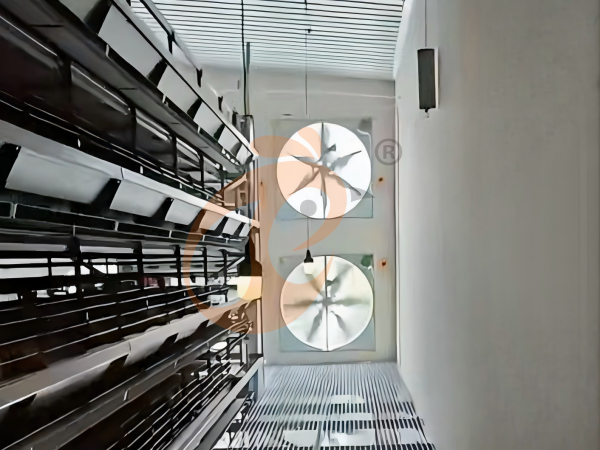
In modern poultry farming, cages serve as the home for birds, while ventilation and temperature control systems act as the lungs and thermostat.
Proper airflow and precise climate regulation are essential for bird welfare, health, and production performance.
Across layers, broilers, and pullets, tailored environmental control ensures optimal feed conversion, growth, and egg production.
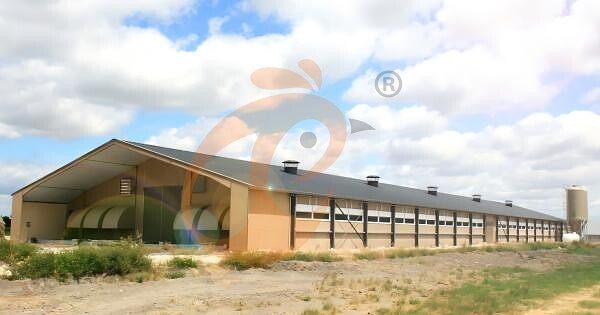
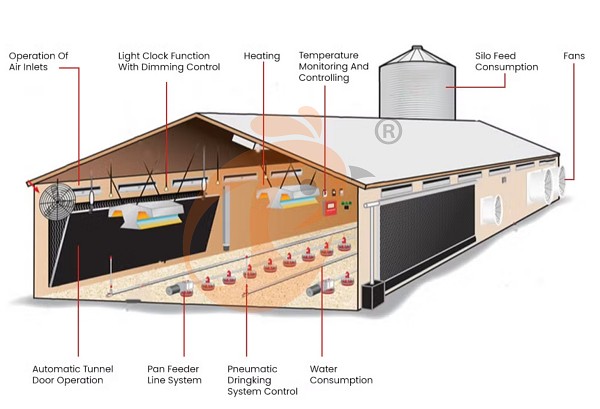
"European Standard Ventilation And Temperature Control Systems"
1. Core Principles: Ventilation And Temperature Control
(1) Ventilation — The "Breathing" Of The House
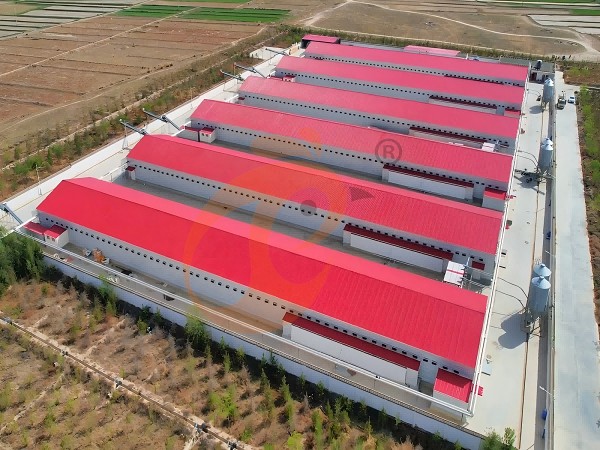
Ventilation In Our Farm Project
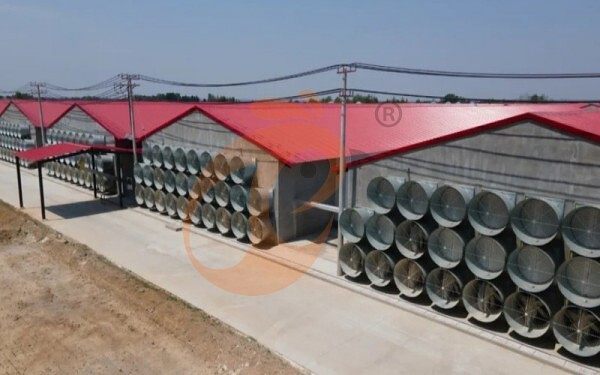
Ventilation in caged systems achieves three key objectives:
Gas removal: Maintain ammonia below 10 ppm and CO₂ below 3,000 ppm to prevent respiratory stress.
Temperature and humidity regulation: Keep relative humidity below 75% to prevent wet litter and bacterial growth.
Oxygen supply: Satisfy metabolic needs of dense flocks efficiently.
Common Ventilation Modes
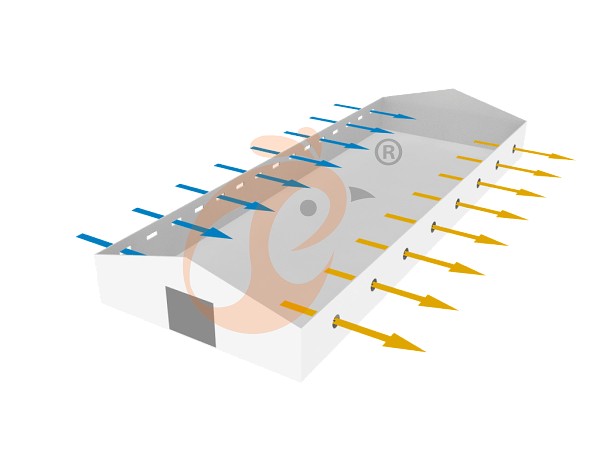
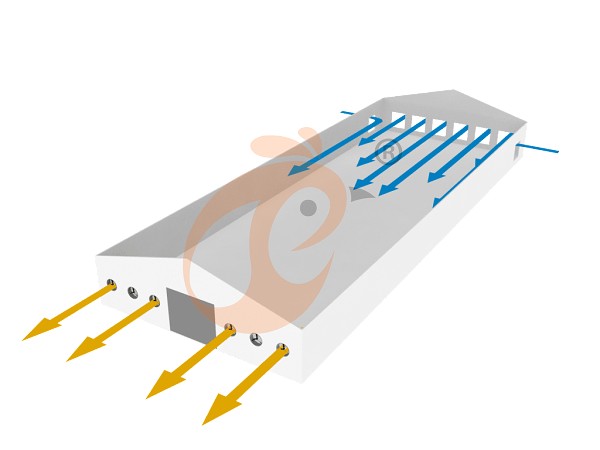
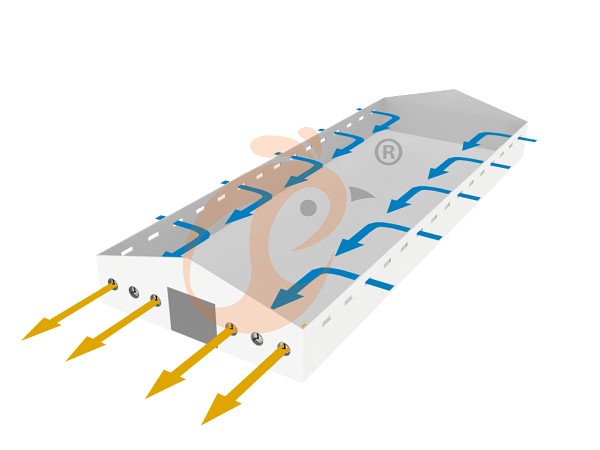
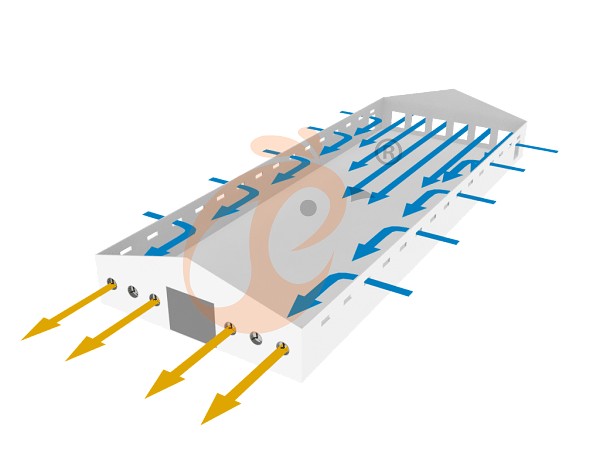
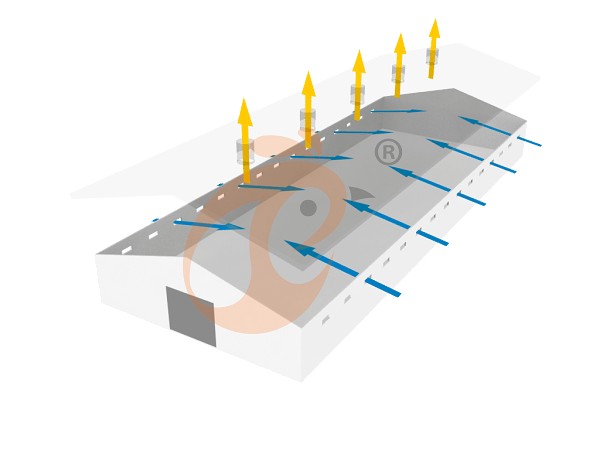
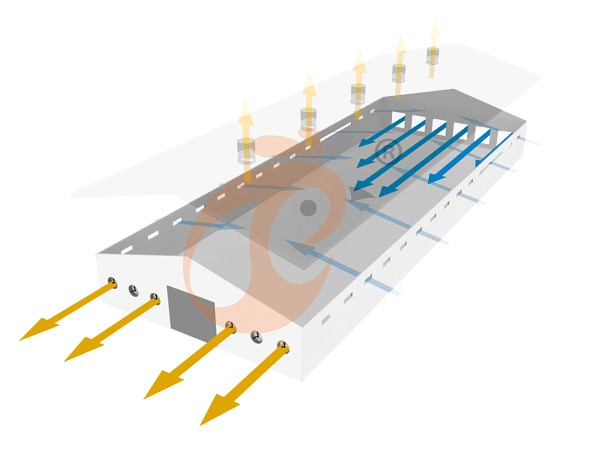
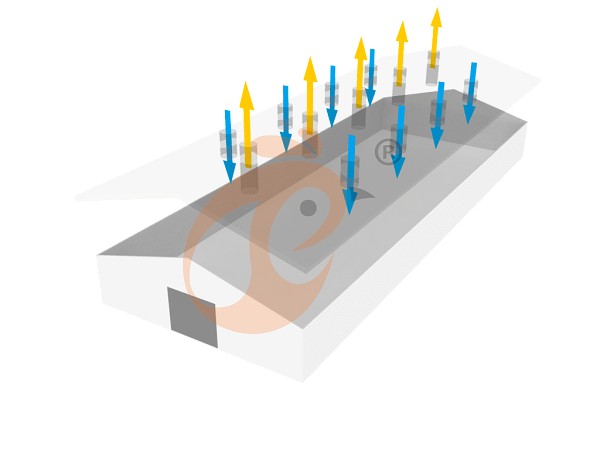
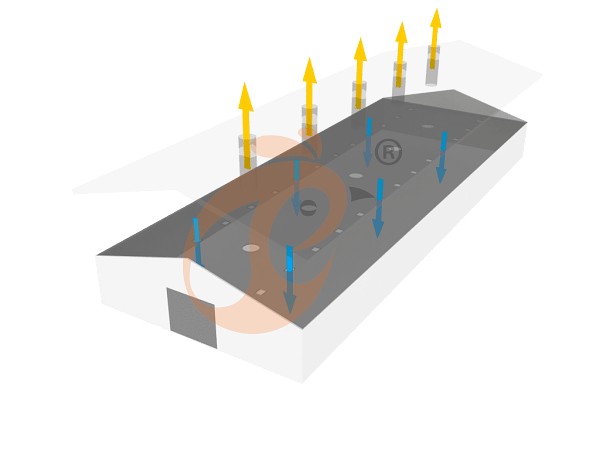
(2) Temperature Control — The "Thermostat" Of The House
Temperature directly affects growth, feed efficiency, and immunity.
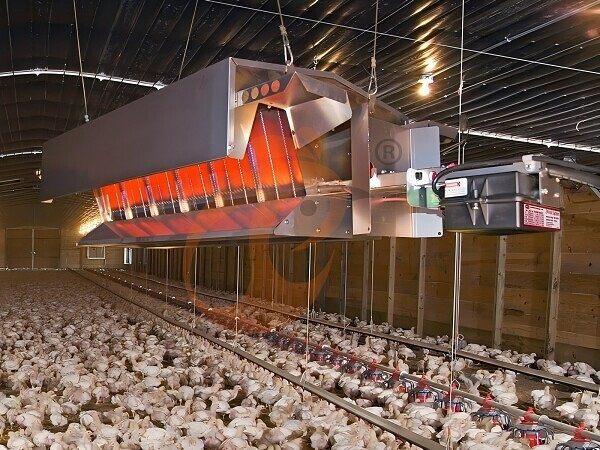
Heater
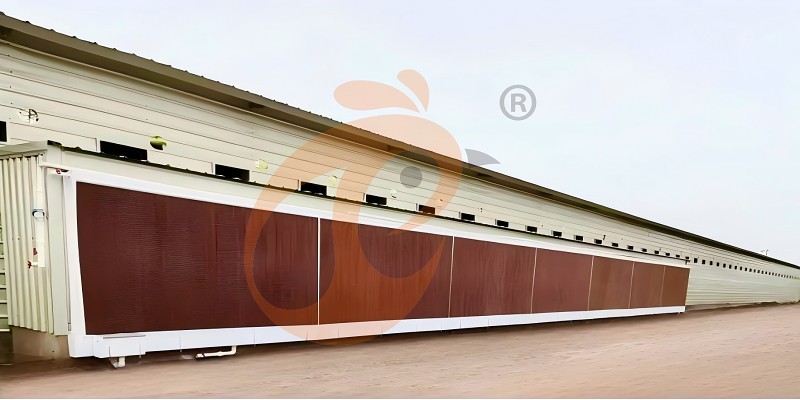
Cooling Pad
Specific configurations subject to customer requirements.
Automatic thermostats with ±1°C precision are standard, often using zonal sensors to prevent uneven temperatures in multi-tier setups.
(3) Coordinated Operation Of Ventilation And Temperature
These systems operate together to maintain comfort and efficiency:
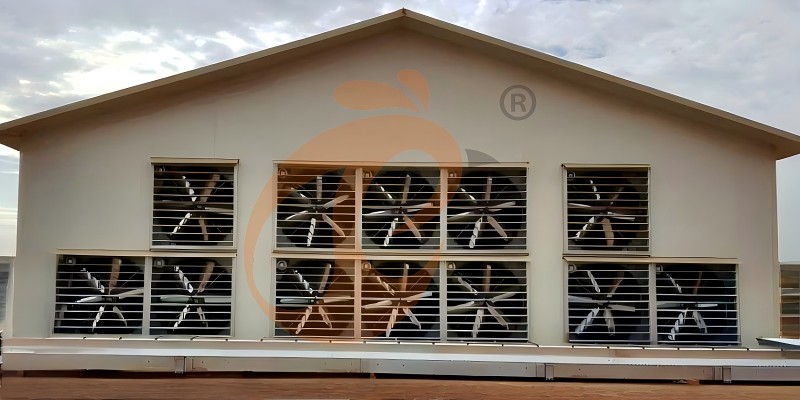
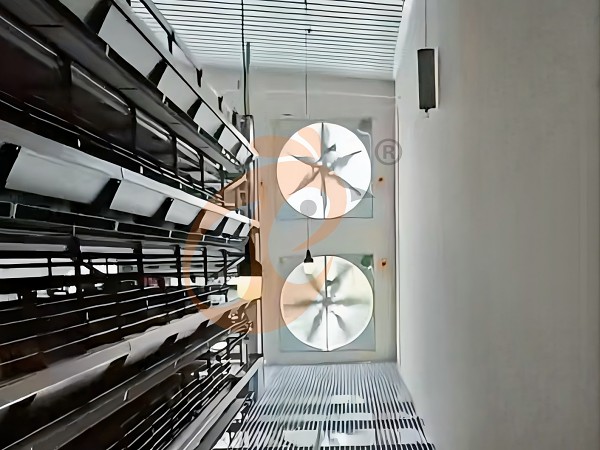
Fans
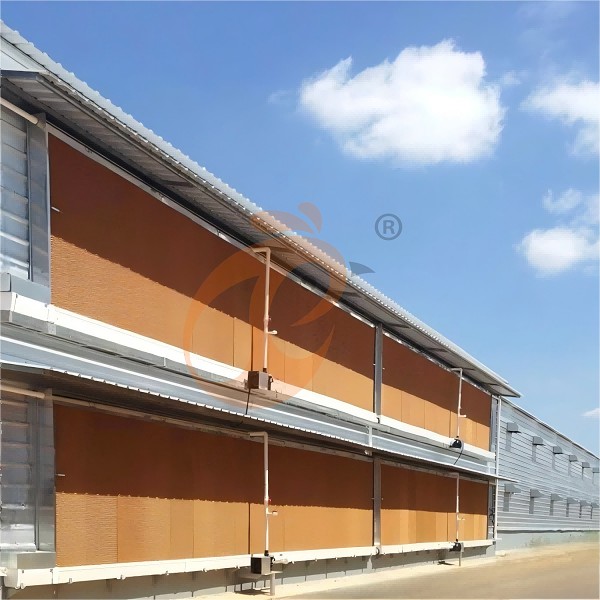
Cooling Pad
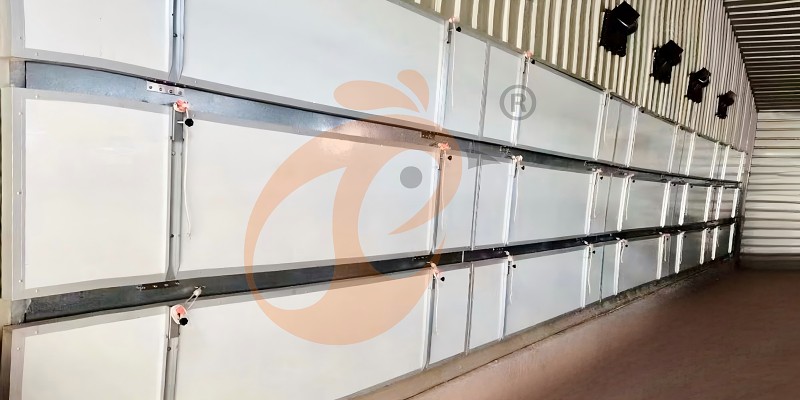
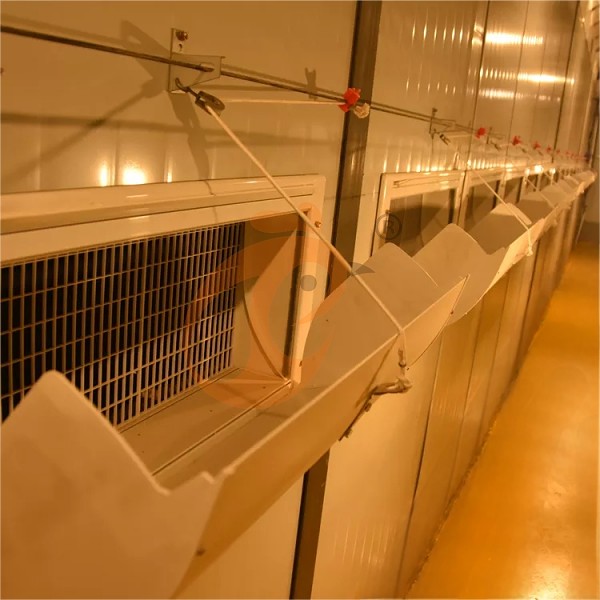
Air Inlet Window
Layout data: Operational strategy for reference only.
"Why Choose Ventilation And Temperature Control Systems"
2. Applications Across Poultry House Types
Different poultry types require tailored strategies for ventilation, temperature, and cage design.
(1) Laying Hen Houses
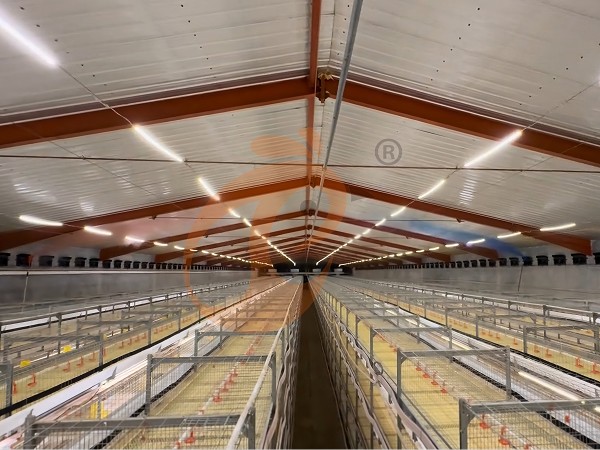
Cage System
Deep Litter System
High-producing layers generate heat and moisture that must be managed for consistent egg production.
Ventilation: Side or mixed modes in spring/autumn; tunnel in summer with 50–55 exchanges/hour.
Temperature: Optimal 22–24°C; brooding chicks 32–35°C.
(2) Broiler Houses
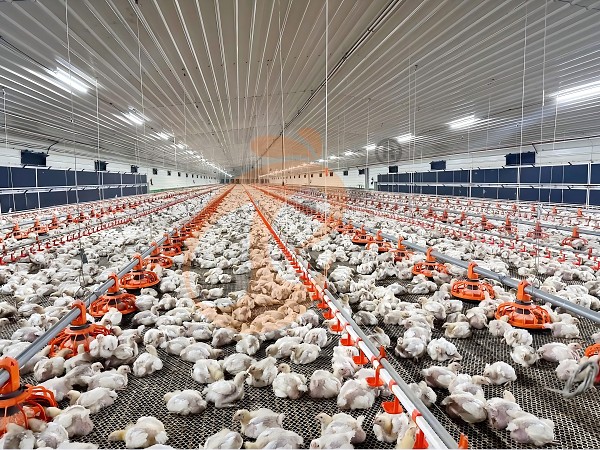
Broiler Deep Litter System
Fast-growing broilers produce significant metabolic heat requiring high ventilation efficiency.
Ventilation: Tunnel in summer (2–3.5 m/s), side in winter with 4–8 exchanges/hour.
Temperature: Brooding 32–35°C, finishing 28–22°C.
Reference only; adjust for flock stage.
(3) Pullet / Small Egg Chicken Houses
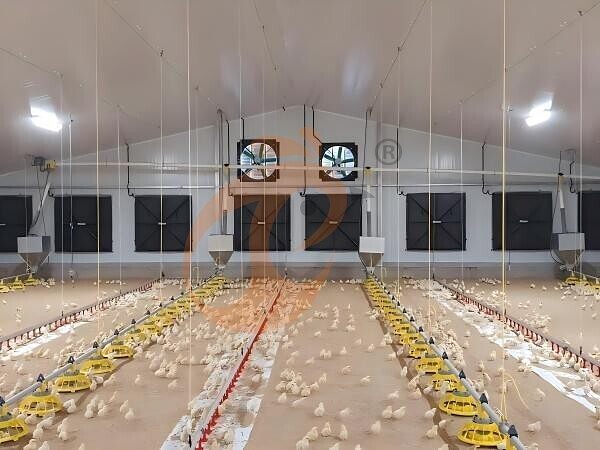
Pullet Deep Litter System
Pullets need precise climate control for early development and strong future performance.
Ventilation: Side or mixed mode, low-speed to prevent drafts; 4–6 exchanges/hour winter, 20–30 summer.
Temperature: Brooding 32–35°C, gradually reduced; growing 22–28°C.
Layout data: For reference only.
"Tips Of Managing Poultry Farm And Poultry Farm"
3. Farm Application Case — Integrating Ventilation And Temperature Control

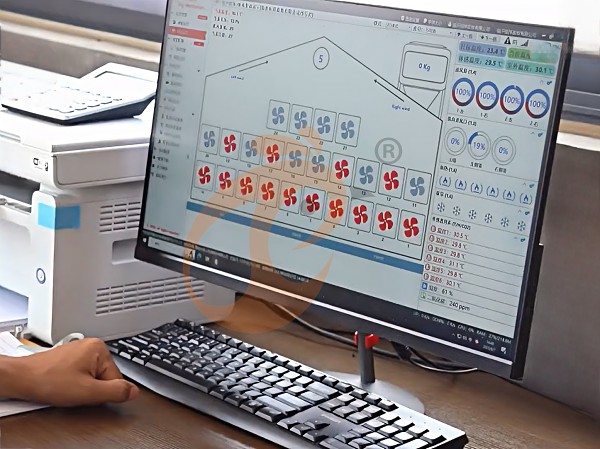
Full Data Collection

On Site Data Screen
Practical application on a commercial poultry farm demonstrates how modern systems improve productivity, bird welfare, and operational efficiency.
(1) Farm Profile
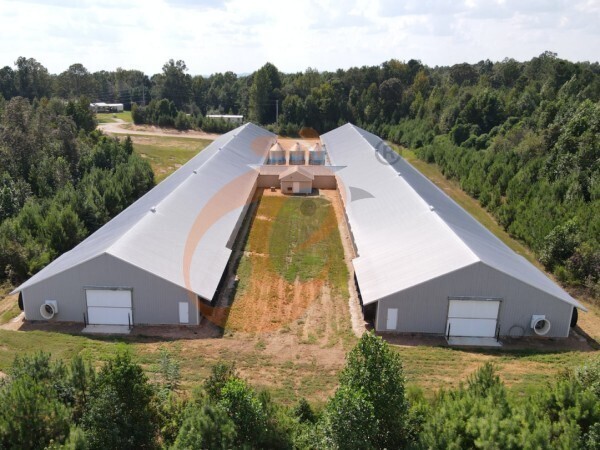
Location: Central poultry farming region
Houses: 3 × 100 m × 12 m poultry houses
Capacity: 30,000 layers, 30,000 broilers, 10,000 pullets
(2) Environmental Control Strategy

Summer: High-speed tunnel ventilation (2.5–3 m/s) quickly removes metabolic heat; cooling pads reduce temperature by 5–7°C within minutes.
Winter: Side ventilation 4–6 air exchanges/hour with heater output 150,000 kcal/h.
(3) Operational Benefits
Stable climate: Temperature fluctuations ±1°C, preventing heat or cold stress.
Improved FCR: Consistent feed conversion ratio across all bird types.
Health and welfare: Ammonia and CO₂ maintained below thresholds, litter stays dry.
Management efficiency: Automated monitoring reduces labor and ensures timely adjustments.
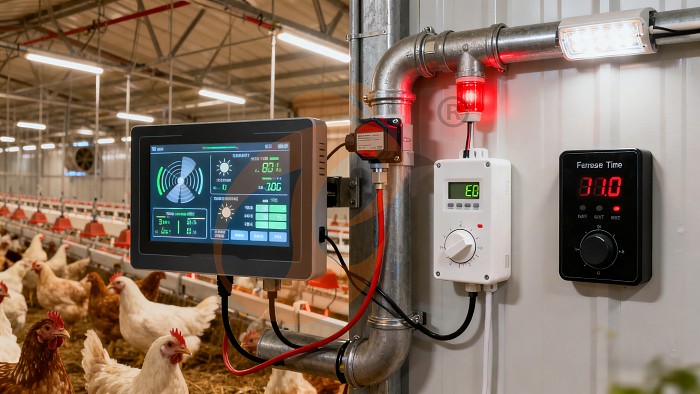
Farm application data is for reference only; actual results depend on local conditions and farm management.
4. Cage Design And Environmental Integration
Row spacing, tier height, and feeder/water positioning directly influence airflow and temperature across all poultry types:
(1) Row Spacing
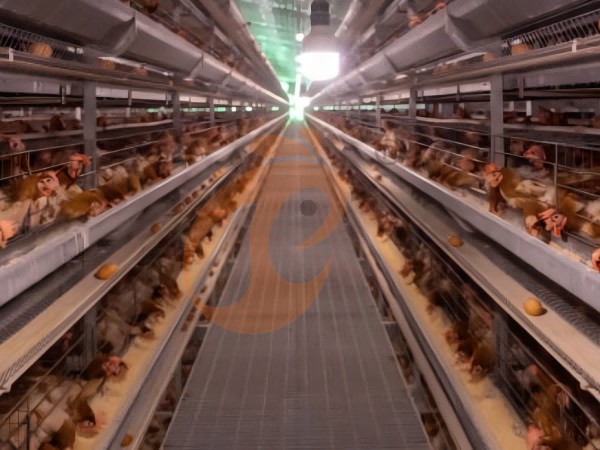
0.8–1.0 m layers/broilers; 0.7–0.9 m pullets.
(2) Tier Height
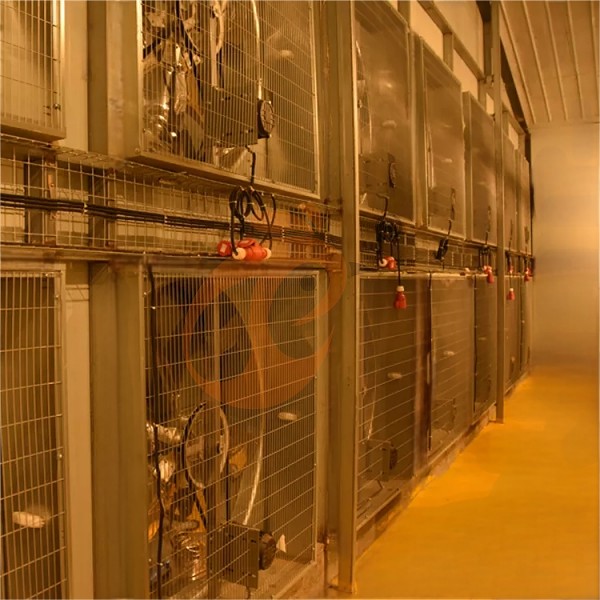
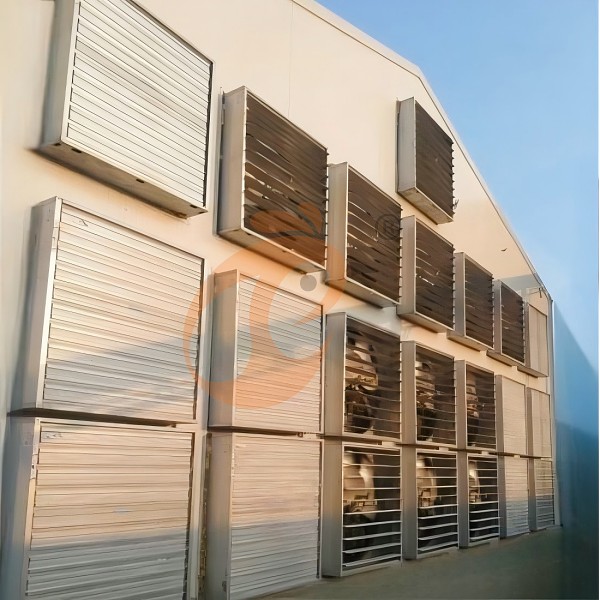
Outside Poultry House
Taller houses need circulation fans to avoid heat accumulation.
(3) Feed/Water
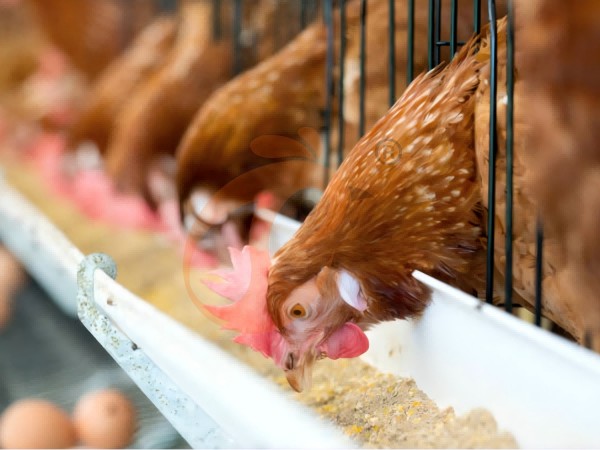
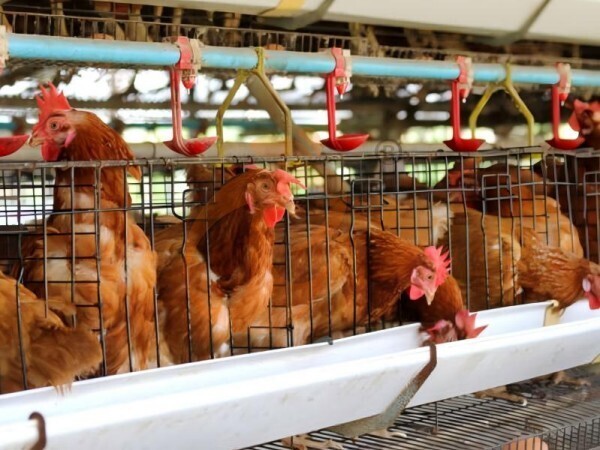
Prevent obstruction, especially in multi-tier systems.
Proper cage and system integration ensures uniform temperature, stable airflow, and optimal bird performance.
Certified






Tag
Message
Search
Product category
Contact us
Phone(whatsapp No. ):
E-mail:
Office 1 (Hong Kong):
Flat/RM A, 15/F, ManlyCommercial Building 15 Soy Street, Mong Kok
Office 2 (China Mainland):
Flat/RM 2416, 24/F, Runxing Building, Youyi Nan Street, Shijiazhuang City, Hebei Province