



‹
›
‹
›
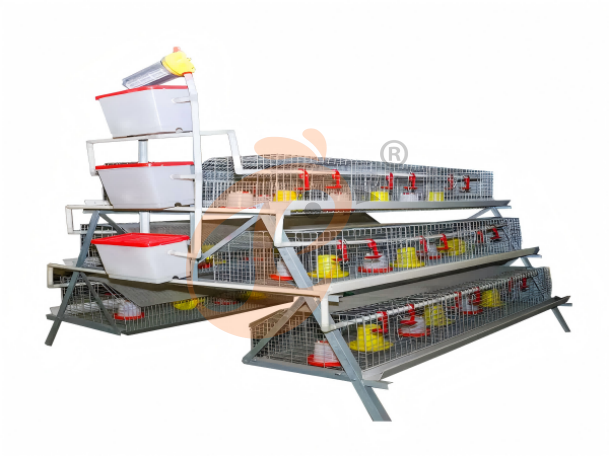
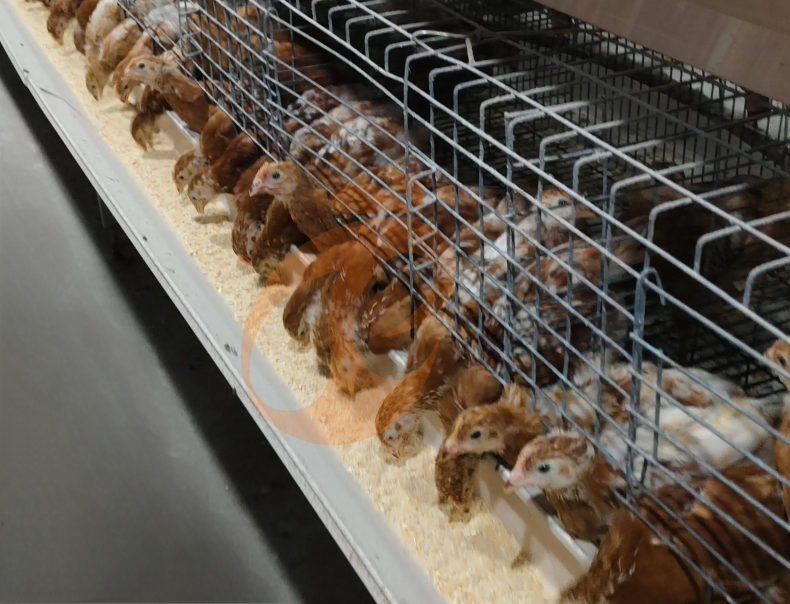
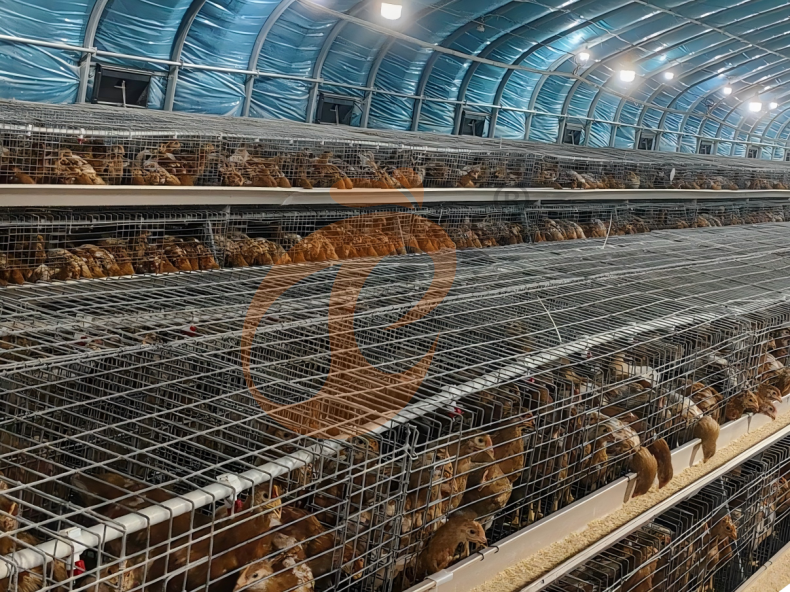
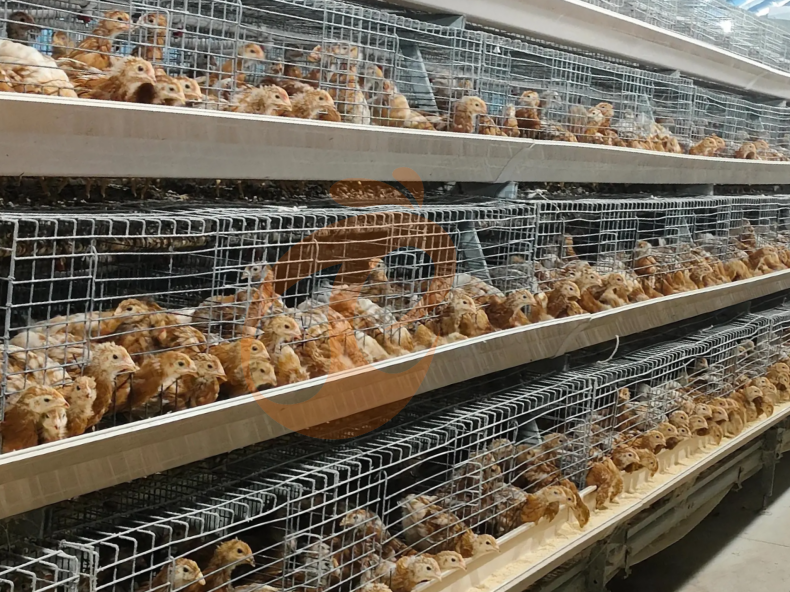
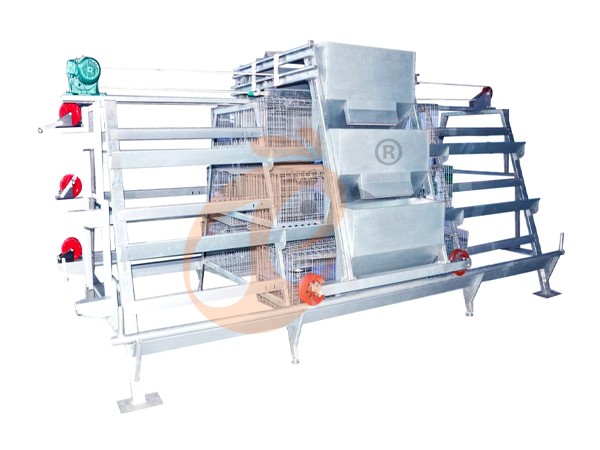
Semi Automatic A Frame Brooder Battery Cage System
2. Feeder linear 2.5–4 cm per chick
3. 1 cup per 1–2 chicks in first 48–72 hours
4. 30–50 lux for day 0–3 to help chicks find feed and water
5. Reception /WhatsApp NO. : +8618830120193
Product details
Quick Viewing Of Types Of Semi-Automatic Brooder Battery Cage
Why Choosing Taiyu (HK) Pullet Cage
The Advantage Of Taiyu (HK) Pullet Cage
Quality and design of Taiyu (HK) pullet cage: European standards
Lifespan of Taiyu (HK)'s pullet cage: 25+ years
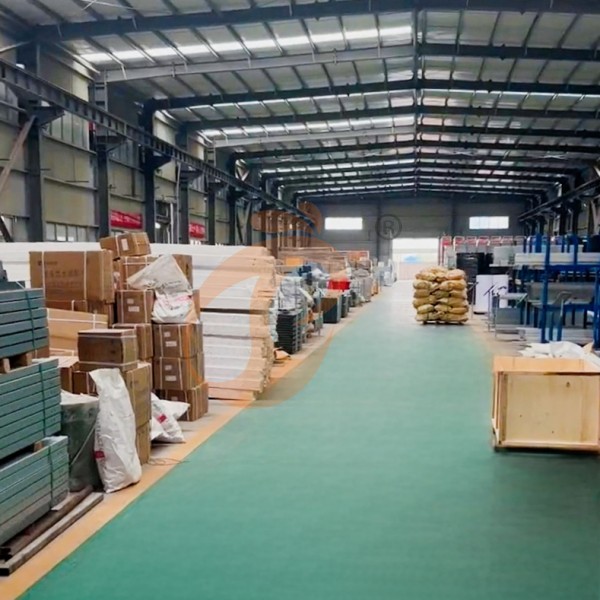
Delivery from local factory: Hongkong headquarters, branches of China, Nigeria, Tanzania, Ethiopia and Kenya ( depends on you location, we delivery from the nearest factory and warehouse)
Popular Types Of Taiyu (HK) Pullet Cage
To help you better understanding solution of pullet cage or pullet farm, please watch the following video of farm application
Video 1: Taiyu (HK)'s Turnkey Case Of Pullet Farm
For medium and large-scale pullet farms, this H type cage system combined with environmental control equipment is the ideal solution for efficient and healthy bird growth.
The Equipment List In The Video
Feed mill (00:40s)
H type 4 tiers of pullet cage system (00:10s)
Automatic system based on cages: drinking, feeding and manure removal system (00:13s, 00:48s, 01:42)
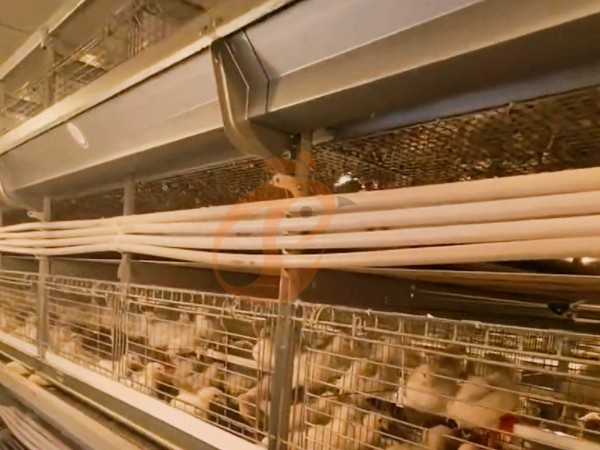
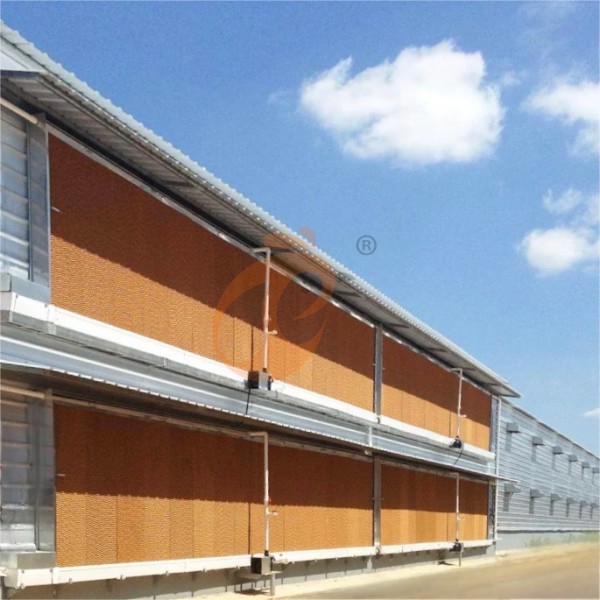
Environmental control system: automatic house lighting, house warm device and house ventilation system (01:21s, 01:24s. 01:33s)
Tips For Purchasing
NO. 2 and NO. 3 are required equipment.
NO. 1 and NO. 4 are optional equipment, normally the temperate and frigid climates use them, countries from tropical climates as appropriate.
If you need professional advice, project experience sharing, or a customized quotation, 24/7 WhatsApp support: +86 188 3012 0193, contact us now.
Video 2: Taiyu (HK) A Type Of Pullet Cage
This A type cage system is ideal for small and medium-scale pullet farms, offering an economical and cost-effective solution for efficient management and healthy bird growth.
The Equipment List In The Video
A type 4 tiers of pullet cage system
Automatic drinking system
Tips For System Upgrate
To be fully automatic system, farmers could choose
Feeding and manure scraper or belt removal system.
Automatic house lighting, house warm device and house ventilation system (the temperate and frigid climates use them, countries from tropical climates as appropriate)
24/7 WhatsApp support: +86 188 3012 0193, contact us now.
Taiyu (HK) Group - The Trusted Choice For Modern Poultry Farming Solutions
Here is a 15 mins video showing Taiyu (HK) headquarters, poultry farm equipment, production department, QC, logistics department, customer cases...
Global Presence & Strong Service Network
Headquartered in Hong Kong, with branches in China, Nigeria, Tanzania, Ethiopia, and Kenya, supported by a complete global pre-sales and after-sales service system.
Feed Technology Support Advantage
Free feed formula provided, backed by 20 years of feed mill experience, helping reduce cost and improve performance.
One-Stop Turnkey Poultry Farming Solutions
Providing 100–1,000,000 bird turnkey projects, including farm design, equipment supply, and smart farm integration.
Trusted By 3,000+ Farms Worldwide
Serving 3,000+ poultry farms globally with proven turnkey project experience.
To learn more types of battery cage system for brooders and farm equipment, please visit product list...
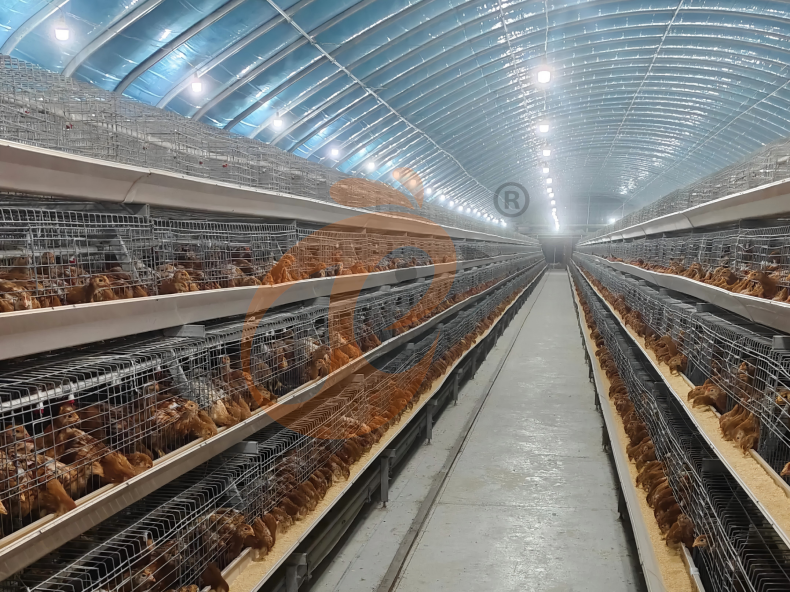
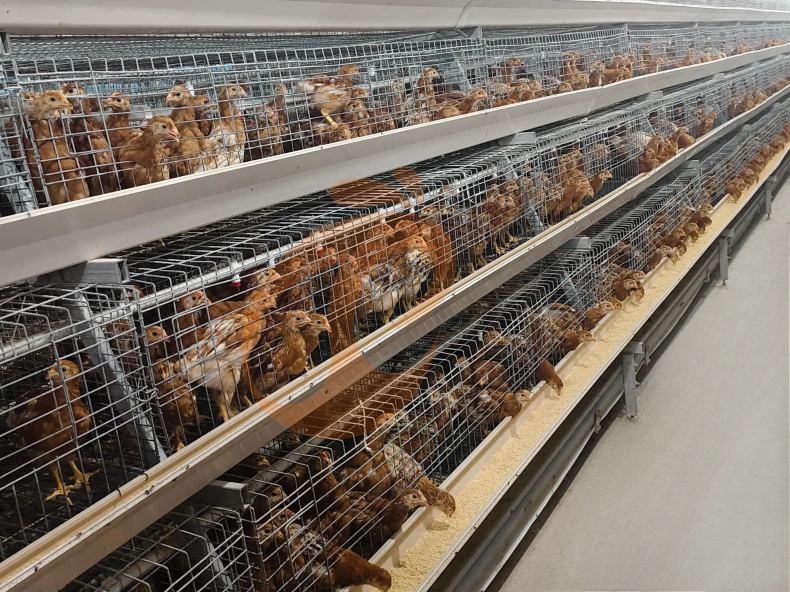
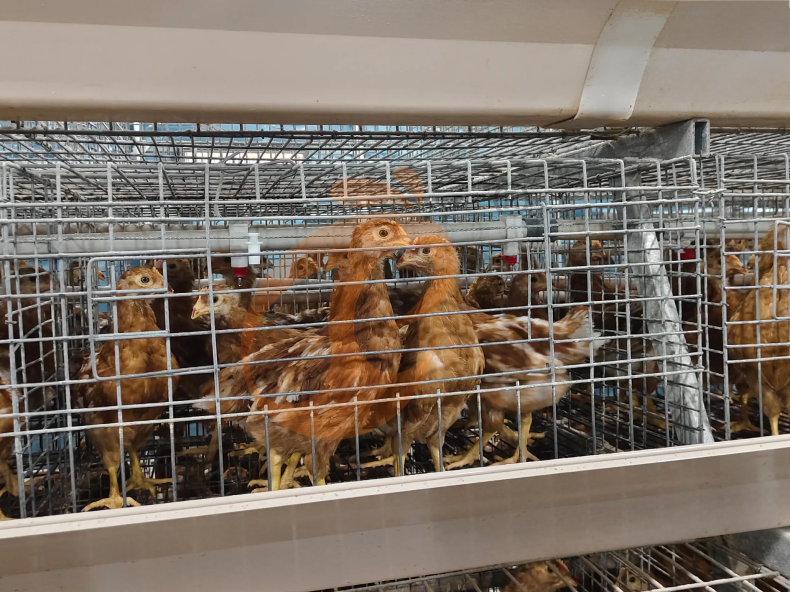
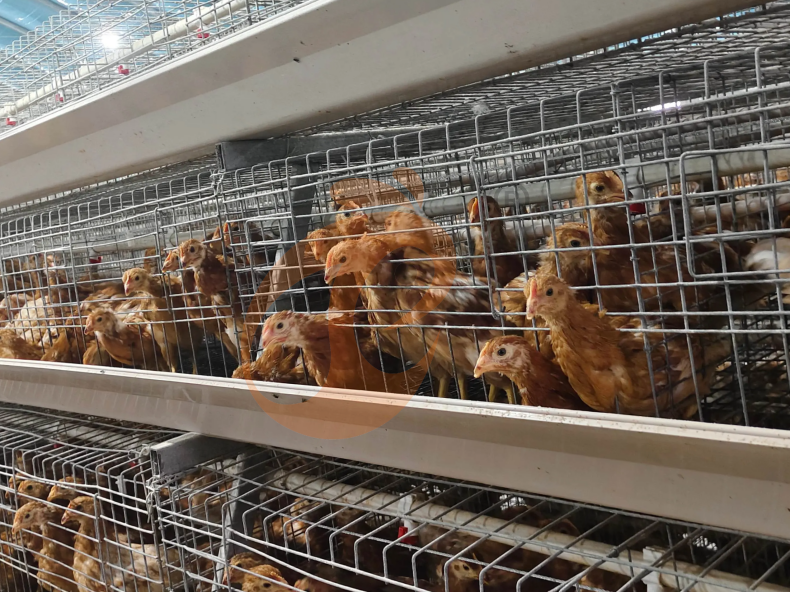
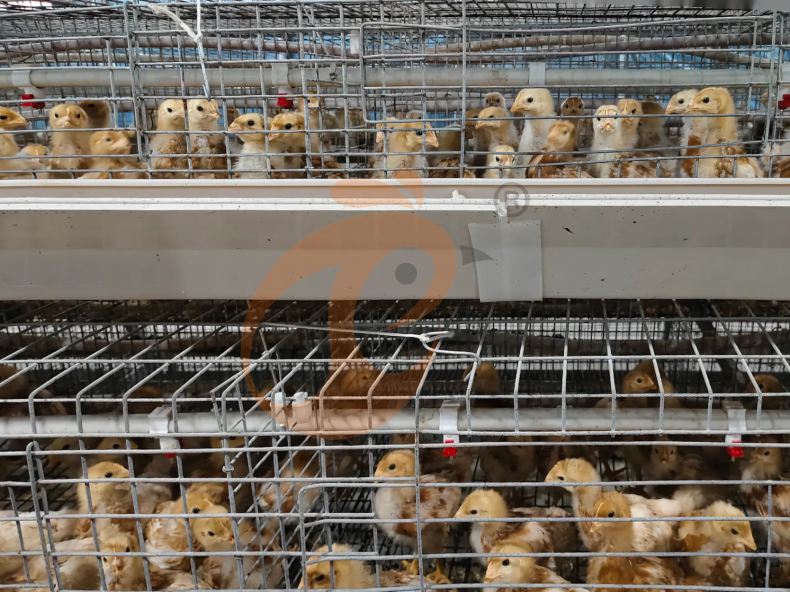
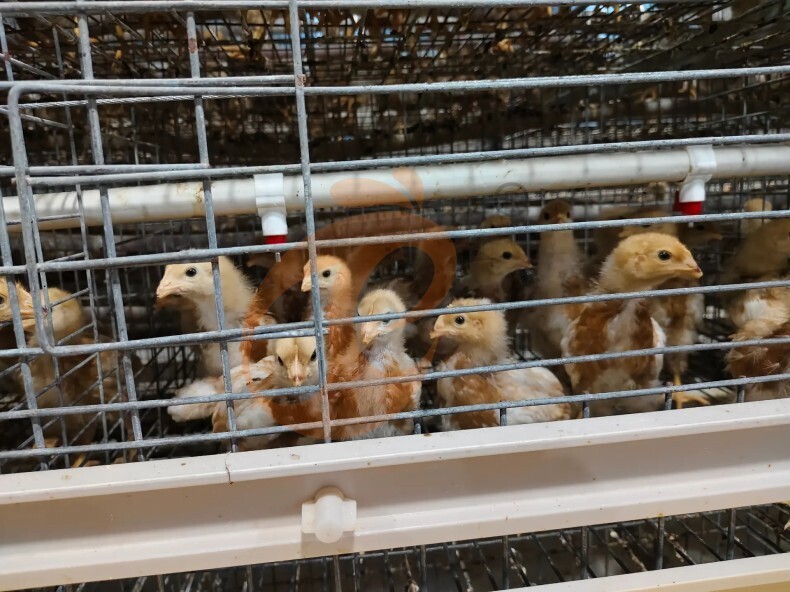
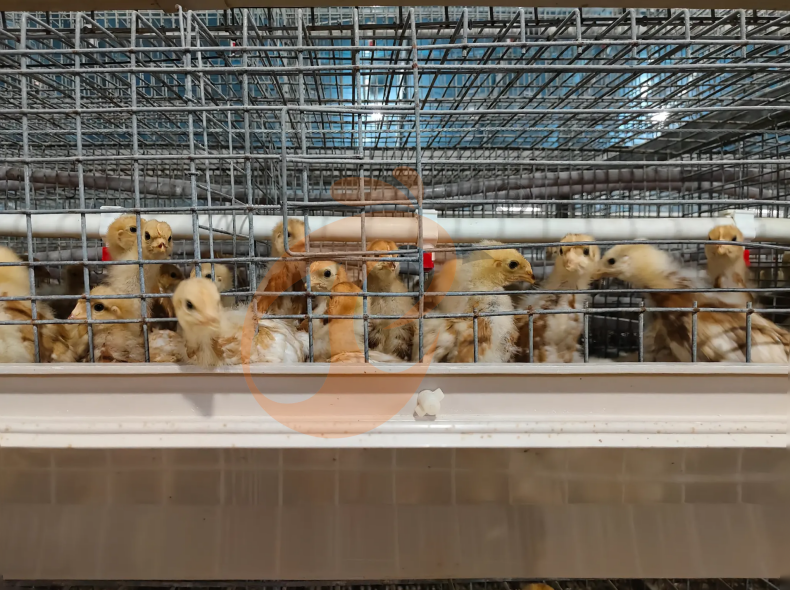
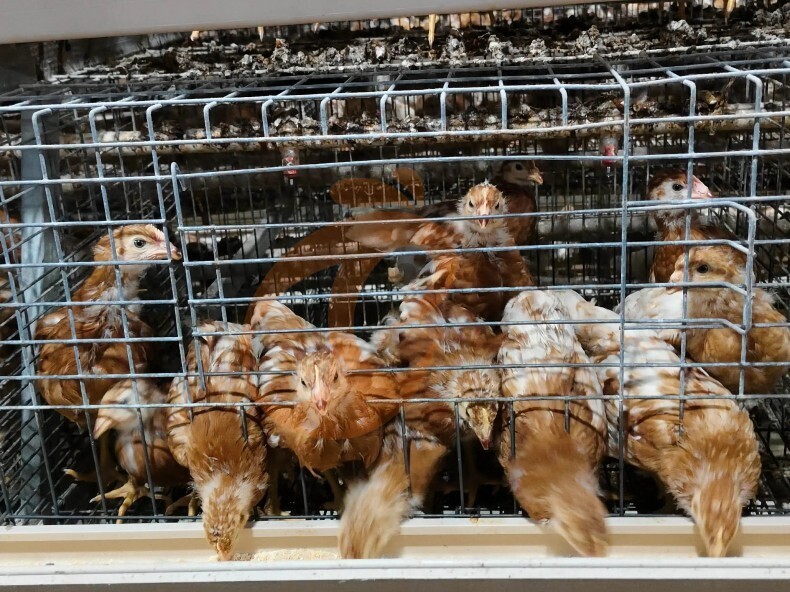
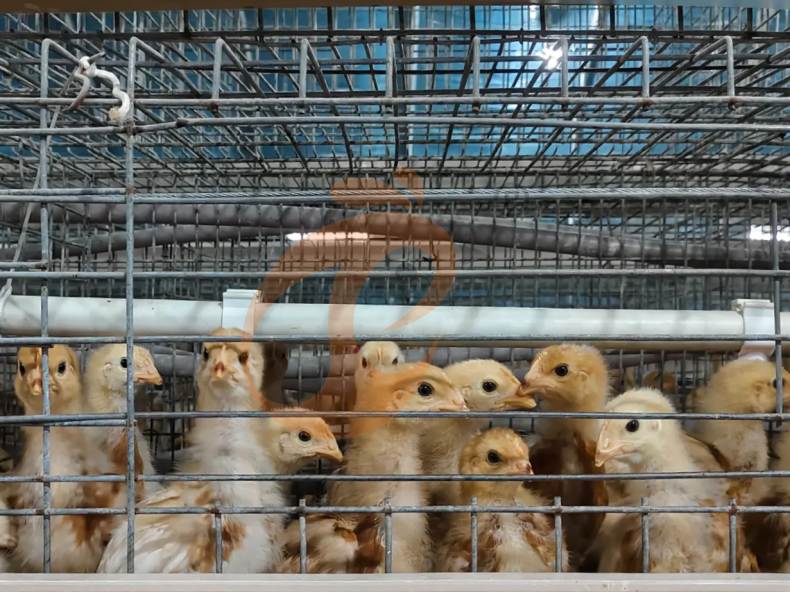
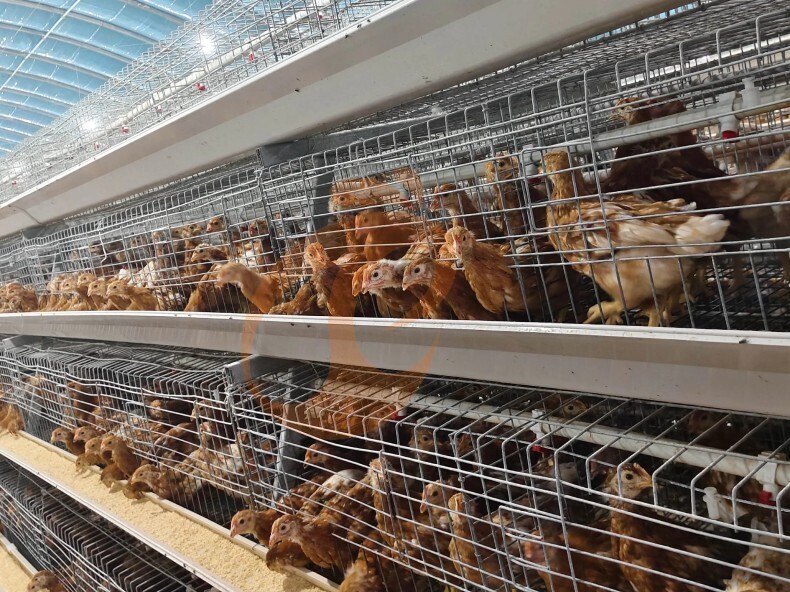
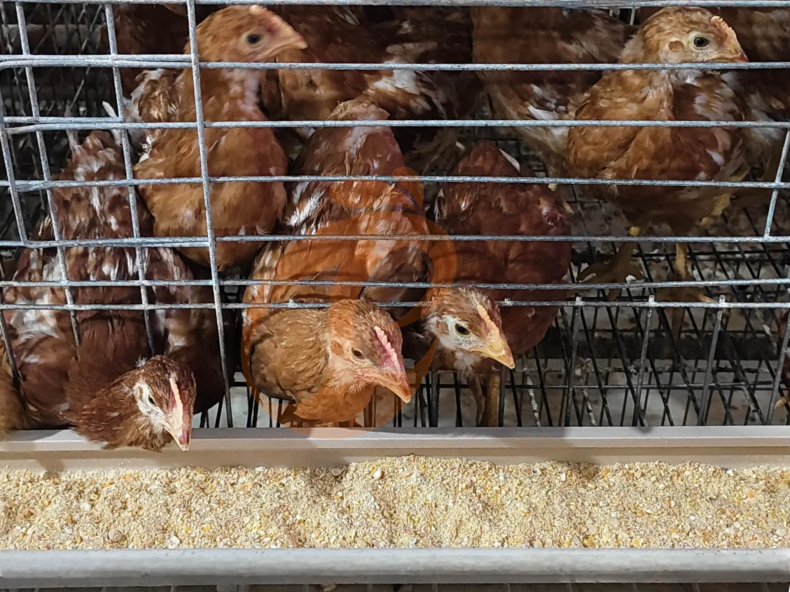
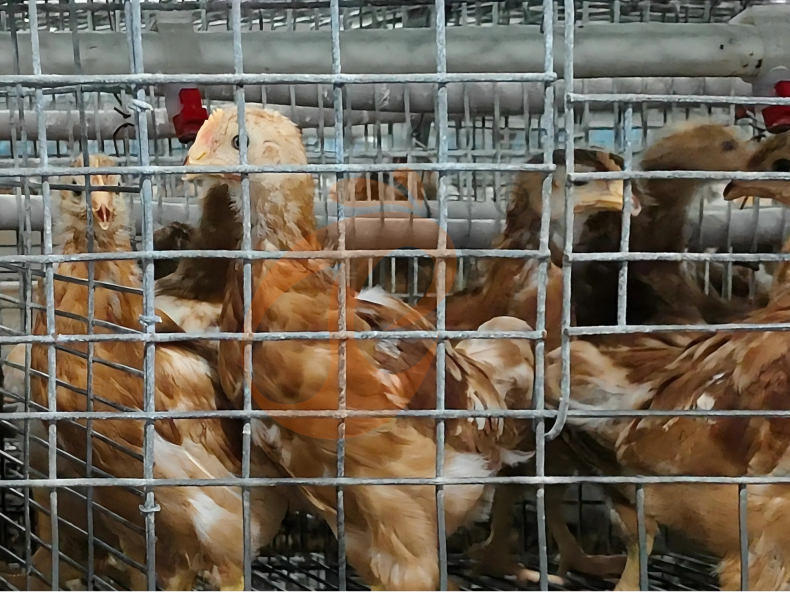
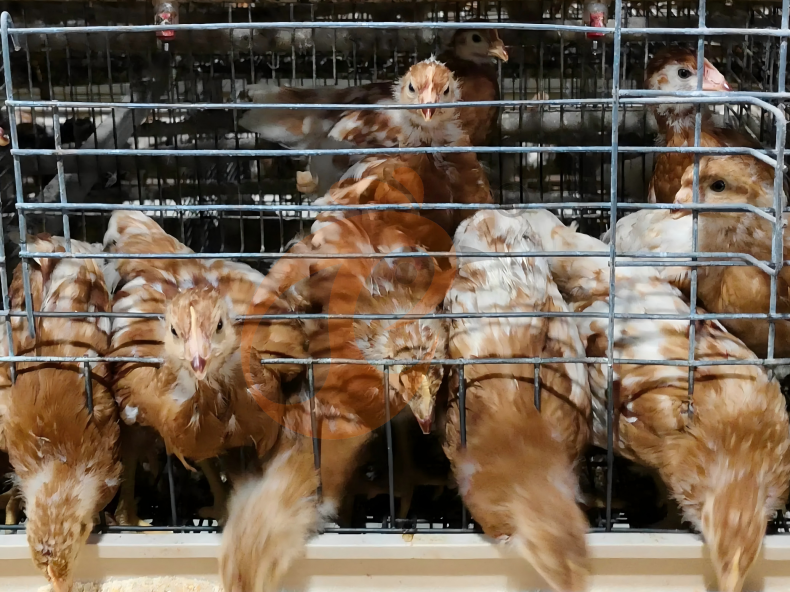
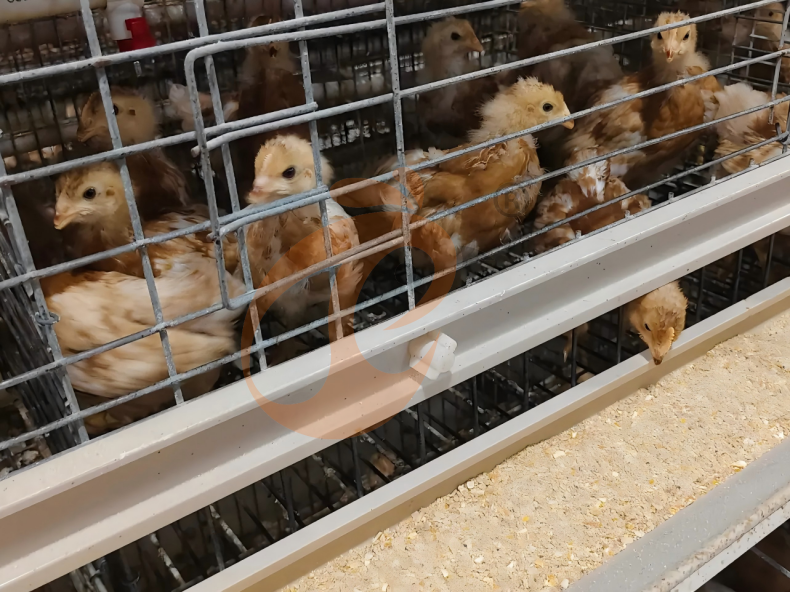
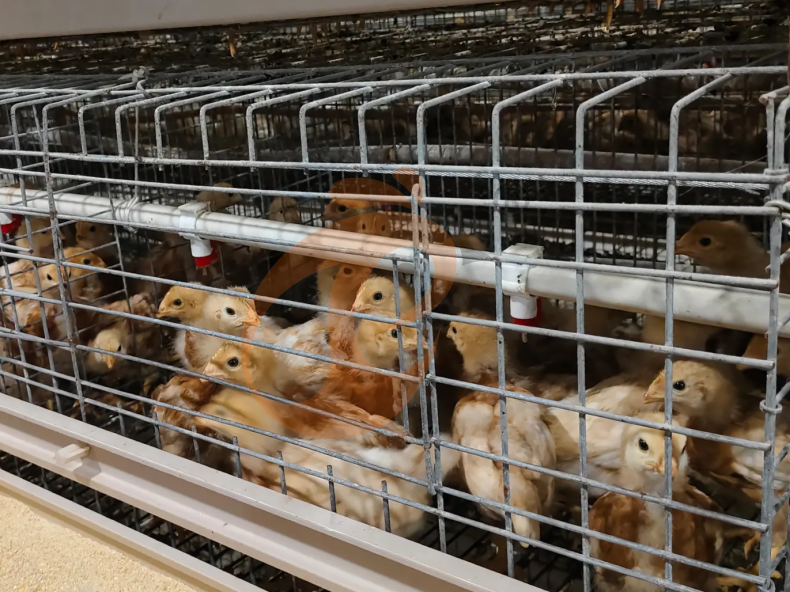
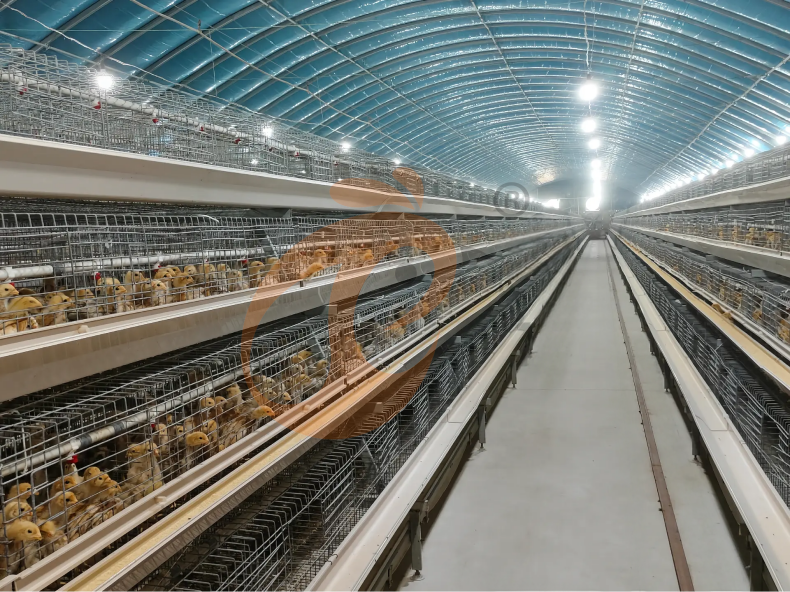
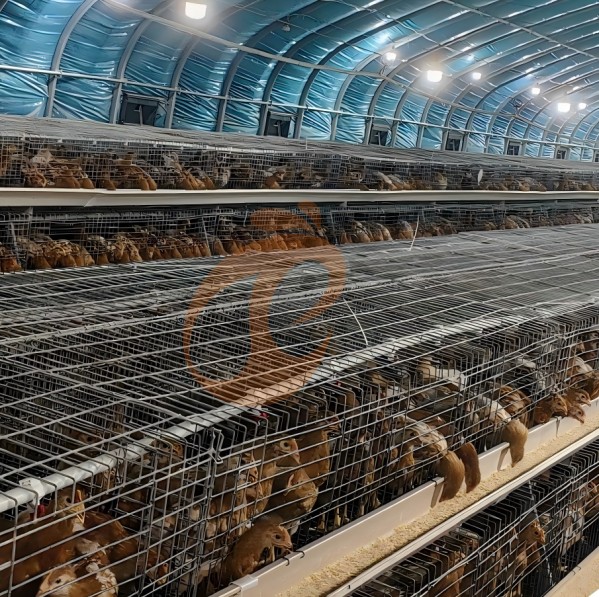
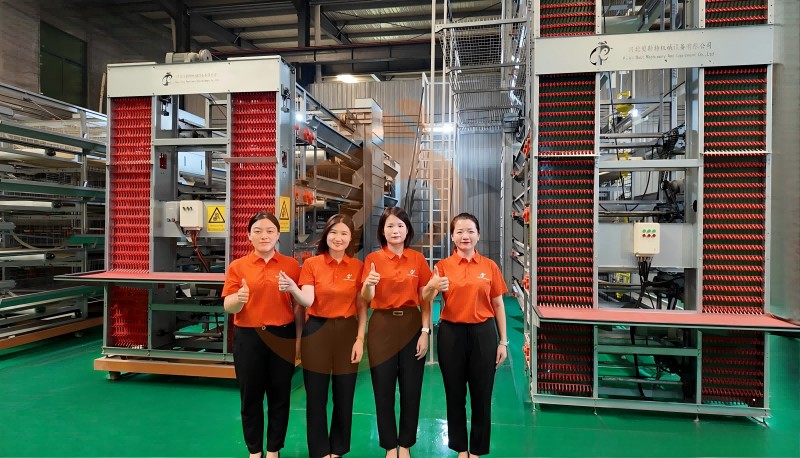
All pictures (or videos) of this pages are the application of our semi automatic A frame battery cage system for brooders in customers' poultry farm.
Our technicians have rich experience in localizing farms. Welcome to contact our 24 hours Reception WhatsApp NO. : +8618830120193.
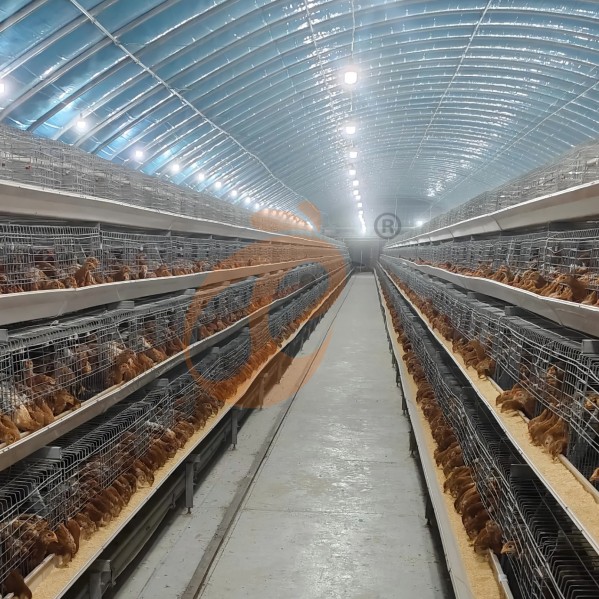
2 Rows, 4 Tiers
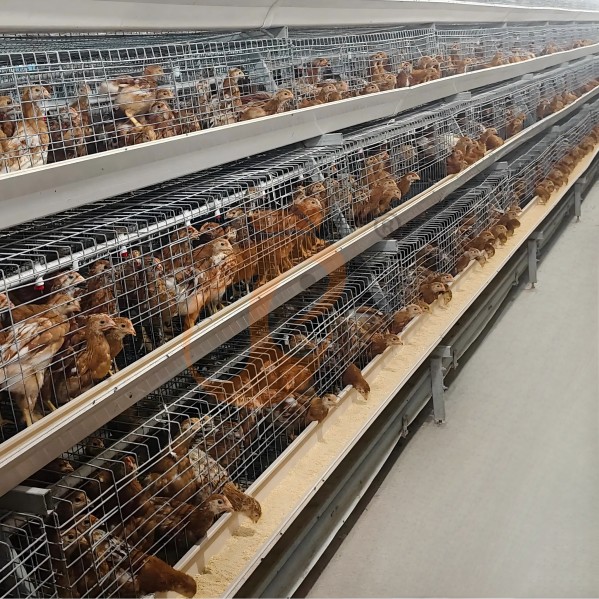
If you've ever juggled buckets, nipples and a huddled pile of soggy chicks at 2 a.m., you'll appreciate how a efficiently arranged semi automatic A frame battery cage system for brooders changes everything.
"European Standard Semi Automatic A Frame Battery Cage System For Brooders"
1. Concise Specifications Of Battery Cage System For breeders
For your reference only, the following data is estimated, The exact data is based on the actual needs of the project and customer requirements, or our exact quotation.
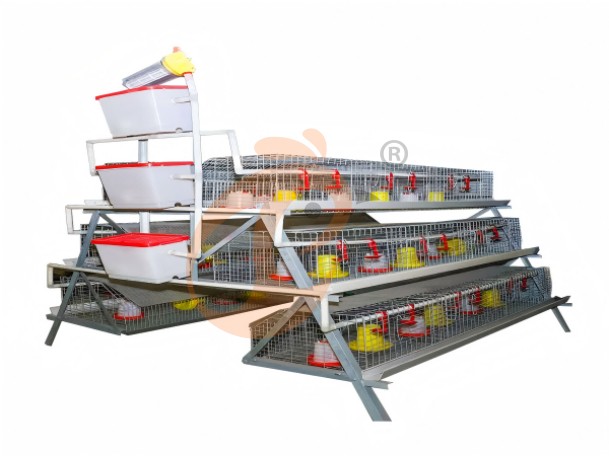
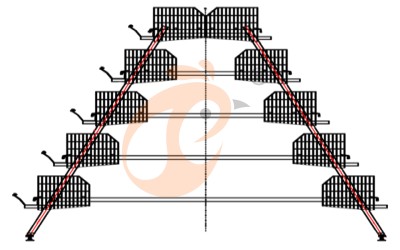
3 Tiers
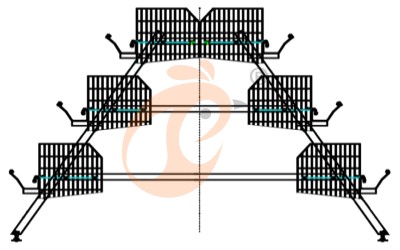
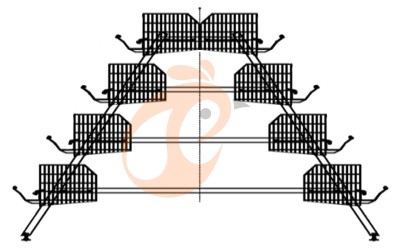
4 Tiers
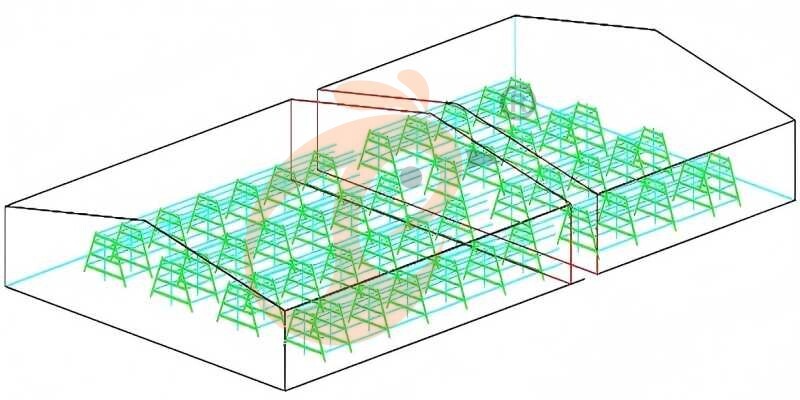
Layout Of Brooder Battery Cage System In Poultry House
Recommended House Size and Bird Capacity
Data is for reference only. Swipe horizontally to view full table.
2. Module Variants And Quick Capacity Guide
Heavy Galvanized Material
Technical Specifications
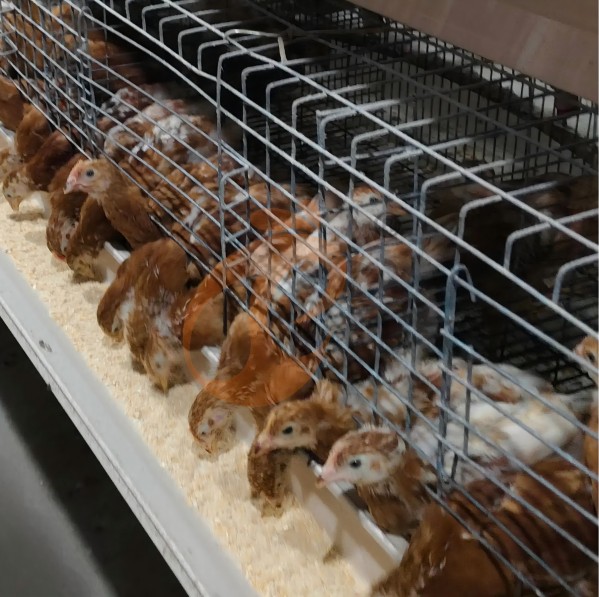
Data is for reference only. Swipe horizontally to view full table.
"The Advantages Of Semi Automatic A Frame Battery Cage System For Brooders"
3. Working Principle To Provide Efficient Support For Your Chicken Farming Operations
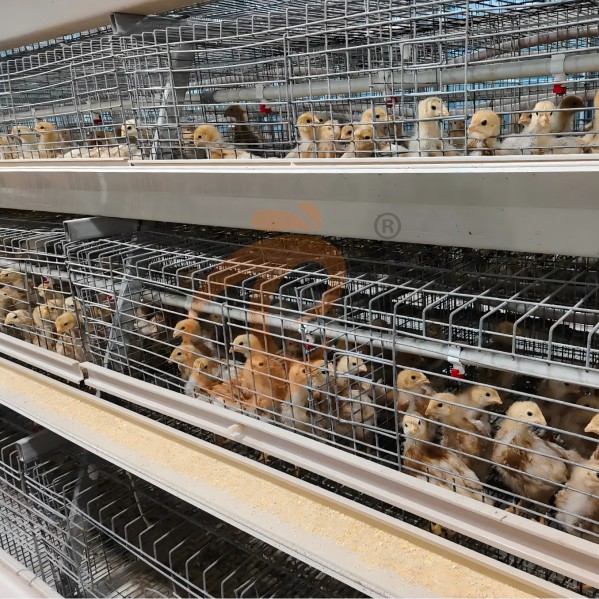
(1) Cage Mesh & Frame
Stronger Cage Frame
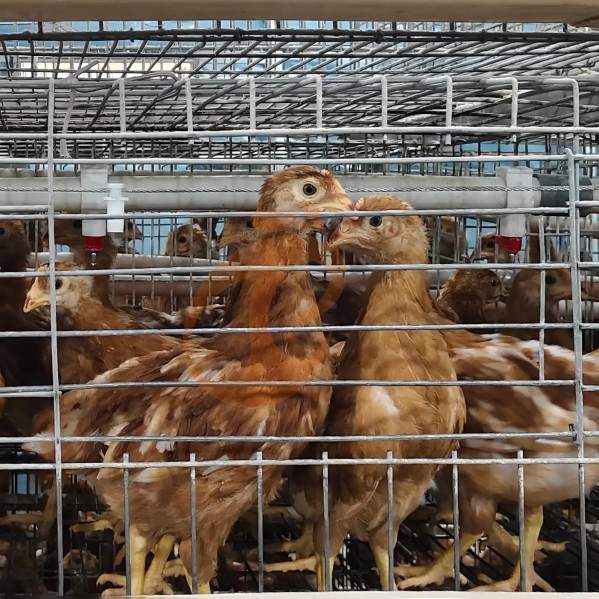
Function: Provides main structure to secure and support birds.
Operating Principle
Mesh: Q235 high-strength steel wire welded, hot-dip galvanized, corrosion-resistant up to 25 years.
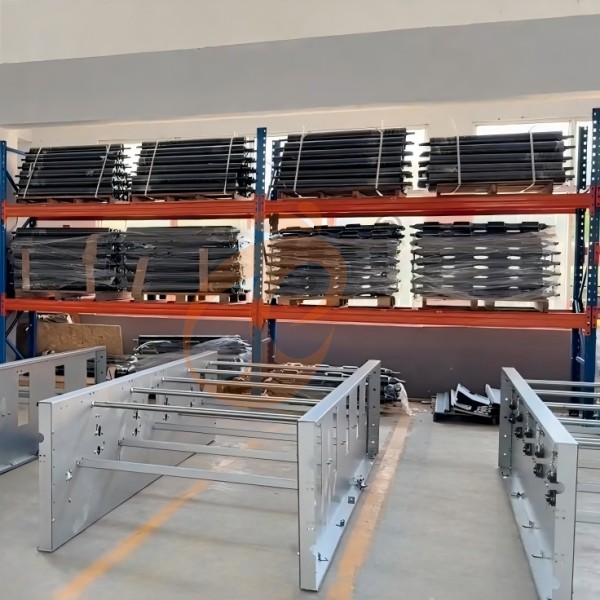
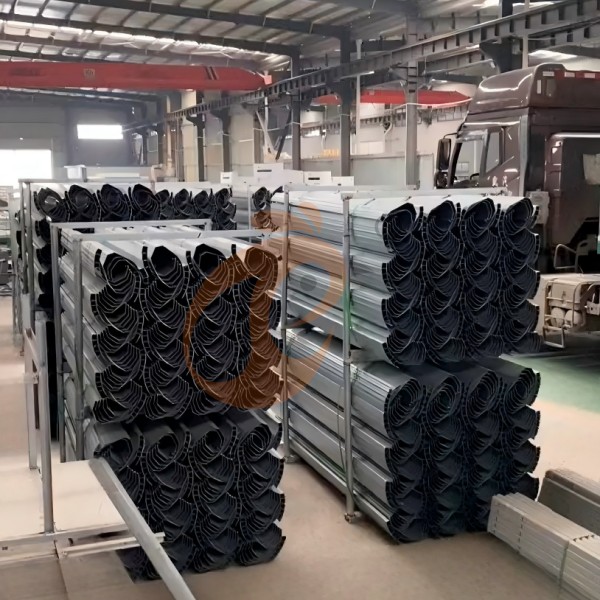
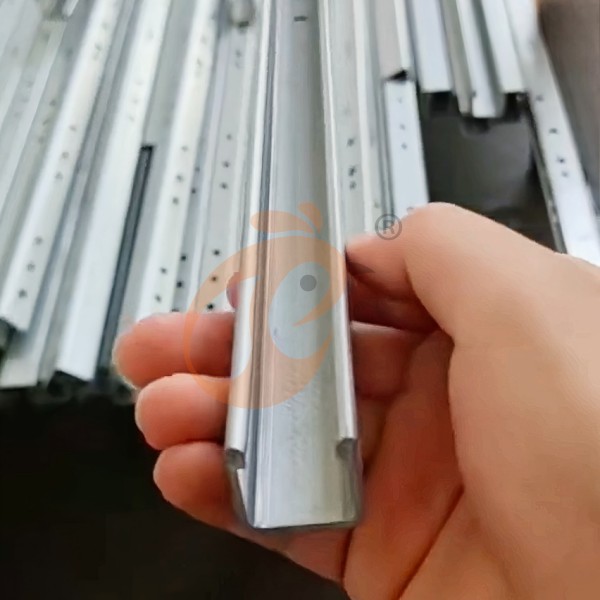
Frame: Hot-dip galvanized steel sheet, cut and bent for high load capacity, supports fully loaded birds and accessories.Key Components: bottom mesh, front mesh, side mesh, columns, beams, support brackets, bolts, clips.
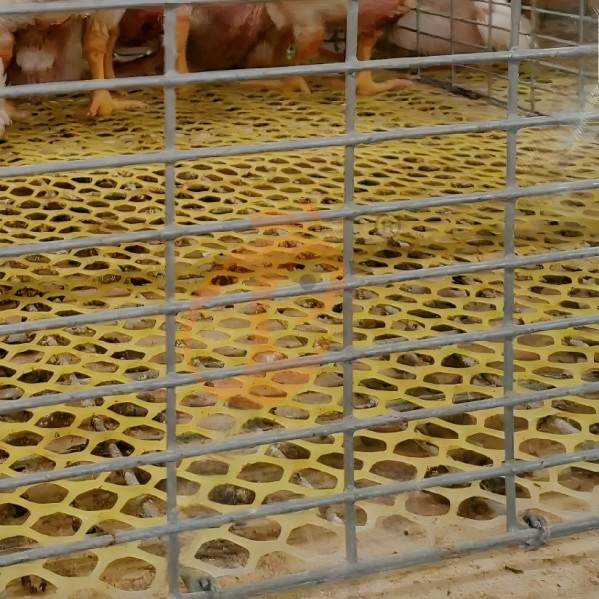
(2) Brooding Plastic Mesh
Plastic Mesh
Function: Protects chicks’ feet and prevents contact with droppings.
Operating Principle: Placed on cage floor during 0–6 weeks; small holes allow ventilation and light while preventing chicks from stepping through.
Key Components: plastic mesh panels, fixing clips.
Operation: Used during brooding; remove after 6 weeks.
(3) Manual Feeding System
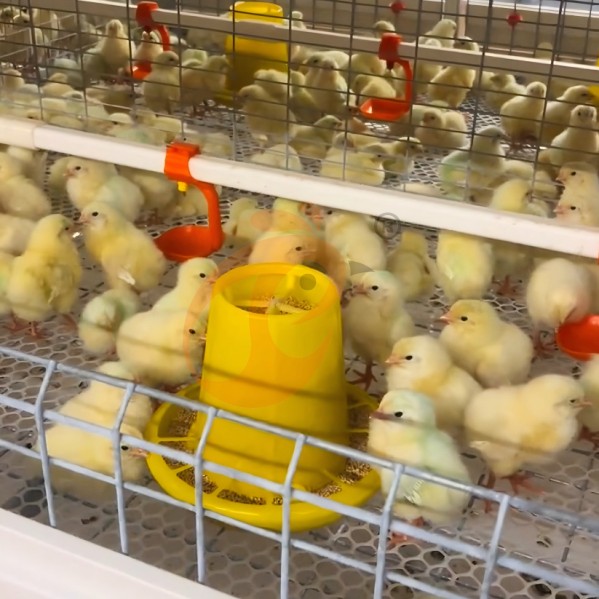
Small Feeder
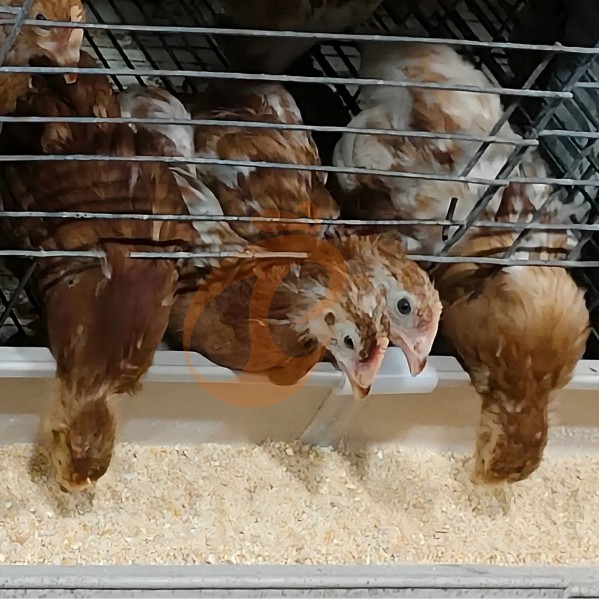
Bigger Chicks
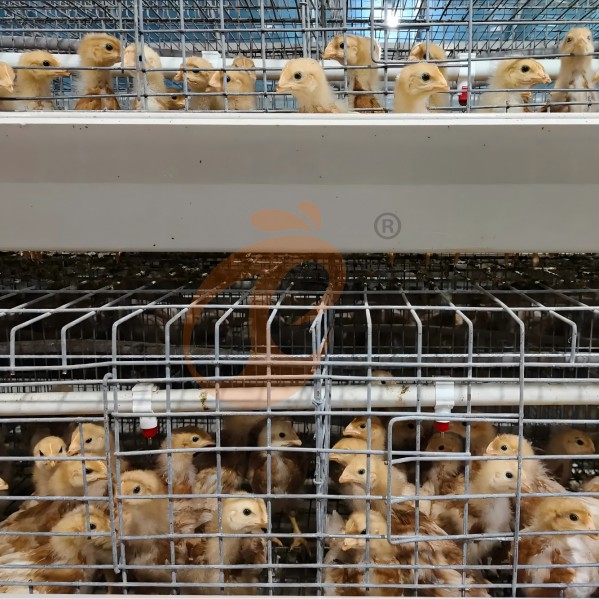
Function: Provides stable feed supply and prevents chicks from escaping the cage,worker adds feed.
Operating Principle: Removable brooding pans for chicks; standard troughs for growers. Troughs equipped with anti-escape plates block chicks from leaving the cage.
Key Components: brooding feed pans, standard troughs, anti-escape plates, feed hopper, optional feeder, clips.
Operation: Brooding pans removed after 6 weeks; anti-escape plates may remain or be removed as needed.
(4) Automatic Drinking System
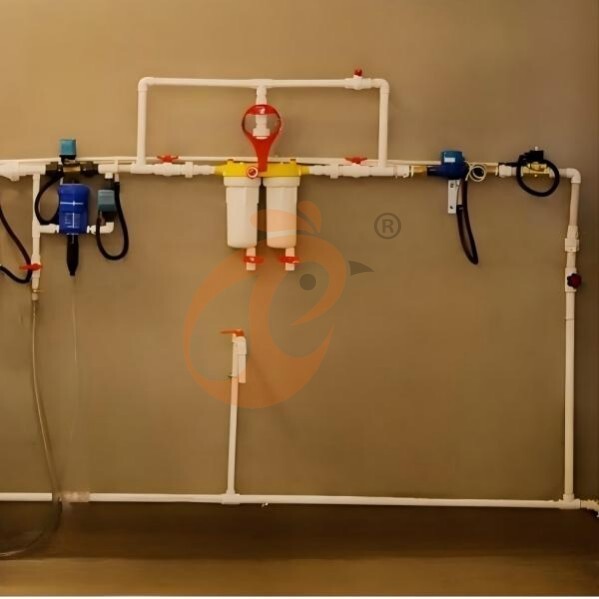
Water Line
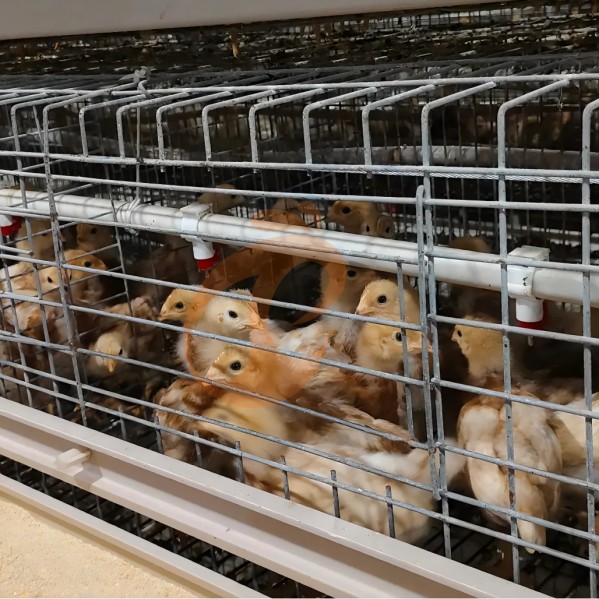
Function: Supplies clean, stable drinking water.
Operating Principle: Nipple drinkers with filter and regulator maintain pressure and water quality; brooding cups for chicks.
Key Components: main pipe, nipple drinkers, brooding drinkers (removable), filter, regulator, T-connectors, seals.
Operation: Remove brooding cups after 6 weeks; nipple drinkers remain.
(5) Automatic Manure Conveyor System – Belt-Type
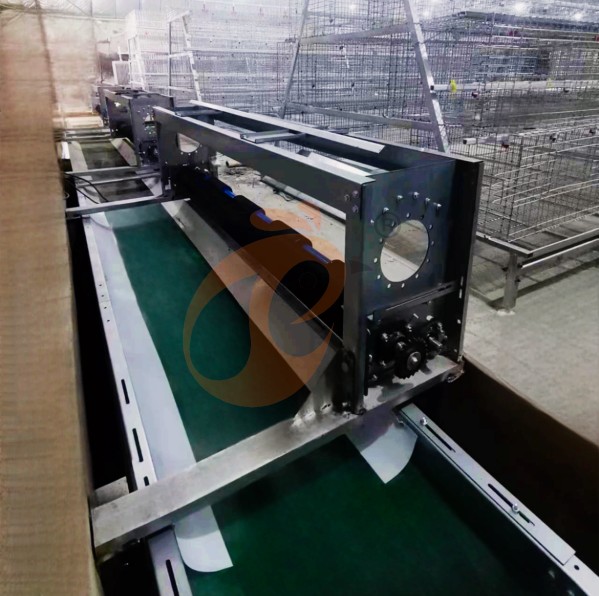
Manure Belt Device
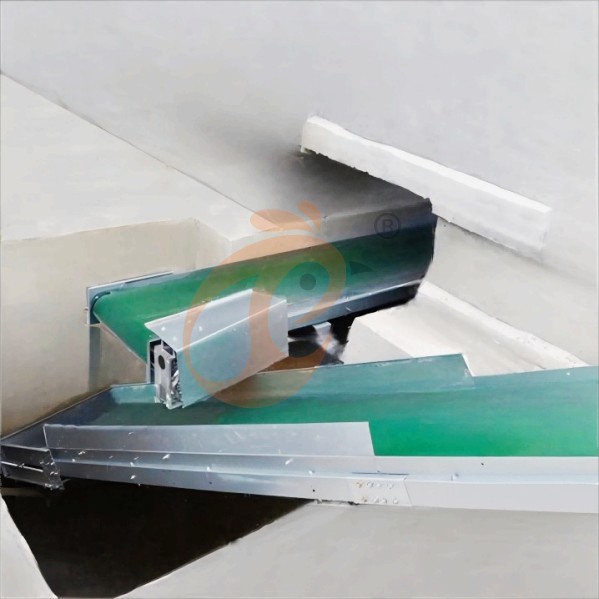
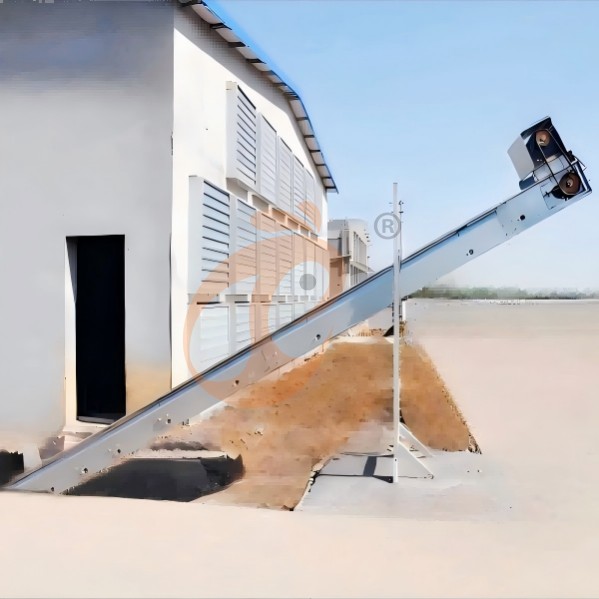
Function: Efficiently collects and removes droppings, suitable for multi-layer cages and large manure output.
Operating Principle:
Longitudinal Belt: Installed under cage floors, moves manure onto horizontal belt.
Horizontal Belt: Transports manure from longitudinal belts to the collection area at the house end.
Operates automatically 1–2 times/day.
Key Components: Longitudinal and horizontal conveyor belts (PVC/rubber), drive motors, rollers, tensioners, collection area.
Operation: Daily checks recommended; improves manure removal efficiency, reduces ammonia (~40%), maintains hygiene.
(6) Automatic Manure Conveyor System – Scraper-Type
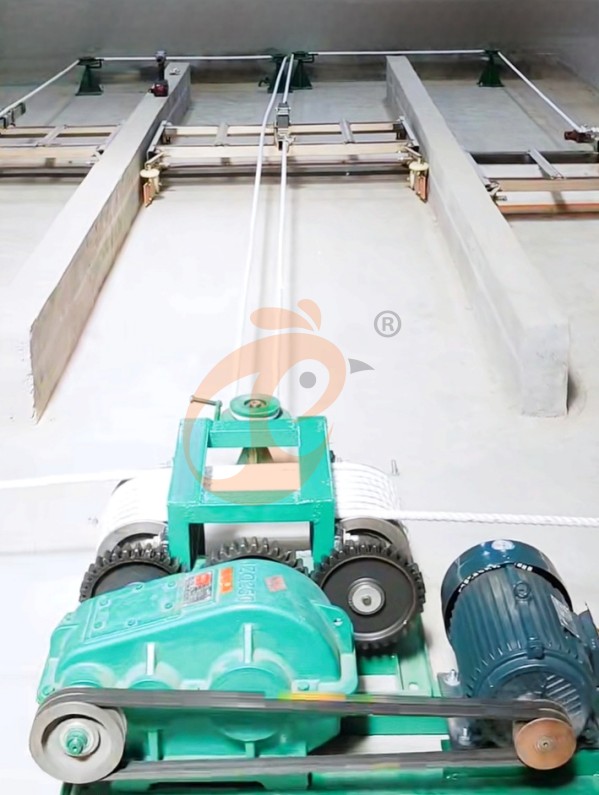
Scrapers Under Cages
Function: Removes droppings where belt installation is limited or manure output is high.
Operating Principle: Cage floor has a manure gutter; scraper moves along it, pushing manure into a collection tray/hopper. Operates automatically at preset intervals.
Key Components: Scraper, drive motor, guide rails, tensioner, collection tray/hopper.
Operation: Runs on schedule; inspect motor, scraper, and tensioner regularly. Efficiently collects manure, reduces ammonia (~30–35%), and ensures hygiene in confined or complex cage layouts.
"Essential Tips For Managing Poultry Farm And Battery Cage System For Brooders Equipment"
4. Watering And Feeding And Commissioning Numbers Every Tech Must Check
A single, precise section: don't rehash drinking info later — do it right now.
Below are commissioning checks and target numbers to verify before placing chicks.
For 2-16 Weeks Old Chicken
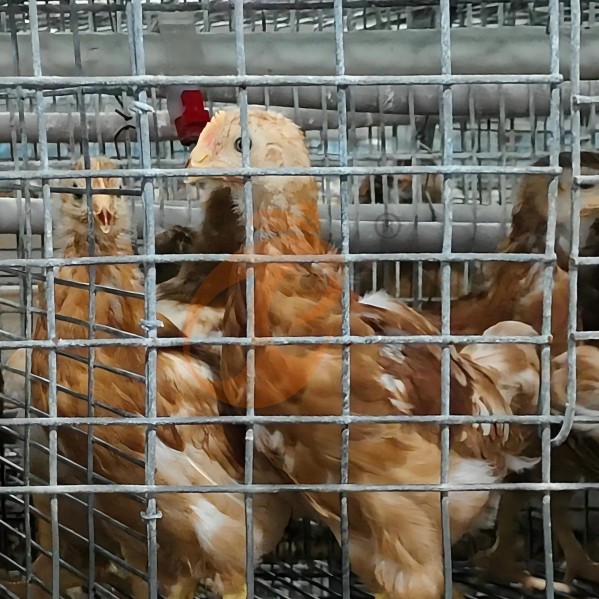
Practical commissioning tip: perform these tests cold-water and again after a 5-minute run to flush debris.
Log and photograph your baseline values — they are your “before chicks” tune-up sheet for your battery cage system for breeders.
5. Installation Timeline And Spare Parts And Maintenance Cadence
A short installation and initial maintenance plan reduces downtime in the first 90 days.
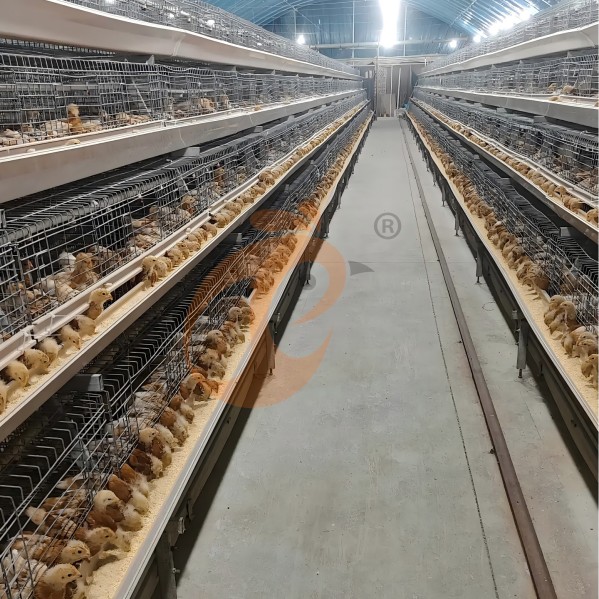
One Tier Empty
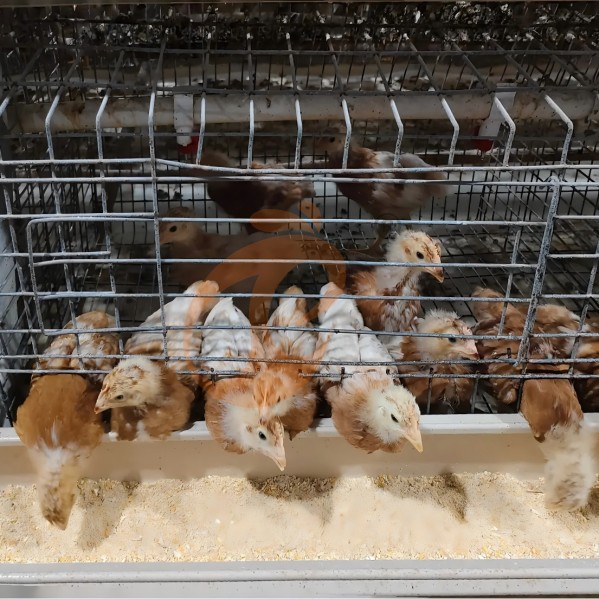
Why this matters: many early failures come from missing spare nipples, clogged filters, or belt splice failures.
Having a small “starter kit” of spares saves days of rework and keeps the pullets on schedule in your battery cage system for breeders.
6. Recommendation Farm Management Of Poultry Farm, House And Cage System (selective assembly)
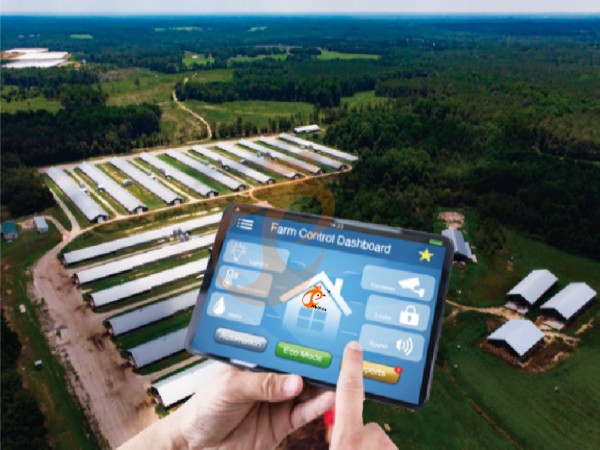
Farm Management
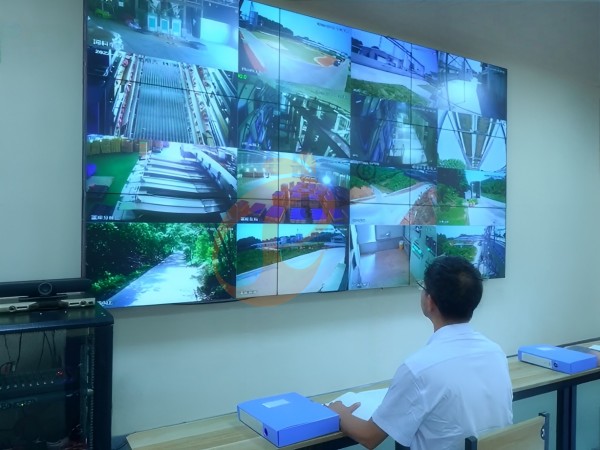
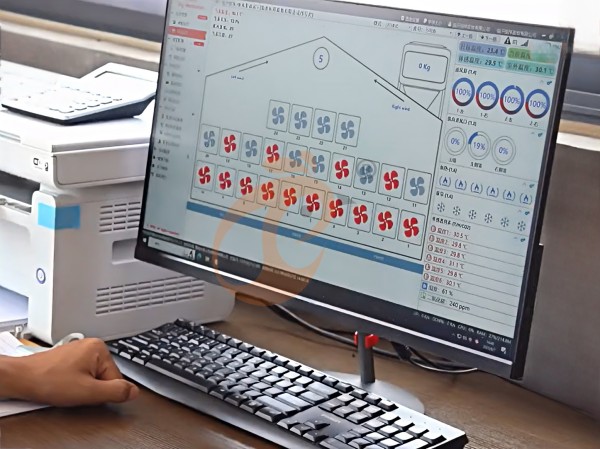
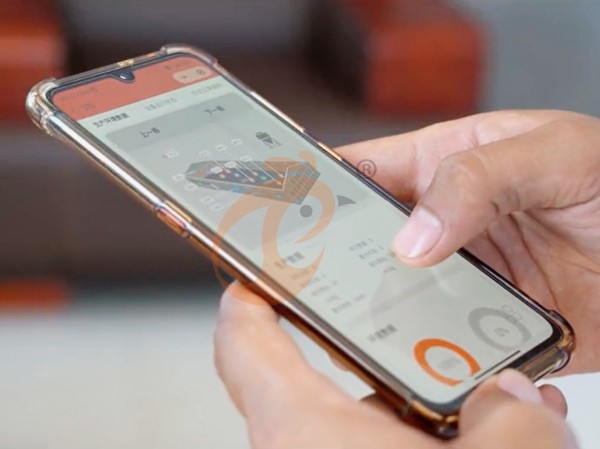
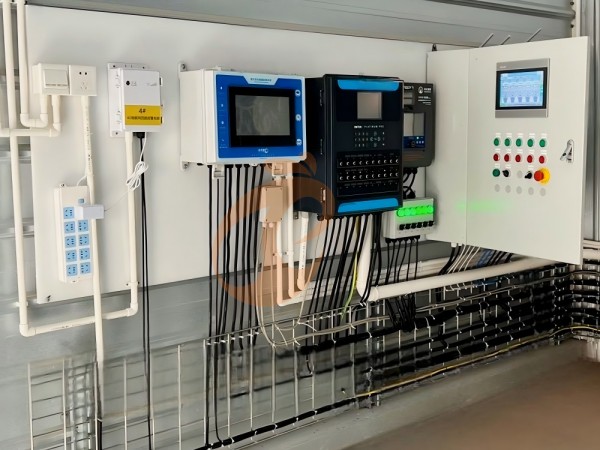
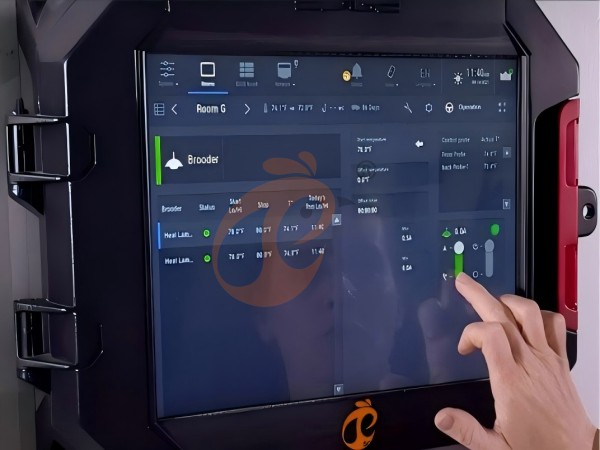
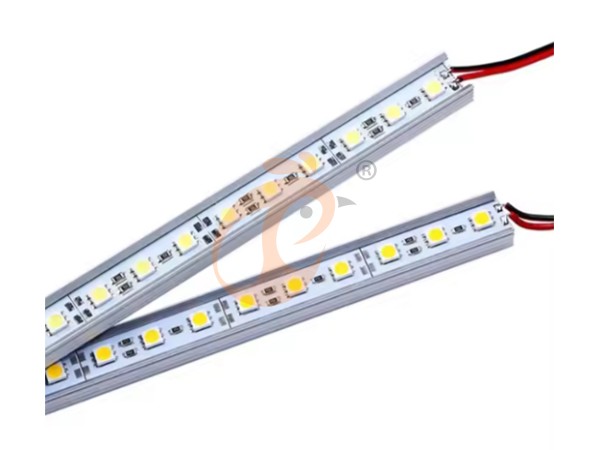
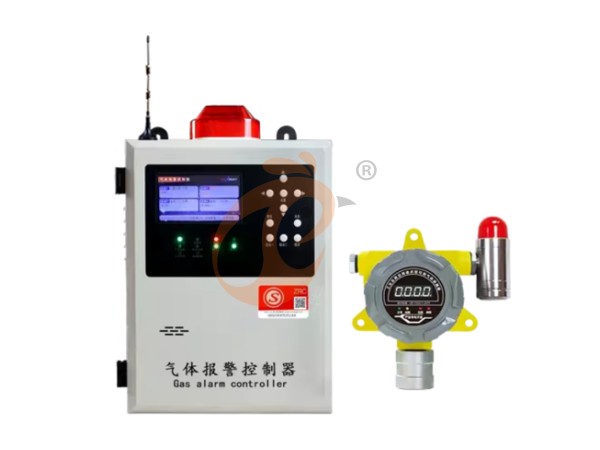
(1) From CCTV to giving order to every house, from date collection to AI data analysis report, abnormal condition detection and alarm system.
(2) Lighting is provided for chickens of all ages, which enhances their immunity and increases their productivity.
(3) One-stop management and control, continuously enhancing farm profits.
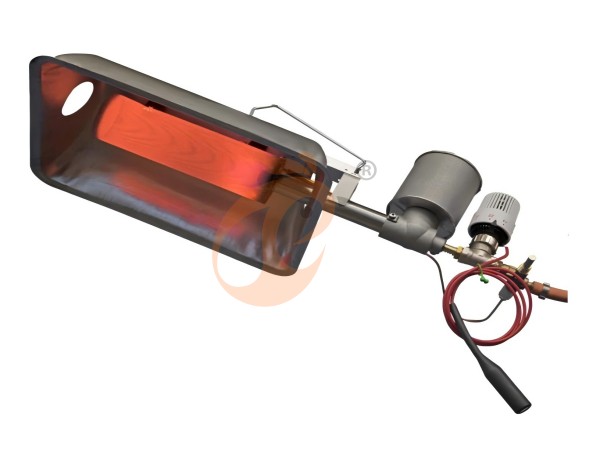
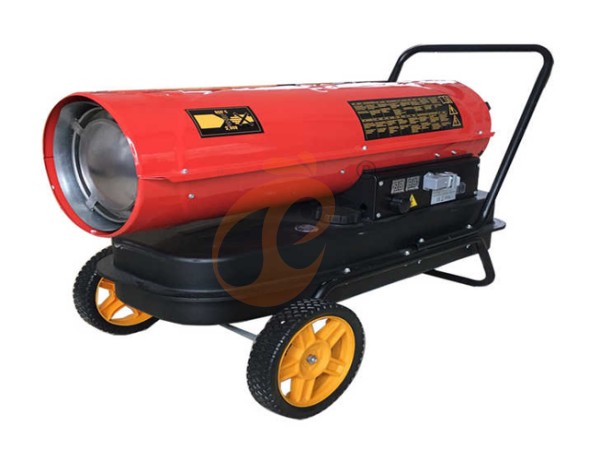
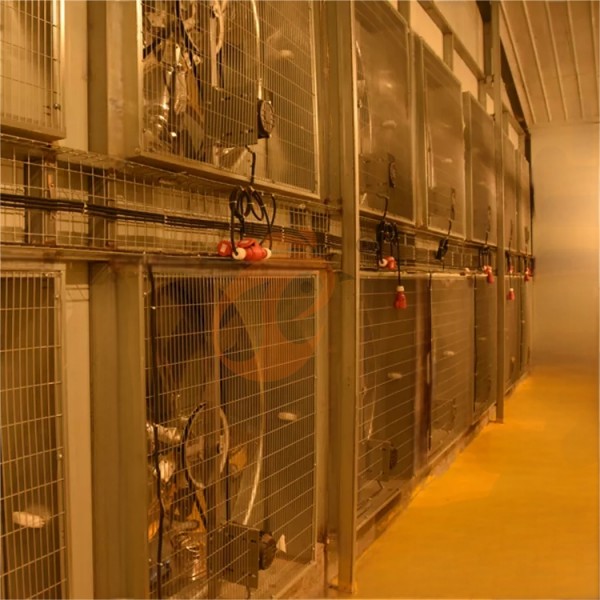
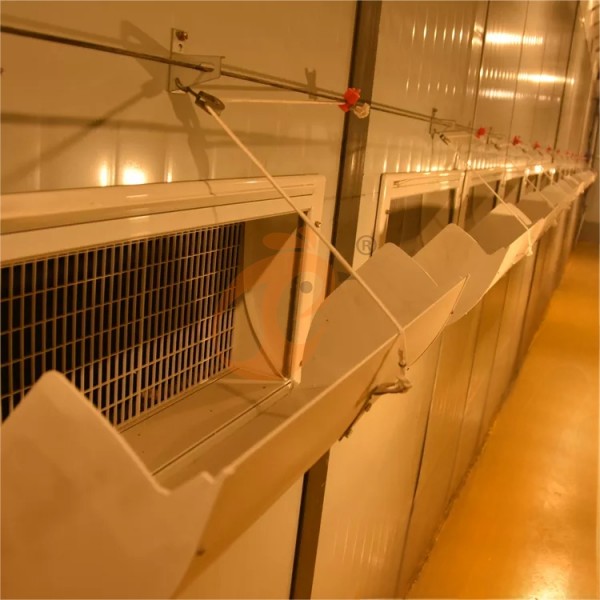
(4) Warm device gives a temperature of 28℃-37℃ to baby chicken according to its different age.
(5) Cooling device gives a temperature 18℃-27℃ to older chicken according to its different age.
(6) Humidity device gives a humidity 40%-70% to chicken according to its different age.
Please contact us to give your exact solution according to your breeding quantity and farm condition.
Visit our products to learn more...
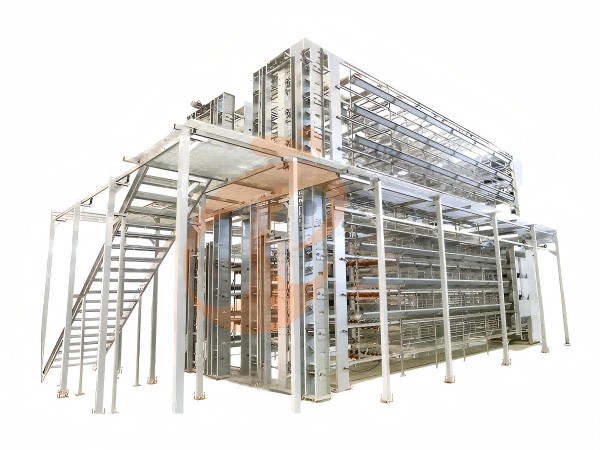
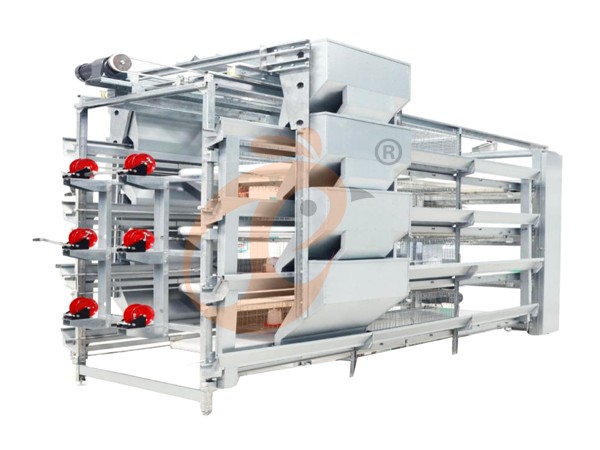
7. Recommended Related Battery Cage System
To learn more, please visit product list...
8. Contact Us And Let's Build Your Intelligent Project
(1) Our headquarte is in HongKong. We own office and factories branches in China, Ethiopia, Tanzania and Nigeria.
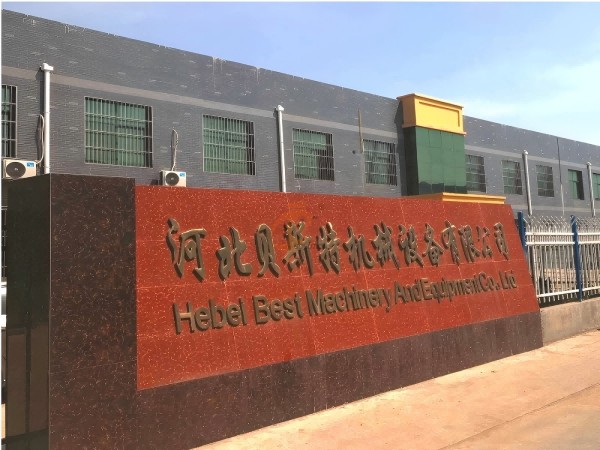
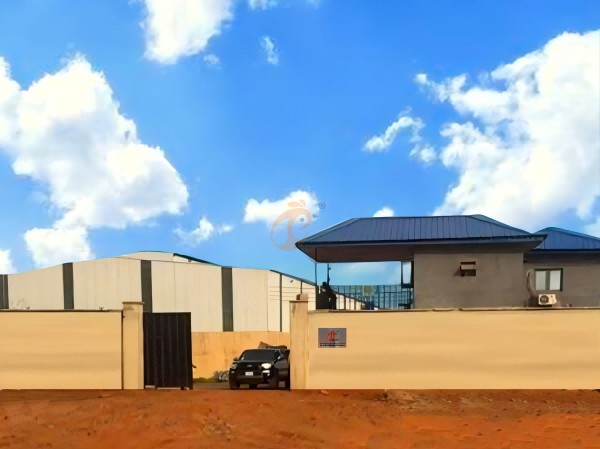
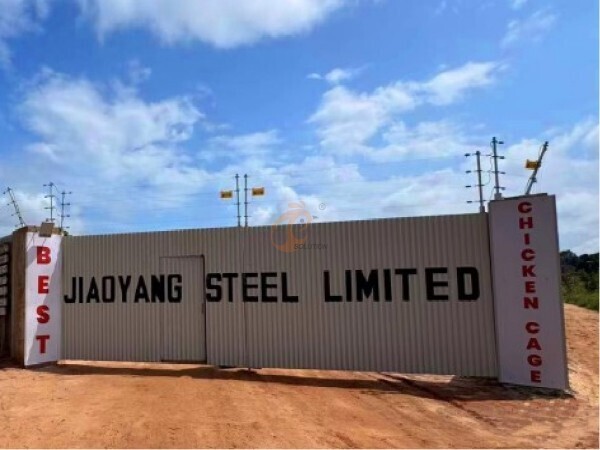
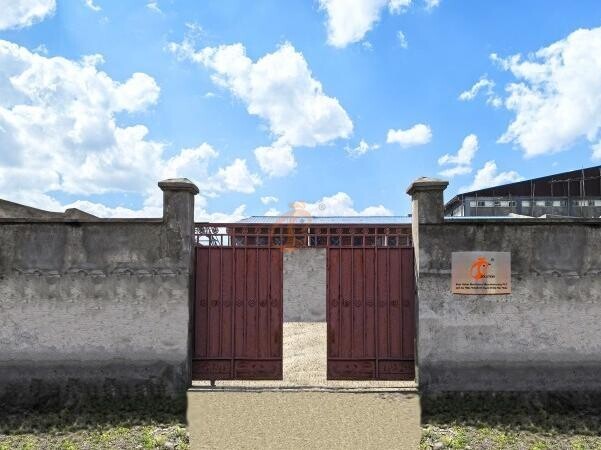
(2) Every year many customers visit us, and we visit customers and their project too, welcome you!
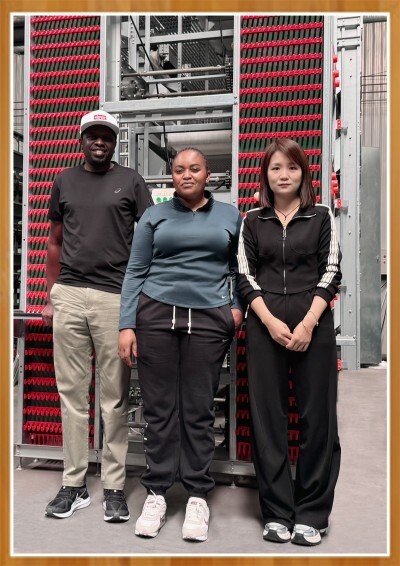
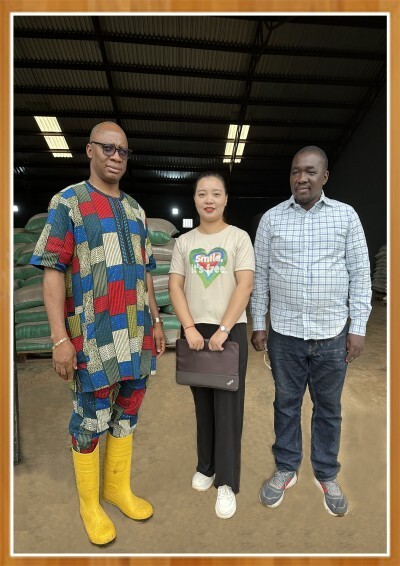
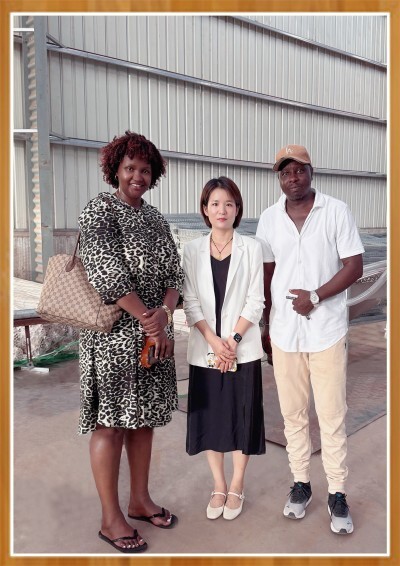

(3) The factory serves you directly, get European quality poultry equipment with 30% lower price.
(4) For fast response, feel free to contact us directly via WhatsApp at +8618830120193, please provide the following information:
Your full name
Phone number (including WhatsApp ID)
Email address
Farm location (country/region)
Total land area of your farm
Type of poultry: layer, broiler, or pullet
Expected bird capacity
Equipment you're interested in (poultry farm turnkey project, chicken cages, name of poultry farm equipment.)
Certified





Tag
Message
Search
Product category
Contact us
Phone(whatsapp No. ):
E-mail:
Office 1 (Hong Kong):
Flat/RM A, 15/F, ManlyCommercial Building 15 Soy Street, Mong Kok
Office 2 (China Mainland):
Flat/RM 2416, 24/F, Runxing Building, Youyi Nan Street, Shijiazhuang City, Hebei Province