



News
A-type chicken cage installation in Ethiopia helps farmers increase egg production efficiency while maintaining structured poultry management systems.
Proper installation improves ventilation, structural stability, and bird welfare under Ethiopian climate conditions.
Organized cage layouts support efficient feeding, watering, and egg collection across multiple tiers.
Accurate foundation preparation protects cage structures from vertisol soil movement during seasonal rainfall.
Professional cage assembly reduces maintenance frequency and improves long-term farm productivity.
Standardized installation procedures simplify management for both small and commercial poultry operations.
Get professional poultry farm construction guidance, equipment selection solutions, and the latest price lists, whatsApp to +8618830120193, click to learn more:

Ethiopia Branch Office And Factory Of Poultry Farm Equipment
Why The A-Type Cage Is The ''Green Gold'' Of Ethiopia
Before we dive into the technical installation process, let's discuss the production strategy.
In regions like Oromia and Amhara, ventilation plays a critical role in poultry performance.
The A-frame structure allows natural airflow circulation, which helps manage temperature changes in the Ethiopian Highlands.
Compared with the vertical H-frame design, the A-type layer cage system requires fewer mechanical ventilation devices and reduces electricity consumption for medium-scale farms.
Data is for reference only.Swipe horizontally to view full table.
Site Selection And Foundation Preparation
In Ethiopia, land preparation determines the stability of the entire poultry building.
Whether a farm is located near Hawassa or Modjo, the construction site must be leveled before cage installation.
Black Cotton Soil (vertisol) expands during rainfall and contracts during dry seasons, which requires reinforced flooring.
Orientation: Align the poultry house east to west to reduce direct solar radiation on birds during midday.
The floor: A concrete floor must be at least 10 cm thick to support cage structures and bird weight.
Drainage: The concrete floor should include a 2% slope directing water toward drainage outlets.
Data is for reference only.Swipe horizontally to view full table.
Unpacking And Inventory Management
When the cage system arrives through the Djibouti logistics corridor, the number of components can appear overwhelming.
Farm operators should count every component before installation begins.
In rural Ethiopian regions, missing bolts or screws may require traveling to distant hardware markets.
Components should be categorized into three installation groups.
The skeleton: Heavy-duty A-frames supporting the entire cage structure.
The living quarters: Cage meshes, partitions, and doors.
The life support system: Nipple drinkers, PVC water lines, and feed troughs.
Data is for reference only.Swipe horizontally to view full table.
Erecting The Main A-Frames
The A-frame is the backbone of the cage installation.
Each frame must remain vertically aligned to prevent structural deviation along the entire row.
Layout: Mark the installation line using a tension string.
Spacing: Frames should normally be installed 2 meters apart, depending on manufacturer specifications.
Anchoring: Expansion bolts secure frames to the concrete floor to prevent movement during seasonal winds.
Builders sometimes use a water tube leveling method when a spirit level is unavailable.
This traditional technique provides accurate horizontal alignment for cage installation.
Installing Cage Meshes And Partitioning
Once the main structure is assembled, the cage compartments can be installed.
The process begins from the bottom tier and continues upward to upper tiers.
Slide the meshes: Bottom cages attach to frame hooks.
Slope adjustment: The egg-laying mesh should maintain a 7° slope to allow eggs to roll toward the collection plate.
Egg plate: The front egg plate must remain smooth to prevent egg shell micro-cracks.
Data is for reference only.Swipe horizontally to view full table.
Setting Up The Automatic Watering System
Water supply directly affects egg production and bird health.
Common laying breeds in Ethiopian farms include Bovans Brown and Lohmann White.
Water tank installation: The tank must be elevated 2–3 meters above cage level to create gravity pressure.
Filtration: Install a 100-micron filter to prevent sediment from blocking nipple drinkers.
Pipe layout: PVC water pipes run along each tier, providing two nipple drinkers per cage cell.
Data is for reference only.Swipe horizontally to view full table.
Installing Feed Troughs And Manure Deflectors
Feed accounts for approximately 70% of poultry production costs in Ethiopia.
Minimizing feed waste is essential for maintaining economic sustainability.
Trough height must allow hens to reach feed comfortably without scratching feed outside the trough.
Manure deflectors installed between tiers prevent droppings from falling onto lower cages.
Collected manure can be sold as organic fertilizer.
Typical organic poultry manure may be sold around 180–300 Ethiopian Birr per 50 kg bag (European union reference price only) depending on regional demand.
Final Inspection And Biosecurity Setup
Before birds are introduced, a complete system inspection must be conducted.
Check sharp edges: Smooth exposed wire points using metal files.
Leak inspection: Run water through pipes and inspect every connection point.
Footbath installation: A disinfectant footbath must be installed at the poultry house entrance.
Data is for reference only.Swipe horizontally to view full table.
Managing The Ethiopian Factor: Climate And Economy
Farm management decisions in Ethiopia often depend on seasonal egg demand patterns.
Egg prices frequently change during religious fasting seasons such as Abiy Tsom.
For example, egg prices may reach 9–13 Ethiopian Birr per egg (European union reference price only) depending on local market demand.
Farmers often schedule pullet placement so egg production begins after fasting periods.
Electricity interruptions can affect poultry lighting systems.
Installing small solar backup systems ensures stable 16-hour lighting schedules necessary for egg production.
Data is for reference only.Swipe horizontally to view full table.
Frequently Asked Questions
Q1: How long does A-type chicken cage installation take on a farm?
A1: A 1,000-bird A-type cage system installation typically requires 2–3 days with a team of 4 technicians depending on house preparation and equipment availability.
Q2: What floor thickness is recommended for A-type cage installation?
A2: Concrete flooring should be at least 10 cm thick to support cage frames, bird weight, and feeding equipment without structural movement.
Q3: How many birds can be raised in a 4-tier A-type cage unit?
A3: A standard 4-tier A-type cage system can house approximately 64 laying hens depending on cage dimensions and ventilation conditions.
Ethiopia Best Hebei Machinery Manufacturing Plc - One Of Ethiopia Largest Poultry Cage Manufacturer
• Global factory direct supply for professional poultry farm equipment.
• Complete poultry cage systems including A-type and H-frame structures for 1,000–50,000 bird farms.
• Turn-key poultry farm engineering services covering cage design, installation planning, and equipment configuration.
• Production capacity includes hot-dip galvanized poultry cage with 275 g/m² zinc coating and 25+ year service life.
• Integrated systems including feeding lines, nipple drinkers, manure removal, and ventilation equipment for modern poultry farms.
Contact Us To Received Your Customized Poultry Farm Plan
Headquarters And Branchs

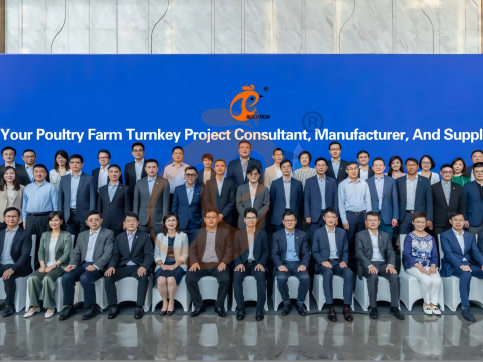
Hong Kong Headquarter Management Team
Hong Kong Headquarter Taiyu Industrial Group CO., LTD
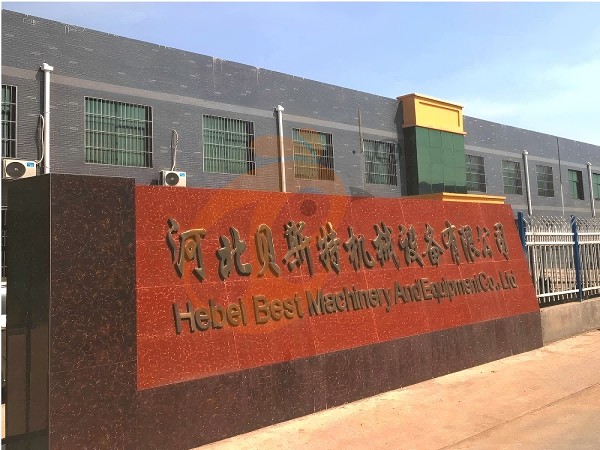
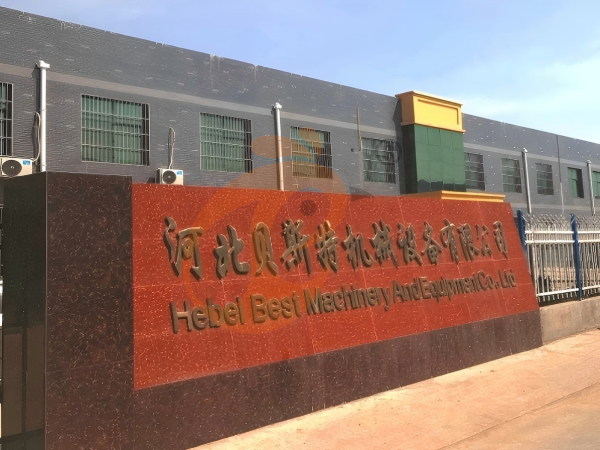
China Hebei Best Machinery And Equipment CO., LTD
Nigeria Vanke Machinery And Equipment CO., LTD
Tanzania Best Machinery And Equipment CO., LTD
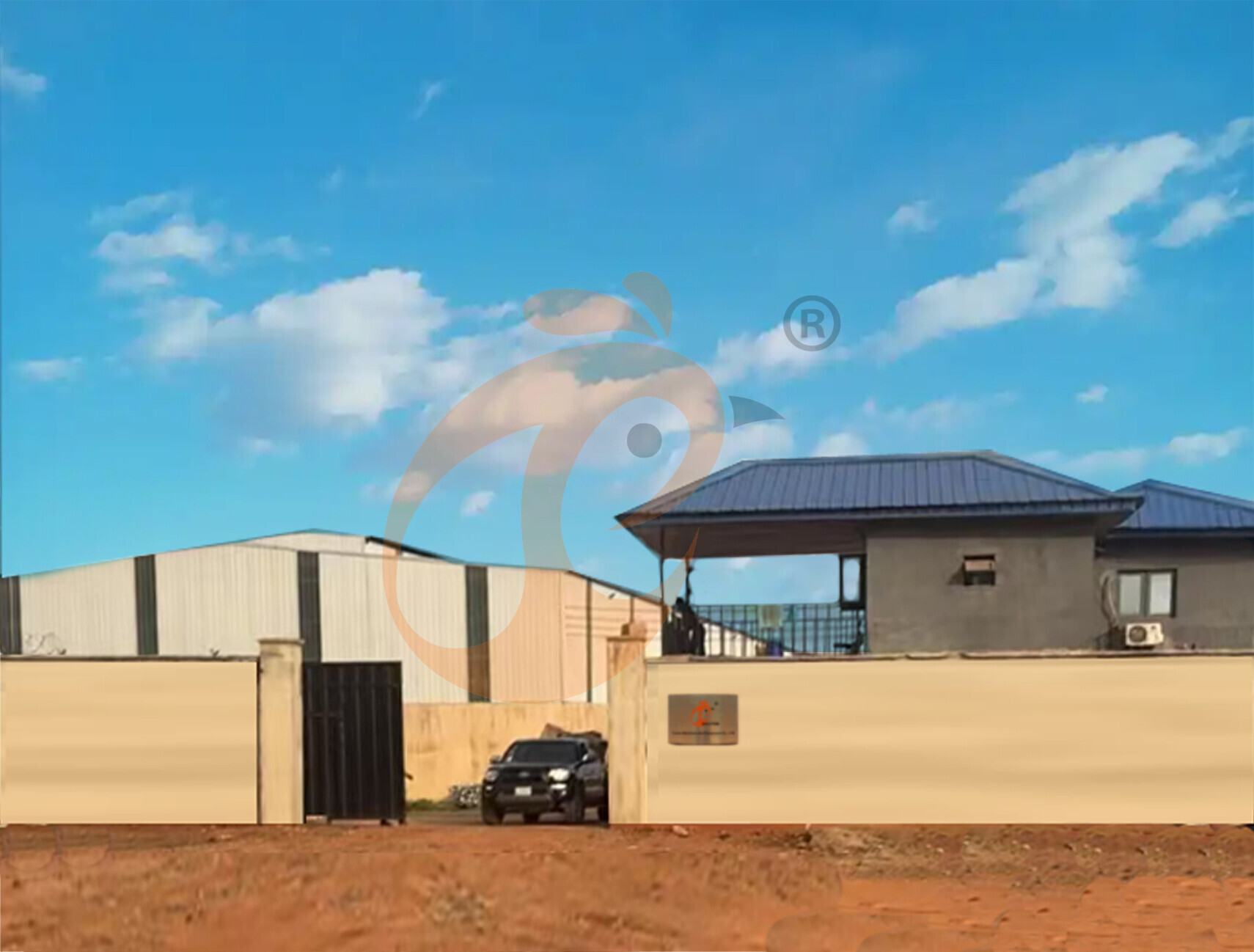
Ethiopia Best Hebei Machinery Manufacturing PLC
Reception /24 WhatsApp NO. : +8618830120193
Product Recommendations
 How To Clean Commercial Broiler Chicken Cages | 6 Practical Hygiene Steps1. Industrial sanitation cycles regulate microbial load in controlled environments
2. Mechanical separation enhances downstream chemical reaction efficiency
3. Hydrodynamic systems stabilize surface cleanliness consistency
4. Integrated workflows improve operational predictability in production systems
5. Reception /WhatsApp NO. : +8618830120193Read more What Is The Lifespan Of Industrial H Type Layer Chicken Battery Cages?1. Advanced structural design improves operational reliability across production cycles
2. Corrosion control strategies enhance durability under intensive housing conditions
3. Preventive maintenance planning supports stable long-term asset performance
4. Automation integration increases efficiency while reducing mechanical wear
5. Reception /WhatsApp NO. : +8618830120193Read more How To Maintain An A Type Chicken Cage For Egg Laying? 6 Low-Cost Tips1. Structural inspections maintain cage integrity and reduce mechanical stress
2. Environmental control stabilizes humidity and prevents corrosion progression
3. Slope calibration ensures uniform egg rollout and minimizes breakage risk
4. Preventive maintenance reduces operational costs and improves long-term efficiency
5. Reception /WhatsApp NO. : +8618830120193Read more Deep Litter Poultry Farming Problems | 6 Common Issues And Solutions1. Proper litter management ensures healthier birds and lower mortality
2. Moisture control reduces ammonia buildup and pathogen proliferation effectively
3. Bedding selection and ventilation improve overall flock growth performance
4. Integrated pest control and monitoring enhance farm productivity consistently
5. Reception /WhatsApp NO. : +8618830120193Read more Feed Mixer Vs Blender | Which Saves Labor And Energy?1. Poultry feed mixing connects ingredients through controlled mechanical action
2. Automatic feed systems reduce repeated material handling stages
3. Industrial feed equipment supports scalable production planning
4. Integrated conveyors create continuous material movement
5. Reception /WhatsApp NO. : +8618830120193Read more Manual Vs Automatic Feeding In H Type Chicken Cage Systems1. H Type Chicken Cage Systems organize cage tiers around coordinated feeding equipment
2. Automatic feeding routes reduce repeated manual feed transportation inside cage houses
3. Feeding equipment selection depends on house length, bird capacity, and storage layout
4. Integrated poultry equipment connects feeding with drinking and manure management
5. Reception /WhatsApp NO. : +8618830120193Read more A Type Battery Cage Vs H Type Cage System: 7 Key Differences For Poultry Farms1. A Type cages use inclined structural arrangements
2. H Type cages maximize vertical poultry house space
3. Automation coordinates feeding, collection, and manure handling
4. Equipment parameters depend on project engineering requirements
5. Reception /WhatsApp NO. : +8618830120193Read more Deep Litter Broiler House Design | 6 Practical Layout Tips1. Proper feeder positioning supports consistent bird access across 4 growth stages
2. Water lines require practical flushing and inspection points every 25 meters
3. Airflow planning should precede final fan installation by 2 engineering reviews
4. Cooling capacity depends on climate and house geometry within 150-meter buildings
5. Reception /WhatsApp NO. : +8618830120193Read more Free Range Broiler House Design | 6 Practical Layout Tips1. Free range broiler houses require coordinated equipment placement
2. Outdoor access should remain separate from service circulation
3. Feeding and drinking lines need balanced distribution
4. Ventilation design depends on building dimensions
5. Reception /WhatsApp NO. : +8618830120193Read more 5 Tips To Optimize Pellet Machine Feed Flow1. Pellet diameter influences downstream handling performance
2. Conditioning stability supports consistent pellet formation
3. Conveying capacity prevents production bottlenecks
4. Automation improves repeatable feed distribution
5. Reception /WhatsApp NO. : +8618830120193Read more Automatic Feed Mill Vs Semi-Automatic | Which Increases Output?1. Automatic feed mill output depends on coordinated process conditions.
2. Grinding consistency directly affects downstream pellet formation.
3. Poultry feed production line layouts should preserve service access.
4. Chicken feed mill equipment requires matched material handling.
5. Reception /WhatsApp NO. : +8618830120193Read more Economy Poultry Cage Vs Automatic System Cost: Which Fits Your Budget?1. Poultry cage selection depends on production scale and workflow design
2. Automatic systems coordinate repetitive operations through integrated equipment modules
3. Layer cage system planning requires accurate house dimensions and engineering review
4. Equipment quotations should separate supply scope from installation responsibilities
5. Reception /WhatsApp NO. : +8618830120193Read more What Makes A Factory-Direct A Type Chicken Battery Cage More Cost-Effective? 4 Reasons1. A Type chicken battery cage supports structured commercial layer housing systems
2. Multi-tier cage layouts organize bird capacity within defined building dimensions
3. Integrated poultry equipment coordinates feeding drinking manure and egg handling
4. Turn-key engineering connects equipment selection with installation requirements
5. Reception /WhatsApp NO. : +8618830120193Read more Deep Litter System For Broilers Vs Cage | Which Is More Profitable?1. Deep Litter System For Broilers requires coordinated ventilation and feeding design
2. Broiler Cage System changes manure handling and building utilization economics
3. Broiler Poultry Equipment selection depends on capacity and operating conditions
4. Production-cycle analysis should cover multiple completed flocks
5. Reception /WhatsApp NO. : +8618830120193Read more Free Range Broiler System Vs Intensive Farming | Which Is More Profitable?1. Commercial broiler houses require coordinated airflow calculations before fan quantities are finalized
2. Feeding and drinking layouts depend on bird numbers, final weight, and equipment allocation
3. Cooling requirements vary according to climate, house structure, and target environmental conditions
4. Environmental controllers coordinate multiple systems according to programmed operating parameters
5. Reception /WhatsApp NO. : +8618830120193Read more Broiler Floor Rearing System Cost | 6 Factors Affecting Price1. Broiler houses require coordinated equipment placement for stable operation
2. Feeding lines require accessible inspection points during production
3. Ventilation layouts depend on building geometry and climate
4. Water systems require filtration before distribution lines
5. Reception /WhatsApp NO. : +8618830120193Read more A Type Vs H Type Battery Cage For Layers | Which Is Better For Egg Production?1. A Type systems use stepped cage structures for accessible flock inspection
2. H Type systems use vertical tiers for intensive building utilization
3. Automatic systems connect feeding, drinking, manure, and egg handling
4. Equipment selection depends on flock capacity and house dimensions
5. Reception /WhatsApp NO. : +8618830120193Read more Multi-Tier Vs Single-Tier Broiler Chicken Cages | Which Boosts Production?1. Multi-tier cage layouts require coordinated structural clearance during initial planning
2. Ventilation routes should align with cage-level production zones
3. Feeding lines require accurate mechanical positioning before commissioning begins
4. Manure conveyors should maintain accessible inspection points throughout each level
5. Reception /WhatsApp NO. : +8618830120193Read more Deep Litter Broiler Farming Cost | 5 Key Factors1. Deep litter systems support organized commercial broiler production
2. Integrated equipment improves coordination across daily farming operations
3. Automation reduces repetitive handling within poultry house workflows
4. Environmental systems maintain controlled operational production conditions
5. Reception /WhatsApp NO. : +8618830120193Read more Free Range Broiler Farming Cost | 5 Key Price Factors1. Free range systems combine controlled housing and outdoor access
2. Automated equipment supports consistent daily poultry management operations
3. Integrated layouts simplify expansion across commercial production facilities
4. Climate control maintains stable indoor operating conditions continuously
5. Reception /WhatsApp NO. : +8618830120193Read more High Density Vs Low Density Battery Cage For Layers | Which Performs Better?1. Layer battery cage layouts require coordinated structural planning and equipment positioning
2. Automatic feeding systems require accurate line-length and motor-load calculations
3. Egg collection equipment should align transfer routes with packing areas
4. Manure removal systems require accessible maintenance zones and belt alignment
5. Reception /WhatsApp NO. : +8618830120193Read more Pellet Machine Lubrication | 6 Essential Steps For Longevity1. Regular lubrication helps maintain mechanical contact surfaces during repeated pellet production cycles
2. Cleaning procedures reduce contamination around critical moving components during servicing operations
3. Inspection records provide measurable evidence for maintenance decisions across production periods
4. Correct lubricant selection supports bearings, gear systems, shafts, and transmission assemblies
5. Reception /WhatsApp NO. : +8618830120193Read more Manual Feeding Vs Feed Mixer Automation | Which Costs Less?1. Feed mixer automation connects preparation and distribution stages
2. Mechanical mixing reduces repeated manual feed handling
3. Controlled conveying establishes a fixed material route
4. Automatic feeding supports scheduled delivery operations
5. Reception /WhatsApp NO. : +8618830120193Read more Poultry Cage Price For Africa Vs Asia Market: 4 Cost Differences1. Poultry cage layouts depend on flock capacity and house geometry
2. Equipment specifications should align with local operating conditions
3. Shipping calculations require verified packing dimensions and quantities
4. Commissioning procedures should cover mechanical and electrical systems
5. Reception /WhatsApp NO. : +8618830120193Read more H Type Chicken Cages Vs Flat House Poultry Systems: Which Saves Space?1. H Type Chicken Cages distribute birds across multiple vertical levels
2. Automatic feeding equipment follows dedicated cage-row routes
3. Manure removal equipment transfers waste toward collection points
4. Building dimensions determine final equipment arrangement and capacity
5. Reception /WhatsApp NO. : +8618830120193Read more How To Avoid Common Buying Mistakes When Choosing An A Type Poultry Cage? 5 Smart Tips1. Cage selection should follow building dimensions and flock requirements
2. Equipment interfaces require verification before manufacturing starts
3. Technical drawings help prevent installation conflicts and modifications
4. Automation modules can be selected according to operational priorities
5. Reception /WhatsApp NO. : +8618830120193Read more How To Improve Growth Rate In Broiler Floor Rearing System | 5 Tips1. Broiler houses require coordinated airflow, feeding, and drinking equipment
2. Environmental conditions influence bird comfort and production consistency
3. Automatic systems reduce repetitive manual management during daily operations
4. Equipment layout should follow flock capacity and house dimensions
5. Reception /WhatsApp NO. : +8618830120193Read more Poultry Farm Equipment Cost | 6 Key Factors Affecting Price And ROI1. Poultry farm equipment selection should match bird capacity and building dimensions
2. Automatic systems coordinate repetitive operations across multiple production areas
3. Ventilation equipment requires airflow calculations based on house conditions
4. Lifecycle costing should include maintenance, energy, and replacement requirements
5. Reception /WhatsApp NO. : +8618830120193Read more Hot-Dip Galvanized Vs Painted Battery Cage For Layers | Which Lasts Longer?1. Hot-dip galvanization creates zinc-based protection around prepared steel surfaces
2. Layer-house humidity and ammonia influence corrosion exposure during operation
3. Automatic feeding and manure systems require compatible cage-bank layouts
4. Maintenance planning remains important throughout commercial equipment service
5. Reception /WhatsApp NO. : +8618830120193Read more High Density Vs Low Density Broiler Chicken Cages | Which Performs Better?1. Multi-tier cage structures organize commercial broiler production vertically
2. Automatic feeding reduces repetitive manual feed distribution work
3. Ventilation design must match total building heat loads
4. Manure removal equipment supports cleaner production workflows
5. Reception /WhatsApp NO. : +8618830120193Read more How To Upgrade Old Water Lines To Nipple Drinkers | 5 Steps1. Drinking lines require systematic inspection before replacement work begins
2. Nipple positions should follow bird access and house geometry
3. Pressure checks verify proper operation across complete lines
4. Flushing removes installation debris before flock commissioning
5. Reception /WhatsApp NO. : +8618830120193Read more Floor Rearing System For Broilers Vs Cage | Which Grows Faster?1. Floor systems provide broilers with direct access to littered floor areas
2. Automatic feeding systems distribute formulated feed through mechanical delivery lines
3. Nipple drinking systems provide controlled water access throughout production areas
4. Ventilation systems regulate air movement through mechanically controlled airflow
5. Reception /WhatsApp NO. : +8618830120193Read more Imported Vs Local Feed Mills | Which Offers Better Quality?1. Feed quality depends on coordinated processing stages
2. Grinding consistency influences subsequent mixing performance
3. Conditioning prepares mash for controlled pellet formation
4. Cooling stabilizes pellets before storage and handling
5. Reception /WhatsApp NO. : +8618830120193Read more 3 Key Differences Between H Type Chicken Cages And Traditional Layer Cages1. H Type cages arrange multiple tiers within poultry houses
2. Automatic systems coordinate feeding and manure removal operations
3. Egg conveyors transfer collected eggs toward centralized handling points
4. Environmental equipment regulates ventilation cooling and drinking conditions
5. Reception /WhatsApp NO. : +8618830120193Read more Floor Rearing Broiler Farming | 5 Essential Management Tips1. Floor-rearing houses require coordinated environmental and mechanical systems
2. Feed delivery depends on reliable conveying and distribution equipment
3. Water management requires stable hydraulic components and regular inspection
4. Ventilation performance depends on building geometry and equipment coordination
5. Reception /WhatsApp NO. : +8618830120193Read more Modern Poultry Equipment Vs Old Equipment | Which Is More Efficient?1. Modern poultry houses require coordinated mechanical systems for stable production
2. Feeding automation reduces repeated material handling during daily operations
3. Ventilation equipment manages airflow through controlled mechanical movement
4. Cooling systems support thermal management during elevated outdoor conditions
5. Reception /WhatsApp NO. : +8618830120193Read more Battery Cage For Layers For Sale | 5 Key Buying Factors1. Cage rows should align with house columns and service aisles
2. Feeding equipment requires coordinated drive and control positioning
3. Egg transfer routes should connect directly with collection areas
4. Manure discharge points should match waste-handling infrastructure
5. Reception /WhatsApp NO. : +8618830120193Read more 7 Practical Ways To Reduce Pellet Machine Downtime1. Pellet quality depends on formulation, moisture, particle distribution, die selection, and conditioning parameters
2. Machine loading varies according to feed characteristics and operating configuration
3. Maintenance records provide useful evidence for diagnosing recurring equipment conditions
4. Production-line capacity should be matched across upstream and downstream processing sections
5. Reception /WhatsApp NO. : +8618830120193Read more Galvanized Vs Stainless Steel Feed Mixers | Which Lasts Longer?1. Galvanized and stainless steels use different corrosion-protection mechanisms
2. Mixer durability depends on material, geometry, fabrication, loading, and maintenance
3. Batch capacity should correspond with daily feed consumption requirements
4. Drive selection must match mixer torque and operating speed
5. Reception /WhatsApp NO. : +8618830120193Read more Local Supplier Vs China Poultry Cage Factory Price: 5 Key Comparisons1. Poultry cage layouts require coordinated building dimensions and equipment interfaces
2. Automated systems require electrical planning before mechanical installation begins
3. Manure removal routes should align with cage row positions
4. Ventilation equipment requires airflow planning around house geometry
5. Reception /WhatsApp NO. : +8618830120193Read more

Search
Hot product
 HK Headquarter Offers EU-standard Poultry Farm Solutions, Manufacture Poultry Farm Equipment1. Continuous communication with the EU and the US
2. China, Nigeria, Ethiopia, Tanzania branch companies and factories
3. The products’ quality is customized for local poultry farms
4. Poultry cage and poultry farm equipment stock for sale
5. 24 online reception Whatsapp NO. : +8618830120193,contact us to get full informationRead more China Branch Offer Poultry Farm Business Plan, Manufacture Poultry Farm Equipment1. Address: Flat/RM 2416, 24/F, Runxing Building, Youyi Nan Street, Shijiazhuang City, Hebei Province, China
2. Poultry cage and poultry farm equipment factory and stock for sale
3. Customized for local poultry farms
4. Quality and design are based on Euro
5. 24 online reception Whatsapp NO. : +8618830120193Read more Nigeria Branch Offer Poultry Farm Business Plan, Manufacture Poultry Farm Equipment1. Address: After Sinoma Office, 200 Meters Near Danco Filling Station, Lagos/Ibadan Expressway, Lagos State, Nigeria
2. Poultry cage and poultry farm equipment factory and stock for sale
3. Customized for Nigerian poultry farms
4. Quality and design are based on Euro
5. 24 online reception Whatsapp NO. : +8618830120193Read more
Contact us
Phone(whatsapp No. ):
E-mail:
Office 1 (Hong Kong):
Flat/RM A, 15/F, ManlyCommercial Building 15 Soy Street, Mong Kok
Office 2 (China Mainland):
Flat/RM 2416, 24/F, Runxing Building, Youyi Nan Street, Shijiazhuang City, Hebei Province