



News
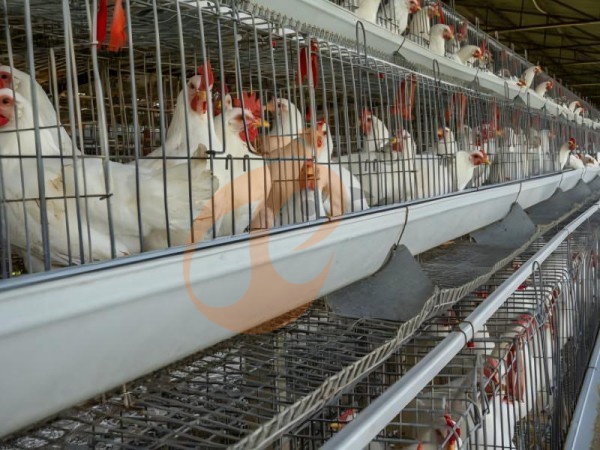
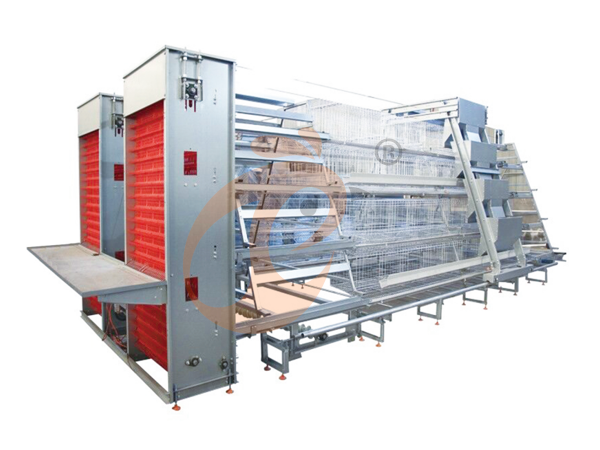
Broiler chicken cage systems mortality reduction improves poultry production efficiency through controlled environmental engineering and precision livestock management techniques.
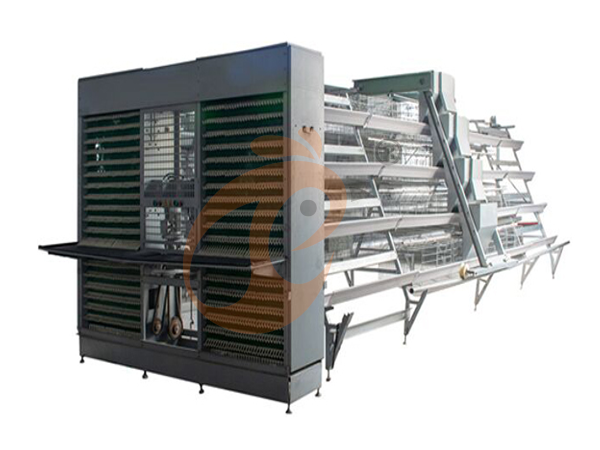
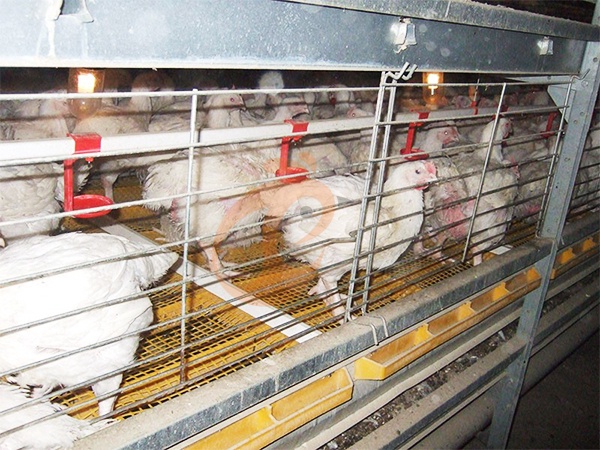
Structural cage optimization stabilizes bird distribution across multi-tier systems under high-density conditions.
Ventilation calibration regulates ammonia concentration, carbon dioxide levels, and thermal balance inside closed poultry houses.
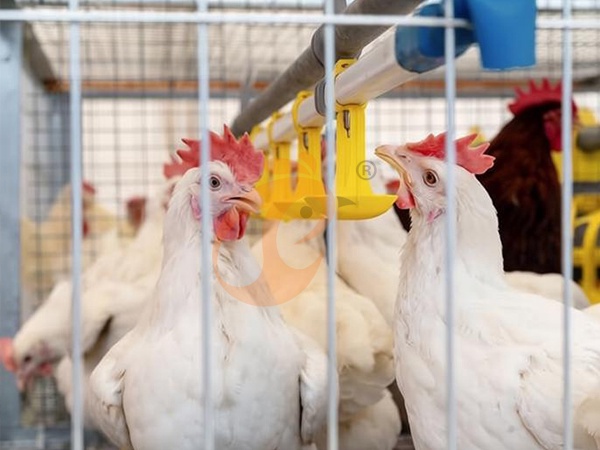
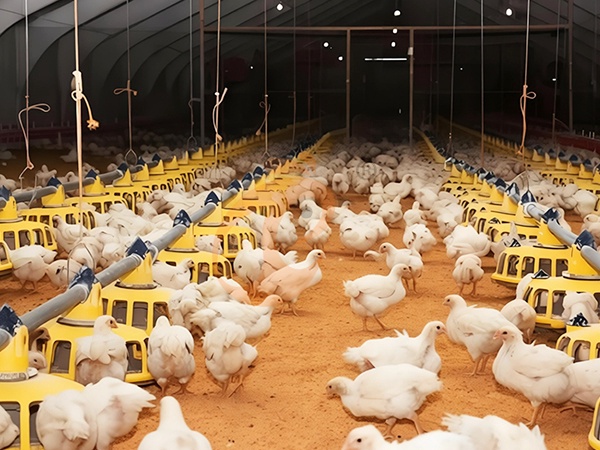
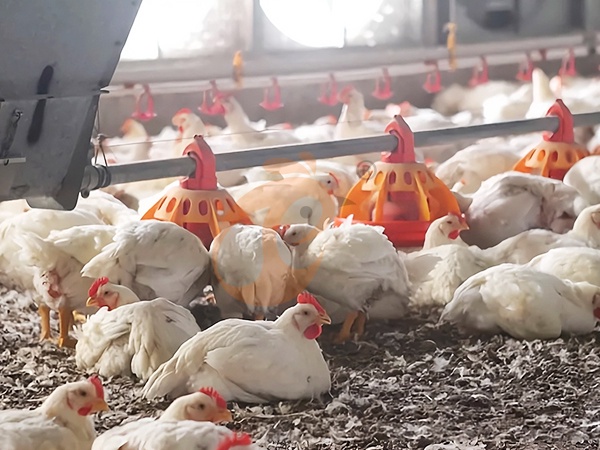
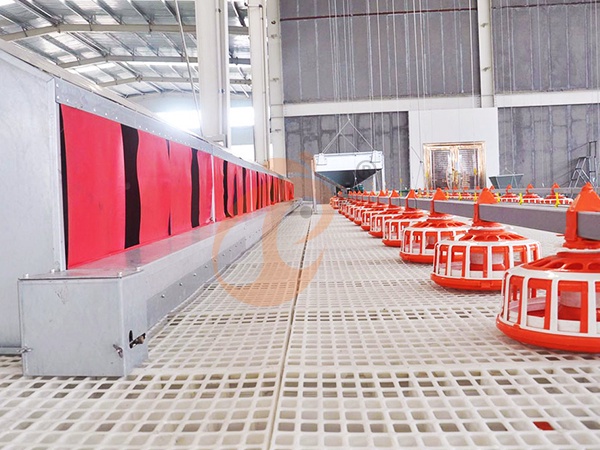
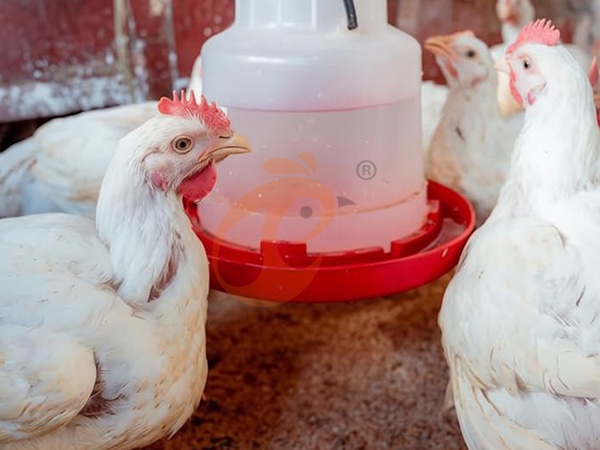
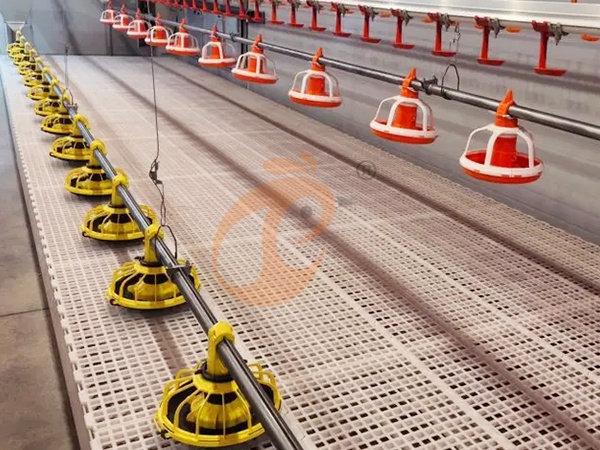
Automated feeding and drinking lines ensure uniform nutrient intake and reduce metabolic stress variation.
Vaccination scheduling combined with biosecurity protocols supports immune system stability and lowers disease-driven mortality rates.
Get professional poultry farm construction guidance, equipment selection solutions, and the latest price lists, whatsApp to +8618830120193, click to learn more:
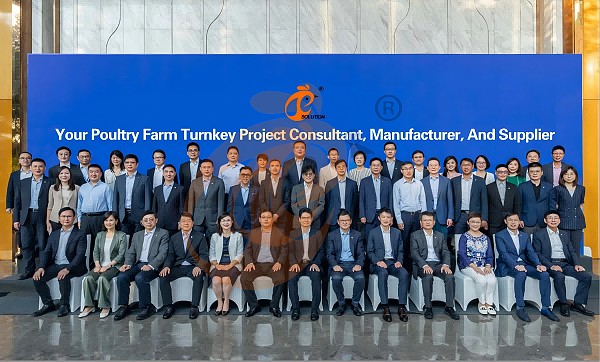
Cage System Overview And Mortality Baseline
Broiler chicken cage systems mortality reduction depends on integrated structural design and operational consistency across the full production cycle.
Data is for reference only.Swipe horizontally to view full table.
Engineering stability across cage tiers ensures uniform growth performance and reduces sudden death incidence under intensive production systems.
Cage Design Optimization For Mortality Reduction
Broiler chicken cage systems mortality reduction relies on mechanical stability, airflow distribution, and structural spacing accuracy.
Data is for reference only.Swipe horizontally to view full table.
Structural optimization improves oxygen diffusion efficiency and reduces localized heat accumulation in high-density poultry environments.
Environmental Control Precision In Cage Systems
Broiler chicken cage systems mortality reduction improves significantly under stabilized microclimate engineering and controlled air exchange systems.
Data is for reference only.Swipe horizontally to view full table.
Stable environmental regulation reduces respiratory load and maintains physiological balance during rapid growth phases.
Feeding System Precision In Cage Operations
Broiler chicken cage systems mortality reduction requires synchronized feed distribution systems and controlled intake timing mechanisms.
Data is for reference only.Swipe horizontally to view full table.
Uniform feed distribution stabilizes metabolic energy intake and reduces competition-induced stress behavior.
Water Line Hygiene And Nipple System Management
Broiler chicken cage systems mortality reduction depends on water system sanitation and pressure stabilization control.
Data is for reference only.Swipe horizontally to view full table.
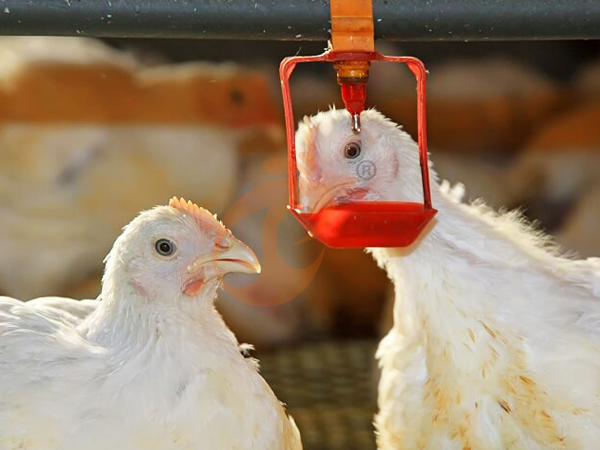
Water hygiene stability prevents microbial transmission and supports continuous hydration efficiency in cage-based systems.
Vaccination Timing In Cage-Based Broiler Production
Broiler chicken cage systems mortality reduction depends on precise immunization timing aligned with accelerated growth curves.
Data is for reference only.Swipe horizontally to view full table.
Immunization synchronization ensures antibody development before peak pathogen exposure periods.
Stocking Density Control In Cage Systems
Broiler chicken cage systems mortality reduction improves through optimized spatial allocation and reduced bird clustering pressure.
Data is for reference only.Swipe horizontally to view full table.
Controlled density distribution stabilizes oxygen consumption balance and reduces heat accumulation risk.
Scientific Mechanism Behind Cage Mortality Control
High-growth broiler genetics prioritize muscle deposition over organ proportionality, creating physiological imbalance under intensive cage conditions.
Metabolic oxygen demand increases rapidly during growth phases, while cardiovascular capacity develops at a slower rate.
Thermal stress exposure increases blood circulation load, resulting in ascites formation and cardiac failure.
Gut microbiota imbalance reduces nutrient absorption efficiency and weakens immune barrier protection.
Environmental instability accelerates endocrine disruption and increases systemic metabolic fatigue.
Controlled cage systems reduce stress load and stabilize internal physiological equilibrium.
Ventilation Engineering And Airflow Regulation
Broiler chicken cage systems mortality reduction depends on engineered airflow pressure control and oxygen renewal efficiency.
Data is for reference only.Swipe horizontally to view full table.
Airflow engineering stabilizes internal temperature distribution and reduces respiratory system overload.
Smart Monitoring And Digital Control Systems
Broiler chicken cage systems mortality reduction improves through real-time data acquisition and automated environmental correction systems.
Data is for reference only.Swipe horizontally to view full table.
Digital integration reduces reaction delay and prevents cascading system failures.
Frequently Asked Questions
Q1: What are the main factors affecting mortality in broiler chicken cage systems?
Mortality mainly depends on ventilation stability, stocking density, feed consistency, and water hygiene control.
Improper environmental regulation increases respiratory load and metabolic imbalance.
Vaccination timing errors increase infection probability under high-density conditions.
Q2: How does cage design influence broiler survival rate?
Cage geometry determines airflow uniformity and heat distribution across tiers.
Improper spacing increases ammonia concentration and stress accumulation.
Optimized structural design improves oxygen exchange efficiency and reduces physiological overload.
Q3: Why is water system management critical in cage poultry production?
Water systems act as primary transmission channels for pathogens in intensive farming.
Biofilm accumulation increases bacterial contamination risk.
Stable pressure and sanitation cycles ensure consistent hydration and metabolic stability.
Taiyu (HK) Group - One Of China Biggest Poultry Cage Manufacturer
Broiler chicken cage systems provide integrated structural engineering solutions for intensive poultry production farms worldwide.
Factory direct supply ensures consistent poultry equipment manufacturing quality and standardized production accuracy across all cage systems.
Global installation service supports turnkey poultry farm projects with automated feeding and ventilation system integration.
Advanced poultry cage production lines ensure long-term durability and optimized mortality reduction performance design.
International engineering team delivers customized poultry housing solutions for large-scale commercial broiler operations.
Contact Us To Received Your Customized Poultry Farm Plan
Headquarters And Branchs
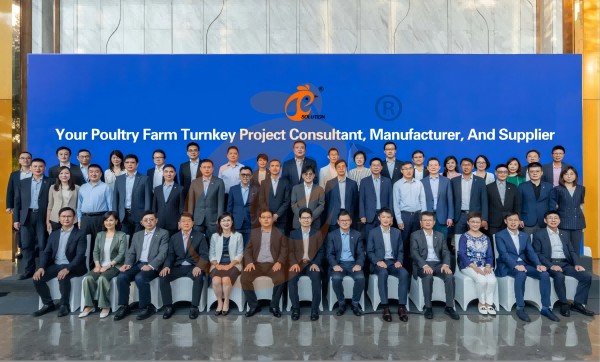
Hong Kong Headquarter Management Team
Hong Kong Headquarter Taiyu Industrial Group CO., LTD
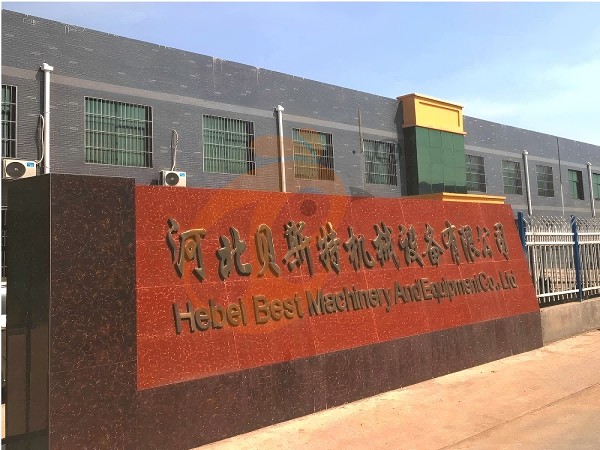
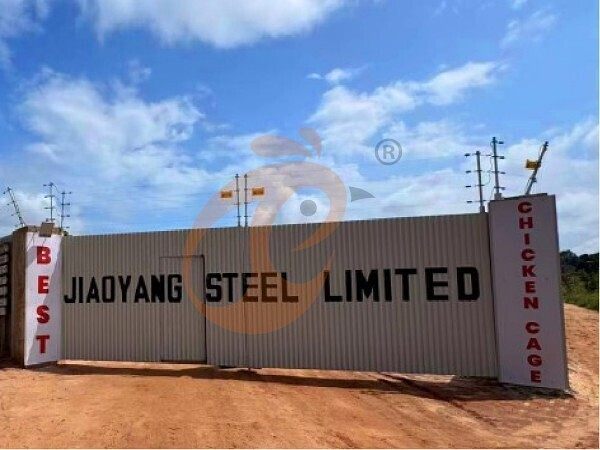
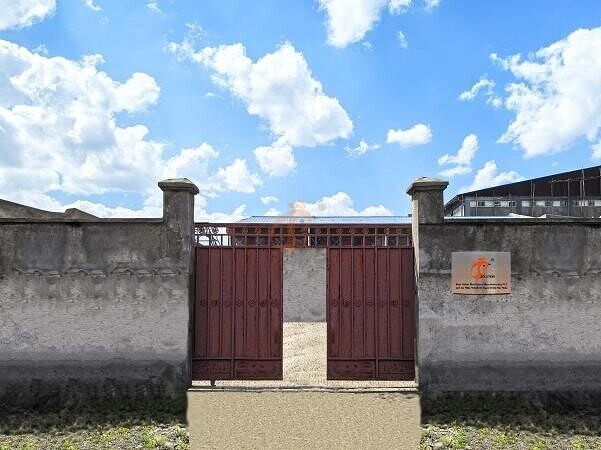
China Hebei Best Machinery And Equipment CO., LTD
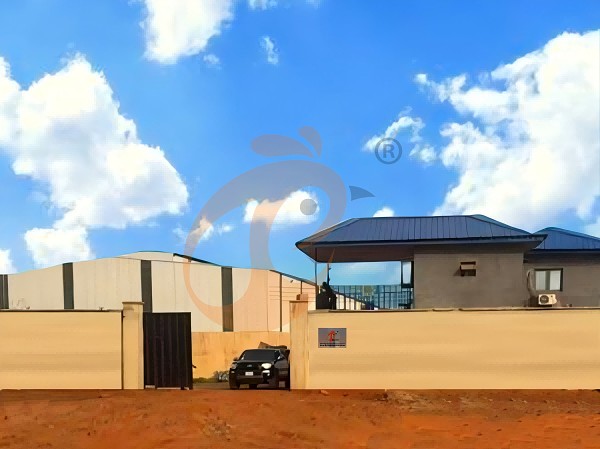
Nigeria Vanke Machinery And Equipment CO., LTD
Tanzania Best Machinery And Equipment CO., LTD
Ethiopia Best Hebei Machinery Manufacturing PLC
Reception /24 WhatsApp NO. : +8618830120193
FAQ
What Are The Material Specifications Of Broiler Chicken Cage Systems Used In Poultry Chicken Farms?
Galvanized coating thickness reaches 80–120 g/m² to prevent corrosion in humid environments.
Frame steel strength is rated above 350 MPa for long-term mechanical stability.
What Are The Ventilation Requirements For Broiler Chicken Cage Houses In Poultry Chicken Production?
Negative pressure levels are controlled between 20–30 Pa for uniform airflow distribution.
Air velocity inside cage rows ranges from 0.3–0.5 m/s to reduce heat stress.
What Is The Stocking Density Standard In Broiler Chicken Cage Systems For Poultry Chicken Production?
Live weight allocation reaches 30–35 kg per square meter at market stage for optimized yield.
Space per bird is controlled within 450–550 cm² for uniform growth performance.
Product Recommendations
 How To Clean Commercial Broiler Chicken Cages | 6 Practical Hygiene Steps1. Industrial sanitation cycles regulate microbial load in controlled environments
2. Mechanical separation enhances downstream chemical reaction efficiency
3. Hydrodynamic systems stabilize surface cleanliness consistency
4. Integrated workflows improve operational predictability in production systems
5. Reception /WhatsApp NO. : +8618830120193Read more What Is The Lifespan Of Industrial H Type Layer Chicken Battery Cages?1. Advanced structural design improves operational reliability across production cycles
2. Corrosion control strategies enhance durability under intensive housing conditions
3. Preventive maintenance planning supports stable long-term asset performance
4. Automation integration increases efficiency while reducing mechanical wear
5. Reception /WhatsApp NO. : +8618830120193Read more How To Maintain An A Type Chicken Cage For Egg Laying? 6 Low-Cost Tips1. Structural inspections maintain cage integrity and reduce mechanical stress
2. Environmental control stabilizes humidity and prevents corrosion progression
3. Slope calibration ensures uniform egg rollout and minimizes breakage risk
4. Preventive maintenance reduces operational costs and improves long-term efficiency
5. Reception /WhatsApp NO. : +8618830120193Read more Deep Litter Poultry Farming Problems | 6 Common Issues And Solutions1. Proper litter management ensures healthier birds and lower mortality
2. Moisture control reduces ammonia buildup and pathogen proliferation effectively
3. Bedding selection and ventilation improve overall flock growth performance
4. Integrated pest control and monitoring enhance farm productivity consistently
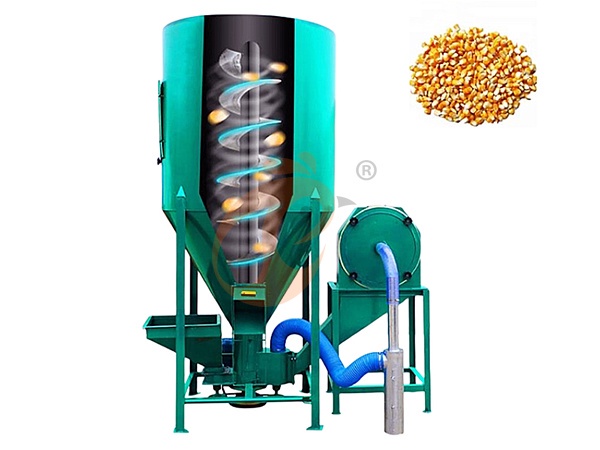
5. Reception /WhatsApp NO. : +8618830120193Read more Feed Mixer Vs Blender | Which Saves Labor And Energy?1. Poultry feed mixing connects ingredients through controlled mechanical action
2. Automatic feed systems reduce repeated material handling stages
3. Industrial feed equipment supports scalable production planning
4. Integrated conveyors create continuous material movement
5. Reception /WhatsApp NO. : +8618830120193Read more Manual Vs Automatic Feeding In H Type Chicken Cage Systems1. H Type Chicken Cage Systems organize cage tiers around coordinated feeding equipment
2. Automatic feeding routes reduce repeated manual feed transportation inside cage houses
3. Feeding equipment selection depends on house length, bird capacity, and storage layout
4. Integrated poultry equipment connects feeding with drinking and manure management
5. Reception /WhatsApp NO. : +8618830120193Read more A Type Battery Cage Vs H Type Cage System: 7 Key Differences For Poultry Farms1. A Type cages use inclined structural arrangements
2. H Type cages maximize vertical poultry house space
3. Automation coordinates feeding, collection, and manure handling
4. Equipment parameters depend on project engineering requirements
5. Reception /WhatsApp NO. : +8618830120193Read more Deep Litter Broiler House Design | 6 Practical Layout Tips1. Proper feeder positioning supports consistent bird access across 4 growth stages
2. Water lines require practical flushing and inspection points every 25 meters
3. Airflow planning should precede final fan installation by 2 engineering reviews
4. Cooling capacity depends on climate and house geometry within 150-meter buildings
5. Reception /WhatsApp NO. : +8618830120193Read more Free Range Broiler House Design | 6 Practical Layout Tips1. Free range broiler houses require coordinated equipment placement
2. Outdoor access should remain separate from service circulation
3. Feeding and drinking lines need balanced distribution
4. Ventilation design depends on building dimensions
5. Reception /WhatsApp NO. : +8618830120193Read more 5 Tips To Optimize Pellet Machine Feed Flow1. Pellet diameter influences downstream handling performance
2. Conditioning stability supports consistent pellet formation
3. Conveying capacity prevents production bottlenecks
4. Automation improves repeatable feed distribution
5. Reception /WhatsApp NO. : +8618830120193Read more Automatic Feed Mill Vs Semi-Automatic | Which Increases Output?1. Automatic feed mill output depends on coordinated process conditions.
2. Grinding consistency directly affects downstream pellet formation.
3. Poultry feed production line layouts should preserve service access.
4. Chicken feed mill equipment requires matched material handling.
5. Reception /WhatsApp NO. : +8618830120193Read more Economy Poultry Cage Vs Automatic System Cost: Which Fits Your Budget?1. Poultry cage selection depends on production scale and workflow design
2. Automatic systems coordinate repetitive operations through integrated equipment modules
3. Layer cage system planning requires accurate house dimensions and engineering review
4. Equipment quotations should separate supply scope from installation responsibilities
5. Reception /WhatsApp NO. : +8618830120193Read more What Makes A Factory-Direct A Type Chicken Battery Cage More Cost-Effective? 4 Reasons1. A Type chicken battery cage supports structured commercial layer housing systems
2. Multi-tier cage layouts organize bird capacity within defined building dimensions
3. Integrated poultry equipment coordinates feeding drinking manure and egg handling
4. Turn-key engineering connects equipment selection with installation requirements
5. Reception /WhatsApp NO. : +8618830120193Read more Deep Litter System For Broilers Vs Cage | Which Is More Profitable?1. Deep Litter System For Broilers requires coordinated ventilation and feeding design
2. Broiler Cage System changes manure handling and building utilization economics
3. Broiler Poultry Equipment selection depends on capacity and operating conditions
4. Production-cycle analysis should cover multiple completed flocks
5. Reception /WhatsApp NO. : +8618830120193Read more Free Range Broiler System Vs Intensive Farming | Which Is More Profitable?1. Commercial broiler houses require coordinated airflow calculations before fan quantities are finalized
2. Feeding and drinking layouts depend on bird numbers, final weight, and equipment allocation
3. Cooling requirements vary according to climate, house structure, and target environmental conditions
4. Environmental controllers coordinate multiple systems according to programmed operating parameters
5. Reception /WhatsApp NO. : +8618830120193Read more Broiler Floor Rearing System Cost | 6 Factors Affecting Price1. Broiler houses require coordinated equipment placement for stable operation
2. Feeding lines require accessible inspection points during production
3. Ventilation layouts depend on building geometry and climate
4. Water systems require filtration before distribution lines
5. Reception /WhatsApp NO. : +8618830120193Read more A Type Vs H Type Battery Cage For Layers | Which Is Better For Egg Production?1. A Type systems use stepped cage structures for accessible flock inspection
2. H Type systems use vertical tiers for intensive building utilization
3. Automatic systems connect feeding, drinking, manure, and egg handling
4. Equipment selection depends on flock capacity and house dimensions
5. Reception /WhatsApp NO. : +8618830120193Read more Multi-Tier Vs Single-Tier Broiler Chicken Cages | Which Boosts Production?1. Multi-tier cage layouts require coordinated structural clearance during initial planning
2. Ventilation routes should align with cage-level production zones
3. Feeding lines require accurate mechanical positioning before commissioning begins
4. Manure conveyors should maintain accessible inspection points throughout each level
5. Reception /WhatsApp NO. : +8618830120193Read more Deep Litter Broiler Farming Cost | 5 Key Factors1. Deep litter systems support organized commercial broiler production
2. Integrated equipment improves coordination across daily farming operations
3. Automation reduces repetitive handling within poultry house workflows
4. Environmental systems maintain controlled operational production conditions
5. Reception /WhatsApp NO. : +8618830120193Read more Free Range Broiler Farming Cost | 5 Key Price Factors1. Free range systems combine controlled housing and outdoor access
2. Automated equipment supports consistent daily poultry management operations
3. Integrated layouts simplify expansion across commercial production facilities
4. Climate control maintains stable indoor operating conditions continuously
5. Reception /WhatsApp NO. : +8618830120193Read more High Density Vs Low Density Battery Cage For Layers | Which Performs Better?1. Layer battery cage layouts require coordinated structural planning and equipment positioning
2. Automatic feeding systems require accurate line-length and motor-load calculations
3. Egg collection equipment should align transfer routes with packing areas
4. Manure removal systems require accessible maintenance zones and belt alignment
5. Reception /WhatsApp NO. : +8618830120193Read more Pellet Machine Lubrication | 6 Essential Steps For Longevity1. Regular lubrication helps maintain mechanical contact surfaces during repeated pellet production cycles
2. Cleaning procedures reduce contamination around critical moving components during servicing operations
3. Inspection records provide measurable evidence for maintenance decisions across production periods
4. Correct lubricant selection supports bearings, gear systems, shafts, and transmission assemblies
5. Reception /WhatsApp NO. : +8618830120193Read more Manual Feeding Vs Feed Mixer Automation | Which Costs Less?1. Feed mixer automation connects preparation and distribution stages
2. Mechanical mixing reduces repeated manual feed handling
3. Controlled conveying establishes a fixed material route
4. Automatic feeding supports scheduled delivery operations
5. Reception /WhatsApp NO. : +8618830120193Read more Poultry Cage Price For Africa Vs Asia Market: 4 Cost Differences1. Poultry cage layouts depend on flock capacity and house geometry
2. Equipment specifications should align with local operating conditions
3. Shipping calculations require verified packing dimensions and quantities
4. Commissioning procedures should cover mechanical and electrical systems
5. Reception /WhatsApp NO. : +8618830120193Read more H Type Chicken Cages Vs Flat House Poultry Systems: Which Saves Space?1. H Type Chicken Cages distribute birds across multiple vertical levels
2. Automatic feeding equipment follows dedicated cage-row routes
3. Manure removal equipment transfers waste toward collection points
4. Building dimensions determine final equipment arrangement and capacity
5. Reception /WhatsApp NO. : +8618830120193Read more How To Avoid Common Buying Mistakes When Choosing An A Type Poultry Cage? 5 Smart Tips1. Cage selection should follow building dimensions and flock requirements
2. Equipment interfaces require verification before manufacturing starts
3. Technical drawings help prevent installation conflicts and modifications
4. Automation modules can be selected according to operational priorities
5. Reception /WhatsApp NO. : +8618830120193Read more How To Improve Growth Rate In Broiler Floor Rearing System | 5 Tips1. Broiler houses require coordinated airflow, feeding, and drinking equipment
2. Environmental conditions influence bird comfort and production consistency
3. Automatic systems reduce repetitive manual management during daily operations
4. Equipment layout should follow flock capacity and house dimensions
5. Reception /WhatsApp NO. : +8618830120193Read more Poultry Farm Equipment Cost | 6 Key Factors Affecting Price And ROI1. Poultry farm equipment selection should match bird capacity and building dimensions
2. Automatic systems coordinate repetitive operations across multiple production areas
3. Ventilation equipment requires airflow calculations based on house conditions
4. Lifecycle costing should include maintenance, energy, and replacement requirements
5. Reception /WhatsApp NO. : +8618830120193Read more Hot-Dip Galvanized Vs Painted Battery Cage For Layers | Which Lasts Longer?1. Hot-dip galvanization creates zinc-based protection around prepared steel surfaces
2. Layer-house humidity and ammonia influence corrosion exposure during operation
3. Automatic feeding and manure systems require compatible cage-bank layouts
4. Maintenance planning remains important throughout commercial equipment service
5. Reception /WhatsApp NO. : +8618830120193Read more High Density Vs Low Density Broiler Chicken Cages | Which Performs Better?1. Multi-tier cage structures organize commercial broiler production vertically
2. Automatic feeding reduces repetitive manual feed distribution work
3. Ventilation design must match total building heat loads
4. Manure removal equipment supports cleaner production workflows
5. Reception /WhatsApp NO. : +8618830120193Read more How To Upgrade Old Water Lines To Nipple Drinkers | 5 Steps1. Drinking lines require systematic inspection before replacement work begins
2. Nipple positions should follow bird access and house geometry
3. Pressure checks verify proper operation across complete lines
4. Flushing removes installation debris before flock commissioning
5. Reception /WhatsApp NO. : +8618830120193Read more Floor Rearing System For Broilers Vs Cage | Which Grows Faster?1. Floor systems provide broilers with direct access to littered floor areas
2. Automatic feeding systems distribute formulated feed through mechanical delivery lines
3. Nipple drinking systems provide controlled water access throughout production areas
4. Ventilation systems regulate air movement through mechanically controlled airflow
5. Reception /WhatsApp NO. : +8618830120193Read more Imported Vs Local Feed Mills | Which Offers Better Quality?1. Feed quality depends on coordinated processing stages
2. Grinding consistency influences subsequent mixing performance
3. Conditioning prepares mash for controlled pellet formation
4. Cooling stabilizes pellets before storage and handling
5. Reception /WhatsApp NO. : +8618830120193Read more 3 Key Differences Between H Type Chicken Cages And Traditional Layer Cages1. H Type cages arrange multiple tiers within poultry houses
2. Automatic systems coordinate feeding and manure removal operations
3. Egg conveyors transfer collected eggs toward centralized handling points
4. Environmental equipment regulates ventilation cooling and drinking conditions
5. Reception /WhatsApp NO. : +8618830120193Read more Floor Rearing Broiler Farming | 5 Essential Management Tips1. Floor-rearing houses require coordinated environmental and mechanical systems
2. Feed delivery depends on reliable conveying and distribution equipment
3. Water management requires stable hydraulic components and regular inspection
4. Ventilation performance depends on building geometry and equipment coordination
5. Reception /WhatsApp NO. : +8618830120193Read more Modern Poultry Equipment Vs Old Equipment | Which Is More Efficient?1. Modern poultry houses require coordinated mechanical systems for stable production
2. Feeding automation reduces repeated material handling during daily operations
3. Ventilation equipment manages airflow through controlled mechanical movement
4. Cooling systems support thermal management during elevated outdoor conditions
5. Reception /WhatsApp NO. : +8618830120193Read more Battery Cage For Layers For Sale | 5 Key Buying Factors1. Cage rows should align with house columns and service aisles
2. Feeding equipment requires coordinated drive and control positioning
3. Egg transfer routes should connect directly with collection areas
4. Manure discharge points should match waste-handling infrastructure
5. Reception /WhatsApp NO. : +8618830120193Read more 7 Practical Ways To Reduce Pellet Machine Downtime1. Pellet quality depends on formulation, moisture, particle distribution, die selection, and conditioning parameters
2. Machine loading varies according to feed characteristics and operating configuration
3. Maintenance records provide useful evidence for diagnosing recurring equipment conditions
4. Production-line capacity should be matched across upstream and downstream processing sections
5. Reception /WhatsApp NO. : +8618830120193Read more Galvanized Vs Stainless Steel Feed Mixers | Which Lasts Longer?1. Galvanized and stainless steels use different corrosion-protection mechanisms
2. Mixer durability depends on material, geometry, fabrication, loading, and maintenance
3. Batch capacity should correspond with daily feed consumption requirements
4. Drive selection must match mixer torque and operating speed
5. Reception /WhatsApp NO. : +8618830120193Read more Local Supplier Vs China Poultry Cage Factory Price: 5 Key Comparisons1. Poultry cage layouts require coordinated building dimensions and equipment interfaces
2. Automated systems require electrical planning before mechanical installation begins
3. Manure removal routes should align with cage row positions
4. Ventilation equipment requires airflow planning around house geometry
5. Reception /WhatsApp NO. : +8618830120193Read more


Search
Hot product
 IoT Poultry Farming System1. CO₂ 0–5,000 ppm range
2. NH₃ 0–100 ppm
3. RH ±3%
4. Thresholds in the 10–25 ppm range
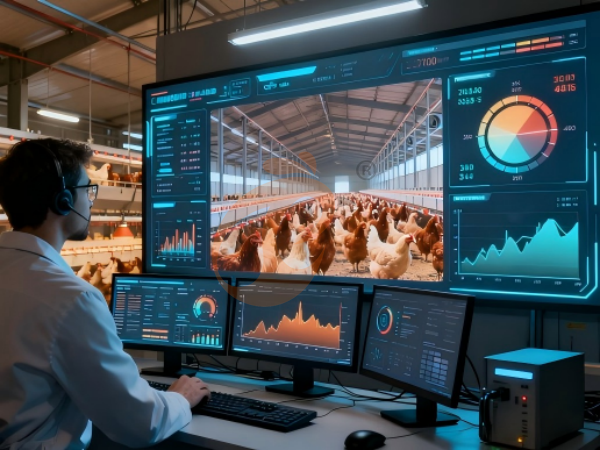
5. Reception /WhatsApp NO. : +8618830120193Read more Overall Structure IoT System In The Farm1. Breeding planning framework
2. CCTV
3. Poultry digital platform - comprehensive large screen
4. Alarm management
5. Reception /WhatsApp NO. : +8618830120193Read more Poultry House Environmental Control Smart IoT System1. Precision ventilation
2. Full site equipment control
3. Self diagnosis alarm system
4. European standard hardware
5. Reception /WhatsApp NO. : +8618830120193Read more

Contact us
Phone(whatsapp No. ):
E-mail:
Office 1 (Hong Kong):
Flat/RM A, 15/F, ManlyCommercial Building 15 Soy Street, Mong Kok
Office 2 (China Mainland):
Flat/RM 2416, 24/F, Runxing Building, Youyi Nan Street, Shijiazhuang City, Hebei Province