



News
A poultry cage quotation defines engineering scope for cage systems, feeding pipelines, drinking lines, manure removal modules, and egg collection mechanisms.
Structural parameters include steel diameter, load rating, and coating thickness for corrosion control.
Automation systems specify control voltage, sensor accuracy, and response timing.
Environmental systems regulate temperature, humidity, and ammonia concentration within production houses.
Cost allocation includes material, installation, logistics, and commissioning services for commercial poultry projects.
System integration ensures synchronized operation across mechanical and electrical subsystems.
Get professional poultry farm construction guidance, equipment selection solutions, and the latest price lists, whatsApp to +8618830120193, click to learn more:
Core System Components In A Poultry Cage Quotation
Data is for reference only.Swipe horizontally to view full table.
Each subsystem defines mechanical compatibility and system integration efficiency across poultry housing structures.
Engineering coordination ensures feed delivery uniformity and structural stability during long-term production cycles.
Cage system design directly affects flock density distribution and operational continuity.
Must-Check Item Cage Structural Load And Material Parameters
Data is for reference only.Swipe horizontally to view full table.
Structural engineering defines deformation resistance under full stocking conditions and dynamic load distribution.
Material selection determines cage lifespan under ammonia exposure and mechanical vibration cycles.
Poultry cage system integrity relies on calibrated spacing and tensile strength balance.
Must-Check Item Stocking Density Configuration
Data is for reference only.Swipe horizontally to view full table.
Stocking density determines production efficiency and feed conversion ratio stability across cycles.
Egg production cage system design requires precise spatial allocation to reduce stress-induced variability.
Poultry farming equipment selection must align density parameters with ventilation capacity.
Must-Check Item Feeding And Drinking System Precision
Data is for reference only.Swipe horizontally to view full table.
Feed distribution uniformity ensures synchronized weight gain across flock populations.
Drinking system pressure stability maintains hydration balance and metabolic efficiency.
Poultry farming equipment integration reduces manual intervention and improves operational consistency.
Must-Check Item Manure Removal And Environmental Load
Data is for reference only.Swipe horizontally to view full table.
Environmental control systems regulate ammonia concentration and humidity equilibrium within closed poultry houses.
Egg production cage system stability depends on consistent waste removal cycles.
Ventilation synergy reduces microbial load accumulation across production floors.
Must-Check Item Egg Collection System Efficiency
Data is for reference only.Swipe horizontally to view full table.
Egg handling systems define output integrity during mechanical transfer processes.
Poultry cage system optimization reduces fracture rates through calibrated slope geometry.
Egg production cage system efficiency depends on synchronized belt speed control.
Must-Check Item Electrical Control And Automation Architecture
Data is for reference only.Swipe horizontally to view full table.
Automation architecture integrates environmental regulation, feeding cycles, and mechanical synchronization.
System intelligence stabilizes production variables through feedback loops.
Poultry farming equipment control systems improve precision management across multiple cage tiers.
Scientific Section Poultry Microenvironment Regulation
Poultry housing environments operate under controlled gas concentration thresholds and thermal equilibrium conditions.
Ammonia concentration above 20–25 ppm reduces respiratory cilia efficiency and increases infection probability.
Humidity levels above 75 percent accelerate microbial persistence on cage surfaces.
Temperature deviation beyond ±2°C from target range affects metabolic energy allocation and egg production consistency.
Environmental engineering ensures stable microclimate regulation through integrated ventilation and automation feedback systems.
Cost Structure Breakdown In Poultry Cage Quotation
Data is for reference only.Swipe horizontally to view full table.
Cost allocation reflects engineering complexity and material density distribution across integrated poultry systems.
Poultry cage system investment planning depends on balanced subsystem budgeting.
Global poultry cage price variation is influenced by steel market fluctuations and automation configuration levels.
Engineering Risks Hidden In Quotation Interpretation
Quotation misinterpretation occurs when technical parameters lack standardization or calibration definitions.
Motor torque mismatch leads to feed line instability and uneven distribution cycles.
Coating thickness inconsistency reduces corrosion resistance under ammonia exposure.
Missing tolerance specifications in structural design create long-term deformation risks across multi-tier cage systems.
Procurement Checklist For Farm-Level Evaluation
Data is for reference only.Swipe horizontally to view full table.
Verification parameters ensure alignment between design specifications and operational performance targets.
Egg production cage system validation prevents mismatch between installation and production capacity.
Poultry farming equipment acceptance testing confirms system stability prior to commissioning.
Practical Procurement Insight For Farm Decision Making
A reliable poultry cage quotation should be evaluated beyond initial equipment investment and measured through lifecycle performance indicators.
Structural lifespan benchmark:
Cage systems designed with 3.2 mm frame steel and 1.0–1.1 mm mesh typically operate within a 12–15 year service cycle under controlled ventilation environments.
Energy consumption reference:
Automated feeding and manure systems generally consume 0.8–1.5 kWh per 1,000 birds per day, depending on motor configuration and house length.
Installation precision tolerance:
Alignment deviation exceeding 2 mm per meter may increase feed distribution imbalance and long-term system inefficiency.
These engineering indicators allow quotation comparison based on operational stability rather than purchase cost alone.
Frequently Asked Questions
Q1: What parameters define a complete poultry cage quotation?
A complete quotation includes structural steel specification, stocking density, automation control parameters, feeding system flow rate, manure removal cycle timing, and egg collection efficiency metrics.
Q2: How does stocking density influence production performance?
Stocking density determines space allocation per bird, directly affecting feed conversion ratio stability, egg production consistency, and stress level distribution across cage tiers.
Q3: Why is automation specification critical in poultry cage systems?
Automation specification defines control accuracy, sensor response time, and environmental regulation stability, which collectively determine operational efficiency and labor reduction.
Taiyu (HK) Group - One Of China Largest Poultry Cage Manufacturer
Poultry cage system engineering with standardized structural steel parameters above 3.0 mm thickness and modular cage configurations for commercial farms exceeding 20,000 birds capacity.
Global factory direct supply covering poultry equipment production lines with controlled manufacturing tolerance and export-level quality inspection processes.
Full poultry cage system integration including feeding, drinking, manure removal, and egg collection modules designed for industrial farming operations.
Turn-key poultry farm engineering solutions covering design, installation, commissioning, and operational training for large-scale poultry production projects.
Poultry equipment manufacturing capability supporting automated cage systems with synchronized control units and standardized mechanical performance metrics.
Contact Us To Received Your Customized Poultry Farm Plan
Headquarters And Branchs
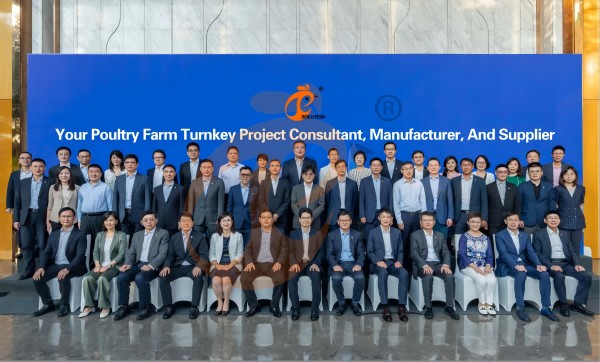
Hong Kong Headquarter Management Team
Hong Kong Headquarter Taiyu Industrial Group CO., LTD
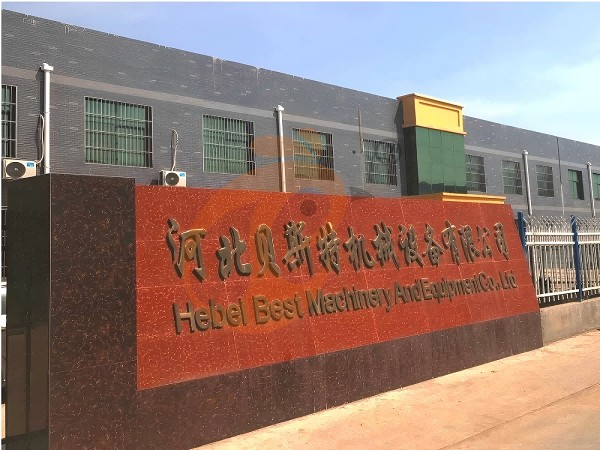
China Hebei Best Machinery And Equipment CO., LTD
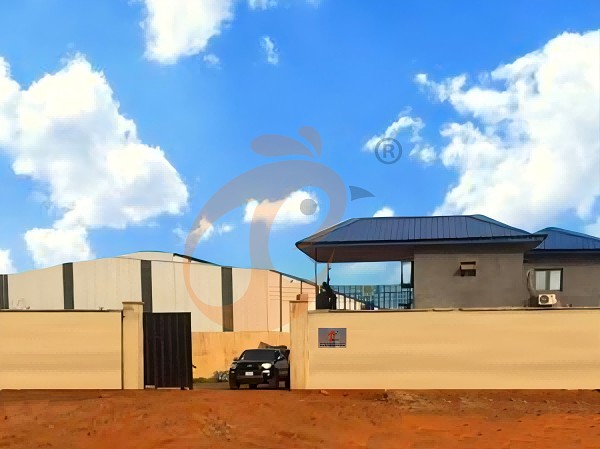
Nigeria Vanke Machinery And Equipment CO., LTD
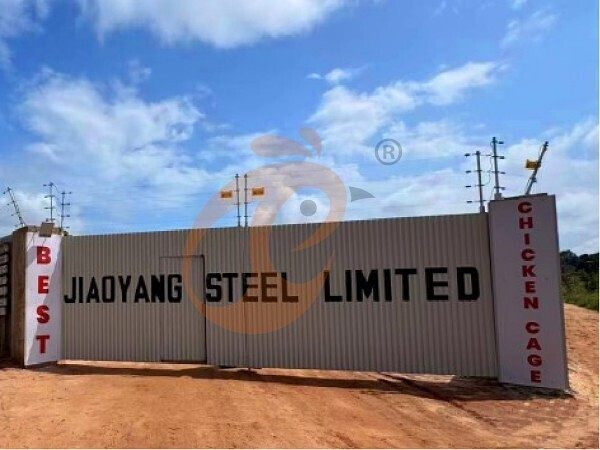
Tanzania Best Machinery And Equipment CO., LTD
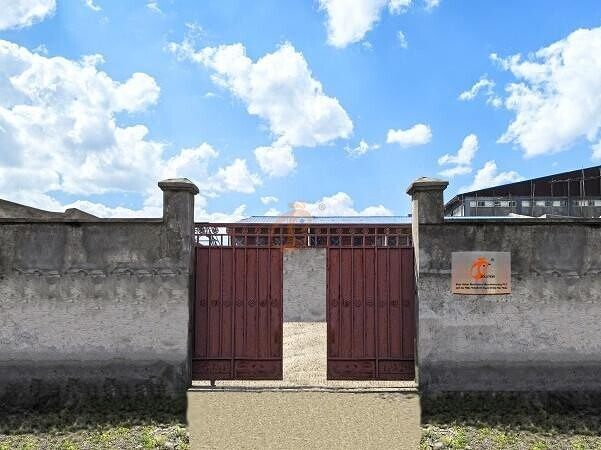
Ethiopia Best Hebei Machinery Manufacturing PLC
Reception /24 WhatsApp NO. : +8618830120193
FAQ
How To Choose The Ultimate Layer Cage System For Multi-Tier Farms?
Install automatic feeding, drinking, egg collection, and manure cleaning systems to boost egg production to 90–98%.
Optimized ventilation and temperature/humidity control reduce mortality to 2–3%.
What Are The Professional Guidelines For Optimizing Feed Storage And Usage In Chicken Cage Farms?
Use automatic feeders to allocate feed as needed, reducing waste by 5–10%.
Regularly monitor feed consumption per tier; FCR 1.9–2.1, egg production 90–98%.
What Are The Professional Guidelines For Reducing Labor Costs Using Automation In Chicken Cage Farms?
Use real-time monitoring systems to manage flock health and egg production.
ROI can be shortened to 24–36 months, improving overall profitability.
- poultry equipment
- manure removal system
- egg collection system
- poultry farming equipment
- poultry farm
- poultry cage
- poultry cage system
- poultry house
- poultry cage price
- poultry cage quotation
- poultry cage system manufacturer
- poultry cage systems
- poultry farm construction
- egg collection system efficiency
- egg production cage
- Tanzania
- Nigeria
Product Recommendations
 Pellet Machine For Different Feeds | 5 Versatile Applications1. Feed pellet machines support versatile production across 5 feed categories
2. Appropriate die selection helps achieve specified pellet dimensions
3. Integrated preparation equipment improves material handling consistency
4. Cooling and screening support finished pellet quality control
5. Reception /WhatsApp NO. : +8618830120193Read more Floor Rearing System For Layers Price | 6 Key Cost Factors1. Floor rearing equipment coordinates feeding, drinking, nesting, ventilation, and egg collection
2. Automatic systems support consistent workflows across commercial poultry production environments
3. Engineered layouts improve access for inspection, cleaning, and routine maintenance
4. Technical specifications guide equipment selection and project integration
5. Reception /WhatsApp NO. : +8618830120193Read more Commercial Poultry Equipment ROI | 5 Proven Methods To Improve Profit1. Commercial poultry equipment supports more consistent feeding and drinking operations across modern farms
2. Automatic poultry feeding systems help manage feed delivery through coordinated conveying and distribution
3. Poultry ventilation fans support controlled airflow across changing seasonal conditions
4. Integrated equipment planning connects 3 essential systems for practical farm management
5. Reception /WhatsApp NO. : +8618830120193Read more How To Upgrade Traditional Egg Farms With Battery Cage For Layers Systems | 5 Steps1. Automatic feeding systems support consistent feed distribution across poultry houses.
2. Egg collection conveyors help transfer eggs toward centralized collection points.
3. Manure removal systems support routine poultry house waste management.
4. H-type layer cages provide structured layouts for commercial egg production.
5. Reception /WhatsApp NO. : +8618830120193Read more How To Upgrade Traditional Farms With Broiler Chicken Cage Systems | 5 Steps1. Modernize traditional farms with coordinated cage equipment
2. Improve daily operations through reliable automatic feeding
3. Maintain consistent water access with nipple drinking systems
4. Support environmental control with appropriately sized ventilation
5. Reception /WhatsApp NO. : +8618830120193Read more How To Choose Pellet Machine Die Type | 6 Practical Tips1. Die-hole diameter determines nominal pellet size and influences material flow
2. Compression ratio depends on effective hole length and diameter
3. Roller alignment and feed conditioning influence production stability
4. Routine inspection helps identify blockage, wear, and declining output
5. Reception /WhatsApp NO. : +8618830120193Read more Feed Mill Grinder Vs Pelleting | Which Improves Feed Quality?1. Grinding establishes ingredient particle distribution before mixing
2. Mixing distributes formulated nutrients across each batch
3. Conditioning prepares feed materials for pellet formation
4. Cooling stabilizes pellets before storage and packaging
5. Reception /WhatsApp NO. : +8618830120193Read more How To Customize H Type Chicken Battery Cages For Your Poultry Farm?1. H type cages integrate feeding, drinking, and manure removal
2. Cage dimensions determine cell layout and bird capacity
3. Ventilation requirements depend on stocking density and climate
4. Automated egg collection connects belts with conveying equipment
5. Reception /WhatsApp NO. : +8618830120193Read more A Type Battery Cage With Manure Belt Or Scraper: 5 Practical Selection Tips1. A Type battery cages support organized commercial layer housing systems
2. Manure belts transport waste toward designated collection points efficiently
3. Scrapers remove accumulated manure through compatible collection channels
4. Regular inspections help maintain equipment performance and operational reliability
5. Reception /WhatsApp NO. : +8618830120193Read more Deep Litter Layer Farming Cost | 5 Budget Factors1. House dimensions influence feeder placement and ventilation design
2. Feed distribution depends on line capacity and bird access
3. Drinking water pressure requires regular operational checks
4. Ventilation performance depends on airflow and static pressure
5. Reception /WhatsApp NO. : +8618830120193Read more Free Range Layer Farming Cost | 5 Key Budget Factors1. Free range layer systems require coordinated feeding and drinking equipment
2. Ventilation capacity depends on climate and building dimensions
3. Egg conveyors must match expected production throughput
4. Equipment specifications require manufacturer verification before installation
5. Reception /WhatsApp NO. : +8618830120193Read more Floor Rearing Layer Farming | 5 Essential Egg Production Tips1. Floor rearing systems combine bird movement with organized housing layouts
2. Automatic feeding equipment distributes feed along designated lines
3. Drinking systems provide monitored access to clean water
4. Egg conveyors transfer collected eggs toward inspection stations
5. Reception /WhatsApp NO. : +8618830120193Read more How To Choose Affordable Poultry Equipment | 6 Practical Tips1. Farm dimensions determine suitable equipment layout and capacity
2. Flock size influences feeding and drinking system requirements
3. Ventilation calculations account for airflow and temperature conditions
4. Regular maintenance helps preserve equipment performance and reliability
5. Reception /WhatsApp NO. : +8618830120193Read more Battery Cage For Layers Supplier | 6 Practical Evaluation Criteria1. Battery cage layouts support coordinated poultry equipment planning across commercial farm buildings
2. Cage dimensions and tier configurations require verification against approved engineering drawings
3. Feeding and drinking systems require compatible connections and operating specifications
4. Conveyor selection depends on equipment loads and installation geometry
5. Reception /WhatsApp NO. : +8618830120193Read more Broiler Chicken Cage Supplier | 6 Practical Evaluation Criteria1. Cage dimensions determine equipment arrangement and usable housing capacity
2. Frame materials and surface treatments influence corrosion resistance and maintenance requirements
3. Feeding systems distribute feed throughout designated cage sections
4. Drinking lines require suitable pressure regulation and routine inspection
5. Reception /WhatsApp NO. : +8618830120193Read more 5 Essential Tips For Pellet Machine Operator Safety1. Inspect guards and electrical connections before operating pellet machinery
2. Follow approved isolation procedures before cleaning or maintenance
3. Match feed formulation with the selected pellet machine specifications
4. Monitor equipment condition and document abnormal operating findings
5. Reception /WhatsApp NO. : +8618830120193Read more Metal Vs Plastic Augers In Feed Mills | Which Is More Durable?1. Metal auger performance depends on the selected alloy and operating load
2. Plastic auger suitability depends on polymer grade and temperature limits
3. Conveyor capacity varies with feed properties and installation layout
4. Automatic feeding systems require compatible drives and components
5. Reception /WhatsApp NO. : +8618830120193Read more 5 Critical Factors When Buying H Type Chicken Cages For Export1. H Type Chicken Cage dimensions must match approved installation drawings
2. Automatic feeding equipment requires compatible drives and electrical connections
3. Manure conveyor alignment depends on cage layout and discharge position
4. Egg collection capacity requires confirmation against planned production throughput
5. Reception /WhatsApp NO. : +8618830120193Read more Manual Vs Automatic A Type Poultry Cage System: Which Saves More Labor Cost?1. A-type poultry cage systems combine galvanized steel structures with coordinated feeding and watering equipment
2. Automatic egg collection belts reduce manual handling across multiple cage rows
3. Manure removal belts support scheduled waste conveyance and cleaner production areas
4. Ventilation systems regulate airflow according to house conditions and bird requirements
5. Reception /WhatsApp NO. : +8618830120193Read more How To Manage Layers In Deep Litter System | 6 Practical Tips1. Check litter condition during daily poultry house inspections
2. Monitor water consumption and investigate unexpected changes
3. Maintain ventilation equipment according to manufacturer schedules
4. Coordinate egg collection capacity with daily production
5. Reception /WhatsApp NO. : +8618830120193Read more How To Manage Layers In Free Range System | 6 Practical Tips1. Automated feeding systems support controlled feed distribution and inventory monitoring
2. Drinking systems require routine sanitation and hydraulic checks
3. Ventilation equipment needs calibrated sensors and preventive maintenance
4. Egg collection requires careful handling and traceability
5. Reception /WhatsApp NO. : +8618830120193Read more How To Manage Layers In Floor Rearing System | 6 Practical Steps1. Floor rearing systems support organized flock management indoors
2. Proper ventilation helps maintain stable temperature and humidity
3. Automatic feeders distribute feed consistently across bird groups
4. Daily inspections identify equipment issues before performance declines
5. Reception /WhatsApp NO. : +8618830120193Read more Pellet Machine Troubleshooting | 6 Quick Fixes1. Pellet diameter varies with poultry age and formulation requirements
2. Die wear can reduce output and pellet consistency
3. Stable feeding helps maintain uniform production rates during operation
4. Cooling controls moisture and improves finished pellet storage stability
5. Reception /WhatsApp NO. : +8618830120193Read more High-Speed Vs Low-Speed Feed Mixers | Which Mixes Better?1. High-speed paddle mixers improve ingredient circulation through intensive mechanical movement
2. Low-speed ribbon blenders accommodate larger chambers and lower energy consumption
3. Mixing uniformity depends on formulation, batch size, and operating conditions
4. Preventive maintenance supports equipment reliability and consistent production quality
5. Reception /WhatsApp NO. : +8618830120193Read more How To Choose A Reliable H Type Chicken Cage Supplier For Poultry Farms?1. H type chicken cage capacity depends on approved building dimensions and stocking density
2. Automatic feeding and drinking equipment requires compatible layout and capacity calculations
3. Manure removal and egg collection systems require coordinated installation planning
4. Ventilation design must account for flock size, climate, and heat load
5. Reception /WhatsApp NO. : +8618830120193Read more A Type Chicken Cage System For Small Or Large Poultry Farms? 4 Smart Choices1. A type chicken cages support efficient layer housing management
2. Proper ventilation helps maintain healthy poultry house conditions
3. Automated feeding systems improve feed distribution and consistency
4. Regular manure removal helps control ammonia inside poultry sheds
5. Reception /WhatsApp NO. : +8618830120193Read more Deep Litter System For Layers | Egg Production And Cost Analysis1. Floor bedding supports natural scratching and dust bathing behavior
2. Ventilation design helps manage heat, humidity, and airborne contaminants
3. Feeding equipment distributes formulated diets throughout designated feeding areas
4. Nipple drinkers provide controlled access to fresh drinking water
5. Reception /WhatsApp NO. : +8618830120193Read more How To Reduce Operating Costs With Broiler Chicken Cage Systems | 6 Tips1. Multi-tier cage structures organize broiler housing and equipment placement
2. Automatic feeders convey feed from bulk storage to feeding lines
3. Nipple drinking systems distribute water through regulated pipelines
4. Manure belts transfer collected waste toward designated discharge points
5. Reception /WhatsApp NO. : +8618830120193Read more Introduction To Free Range System For Layers Egg Production And Cost Analysis1. Free range layer farming ensures natural egg production
2. Galvanized steel shelters protect birds against harsh weather
3. Pasture access allows hens natural foraging behaviors daily
4. Automated feeders supply precise daily balanced feed portions
5. Reception /WhatsApp NO. : +8618830120193Read more Floor Rearing System For Layers | Cost, Egg Production And Management Tips1. Floor rearing systems require consistent daily flock monitoring
2. Feed and water records reveal changes in consumption
3. Nest management helps reduce floor eggs during production
4. Ventilation settings should match flock age and climate
5. Reception /WhatsApp NO. : +8618830120193Read more How To Plan Poultry Farm Equipment Budget | 6 Key Factors1. Farm capacity determines equipment quantities and configuration
2. Technical specifications support accurate supplier quotation comparisons
3. Installation costs should be included before project approval
4. Maintenance planning helps control long-term operating expenditure
5. Reception /WhatsApp NO. : +8618830120193Read more How To Reduce Operating Costs With Battery Cage For Layers Systems | 6 Tips1. Structural Assembly: Galvanized steel cage frames support integrated poultry housing and equipment installation
2. Feed Distribution: Automatic conveyors transport feed from storage silos to cage-row troughs
3. Water Delivery: Nipple drinkers, pressure regulators, and filters provide controlled water distribution
4. Egg Transportation: Longitudinal and cross conveyors move eggs toward centralized collection facilities
5. Reception /WhatsApp NO. : +8618830120193Read more How To Increase Pellet Machine Output | 5 Proven Methods1. Pellet diameter affects compression requirements and finished-feed handling.
2. Conditioning supports moisture distribution before compression and improves process consistency.
3. Cooling stabilizes finished pellets before screening and packing.
4. Screening separates fines and protects packing-line consistency.
5. Reception /WhatsApp NO. : +8618830120193Read more Continuous Vs Batch Feed Mills | Which Fits Chicken Farms?1. Feed production normally follows receiving, grinding, dosing, mixing, pelleting, cooling, screening, and storage
2. Ingredient characteristics influence grinding settings, mixing requirements, conditioning parameters, and pellet formation
3. Continuous systems emphasize stable material movement through coordinated processing equipment
4. Batch systems organize production around defined weighing, mixing, and formula-change cycles
5. Reception /WhatsApp NO. : +8618830120193Read more Imported Vs Local H Type Chicken Battery Cages: Which Offers Better Quality?1. H Type Chicken Battery Cage layouts require coordinated house dimensions
2. Multi-tier cage structures support organized commercial layer production
3. Automatic systems connect feeding, drinking, manure, and egg handling
4. Engineering drawings define interfaces before equipment manufacturing begins
5. Reception /WhatsApp NO. : +8618830120193Read more A Type Battery Cage For Layers Vs Broilers: Which System Is More Suitable?1. A Type Battery Cage requires coordinated structural and utility planning
2. Layer housing layouts determine equipment positioning and service access
3. Automatic feeding reduces repetitive manual feed distribution work
4. Manure handling requires suitable conveyor or scraper interfaces
5. Reception /WhatsApp NO. : +8618830120193Read more 5 Practical Methods To Reduce Noise From Pralson Feeders1. Pralson feeders connect feed delivery with mechanical alignment requirements
2. Poultry houses require coordinated suspension and drive arrangements
3. Noise inspection should follow measurable mechanical checkpoints
4. Feeding performance depends on compatible component configuration
5. Reception /WhatsApp NO. : +8618830120193Read more Deep Litter System For Broiler Chickens | 7 Daily Checks1. Deep litter management depends on coordinated ventilation and drinking equipment
2. Daily inspections connect measurable house conditions with equipment operation
3. Feeding, water, airflow, and automation should follow synchronized procedures
4. Equipment specifications should match building dimensions and flock capacity
5. Reception /WhatsApp NO. : +8618830120193Read more Free Range System For Broiler Chickens | 7 Daily Management Checks1. Free-range houses require coordinated feed and water distribution systems with defined equipment layouts
2. Ventilation settings should reflect outdoor temperature and house dimensions through controller-based adjustments
3. Automatic doors require reliable scheduling and mechanical inspection procedures for consistent daily access
4. Daily records support preventive maintenance and equipment troubleshooting across interconnected farm systems
5. Reception /WhatsApp NO. : +8618830120193Read more Standard Vs Custom Broiler Chicken Cage Systems | Which Fits Your Farm?1. Standard cage systems use established component dimensions for conventional poultry houses.
2. Custom cage systems adapt equipment arrangements to actual building geometry and operating requirements.
3. Feeding and drinking equipment should be coordinated with cage placement during engineering.
4. Manure removal equipment should be planned before final equipment installation.
5. Reception /WhatsApp NO. : +8618830120193Read more
Search
Hot product
 IoT Poultry Farming System1. CO₂ 0–5,000 ppm range
2. NH₃ 0–100 ppm
3. RH ±3%
4. Thresholds in the 10–25 ppm range
5. Reception /WhatsApp NO. : +8618830120193Read more Overall Structure IoT System In The Farm1. Breeding planning framework
2. CCTV
3. Poultry digital platform - comprehensive large screen
4. Alarm management
5. Reception /WhatsApp NO. : +8618830120193Read more Poultry House Environmental Control Smart IoT System1. Precision ventilation
2. Full site equipment control
3. Self diagnosis alarm system
4. European standard hardware
5. Reception /WhatsApp NO. : +8618830120193Read more

Contact us
Phone(whatsapp No. ):
E-mail:
Office 1 (Hong Kong):
Flat/RM A, 15/F, ManlyCommercial Building 15 Soy Street, Mong Kok
Office 2 (China Mainland):
Flat/RM 2416, 24/F, Runxing Building, Youyi Nan Street, Shijiazhuang City, Hebei Province