



News
Headquarter and branches of office factory
Our design and quality of poultry battery cage, poultry farm equipment based on EURO standard,
offer modern poultry farm consulting and turnkey project
Hong Kong Headquarter Taiyu Industrial Group CO., LTD
China Hebei Best Machinery And Equipment CO., LTD
Nigeria Vanke Machinery And Equipment CO., LTD
Tanzania Best Machinery And Equipment CO., LTD
Ethiopia Best Hebei Machinery Manufacturing PLC
Reception T ( wechat / whatsapp ): +86-18830120193
E: Sales@bestchickencage.com
Hot sale poultry battery cage
Layer cage
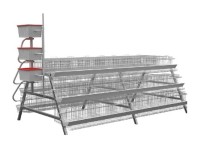
Type 1
< 30,000 birds
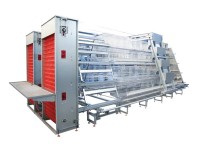
Type 2
10,000-50,000 birds
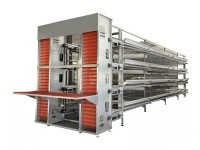
Type 3
> 50,000+ birds
Broiler cage
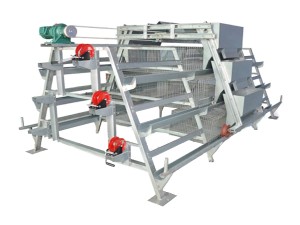
Type1
< 30,000 birds
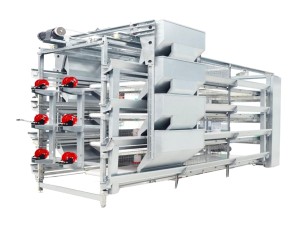
Type 2
> 30,000+ birds
Brooder cage
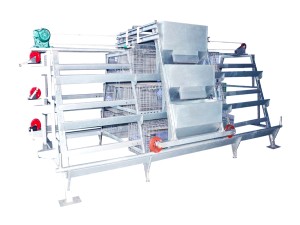
Type 1
< 30,000 birds
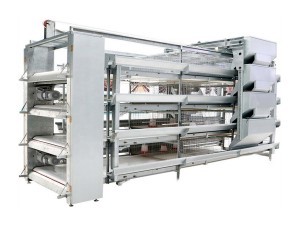
Type 2
> 30,000 birds
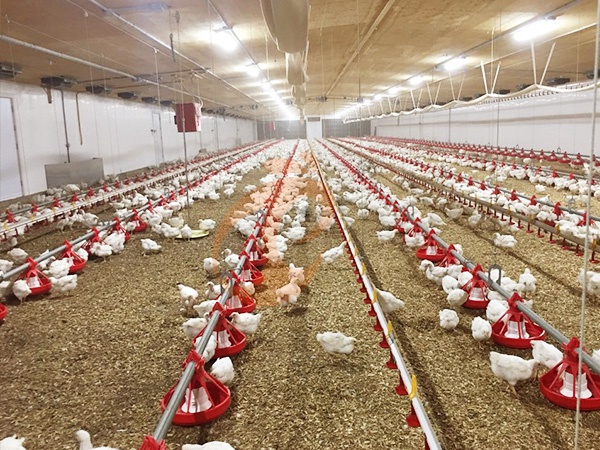
Offer Chicken house ‘s size
The length 50 to 120 meters,
the width 8 to 16 meters,
the height 3.5 to 8 meters,
The specific dimensions are determined by the actual chicken poultry and poultry equipment
Layer chicken cage
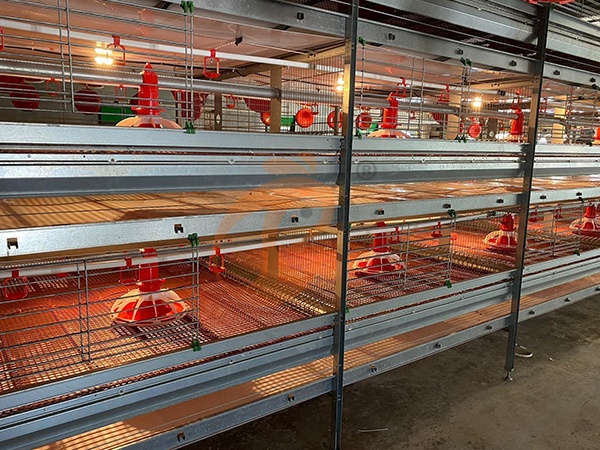
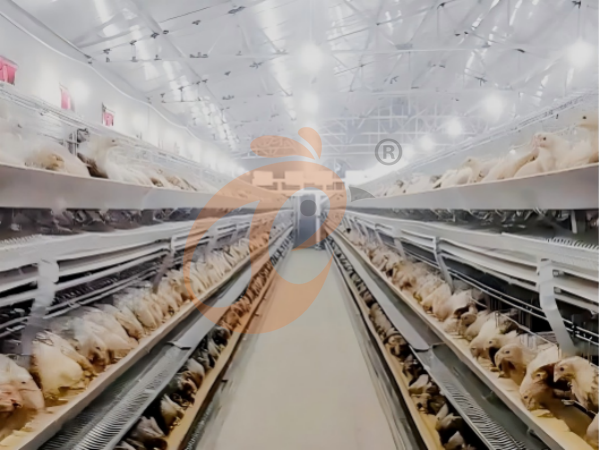
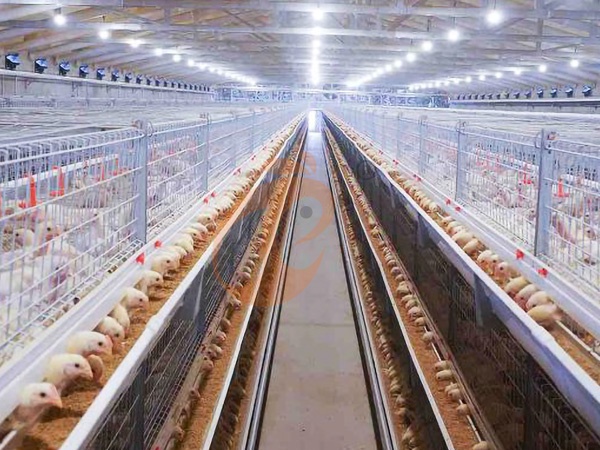
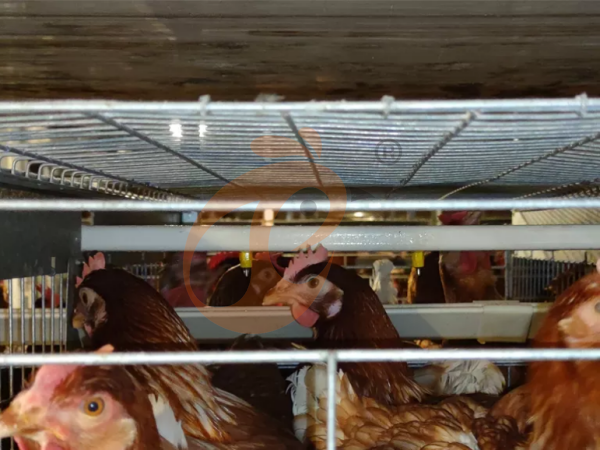
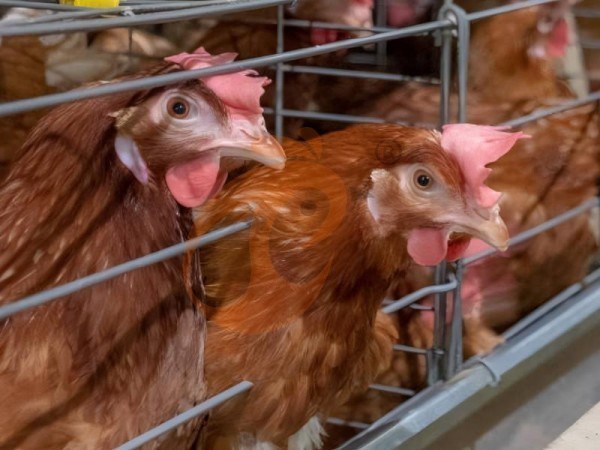
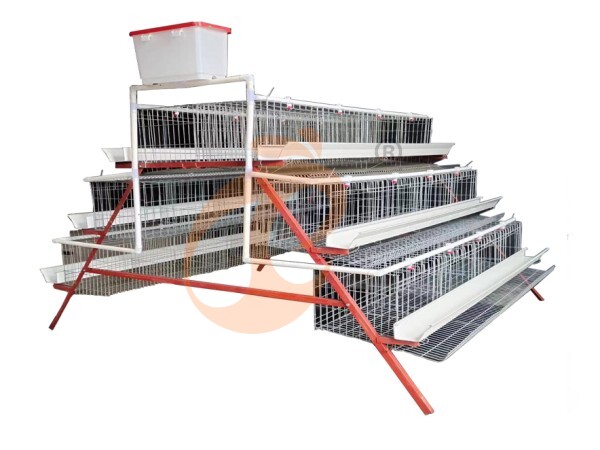
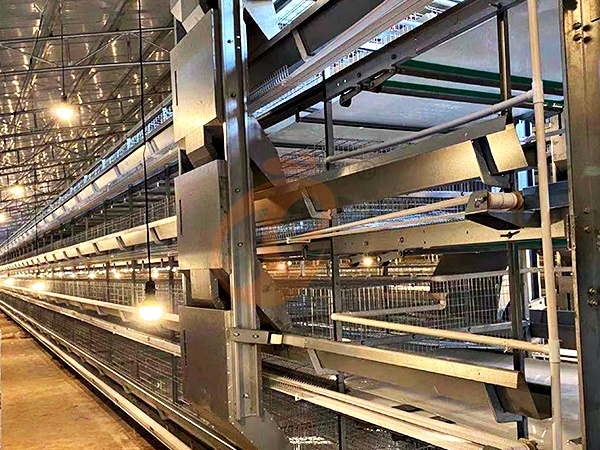
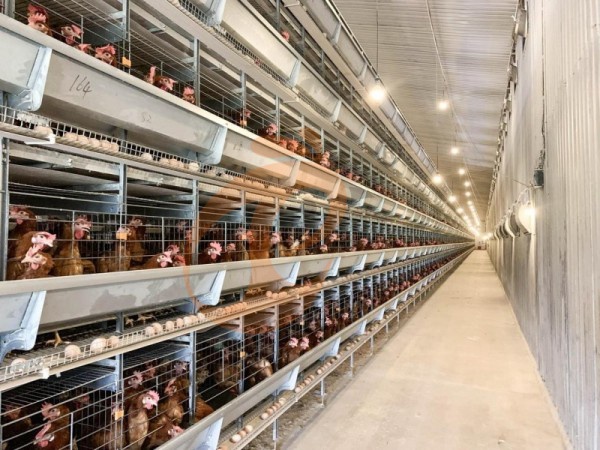
A layer chicken cage is a specially designed housing system used in poultry farming to raise hens for egg production. It allows for efficient and high-density farming by housing multiple birds in a vertical arrangement. These cages are typically made from durable materials like galvanized steel to resist corrosion and wear. The design of a layer cage system is focused on maximizing space while ensuring the hens have enough room to move, lay eggs, and access food and water
Layer cages come in various configurations from simple single-tier units to more complex multi-tier systems (such as 3-tier, 4-tier, or even 5-tier), allowing farmers to house more birds within a smaller footprint. In commercial setups, these systems are often automated to handle feeding, watering, egg collection, and waste removal. This automation reduces the need for manual labor, minimizes feed and water waste, and ensures a cleaner and more hygienic environment for the birds
In addition to efficient space utilization, the automated systems improve the overall productivity of the farm. The cages are designed to provide optimal conditions for egg laying, with proper lighting, ventilation, and waste management systems to ensure the health and well-being of the hens. This setup leads to higher egg production rates, cleaner eggs, and lower operating costs over time. Layer chicken cages are commonly used in large-scale poultry farms where efficiency, productivity, and cost-effectiveness are key priorities

Products you are interested in
We are always happy to support our customers and partners with technical questions,
products you may want to learn more, click the name to visit
1. Egg laying chicken rearing system
The one stop shop and solution of turnkey poultry farm project, contact us to give you full solution from the designing of poultry house, layout and quotation of poultry equipment and cages, delivery and installation...
Layer chicken cage parameters
The performance and efficiency of layer chicken cages are influenced by several key parameters that determine their suitability for different farming operations
Company video
Key features include
1. Cage material: The material used to construct layer cages is critical for their durability and long-term performance. Galvanized steel is commonly used because it resists rust and corrosion, ensuring the cages last longer and require less maintenance. Stronger materials contribute to the cage’s overall stability and ability to withstand the weight of the birds and wear from environmental factors
2. Tier levels: Layer cages are available in multiple tiers, with common configurations being 3-tier, 4-tier, and 5-tier systems. The number of tiers determines the number of birds that can be housed in a given space. Higher-tier systems allow for more efficient use of space, but the design should still prioritize bird welfare to avoid overcrowding
3. Bird capacity: The number of birds a cage can accommodate is a crucial parameter. This is influenced by the design of the cage, such as the number of tiers and the size of each compartment. Typically, a cage system can house between 90 to 160 birds or more, depending on its design. The bird capacity must balance space utilization with the comfort and health of the hens
4. Automation features: Automated systems for feeding, watering, egg collection, and manure removal are essential for increasing the efficiency of a layer cage system. Automation reduces labor costs and helps maintain a more consistent environment for the hens, which supports higher and more consistent egg production
5. Ventilation: Proper ventilation is vital for maintaining optimal air quality and temperature inside the cages. Good airflow helps control humidity, reduce the buildup of harmful gases like ammonia, and maintain the hens’ comfort. Layer cages are often designed with ventilation panels or systems that ensure adequate airflow throughout the system
6. Waste management: A reliable manure removal system is essential for maintaining cleanliness and reducing the risk of disease. Automated systems that remove waste quickly and efficiently help to maintain a hygienic environment, ensuring that the eggs are collected in clean conditions and minimizing health risks for the birds
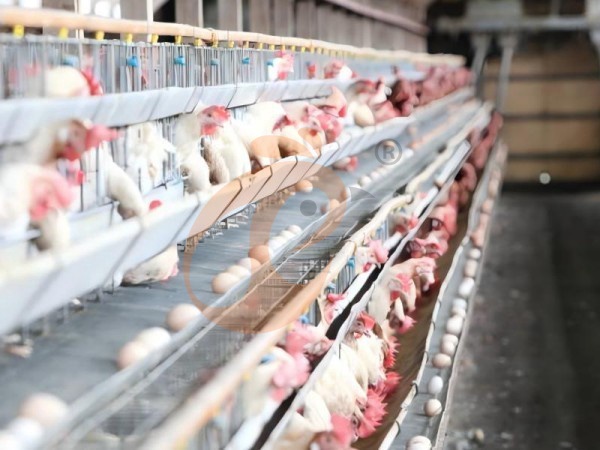
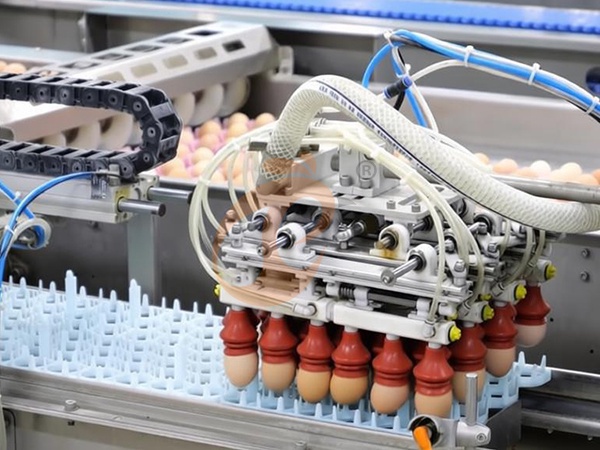
7. Egg collection system: The egg collection system should be designed to collect eggs efficiently without causing breakage or contamination. Some systems use conveyor belts or trays that move the eggs from the hens to collection points. This system ensures that eggs are gathered quickly and reduces the risk of them being damaged by human handling
8. Flooring and space per bird: The type of flooring used in the cage, such as wire mesh or slatted floors, affects both the comfort of the birds and the ease of cleaning. Ensuring that there is sufficient space per bird is also important for maintaining bird welfare, preventing overcrowding, and promoting healthy behaviors. The recommended space per bird typically ranges from 450 to 600 cm²
9. Climate control: Temperature and humidity control systems are important for maintaining optimal conditions for egg production. Layer cages designed for different climates should have features that adjust to environmental conditions, such as insulation or cooling systems, to ensure that the hens remain comfortable throughout the year
10. Maintenance and durability: The ease of maintenance is another critical parameter. Layer cages that are easy to clean, inspect, and repair will reduce downtime and improve the overall efficiency of the farm. Additionally, the durability of the cage system impacts its long-term operational costs. High-quality, corrosion-resistant materials ensure that the system can withstand harsh conditions and provide long-lasting performance
Frequently asked questions
Q: How do layer cages help improve egg quality?
A: Layer cages contribute to egg quality by preventing contamination from manure or other environmental factors. The design ensures eggs are separated from waste, reducing the risk of external damage or bacterial contamination. Automated egg collection systems also minimize human handling, which helps prevent cracks, breakage, and contamination, resulting in higher-quality eggs
Q: How does the automation in layer cages reduce labor costs?
A: Automation in layer cages reduces the need for manual labor by automating feeding, watering, egg collection, and manure removal. These systems allow the farmer to monitor and manage the farm more efficiently with less hands-on intervention. Automation also reduces the risk of human error, ensuring a more consistent environment for the hens, which leads to higher productivity and further labor cost savings
Q: What are the long-term cost benefits of investing in layer cage systems?
A: The long-term cost benefits of layer cage systems include reduced labor and maintenance costs, increased egg production efficiency, and higher egg quality. Automation and the efficient use of space contribute to lower operational costs. Durable, high-quality cages that require less frequent repairs also help reduce capital expenses over time, ultimately leading to better return on investment (roi) for poultry farmers
Q: What factors should be considered when choosing the number of tiers for a layer cage system?
A: When selecting the number of tiers, several factors should be considered: The available space on the farm, the total bird capacity required, and the welfare of the hens. More tiers allow for higher stocking density and better space utilization, but they must be designed to prevent overcrowding and ensure that the birds have adequate space to move. Proper ventilation and access to feed and water are essential in multi-tier systems to maintain the health and productivity of the hens
Conclusion
Layer chicken cages offer a highly efficient and scalable solution for commercial egg production. Their design allows for optimal space utilization, enhanced productivity, and consistent egg quality, all while reducing labor costs through automation. By integrating advanced features such as automated feeding, watering, egg collection, and waste management systems, these cages streamline operations and ensure a cleaner, healthier environment for the hens
However, to maximize their benefits, it is essential to consider factors like stocking density, ventilation, automation level, and bird welfare when choosing a layer cage system. While ethical concerns regarding animal welfare exist, modern layer cages are designed with improvements that balance efficiency with the health and comfort of the birds
Additionally, layer chicken cages contribute to a more sustainable and profitable poultry farming operation, provided that they are selected, implemented, and maintained with careful consideration of both productivity and animal well-being
Tips
Supply all following information,
we will customize your economical and manageable turnkey farm project plan by it
1. Your name
2. Tel (Whatsapp ID too)
3. Email
4. Farm location
5. Your farm land size
6. Layer, broiler or pullet
7. Capacity Capacity 3,000~10,000, 30,000~100,000 or 200,000~1,000,000+
8. Cage system and poultry equipment you want

FAQ
Product Recommendations
 Free Range Poultry Farming Challenges | 6 Common Problems And Solutions1. Free range poultry systems require structured environmental engineering control
2. Predation and disease risks significantly affect flock productivity stability
3. Feed formulation directly determines growth and reproductive efficiency outcomes
4. Soil and pasture systems regulate long term ecological farm balance
5. Reception /WhatsApp NO. : +8618830120193Read more Floor Rearing System Biosecurity | 5 Key Protection Measures1. Environmental monitoring ensures consistent poultry housing performance and safety
2. Litter management reduces microbial growth and enhances bird health
3. Controlled access limits pathogen introduction across production zones effectively
4. Integrated ventilation stabilizes temperature, humidity, and air quality parameters
5. Reception /WhatsApp NO. : +8618830120193Read more Installation Of Automatic Poultry Equipment | 6 Key Steps1. Automated systems improve poultry production efficiency and stability
2. Precision installation ensures balanced airflow and feeding performance
3. Proper calibration reduces mortality and enhances flock productivity
4. Integrated equipment supports large scale commercial farming operations
5. Reception /WhatsApp NO. : +8618830120193Read more Layer Chicken Cage Ventilation | 5 Essential Tips For Healthier Hens1. Ventilation system stabilizes intensive poultry house environment conditions
2. Airflow engineering improves cage production efficiency performance
3. Sensor integration maintains real-time environmental balance control
4. Mechanical structure ensures long-term farming system durability
5. Reception /WhatsApp NO. : +8618830120193Read more Broiler Chicken Cage Ventilation | 5 Essential Tips For Healthier Chickens1. Broiler cage ventilation improves airflow stability across production systems
2. Mechanical ventilation enhances broiler growth performance and survival rate
3. Environmental control systems reduce ammonia concentration and dust exposure
4. Automated ventilation technology increases poultry farming efficiency and consistency
5. Reception /WhatsApp NO. : +8618830120193Read more How To Clean Nipple Drinkers | 6 Essential Hygiene Steps1. Stable sanitation practices improve long term drinking system reliability
2. Proper maintenance reduces contamination risks across poultry operations
3. Regular monitoring supports consistent hydraulic performance and efficiency
4. Effective cleaning procedures extend equipment service life significantly
5. Reception /WhatsApp NO. : +8618830120193Read more Troubleshooting Pralson Feeders | 5 Quick Fixes1. Pralson feeder systems improve automated poultry feeding stability performance
2. Mechanical calibration reduces feed distribution variation across long production cycles
3. Moisture control prevents hopper blockage and stabilizes flow dynamics
4. Sensor precision enhances system reliability in poultry farming environments
5. Reception /WhatsApp NO. : +8618830120193Read more Top 6 Tips For Cleaning Pellet Machines Efficiently1. Improve production efficiency through professional maintenance programs
2. Reduce operating costs with optimized equipment management
3. Support consistent feed quality for commercial poultry operations
4. Extend critical component lifespan through systematic cleaning
5. Reception /WhatsApp NO. : +8618830120193Read more Installing Feed Mixers | 7 Easy Steps For Chicken Farms1. Industrial feed systems ensure stable poultry production efficiency across farm cycles
2. Mechanical precision guarantees consistent feed nutrient distribution quality control
3. Energy optimization supports reduced operational cost in large-scale farms
4. Installation engineering defines long-term equipment performance reliability stability
5. Reception /WhatsApp NO. : +8618830120193Read more Why Poultry Cage Prices Vary So Much? 5 Hidden Cost Reasons1. Stable material specifications improve long term farm profitability
2. Advanced coating technologies extend equipment service life significantly
3. Automation systems reduce labor requirements across commercial operations
4. Precision manufacturing improves reliability and installation efficiency
5. Reception /WhatsApp NO. : +8618830120193Read more Why Poultry Cage Prices Vary So Much? 5 Hidden Cost Reasons1. Galvanized H type chicken cages support industrial poultry production systems
2. Structural engineering ensures long-term corrosion resistance performance stability
3. Automation integration improves feeding and egg collection efficiency levels
4. Vertical farming design increases stocking density and land utilization
5. Reception /WhatsApp NO. : +8618830120193Read more What Materials Are Used In A Heavy-Duty A Type Battery Cage? 4 Reliable Options1. High strength poultry cage structural systems designed industrial farms
2. Galvanized steel cage frames ensure extended operational lifespan performance
3. Stainless steel poultry equipment provides hygienic corrosion resistant structure
4. Modular A type battery cage systems optimize commercial egg production efficiency
5. Reception /WhatsApp NO. : +8618830120193Read more Deep Litter Poultry Equipment List | 7 Essential Items1. Reliable environmental control supports consistent flock health performance
2. Efficient feeding systems improve nutrient utilization and growth
3. Stable ventilation management reduces operational risks across seasons
4. Integrated engineering solutions enhance commercial farm productivity levels
5. Reception /WhatsApp NO. : +8618830120193Read more How To Reduce Egg Breakage In Layer Chicken Cages | 6 Proven Methods1. Precision nutrition management improves shell strength during commercial production
2. Automatic collection systems reduce transportation vibration and shell collision
3. Stable environmental control supports consistent daily production performance
4. Scientific cage engineering lowers operational losses across poultry farms
5. Reception /WhatsApp NO. : +8618830120193Read more How To Reduce Mortality In Broiler Chicken Cage Systems | 6 Proven Methods1. Advanced airflow regulation improves production stability across intensive farming operations
2. Precision feeding management supports healthier growth and stronger immune performance
3. Automated environmental monitoring reduces operational risks during commercial poultry production
4. Optimized structural engineering enhances ventilation efficiency and metabolic balance maintenance
5. Reception /WhatsApp NO. : +8618830120193Read more Nipple Drinker Height Adjustment | 5 Practical Tips For Chickens1. Stable poultry hydration improves broiler growth consistency daily
2. Correct suspension positioning reduces litter moisture accumulation significantly
3. Balanced water pressure supports efficient poultry drinking behavior
4. Modern poultry systems improve commercial farm operational stability
5. Reception /WhatsApp NO. : +8618830120193Read more 7 Essential Tips For Pralson Feeder Operators1. Automatic feeding systems improve poultry production operational efficiency
2. Professional maintenance routines reduce unexpected feeder equipment mechanical failures
3. Stable environmental control supports healthier commercial poultry farming operations
4. Accurate feed distribution improves flock uniformity during production cycles
5. Reception /WhatsApp NO. : +8618830120193Read more Pellet Machine Operation | 7 Steps To Maximize Feed Production1. Poultry feed production improves efficiency through controlled processing
2. Industrial pellet systems stabilize nutrition and material consistency
3. Steam conditioning enhances feed structure and binding performance
4. Automated manufacturing reduces waste and improves production stability
5. Reception /WhatsApp NO. : +8618830120193Read more Feed Mixer Maintenance | 6 Practical Tips For Poultry Farms1. Advanced maintenance systems improve poultry production operational stability
2. Professional equipment management reduces annual mechanical repair expenses significantly
3. Scientific lubrication schedules protect industrial motors and bearing assemblies
4. Reliable production systems support consistent poultry nutritional feed quality
5. Reception /WhatsApp NO. : +8618830120193Read more") How Much Does An Automatic Poultry Cage System Cost? 6 Budget Levels (Product-Centered Analysis)1. High density poultry systems improve production efficiency globally
How Much Does An Automatic Poultry Cage System Cost? 6 Budget Levels (Product-Centered Analysis)1. High density poultry systems improve production efficiency globally
2. Investment levels vary according to automation and capacity scale
3. Steel structure and control systems determine operational performance outcomes
4. Automation reduces labor costs and increases egg output stability
5. Reception /WhatsApp NO. : +8618830120193Read more How Do H Type Chicken Cages Support High-Density Layer Farming In Poultry Farms?1. Efficient cage systems improve commercial egg production stability
2. Automated poultry equipment reduces labor dependency in farms
3. Scientific ventilation design ensures stable poultry house environment
4. Integrated systems improve flock uniformity and productivity levels
5. Reception /WhatsApp NO. : +8618830120193Read more How Long Does An A Type Poultry Cage System Last? 4 Durability Factors1. Stable galvanization technology improves long-term corrosion resistance performance
2. Professional ventilation management reduces structural deterioration inside poultry buildings
3. Heavy steel wire structure supports continuous commercial layer farming operations
4. Controlled manure removal systems extend poultry equipment operational lifespan
5. Reception /WhatsApp NO. : +8618830120193Read more How To Control Moisture In Deep Litter System | 6 Effective Tips1. Deep litter system requires precise moisture balance control
2. Ventilation and bedding directly influence microbial stability performance
3. Water leakage significantly increases ammonia and production risk
4. Monitoring systems ensure stable environmental and operational conditions
5. Reception /WhatsApp NO. : +8618830120193Read more How To Reduce Disease Risk In Free Range Poultry | 6 Proven Tips1. Free range poultry systems integrate structured biosecurity management protocols
2. Environmental monitoring improves microbial exposure control across production zones
3. Vaccination and nutrition balance enhance flock immunity performance stability
4. IoT based tracking supports early disease detection and response efficiency
5. Reception /WhatsApp NO. : +8618830120193Read more How To Reduce Disease Risk In Floor Rearing System | 6 Proven Methods1. Disease control depends on environmental engineering precision systems
2. Ventilation and litter management reduce microbial load effectively
3. Stocking density directly influences infection transmission probability levels
4. Integrated systems stabilize poultry production output performance metrics
5. Reception /WhatsApp NO. : +8618830120193Read more Layer Chicken Cage Management | 7 Key Tips For Higher Egg Yield1. Stable environmental regulation improves commercial production cycle efficiency
2. Precision nutrition management supports stronger structural shell quality performance
3. Advanced ventilation control reduces biological stress inside housing facilities
4. Scientific operational monitoring increases long-term commercial profitability stability
5. Reception /WhatsApp NO. : +8618830120193Read more Broiler Chicken Cage Management | 7 Key Tips For Faster Broiler Growth1. Modern poultry systems improve efficiency and production stability
2. Environmental control directly influences bird growth performance outcomes
3. Proper nutrition programs ensure uniform flock development results
4. Automated equipment reduces labor cost and operational pressure
5. Reception /WhatsApp NO. : +8618830120193Read more 6 Practical Ways To Reduce Water Waste With Nipple Drinkers1. Advanced poultry water systems improve overall farm efficiency
2. Hydraulic pressure control improves poultry farm operational efficiency
3. Maintenance and sanitation reduce microbial contamination risk factors
4. Optimized drinking systems enhance poultry production stability outcomes
5. Reception /WhatsApp NO. : +8618830120193Read more How To Reduce Feed Waste With Pralson Feeders | 5 Effective Methods1. Precision feeder engineering improves commercial poultry production profitability
2. Automated poultry feeding systems support stable flock nutrient distribution
3. Feed waste reduction increases long-term broiler farm operational efficiency
4. Balanced feeder management improves commercial poultry house production stability
5. Reception /WhatsApp NO. : +8618830120193Read more How To Reduce Feed Waste With Pellet Machines | 5 Effective Ways1. Stable feed structure improves commercial broiler production efficiency
2. Automatic feeding integration reduces daily poultry feed transportation losses
3. Controlled pellet durability supports healthier poultry housing environments continuously
4. Modern feed mill systems improve long-term operational profitability performance
5. Reception /WhatsApp NO. : +8618830120193Read more Feed Mill Operation | 5 Steps To Run Poultry Feed Efficiently1. Precision batching systems improve nutritional consistency across commercial production
2. Controlled conditioning parameters improve pellet transportation stability significantly
3. Automated monitoring systems reduce unexpected operational maintenance interruption frequencies
4. Integrated engineering solutions support efficient large-scale agricultural manufacturing operations
5. Reception /WhatsApp NO. : +8618830120193Read more What Is The Poultry Cage Price Per Set? 4 Common Configurations Compared1. Cage engineering systems define structured poultry production efficiency models
2. Investment planning depends on steel utilization and automation integration levels
3. Production density determines farm output efficiency per square meter area
4. System configuration directly influences long-term operational cost structure
5. Reception /WhatsApp NO. : +8618830120193Read more Floor Rearing System Ventilation | 5 Essential Design Guidelines1. Ventilation engineering stabilizes poultry house environmental conditions across growth cycles
2. Airflow control improves feed efficiency and production performance indicators
3. Humidity and gas regulation reduces ammonia accumulation inside housing systems
4. Energy optimized ventilation systems reduce operational electricity consumption
5. Reception /WhatsApp NO. : +8618830120193Read more How To Build A Complete Poultry Equipment List | 6 Practical Steps1. Automated environmental systems improve flock stability and operational consistency
2. Precision feeding technology reduces waste during intensive production cycles
3. Ventilation engineering supports healthier housing conditions and metabolic efficiency
4. Integrated monitoring platforms strengthen daily management and equipment coordination
5. Reception /WhatsApp NO. : +8618830120193Read more 6 Practical Ways To Improve Feeding In Layer Chicken Cages1. Improved feeding accuracy supports long-term commercial production stability
2. Automated monitoring technology reduces operational waste across poultry facilities
3. Balanced nutrient management enhances consistent daily biological conversion efficiency
4. Environmental regulation systems maintain stable intake during seasonal fluctuations
5. Reception /WhatsApp NO. : +8618830120193Read more 6 Practical Ways To Improve Feeding In Broiler Chicken Cages1. Advanced poultry management improves production stability during intensive farming operations
2. Scientific environmental control supports healthier growth inside modern production facilities
3. Accurate feeding distribution reduces unnecessary material waste during poultry management
4. Integrated automation technology improves operational efficiency for commercial poultry projects
5. Reception /WhatsApp NO. : +8618830120193Read more Why Nipple Drinkers Are Important | 5 Proven Benefits For Poultry1. Improved hydration management supports stronger flock production efficiency
2. Stable litter conditions reduce respiratory pressure during poultry farming
3. Automatic systems decrease maintenance workload across commercial broiler facilities
4. Modern engineering improves water delivery precision and environmental stability
5. Reception /WhatsApp NO. : +8618830120193Read more Deep Litter Poultry House Design | 5 Practical Layout Guidelines1. Deep litter housing supports stable poultry production environments
2. Ventilation design improves airflow and ammonia control efficiency
3. Stocking density management ensures uniform bird growth distribution
4. Floor structure design enhances microbial decomposition stability
5. Reception /WhatsApp NO. : +8618830120193Read more Free Range Poultry House Design | 5 Practical Layout Guidelines1. Advanced ventilation engineering improves seasonal flock environmental stability
2. Automatic feeding layouts reduce poultry farm operational feed losses
3. Rotational outdoor grazing systems support healthier poultry movement behavior
4. Galvanized steel structures extend poultry housing operational service lifespan
5. Reception /WhatsApp NO. : +8618830120193Read more Floor Rearing Poultry Farming | 7 Practical Management Tips1. Efficient ventilation technology improves poultry environmental control performance
2. Scientific litter management supports cleaner and healthier poultry production environments
3. Automatic feeding systems stabilize flock growth and reduce operational labor requirements
4. Integrated biosecurity procedures improve disease prevention and poultry farm stability
5. Reception /WhatsApp NO. : +8618830120193Read more
Search
Hot product
 IoT Poultry Farming System1. CO₂ 0–5,000 ppm range
2. NH₃ 0–100 ppm
3. RH ±3%
4. Thresholds in the 10–25 ppm range
5. Reception /WhatsApp NO. : +8618830120193Read more Overall Structure IoT System In The Farm1. Breeding planning framework
2. CCTV
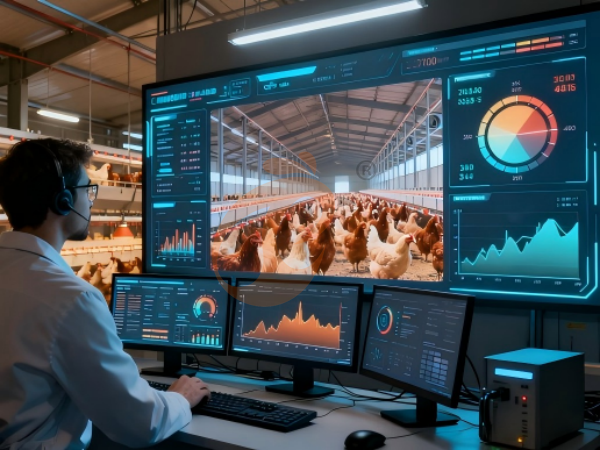
3. Poultry digital platform - comprehensive large screen
4. Alarm management
5. Reception /WhatsApp NO. : +8618830120193Read more Poultry House Environmental Control Smart IoT System1. Precision ventilation
2. Full site equipment control
3. Self diagnosis alarm system
4. European standard hardware
5. Reception /WhatsApp NO. : +8618830120193Read more

Contact us
Phone(whatsapp No. ):
E-mail:
Office 1 (Hong Kong):
Flat/RM A, 15/F, ManlyCommercial Building 15 Soy Street, Mong Kok
Office 2 (China Mainland):
Flat/RM 2416, 24/F, Runxing Building, Youyi Nan Street, Shijiazhuang City, Hebei Province