



News
Automatic feed mixer poultry equipment improves feed uniformity efficiency across commercial chicken farm operations by ensuring consistent ingredient distribution in every batch processed.
Feed mixer systems control precise blending of corn, soybean meal, vitamins, and minerals for optimized poultry nutrition and stable growth performance results.
Automatic feed mixer reduces manual labor requirements and increases production speed in medium and large-scale poultry farming environments with continuous feed demand cycles.
Feed mixer machine supports accurate batching technology to minimize nutrient deviation and improve feed conversion ratio (FCR) in broiler and layer production systems.
Automatic feed mixer poultry farming systems enhance operational stability by standardizing mixing time, ingredient ratio control, and overall feed quality consistency across farms.
Get professional poultry farm construction guidance, equipment selection solutions, and the latest price lists, whatsApp to +8618830120193, click to learn more:
Introduction Of Feed Mixer Systems
In modern poultry production systems, feed preparation is one of the most cost-sensitive and performance-critical operations.
For a chicken farm, feed typically represents 60–75% of total production cost.
Therefore, the choice between an automatic feed mixer and a manual feed mixer directly influences feed uniformity, labor structure, daily output stability, and overall farm profitability.
Automatic feed mixer poultry equipment ensures stable ration formulation for large-scale chicken production systems.
Compares both systems using structured technical parameters, pricing data, and poultry-oriented operational requirements.
Focus is practical: what a chicken farm actually gains or loses when selecting either system.
Feed mixer machine performance directly affects feed conversion efficiency and flock consistency.
Definition Of Feed Mixer Systems In Poultry Farms
Feed formulation accuracy in poultry farming depends heavily on the consistency achieved during the mixing stage, which directly impacts nutrient distribution across the flock.
A feed mixer is a mechanical system designed to combine corn, soybean meal, wheat bran, premixes, amino acids, and mineral additives into a uniform ration.
In poultry farms, target mixing uniformity is typically CV ≤ 10%
Mixing time affects vitamin stability and nutrient preservation
Batch consistency impacts broiler growth rate and egg production rate
Feed mixer poultry system ensures balanced nutrient distribution per batch
Two configurations dominate the market
Manual feed mixer: operator-driven batch mixing
Automatic feed mixer: PLC-controlled automated batching and mixing
Manual Feed Mixer Structure And Operation
Before evaluating investment decisions, understanding how manual systems function helps clarify their limitations in scaling poultry production.
Manual feed mixers are typically composed of a rotating drum or vertical screw system powered by a small electric motor or hand-crank mechanism.
Key operational workflow
Manual weighing of ingredients
Manual loading into mixing chamber
Operator-controlled mixing duration
Manual discharge into feed bags or storage bins
This system is often used in farms with 100–2,000 chickens, where daily feed demand remains relatively stable and limited automation is not economically justified.
Feed mixer machine design remains simple and maintenance friendly in this category.
Automatic Feed Mixer Structure And Operation
Automation becomes critical when poultry farms transition from household-scale feeding to continuous industrial production requirements.
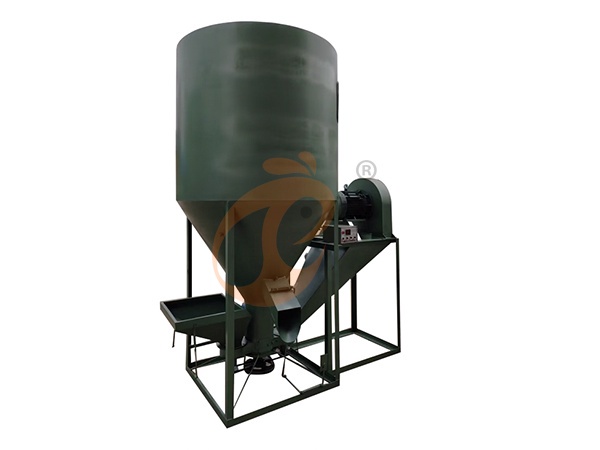
Automatic feed mixers integrate weighing systems, conveyor feeding, mixing chambers, and discharge control into a continuous or batch-controlled system.
Typical workflow
- Ingredient storage in silos
- Automated weighing via load cells
- PLC-controlled ingredient feeding
- Mechanical mixing with timed rotation cycles
- Automatic discharge into feeding line or storage hopper
These systems are commonly deployed in farms exceeding 10,000–200,000 chickens, where feed demand is continuous and precision is essential.
Automatic feed mixer poultry system improves large-scale production consistency.
Price Structure Comparison (Capital Investment)
The following data reflects equipment investment levels commonly used in commercial poultry engineering planning, especially where return on investment calculation and capacity expansion are key decision factors.
Data is for reference only. Swipe horizontally to view full table.
Investment decisions in poultry feed systems should always consider future flock expansion rather than only current feed demand.
Higher capacity systems reduce long-term scaling costs.
Mixing Efficiency In Poultry Nutrition Context
Operational efficiency differences between manual and automatic systems become most visible in feed uniformity and production repeatability.
Data is for reference only. Swipe horizontally to view full table.
Consistent feed mixing is directly linked to stable flock performance indicators such as weight uniformity and feed conversion ratio (FCR) stability.
Labor Allocation And Farm Workforce Structure
Labor optimization is often the primary driver for automation in poultry feed systems, especially in regions with rising workforce costs.
Data is for reference only. Swipe horizontally to view full table.
Reducing repetitive manual handling improves operational consistency and reduces human error in feed formulation.
Energy Consumption And Operational Cost
Operational cost analysis should include both direct energy consumption and indirect labor efficiency impacts in poultry production environments.
Data is for reference only. Swipe horizontally to view full table.
Although automation increases electrical demand, it reduces labor dependency and improves long-term cost predictability.
Output Capacity And Feed Production Speed
Production capacity scaling is a critical parameter for commercial poultry farms planning expansion from mid-size to industrial operations.
Data is for reference only. Swipe horizontally to view full table.
Feed production speed directly determines whether poultry farms can maintain stable feeding schedules without operational delays.
Poultry Growth Performance Impact
Feed mixer performance has measurable effects on biological outcomes in broiler and layer production cycles.
Data is for reference only. Swipe horizontally to view full table.
Stable nutrient intake improves biological efficiency and reduces production variability across flocks.
Maintenance And System Reliability
Maintenance planning should be aligned with farm technical capability and availability of spare parts support.
Data is for reference only. Swipe horizontally to view full table.
Automatic feed mixer systems require structured technical maintenance planning.
Scientific Explanation Of Feed Mixing Uniformity
Feed nutrient distribution consistency directly determines metabolic efficiency in poultry growth cycles.
Feed uniformity affects nutrient distribution at micro-level. In poultry nutrition science
Amino acids regulate muscle protein synthesis
Vitamin premixes regulate immunity development
Mineral balance affects bone structure and eggshell strength
Feed mixer poultry efficiency ensures equal nutrient intake across all chickens in a flock, reducing growth deviation.
Economic Return Structure
Return on investment in poultry equipment should be calculated across full production cycles rather than initial purchase cost alone.
Data is for reference only. Swipe horizontally to view full table.
Long-term efficiency gains in feed reduction often offset automation investment in industrial poultry operations.
Operational Bullet Summary For Poultry Farms
Manual Feed Mixer Advantages
Suitable for farms under 5,000 chickens
Lower entry investment requirement
Simple mechanical structure
Minimal dependency on electronic components
Manual Feed Mixer Limitations
Limited daily output capacity
Higher variability in feed uniformity
Higher labor intensity per batch
Slower scaling ability
Automatic Feed Mixer Advantages
Stable batch-to-batch feed consistency
Suitable for large-scale poultry integration
Reduced dependency on manual labor
Higher production throughput per hour
Automatic Feed Mixer Limitations
Higher initial capital requirement
Requires technical maintenance support
More complex operational training
Higher sensitivity to electrical system failure
Frequently Asked Questions
Q1: What is the main difference between automatic feed mixer and manual feed mixer?
A1: Automatic feed mixer uses PLC-controlled batching and mechanical automation, while manual feed mixer relies on operator-controlled loading and mixing.
The key difference is feed consistency and labor dependency.
Q2: Is automatic feed mixer suitable for small chicken farms?
A2: Automatic feed mixer is generally not cost-efficient for farms under 5,000 chickens due to high initial investment and underutilization of capacity.
Q3: Does feed mixer type affect chicken growth rate?
A3: Yes, feed mixer poultry uniformity directly affects nutrient absorption, which influences body weight gain, FCR, and mortality rate in poultry production systems.
Taiyu (HK) Group - One Of China Biggest Automatic Feed Mixer Manufacturer
Automatic feed mixer poultry equipment designed for high efficiency chicken farm feed production systems
Global factory direct supply chain supporting poultry equipment installation and maintenance services
Poultry equipment integration including feed line, drinking system, ventilation system solutions
Poultry cage system manufacturing with automated feeding compatibility for large scale farms
Turn-key engineering project solutions covering design, installation, and poultry farm operation support
Contact Us To Received Your Customized Poultry Farm Plan
Headquarters And Branchs

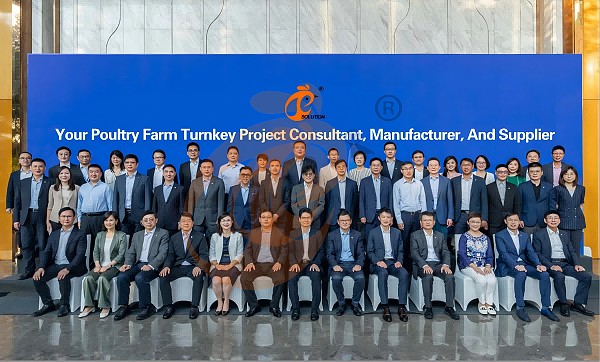
Hong Kong Headquarter Management Team
Hong Kong Headquarter Taiyu Industrial Group CO., LTD
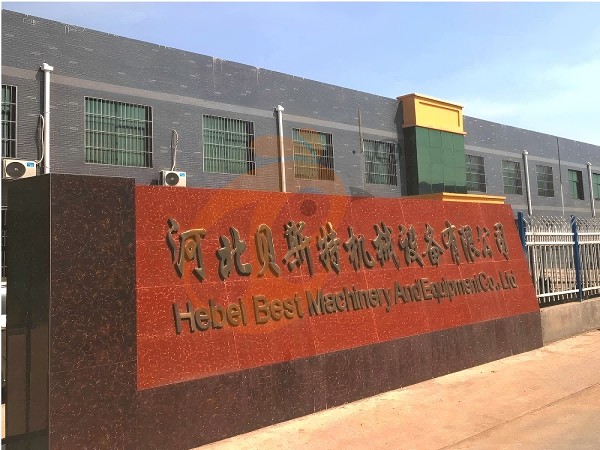
China Hebei Best Machinery And Equipment CO., LTD
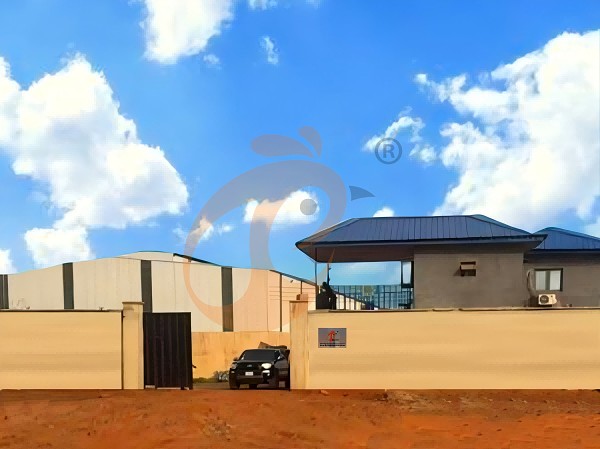
Nigeria Vanke Machinery And Equipment CO., LTD
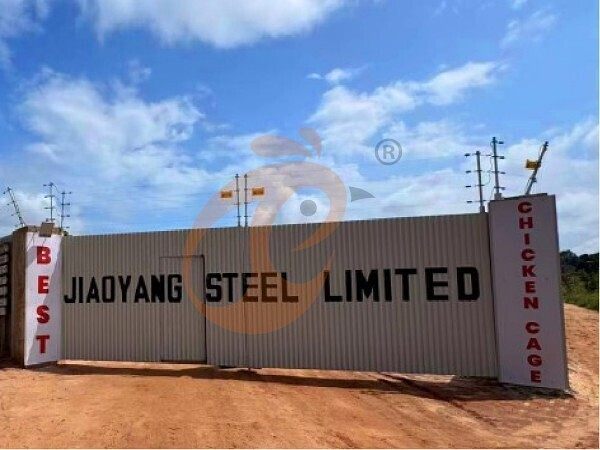
Tanzania Best Machinery And Equipment CO., LTD
Ethiopia Best Hebei Machinery Manufacturing PLC

Reception /24 WhatsApp NO. : +8618830120193
FAQ
What Is The Typical Capacity Range Of Feed Mill Systems In Poultry Chicken Production?
Medium systems operate at 5–10 tons per hour for commercial poultry complexes above 50,000 birds.
Large industrial mills reach 15–25 tons per hour for integrated feed supply chains.
What Are The Key Mixing Uniformity Standards In Feed Mixer Systems For Poultry Chicken Feed?
Horizontal mixers maintain batch consistency within 3–6 minutes per cycle for complete ingredient integration.
Riboflavin tracer tests confirm homogeneity above 90% for high-performance poultry feed formulation.
What Grinding Particle Size Is Required In Feed Mill Systems For Poultry Chicken Diets?
Grower feed is processed to 1.5–2.0 mm to balance energy intake and gut development.
Finisher feed targets 2.5–3.0 mm to optimize feed conversion rate in broiler production cycles.
Product Recommendations
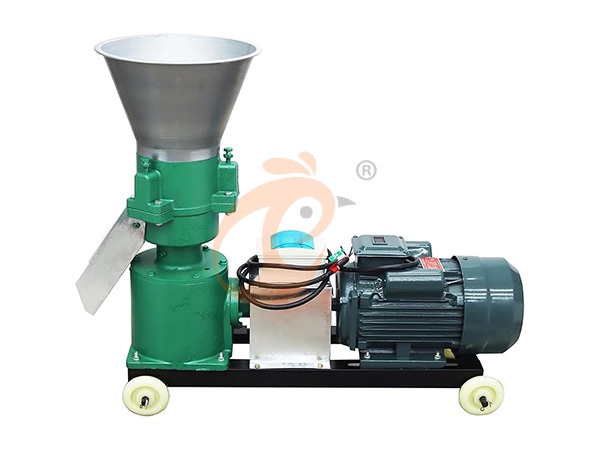
 Pellet Machine For Poultry | 5 Essential Tips To Boost Feed Quality1. Pellet machine enhances poultry feed processing efficiency significantly
2. Feed pellet systems improve uniform nutrition distribution effectively
3. Industrial poultry equipment supports large scale farm productivity systems
4. Feed optimization technologies reduce operational cost in poultry farms
5. Reception /WhatsApp NO. : +8618830120193Read more Feed Mill For Poultry | 5 Ways To Boost Chicken Feed Production1. Industrial poultry feed systems ensure stable chicken nutrition supply chains
2. Feed formulation precision improves poultry growth rate and efficiency output
3. Automation technology enhances production stability and reduces operational variation
4. Pellet quality control directly affects feed utilization and farm performance
5. Reception /WhatsApp NO. : +8618830120193Read more How To Get An Accurate Poultry Cage Quotation? 7 Buyer-Ready Steps1. Accurate poultry cage quotation requires structured engineering data input.
2. Cage system design determines poultry farm production efficiency outcomes.
3. Automation integration improves poultry farming equipment operational stability.
4. Material quality directly impacts long-term poultry cage durability performance.
5. Reception /WhatsApp NO. : +8618830120193Read more What Are H Type Chicken Cages And How Do They Work In Poultry Farms1. Scalable vertical poultry systems improve commercial farm efficiency
2. Automated feeding and egg collection reduce manual labor intensity
3. Controlled environment enhances stable production and bird health performance
4. Investment cost and output vary with system configuration levels
5. Reception /WhatsApp NO. : +8618830120193Read more What Is An A Type Battery Cage System For Poultry Farm? A Clear Buyer’s Guide1. Efficient housing structure supports organized commercial poultry farming operations
2. Automated feeding equipment improves daily management and production consistency
3. Integrated ventilation design maintains stable environmental farming conditions
4. Durable galvanized materials ensure long service life performance stability
5. Reception /WhatsApp NO. : +8618830120193Read more Layer Farming Equipment Recommendation: Comparison Review & Google User Questions1. Layer farming equipment structured for industrial poultry production systems
2. Automated systems improve egg output consistency and operational stability
3. Ventilation and manure systems maintain controlled poultry environment
4. Feeding precision directly impacts production efficiency and cost control
5. Reception /WhatsApp NO. : +8618830120193Read more Chicken House Equipment Installation Tutorial: Step-By-Step Guide1. Chicken house equipment installation tutorial supports automated poultry production systems
2. Industrial poultry equipment improves ventilation feeding and water distribution efficiency
3. Modern chicken house systems ensure stable environmental control performance
4. Automated poultry farming equipment increases production scalability and reliability
5. Reception /WhatsApp NO. : +8618830120193Read more Automated Auxiliary Equipment Installation Tutorial: Common Hot Searches Answered1. Automatic systems improve feeding precision inside modern poultry facilities
2. Ventilation management stabilizes poultry environmental production performance continuously
3. Egg transportation systems reduce operational labor management expenses significantly
4. Environmental monitoring technology improves poultry health condition management efficiently
5. Reception /WhatsApp NO. : +8618830120193Read more Temperature And Ventilation Installation Tutorial: Step By Step + Popular FAQs1. Efficient environmental control improves poultry production performance stability
2. Proper airflow design ensures uniform temperature distribution inside houses
3. Advanced sensor systems maintain accurate real time climate monitoring
4. Correct installation reduces energy consumption and improves system efficiency
5. Reception /WhatsApp NO. : +8618830120193Read more Manure System Installation Tutorial: Detailed Steps & Common Problem Solutions1. Efficient waste transport ensures stable poultry house environmental conditions
2. Accurate installation improves system durability and operational consistency
3. Optimized parameters reduce energy consumption and maintenance frequency
4. Automated processes enhance farm productivity and labor efficiency
5. Reception /WhatsApp NO. : +8618830120193Read more Chicken Coop Water System Installation Tutorial: Piping Layout & Practical Tips1. Hydraulic poultry drinking networks ensure stable farm water distribution
2. Modular pipe layouts improve pressure balance across chicken housing systems
3. Nipple drinker systems regulate controlled water intake for poultry flocks
4. Proper installation reduces contamination risk and maintenance workload significantly
5. Reception /WhatsApp NO. : +8618830120193Read more Poultry Feeder Installation Tutorial: Layout, Safety & Usage Tips1. Poultry feeder installation improves industrial feeding precision across farms
2. Structured feeder layout enhances uniform flock growth distribution performance
3. Mechanical calibration reduces feed waste in poultry production systems
4. Automated feeding integration stabilizes large scale poultry farm efficiency
5. Reception /WhatsApp NO. : +8618830120193Read more Deep Litter Poultry System Setup | 7 Essential Steps1. Efficient litter management improves poultry production performance
2. Optimized housing design supports controlled ventilation and moisture balance
3. Nutrient recycling enhances sustainable agricultural integration systems
4. Accurate density control reduces disease risks and improves output
5. Reception /WhatsApp NO. : +8618830120193Read more Free Range Poultry System Setup | 7 Essential Planning Steps1. Outdoor poultry management improves bird welfare and production stability
2. Balanced poultry nutrition supports stronger immunity and faster daily growth
3. Scientific poultry housing reduces disease risks and environmental pressure
4. Commercial poultry planning increases operational efficiency and long-term profitability
5. Reception /WhatsApp NO. : +8618830120193Read more Floor Rearing System Setup | 7 Essential Steps For Poultry Houses1. Efficient poultry house design ensures stable production and performance
2. Optimized environmental control improves bird growth and health
3. Integrated systems reduce labor cost and increase efficiency
4. Scientific management supports consistent output and profitability
5. Reception /WhatsApp NO. : +8618830120193Read more Layer Battery Cage Vs Floor System | Price & Return On Investment Comparison1. Commercial poultry systems compared through investment and efficiency data
2. Battery structure improves density feed control and production stability
3. Floor system supports premium pricing through market differentiation strategy
4. Return on investment varies depending on capital structure and operational cost balance
5. Reception /WhatsApp NO. : +8618830120193Read more Automatic Vs Manual Broiler Chicken Cage | Price & Efficiency Comparison1. Automatic cage system improves poultry production efficiency per cycle
2. Manual cage system requires higher labor input and management effort
3. Feed efficiency directly impacts total farming profitability performance
4. Environmental stability improves survival rate and growth uniformity
5. Reception /WhatsApp NO. : +8618830120193Read more Automatic Vs Manual Nipple Drinkers | Price & Efficiency Comparison1. Automatic drinking systems improve poultry farm water efficiency performance
2. Manual systems increase labor requirement and water waste levels
3. Investment comparison shows long term profitability difference clearly
4. Reliable poultry water delivery ensures stable production output
5. Reception /WhatsApp NO. : +8618830120193Read more Plasson Automatic Vs Manual Systems | Price & Efficiency Comparison1. Efficient poultry water systems improve flock production stability
2. Automatic flushing technology reduces poultry pipeline contamination risks significantly
3. Commercial farms increasingly adopt intelligent poultry drinking management equipment
4. Precision pressure control supports better poultry growth performance consistency
5. Reception /WhatsApp NO. : +8618830120193Read more Automatic Vs Manual Pellet Machine | Price & Efficiency Comparison1. Automatic pellet systems improve poultry feed production efficiency in commercial farms
2. Manual machines support small poultry operations with flexible feed production capability
3. Feed pellet quality directly influences broiler chicken growth performance and FCR values
4. Industrial poultry systems require stable continuous feed processing and automation control
5. Reception /WhatsApp NO. : +8618830120193Read more Automatic Vs Manual Feed Mixer | Price & Efficiency Comparison1. Automatic systems improve poultry farm feed consistency efficiency
2. Manual mixers suit small scale poultry production operations
3. Feed uniformity directly influences chicken growth and performance
4. Investment choice depends on farm scale and budget structure
5. Reception /WhatsApp NO. : +8618830120193Read more What Is The Average Poultry Cage Price Per Bird? 5 Accurate Calculations1. Efficient cage systems reduce long term production investment
2. Accurate cost calculation improves poultry farm financial planning
3. Automation enhances productivity and reduces labor requirements
4. Material selection determines durability and operational lifespan
5. Reception /WhatsApp NO. : +8618830120193Read more How To Upgrade Egg Farms With H Type Battery Cages | 5 Steps & Price1. Vertical cage systems improve structural poultry production efficiency
2. Automation integration reduces manual handling across egg production cycles
3. Environmental control systems stabilize airflow and ammonia distribution
4. Industrial cage design supports scalable poultry farm expansion models
5. Reception /WhatsApp NO. : +8618830120193Read more How To Install Nipple Drinkers | 6 Key Steps & Cost Guide1. Efficient water delivery ensures stable poultry growth performance
2. Proper installation improves hygiene and reduces contamination risks
3. Structured layout design supports uniform flock water access
4. Routine maintenance extends system lifespan and performance stability
5. Reception /WhatsApp NO. : +8618830120193Read more How To Choose Plasson Feeding Systems | 6 Practical Steps & Price Guide1. Plasson feeding systems selection requires structured engineering evaluation and capacity alignment
2. Operational cost control depends on correct mechanical configuration and maintenance planning
3. Feed distribution uniformity directly impacts poultry production performance stability
4. System durability depends on material selection and environmental adaptation design
5. Reception /WhatsApp NO. : +8618830120193Read more How To Choose A Type Battery Cages | 6 Practical Steps & Cost Guide1. Modern poultry cage systems engineered for industrial efficiency standards.
2. Galvanized structures designed for long term poultry production stability.
3. Integrated feeding and watering systems ensure uniform flock performance.
4. Automated manure handling improves environmental control efficiency metrics.
5. Reception /WhatsApp NO. : +8618830120193Read more Complete Poultry Farm Equipment Buying Guide: Price, Brand & Hot Search Type Analysis1. Poultry systems require precise engineering parameter control for efficiency.
2. Feeding and ventilation systems dominate operational cost structure globally.
3. Automation improves feed conversion ratio and reduces mortality levels.
4. Investment planning depends on system scale and environmental design.
5. Reception /WhatsApp NO. : +8618830120193Read more Chicken Coop Lighting Equipment Buying Guide: Price, Energy Efficiency & Google Hot Keywords1. Energy efficient systems improve poultry farm operational performance
2. Automated lighting controls stabilize production across different poultry types
3. Spectral management enhances growth reproduction and flock uniformity
4. Solar powered systems reduce long term electricity consumption costs
5. Reception /WhatsApp NO. : +8618830120193Read more Chicken House Temperature Control Equipment Buying Guide: Price, Fans, Heaters & Hot Searches1. Advanced airflow control improves poultry house thermal stability
2. Precision heating systems reduce mortality during brooding stages
3. Integrated automation enhances environmental monitoring and efficiency
4. Energy optimized equipment lowers operational costs across poultry farms
5. Reception /WhatsApp NO. : +8618830120193Read more Automatic Manure Removal Equipment Buying Guide: Brand, Price & Popular Search Keywords1. High efficiency manure systems support poultry housing automation standards
2. Mechanical conveyors reduce ammonia concentration in intensive farming environments
3. Proper system sizing improves livestock productivity and operational stability
4. Engineering design ensures durability under continuous biological load conditions
5. Reception /WhatsApp NO. : +8618830120193Read more Automatic Poultry Water System Buying Guide: Price, Cleaning & Frequently Asked Questions1. Hydraulic engineering determines poultry water distribution stability across farms
2. Material selection impacts corrosion resistance and system durability performance
3. Cleaning cycle control reduces microbial contamination in drinking pipelines
4. Cost structure depends on installation scale and system configuration complexity
5. Reception /WhatsApp NO. : +8618830120193Read more Automatic Poultry Feeding System Buying Guide: Price, Cost Saving & User Hot Searches1. Efficient feeding systems optimize poultry production performance
2. Automated control improves feeding accuracy and reduces waste
3. Scalable system design supports different poultry farming models
4. Precision engineering enhances long-term equipment reliability
5. Reception /WhatsApp NO. : +8618830120193Read more Deep Litter Poultry System Price | 5 Key Cost Factors1. Integrated poultry housing design improves production efficiency globally
2. Automation systems reduce labor and stabilize feeding performance
3. Biosecurity and climate control maintain flock health consistency
4. Structural materials determine long term farm investment cost
5. Reception /WhatsApp NO. : +8618830120193Read more Free Range Poultry System Price | 5 Key Cost Factors Explained1. Efficient poultry systems improve productivity across diversified farming operations
2. Optimized cost structures enhance long-term farm profitability and sustainability
3. Integrated management reduces operational risks and stabilizes production output
4. Technical parameters enable accurate planning and scalable farm expansion
5. Reception /WhatsApp NO. : +8618830120193Read more Floor Rearing Poultry System Price | Five Key Cost Factors Explained1. Efficient poultry production depends on controlled environmental engineering
2. System integrates feeding ventilation and species density regulation
3. Investment cost varies across structural and automation parameters
4. Operational performance relies on feed efficiency and biosecurity systems
5. Reception /WhatsApp NO. : +8618830120193Read more Complete Poultry Equipment List | 6 Essential Machines For Commercial Farms1. Integrated systems regulate poultry farm environmental stability efficiently
2. Automated feeding and drinking improve flock growth consistency
3. Ventilation and waste control maintain healthy production conditions
4. Precision equipment supports scalable commercial poultry operations globally
5. Reception /WhatsApp NO. : +8618830120193Read more Broiler Chicken Cage Price & Benefits | 5 Key Tips For Meat Farms1. Efficient systems increase production output within limited housing space
2. Feed efficiency improvements reduce cost per kilogram of meat
3. Controlled environments stabilize growth performance across production cycles
4. System integration ensures predictable and scalable farm operation
5. Reception /WhatsApp NO. : +8618830120193Read more Nipple Drinkers Price & Benefits | 5 Practical Tips For Poultry Farms1. Poultry drinking systems improve water distribution efficiency in farms
2. Hydraulic pressure control ensures stable and uniform water supply
3. Proper maintenance reduces contamination risk and system failure rates
4. Engineering design directly influences poultry production performance outcomes
5. Reception /WhatsApp NO. : +8618830120193Read more Plasson Poultry Equipment Price & Supplier List | 5 Key Tips1. Efficient poultry systems require precise equipment selection
2. Cost optimization depends on localized procurement strategies
3. Climate adaptation improves production consistency and outcomes
4. Data-driven decisions enhance poultry farm operational performance
5. Reception /WhatsApp NO. : +8618830120193Read more Pellet Machine Price & Benefits | 5 Key Tips For Feed Production1. Feed efficiency improvements directly reduce operational livestock production costs
2. Pellet processing stabilizes feed quality and reduces material loss
3. Machine selection impacts long term energy and maintenance expenses
4. Proper raw material control improves pellet durability and consistency
5. Reception /WhatsApp NO. : +8618830120193Read more


Search
Hot product
 IoT Poultry Farming System1. CO₂ 0–5,000 ppm range
2. NH₃ 0–100 ppm
3. RH ±3%
4. Thresholds in the 10–25 ppm range
5. Reception /WhatsApp NO. : +8618830120193Read more Overall Structure IoT System In The Farm1. Breeding planning framework
2. CCTV
3. Poultry digital platform - comprehensive large screen
4. Alarm management
5. Reception /WhatsApp NO. : +8618830120193Read more Poultry House Environmental Control Smart IoT System1. Precision ventilation
2. Full site equipment control
3. Self diagnosis alarm system
4. European standard hardware
5. Reception /WhatsApp NO. : +8618830120193Read more

Contact us
Phone(whatsapp No. ):
E-mail:
Office 1 (Hong Kong):
Flat/RM A, 15/F, ManlyCommercial Building 15 Soy Street, Mong Kok
Office 2 (China Mainland):
Flat/RM 2416, 24/F, Runxing Building, Youyi Nan Street, Shijiazhuang City, Hebei Province