



News
Poultry feed processing systems define modern farm productivity.
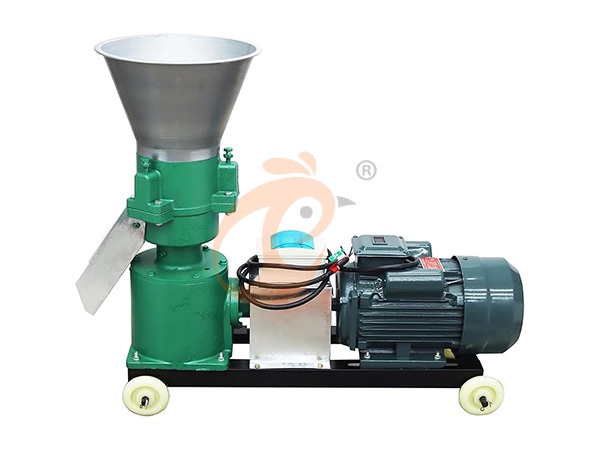
Pellet machine for poultry integrates crushing, conditioning, and extrusion functions for uniform feed pellet output.
Poultry feed pellet machine systems ensure stable nutrient distribution across batches.
Chicken feed pellet mill technology improves feed conversion efficiency and reduces waste in intensive farming operations.
Industrial poultry feed production line setups support scalable automation for commercial poultry enterprises.
Feed pellet standardization enhances growth consistency, feed safety, and operational cost control.
Get professional poultry farm construction guidance, equipment selection solutions, and the latest price lists, whatsApp to +8618830120193, click to learn more:
Industrial Function Of Pellet Machine
A pellet machine for poultry is a core feed processing system designed to convert raw feed ingredients into uniform, compressed pellets with controlled density and size.
In modern poultry farming, feed is not only a nutritional input but also a controlled production variable that directly affects growth rate, feed conversion ratio (FCR), and flock uniformity.
Unlike simple mixing systems, pellet machines introduce mechanical compression, thermal conditioning, and structural shaping.
This transforms loose feed into stable particles that birds can consume efficiently with minimal waste.
Feed Engineering Logic
Feed form influences digestion speed and nutrient utilization efficiency.
Pelleted feed ensures uniform nutrient distribution in every unit, reducing selective feeding behavior.
This improves consistency in body weight development across flocks.
Data is for reference only.Swipe horizontally to view full table.
System Structure Overview
A poultry feed pellet machine integrates multiple functional modules that operate in sequence.
Each module contributes to feed transformation from powder to compact pellets.
Data is for reference only.Swipe horizontally to view full table.
Scientific Basis Of Pellet Formation
Pellet formation is a combined thermomechanical process.
When steam is introduced into feed, starch molecules absorb water and undergo gelatinization at approximately 70–90°C.
This increases binding capacity between particles.
Under mechanical compression, protein structures reorganize, forming a stable matrix.
Cooling stabilizes moisture distribution and prevents structural collapse.
This process improves pellet durability and reduces nutrient loss during transport.
Key Quality Indicators
Pellet quality is evaluated using measurable engineering and nutritional parameters.
These values are critical in industrial feed formulation systems.
Data is for reference only.Swipe horizontally to view full table.
Pellet Machine Capacity Vs Poultry Farm Scale
Selecting a pellet machine requires matching output capacity with daily feed demand.
Production balance is essential for avoiding feed shortages or machine underutilization.
Data is for reference only.Swipe horizontally to view full table.
Moisture And Conditioning Control Optimization
Moisture balance determines pellet structural integrity.
Conditioning parameters must be adjusted according to ingredient composition and particle size distribution.
Data is for reference only.Swipe horizontally to view full table.
Raw Material Particle Size Optimization
Particle size affects surface bonding and compression efficiency inside the pellet machine.
Smaller particles improve cohesion and reduce fragmentation during handling.
Data is for reference only.Swipe horizontally to view full table.
Pellet Machine Operating Parameter Control
Machine stability depends on motor load, compression ratio, and feed flow consistency.
These parameters directly affect pellet density and uniformity.
Data is for reference only.Swipe horizontally to view full table.
Die And Roller Wear Management System
Die and roller components determine long-term pellet consistency.
Wear progression must be monitored using dimensional measurement rather than visual inspection alone.
Data is for reference only.Swipe horizontally to view full table.
Cooling And Storage Stabilization System
Cooling stabilizes pellet moisture distribution after extrusion.
Proper airflow prevents condensation and microbial growth during storage.
Data is for reference only.Swipe horizontally to view full table.
Standard Operating Workflow In Pellet Production
Efficient production requires a fixed operational sequence to maintain feed consistency.
Raw material batching according to formula ratio is completed first.
Grinding to defined particle size range is completed next.
Steam conditioning at controlled temperature follows.
Compression through calibrated die system is executed.
Cutting into defined pellet length is completed.
Cooling to stabilize structure is required.
Storage under controlled humidity environment is maintained.
Economic Role Of Pellet Machine In Poultry Farming
A pellet machine for poultry directly reduces feed loss and improves conversion efficiency.
Even small improvements in feed utilization can significantly reduce total production cost in large-scale farming systems.
Feed represents the largest operational expense in poultry production, making pellet optimization a critical cost-control mechanism.
Common Operational Issues And Technical Troubleshooting
Operational deviations can be traced to mechanical or formulation-related causes.
Pellet fragmentation occurs when conditioning energy is insufficient or particle size is improper.
Die blockage occurs when fat content is excessive or grinding distribution is uneven.
Irregular pellet length occurs when cutter speed is unstable.
Excess fines occur when die wear is significant or compression ratio is low.
Frequently Asked Questions
Q1: What capacity pellet machine for poultry is suitable for 10,000 birds?
A medium scale poultry feed pellet machine with 300–650 kg/h output supports approximately 10,000 birds depending on feed formulation and growth stage.
Daily feed demand typically ranges between 600–2,200 kg.
Q2: How does poultry feed pellet machine improve feed efficiency?
Pellet processing improves feed conversion ratio from approximately 1.9 to 1.6 by reducing feed wastage and increasing nutrient uniformity in each pellet unit.
Conditioning temperature between 78–88°C enhances starch gelatinization.
Q3: What is the maintenance cycle for chicken feed pellet mill components?
Die replacement is typically required after 1200–1800 operating hours.
Roller systems require inspection every 1500–2200 hours.
Cutter blades require adjustment every 800–1200 hours depending on feed hardness.
Taiyu (HK) Group - One Of China Largest Pellet Machine Manufacturer
Pellet machine for poultry designed for high efficiency feed production systems with stable output and durable industrial structure.
Global factory direct supply ensures consistent poultry feed pellet machine quality and cost optimization across international markets.
Full range poultry equipment integration supports automated production lines for commercial poultry farming operations.
Poultry cage systems and feeding equipment combined for optimized farm productivity and housing efficiency solutions.
Turn-key engineering services deliver complete poultry feed production line installation, commissioning, and operational training support.
Contact Us To Received Your Customized Poultry Farm Plan
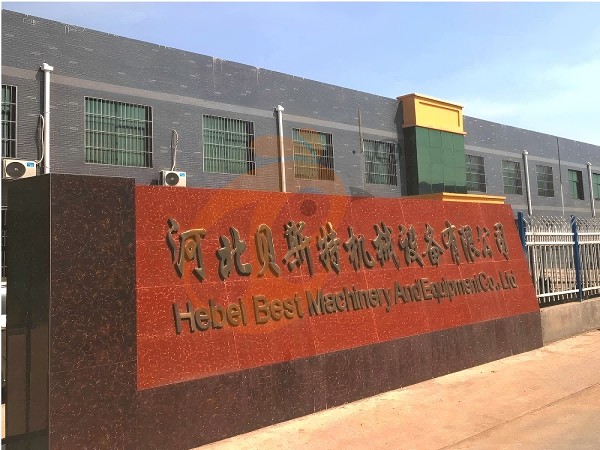
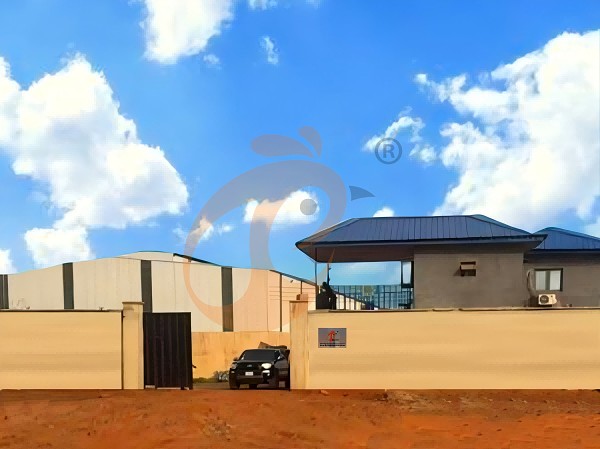
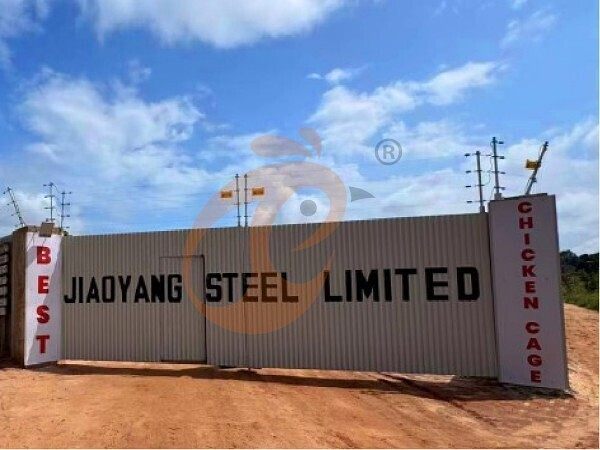
Headquarters And Branchs

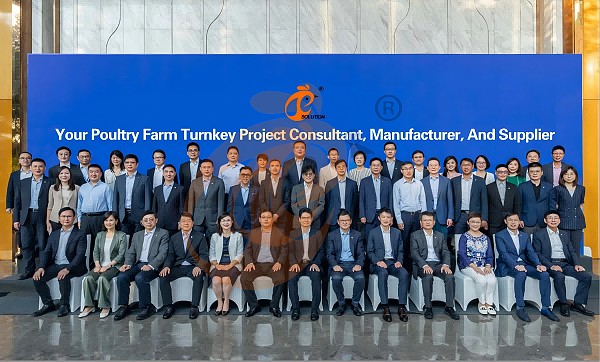
Hong Kong Headquarter Management Team
Hong Kong Headquarter Taiyu Industrial Group CO., LTD
China Hebei Best Machinery And Equipment CO., LTD
Nigeria Vanke Machinery And Equipment CO., LTD
Tanzania Best Machinery And Equipment CO., LTD
Ethiopia Best Hebei Machinery Manufacturing PLC

Reception /24 WhatsApp NO. : +8618830120193
FAQ
What Is The Production Capacity Range Of Pellet Machine In Poultry Chicken Feed Processing Systems?
Medium systems operate at 800–1500 kg per hour for commercial broiler farms.
Industrial pellet lines reach 3–6 tons per hour for integrated feed mill production.
What Are The Standard Pellet Diameters Produced By Pellet Machine For Poultry Chicken Feed?
Grower feed pellets are produced at 3.0 mm for balanced nutrient intake.
Finisher feed pellets are set at 4.0 mm to optimize growth performance and feed conversion.
What Temperature Range Is Required During Pelletizing Process In Poultry Chicken Feed Production?
Pellet discharge temperature is controlled at 75–85°C for structural stability.
Cooling stage reduces pellet temperature to within 5°C above ambient for storage safety.
Product Recommendations
 How Does An A-Type Battery Cage For Layers Work? 5 Practical Facts Explained1. Commercial poultry systems improve operational efficiency through automated environmental management
2. Modern galvanized housing structures support stable long-term farming performance
3. Integrated feeding equipment improves nutritional consistency throughout production cycles
4. Controlled ventilation conditions reduce environmental stress inside poultry facilities
5. Reception /WhatsApp NO. : +8618830120193Read more Winter Heating Installation Tutorial: Hot Question & Usage Advice1. Stable environmental control improves winter poultry production efficiency
2. Professional heating engineering reduces poultry farming operational expenditure
3. Smart automation systems improve airflow circulation and thermal management
4. Industrial poultry equipment supports reliable commercial farming operation
5. Reception /WhatsApp NO. : +8618830120193Read more Poultry Farming Equipment Price Guide: Top Google Types & Recommendations1. Industrial systems improve farm efficiency and production stability
2. Automated equipment reduces labor and operational management costs
3. Climate controlled environments enhance poultry growth performance consistency
4. Precision engineering supports scalable and integrated farming solutions
5. Reception /WhatsApp NO. : +8618830120193Read more Poultry Farming Tools Price Check: Popular Models & User Reviews1. Industrial automation improves poultry production efficiency and operational stability.
2. Environmental control systems support long-term livestock production consistency.
3. Feed management optimization reduces waste and improves farm profitability.
4. Engineering design enhances structural durability and maintenance efficiency.
5. Reception /WhatsApp NO. : +8618830120193Read more Environmental Control System Price Trends: Google Search Keywords & Recommended Options1. Ventilation systems regulate airflow in poultry house environments
2. Cooling pads control temperature under high density farming conditions
3. Automation sensors improve environmental stability and operational efficiency levels
4. Regional cost variations reflect industrial poultry infrastructure development differences
5. Reception /WhatsApp NO. : +8618830120193Read more Chicken Coop Cleaning Equipment Price Check: Top Type & Cost Analysis1. Advanced sanitation systems improve environmental control during poultry production
2. Automated manure transport reduces labor demand inside commercial poultry houses
3. Industrial cleaning equipment supports stable poultry biosecurity management procedures
4. Robotic sanitation technology increases operational consistency in large-scale poultry farms
5. Reception /WhatsApp NO. : +8618830120193Read more Watering Equipment Price Trends: Market Popular & Recommended Models1. Poultry watering systems define hydraulic farm infrastructure engineering standards
2. Nipple drinker technology ensures controlled hydration efficiency in poultry houses
3. Drinking line systems distribute pressure across large scale poultry farms
4. Smart monitoring systems optimize water consumption and leakage detection control
5. Reception /WhatsApp NO. : +8618830120193Read more Feed Distribution Equipment Price Check: Top Popular & Recommended Models1. Feed automation improves uniform nutrition delivery across poultry houses
2. Rotary and chain systems enhance production efficiency in farms
3. Engineering design reduces feed loss and operational labor costs
4. Integrated systems support scalable industrial poultry production expansion
5. Reception /WhatsApp NO. : +8618830120193Read more How To Manage Deep Litter Poultry System | 6 Practical Tips1. Deep litter poultry system operates through microbial decomposition control
2. Poultry farming system efficiency depends on moisture and ventilation balance
3. Broiler management stability improves through structured litter engineering
4. Poultry equipment design supports controlled environmental production systems
5. Reception /WhatsApp NO. : +8618830120193Read more How To Manage Free Range Poultry Farming | 6 Practical Daily Tips1. Free range poultry systems require precise environmental control management
2. Structured feeding schedules improve production stability and efficiency outcomes
3. Biosecurity and housing design reduce disease and mortality risks
4. Rotational grazing supports land recovery and long term sustainability
5. Reception /WhatsApp NO. : +8618830120193Read more How To Manage Floor Rearing Poultry System | 6 Practical Daily Tips1. Controlled environmental systems improve poultry production efficiency significantly
2. Ventilation and feeding synchronization reduce mortality and stress levels
3. Litter and water management stabilize flock health and growth consistency
4. Precision monitoring enhances uniformity and operational performance stability
5. Reception /WhatsApp NO. : +8618830120193Read more Automatic Poultry Equipment For Sale | 5 Key Benefits For Farms1. Advanced automation improves operational stability across commercial poultry facilities
2. Precision environmental systems support healthier livestock production conditions globally
3. Integrated infrastructure reduces maintenance workload and operational resource losses
4. Industrial agricultural technology increases long-term poultry production profitability significantly
5. Reception /WhatsApp NO. : +8618830120193Read more Pellet Machine For Poultry | 5 Essential Tips To Boost Feed Quality1. Pellet machine enhances poultry feed processing efficiency significantly
2. Feed pellet systems improve uniform nutrition distribution effectively
3. Industrial poultry equipment supports large scale farm productivity systems
4. Feed optimization technologies reduce operational cost in poultry farms
5. Reception /WhatsApp NO. : +8618830120193Read more Feed Mill For Poultry | 5 Ways To Boost Chicken Feed Production1. Industrial poultry feed systems ensure stable chicken nutrition supply chains
2. Feed formulation precision improves poultry growth rate and efficiency output
3. Automation technology enhances production stability and reduces operational variation
4. Pellet quality control directly affects feed utilization and farm performance
5. Reception /WhatsApp NO. : +8618830120193Read more How To Get An Accurate Poultry Cage Quotation? 7 Buyer-Ready Steps1. Accurate poultry cage quotation requires structured engineering data input.
2. Cage system design determines poultry farm production efficiency outcomes.
3. Automation integration improves poultry farming equipment operational stability.
4. Material quality directly impacts long-term poultry cage durability performance.
5. Reception /WhatsApp NO. : +8618830120193Read more What Are H Type Chicken Cages And How Do They Work In Poultry Farms1. Scalable vertical poultry systems improve commercial farm efficiency
2. Automated feeding and egg collection reduce manual labor intensity
3. Controlled environment enhances stable production and bird health performance
4. Investment cost and output vary with system configuration levels
5. Reception /WhatsApp NO. : +8618830120193Read more What Is An A Type Battery Cage System For Poultry Farm? A Clear Buyer’s Guide1. Efficient housing structure supports organized commercial poultry farming operations
2. Automated feeding equipment improves daily management and production consistency
3. Integrated ventilation design maintains stable environmental farming conditions
4. Durable galvanized materials ensure long service life performance stability
5. Reception /WhatsApp NO. : +8618830120193Read more Layer Farming Equipment Recommendation: Comparison Review & Google User Questions1. Layer farming equipment structured for industrial poultry production systems
2. Automated systems improve egg output consistency and operational stability
3. Ventilation and manure systems maintain controlled poultry environment
4. Feeding precision directly impacts production efficiency and cost control
5. Reception /WhatsApp NO. : +8618830120193Read more Chicken House Equipment Installation Tutorial: Step-By-Step Guide1. Chicken house equipment installation tutorial supports automated poultry production systems
2. Industrial poultry equipment improves ventilation feeding and water distribution efficiency
3. Modern chicken house systems ensure stable environmental control performance
4. Automated poultry farming equipment increases production scalability and reliability
5. Reception /WhatsApp NO. : +8618830120193Read more Automated Auxiliary Equipment Installation Tutorial: Common Hot Searches Answered1. Automatic systems improve feeding precision inside modern poultry facilities
2. Ventilation management stabilizes poultry environmental production performance continuously
3. Egg transportation systems reduce operational labor management expenses significantly
4. Environmental monitoring technology improves poultry health condition management efficiently
5. Reception /WhatsApp NO. : +8618830120193Read more Temperature And Ventilation Installation Tutorial: Step By Step + Popular FAQs1. Efficient environmental control improves poultry production performance stability
2. Proper airflow design ensures uniform temperature distribution inside houses
3. Advanced sensor systems maintain accurate real time climate monitoring
4. Correct installation reduces energy consumption and improves system efficiency
5. Reception /WhatsApp NO. : +8618830120193Read more Manure System Installation Tutorial: Detailed Steps & Common Problem Solutions1. Efficient waste transport ensures stable poultry house environmental conditions
2. Accurate installation improves system durability and operational consistency
3. Optimized parameters reduce energy consumption and maintenance frequency
4. Automated processes enhance farm productivity and labor efficiency
5. Reception /WhatsApp NO. : +8618830120193Read more Chicken Coop Water System Installation Tutorial: Piping Layout & Practical Tips1. Hydraulic poultry drinking networks ensure stable farm water distribution
2. Modular pipe layouts improve pressure balance across chicken housing systems
3. Nipple drinker systems regulate controlled water intake for poultry flocks
4. Proper installation reduces contamination risk and maintenance workload significantly
5. Reception /WhatsApp NO. : +8618830120193Read more Poultry Feeder Installation Tutorial: Layout, Safety & Usage Tips1. Poultry feeder installation improves industrial feeding precision across farms
2. Structured feeder layout enhances uniform flock growth distribution performance
3. Mechanical calibration reduces feed waste in poultry production systems
4. Automated feeding integration stabilizes large scale poultry farm efficiency
5. Reception /WhatsApp NO. : +8618830120193Read more Deep Litter Poultry System Setup | 7 Essential Steps1. Efficient litter management improves poultry production performance
2. Optimized housing design supports controlled ventilation and moisture balance
3. Nutrient recycling enhances sustainable agricultural integration systems
4. Accurate density control reduces disease risks and improves output
5. Reception /WhatsApp NO. : +8618830120193Read more Free Range Poultry System Setup | 7 Essential Planning Steps1. Outdoor poultry management improves bird welfare and production stability
2. Balanced poultry nutrition supports stronger immunity and faster daily growth
3. Scientific poultry housing reduces disease risks and environmental pressure
4. Commercial poultry planning increases operational efficiency and long-term profitability
5. Reception /WhatsApp NO. : +8618830120193Read more Floor Rearing System Setup | 7 Essential Steps For Poultry Houses1. Efficient poultry house design ensures stable production and performance
2. Optimized environmental control improves bird growth and health
3. Integrated systems reduce labor cost and increase efficiency
4. Scientific management supports consistent output and profitability
5. Reception /WhatsApp NO. : +8618830120193Read more Layer Battery Cage Vs Floor System | Price & Return On Investment Comparison1. Commercial poultry systems compared through investment and efficiency data
2. Battery structure improves density feed control and production stability
3. Floor system supports premium pricing through market differentiation strategy
4. Return on investment varies depending on capital structure and operational cost balance
5. Reception /WhatsApp NO. : +8618830120193Read more Automatic Vs Manual Broiler Chicken Cage | Price & Efficiency Comparison1. Automatic cage system improves poultry production efficiency per cycle
2. Manual cage system requires higher labor input and management effort
3. Feed efficiency directly impacts total farming profitability performance
4. Environmental stability improves survival rate and growth uniformity
5. Reception /WhatsApp NO. : +8618830120193Read more Automatic Vs Manual Nipple Drinkers | Price & Efficiency Comparison1. Automatic drinking systems improve poultry farm water efficiency performance
2. Manual systems increase labor requirement and water waste levels
3. Investment comparison shows long term profitability difference clearly
4. Reliable poultry water delivery ensures stable production output
5. Reception /WhatsApp NO. : +8618830120193Read more Plasson Automatic Vs Manual Systems | Price & Efficiency Comparison1. Efficient poultry water systems improve flock production stability
2. Automatic flushing technology reduces poultry pipeline contamination risks significantly
3. Commercial farms increasingly adopt intelligent poultry drinking management equipment
4. Precision pressure control supports better poultry growth performance consistency
5. Reception /WhatsApp NO. : +8618830120193Read more Automatic Vs Manual Pellet Machine | Price & Efficiency Comparison1. Automatic pellet systems improve poultry feed production efficiency in commercial farms
2. Manual machines support small poultry operations with flexible feed production capability
3. Feed pellet quality directly influences broiler chicken growth performance and FCR values
4. Industrial poultry systems require stable continuous feed processing and automation control
5. Reception /WhatsApp NO. : +8618830120193Read more Automatic Vs Manual Feed Mixer | Price & Efficiency Comparison1. Automatic systems improve poultry farm feed consistency efficiency
2. Manual mixers suit small scale poultry production operations
3. Feed uniformity directly influences chicken growth and performance
4. Investment choice depends on farm scale and budget structure
5. Reception /WhatsApp NO. : +8618830120193Read more What Is The Average Poultry Cage Price Per Bird? 5 Accurate Calculations1. Efficient cage systems reduce long term production investment
2. Accurate cost calculation improves poultry farm financial planning
3. Automation enhances productivity and reduces labor requirements
4. Material selection determines durability and operational lifespan
5. Reception /WhatsApp NO. : +8618830120193Read more How To Upgrade Egg Farms With H Type Battery Cages | 5 Steps & Price1. Vertical cage systems improve structural poultry production efficiency
2. Automation integration reduces manual handling across egg production cycles
3. Environmental control systems stabilize airflow and ammonia distribution
4. Industrial cage design supports scalable poultry farm expansion models
5. Reception /WhatsApp NO. : +8618830120193Read more How To Install Nipple Drinkers | 6 Key Steps & Cost Guide1. Efficient water delivery ensures stable poultry growth performance
2. Proper installation improves hygiene and reduces contamination risks
3. Structured layout design supports uniform flock water access
4. Routine maintenance extends system lifespan and performance stability
5. Reception /WhatsApp NO. : +8618830120193Read more How To Choose Plasson Feeding Systems | 6 Practical Steps & Price Guide1. Plasson feeding systems selection requires structured engineering evaluation and capacity alignment
2. Operational cost control depends on correct mechanical configuration and maintenance planning
3. Feed distribution uniformity directly impacts poultry production performance stability
4. System durability depends on material selection and environmental adaptation design
5. Reception /WhatsApp NO. : +8618830120193Read more How To Choose A Type Battery Cages | 6 Practical Steps & Cost Guide1. Modern poultry cage systems engineered for industrial efficiency standards.
2. Galvanized structures designed for long term poultry production stability.
3. Integrated feeding and watering systems ensure uniform flock performance.
4. Automated manure handling improves environmental control efficiency metrics.
5. Reception /WhatsApp NO. : +8618830120193Read more Complete Poultry Farm Equipment Buying Guide: Price, Brand & Hot Search Type Analysis1. Poultry systems require precise engineering parameter control for efficiency.
2. Feeding and ventilation systems dominate operational cost structure globally.
3. Automation improves feed conversion ratio and reduces mortality levels.
4. Investment planning depends on system scale and environmental design.
5. Reception /WhatsApp NO. : +8618830120193Read more Chicken Coop Lighting Equipment Buying Guide: Price, Energy Efficiency & Google Hot Keywords1. Energy efficient systems improve poultry farm operational performance
2. Automated lighting controls stabilize production across different poultry types
3. Spectral management enhances growth reproduction and flock uniformity
4. Solar powered systems reduce long term electricity consumption costs
5. Reception /WhatsApp NO. : +8618830120193Read more

Search
Hot product
 IoT Poultry Farming System1. CO₂ 0–5,000 ppm range
2. NH₃ 0–100 ppm
3. RH ±3%
4. Thresholds in the 10–25 ppm range
5. Reception /WhatsApp NO. : +8618830120193Read more Overall Structure IoT System In The Farm1. Breeding planning framework
2. CCTV
3. Poultry digital platform - comprehensive large screen
4. Alarm management
5. Reception /WhatsApp NO. : +8618830120193Read more Poultry House Environmental Control Smart IoT System1. Precision ventilation
2. Full site equipment control
3. Self diagnosis alarm system
4. European standard hardware
5. Reception /WhatsApp NO. : +8618830120193Read more

Contact us
Phone(whatsapp No. ):
E-mail:
Office 1 (Hong Kong):
Flat/RM A, 15/F, ManlyCommercial Building 15 Soy Street, Mong Kok
Office 2 (China Mainland):
Flat/RM 2416, 24/F, Runxing Building, Youyi Nan Street, Shijiazhuang City, Hebei Province