



News
- Layer chicken cage, automatic layer cage system, and poultry house equipment support stable egg production through structured daily inspections, efficient flock management, equipment maintenance, environmental control, and production monitoring across commercial poultry farms.
Daily observation improves bird welfare by identifying abnormal behavior, feed changes, water consumption patterns, ventilation performance, and environmental conditions before production efficiency declines.
Proper operational routines reduce unnecessary maintenance expenses, improve equipment service life, support consistent egg quality, and simplify farm management across different production stages.
Practical inspection procedures allow farm managers, technicians, and workers to coordinate responsibilities while maintaining reliable production records and reducing avoidable operational risks.
- Comprehensive management combines housing equipment, environmental monitoring, flock health observation, sanitation practices, and preventive maintenance into one organized daily workflow for sustainable commercial egg farming.
Get professional poultry farm construction guidance, equipment selection solutions, and the latest price lists, whatsApp to +8618830120193, click to learn more:
Manage Manure Removal Efficiency
Timely manure removal helps maintain a cleaner poultry house environment while reducing moisture accumulation and minimizing harmful gas generation.
Operators should inspect manure belt operation, scraper alignment, discharge points, and conveyor performance during daily routines.
Any unusual resistance, belt deviation, or material buildup should be corrected immediately to avoid interruptions.
Regular cleaning around manure transfer areas also prevents insect breeding and supports overall biosecurity.
Scheduled inspections reduce unnecessary wear on motors and drive components while improving long-term equipment reliability.
Data is for reference only. Swipe horizontally to view full table.
Scientific manure management reduces ammonia formation by limiting prolonged moisture retention.
Efficient removal also contributes to improved air quality, lower disease pressure, and a cleaner working environment for farm personnel.
Verify Lighting Program Stability
Lighting directly affects laying rhythm, feed intake, and flock uniformity.
Every lighting zone should be inspected to confirm that timers, controllers, LED fixtures, and emergency power systems operate according to the production schedule.
Operators should replace damaged lamps promptly and verify that all cage rows receive uniform illumination.
Sudden lighting interruptions may disturb flock behavior and temporarily influence egg production.
Data is for reference only. Swipe horizontally to view full table.
Stable lighting programs support the physiological rhythm of laying hens.
Consistent illumination encourages regular feeding activity and contributes to predictable production performance throughout the laying cycle.
Record Egg Production Performance
Accurate production records provide valuable information for farm management decisions.
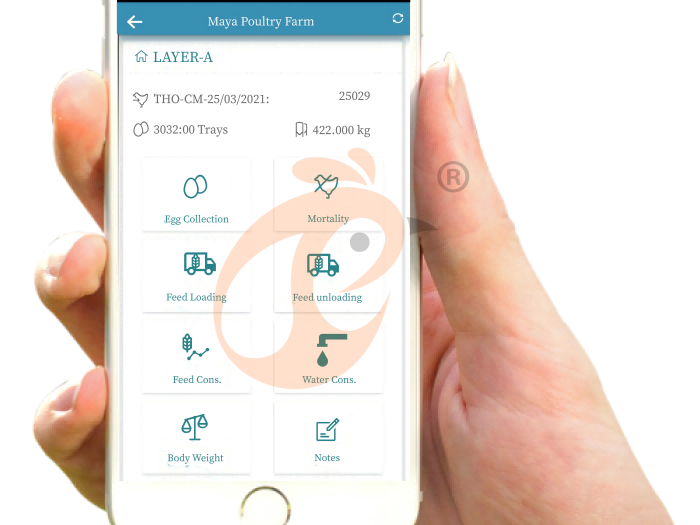
Daily records should include total egg quantity, abnormal eggs, mortality, feed consumption, water usage, and environmental observations.
Consistent recordkeeping allows managers to compare flock performance over time and identify developing issues before they become significant production losses.
Data is for reference only. Swipe horizontally to view full table.
Data-driven management improves operational planning by providing measurable performance indicators.
Reliable records also support maintenance scheduling, nutritional adjustments, and flock evaluation.
Estimate Daily Operating Cost
Understanding operational expenses helps poultry farm owners evaluate production efficiency and investment planning.
Feed, electricity, labor, maintenance, water treatment, and replacement parts represent major daily expenditures in commercial egg production.
For medium and large-scale farms, equipment efficiency significantly influences operating costs over many production cycles.
Daily operating cost estimates should be reviewed alongside production records to identify opportunities for continuous improvement.
Estimated Daily Operating Cost (European union standard reference only.)
Data is for reference only. Swipe horizontally to view full table.
Careful cost analysis supports better budgeting while helping managers balance production efficiency and equipment investment.
Frequently Asked Questions
Q1: What is the most important daily inspection for layer cage operations?
Feed supply, drinking water, ventilation, and bird behavior should all be inspected every day because these factors directly influence flock performance.
Even a water pressure variation of approximately 18 kPa may affect drinking consistency if not corrected promptly.
Q2: How often should automatic equipment be maintained?
Daily visual inspections combined with scheduled preventive maintenance provide the most reliable operating condition.
Motors, bearings, belts, and electrical systems should be checked routinely, while lubrication intervals should follow equipment specifications.
Q3: How can cage equipment reduce operating costs?
Well-designed automated systems improve feed distribution, egg collection, manure removal, and environmental control.
Stable equipment performance helps reduce labor input, minimize egg damage, and improve long-term production efficiency.
Taiyu (HK) Group - One Of China Largest Layer Chicken Cage Manufacturer
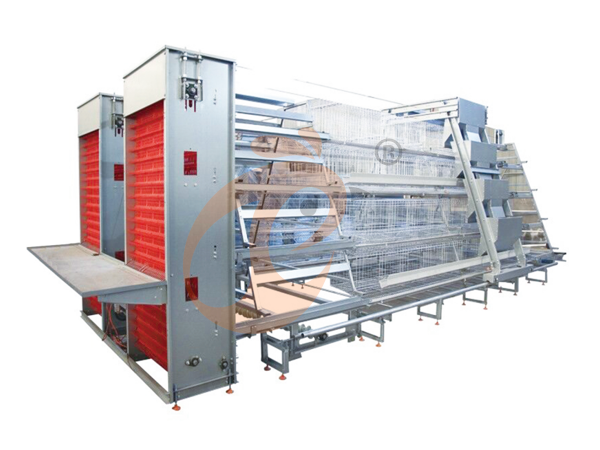
Layer chicken cage systems are engineered with hot-dip galvanized steel structures, automated feeding, drinking, manure removal, and egg collection solutions for commercial egg production projects.
Factory-direct manufacturing supports global customers with competitive pricing, stable production capacity, and consistent product quality from design through shipment.
Complete poultry equipment solutions include ventilation systems, environmental control, silos, electrical control cabinets, and customized housing layouts for different project scales.
Professional engineering teams deliver turn-key poultry farm projects covering equipment selection, installation guidance, commissioning, and technical training for efficient project implementation.
International project experience enables reliable commercial specifications, flexible customization, and long-term technical support for modern poultry farms across multiple countries.
Contact Us To Received Your Customized Poultry Farm Plan
Headquarters And Branchs

Hong Kong Headquarter Management Team
Hong Kong Headquarter Taiyu Industrial Group CO., LTD
China Hebei Best Machinery And Equipment CO., LTD
Nigeria Vanke Machinery And Equipment CO., LTD
Tanzania Best Machinery And Equipment CO., LTD
Ethiopia Best Hebei Machinery Manufacturing PLC




Reception /24 WhatsApp NO. : +8618830120193
FAQ
How To Reduce Stress And Improve Egg Production In Battery Cage Farms?
Good ventilation, temperature 18–25℃, lighting 16h/day.
Automatic feeding and drinking systems ensure sufficient nutrition and water; egg production 90–98%.
What Are The Advanced Tips For Egg Hygiene And Quality Control In Layer Cage Systems?
Monitor feed nutrition and water quality to ensure strong eggshells.
How To Implement Advanced Light Management Systems In Poultry Cage Farms?
Combined with automatic feeding, egg production increases 2–3%, breakage <3%.
- layer chicken cage
- poultry equipment
- egg collection system
- chicken cage
- poultry farm
- Layer cage
- automatic layer cage
- automatic egg collection
- layer farm
- poultry house
- chicken cage manufacturer
- chicken cage system
- layer cage system
- automatic egg collection system
- poultry equipment solutions
- commercial layer farm
- poultry farm construction
- poultry house equipment
- poultry farm project
- layer chicken cage system
- layer chicken cage manufacturer
- egg collection equipment
- automatic layer cage system
- poultry equipment solution
- Tanzania
- Nigeria
Product Recommendations
 How To Control Ammonia In Floor Rearing Poultry Houses | 6 Effective Tips1. Poultry environments require stable airflow and hygiene control systems
2. Ammonia reduction depends on integrated equipment and management
3. Modern farms benefit from automated waste handling technologies
4. Balanced nutrition and ventilation improve production efficiency consistently
5. Reception /WhatsApp NO. : +8618830120193Read more 7 Essential Daily Checks For Layer Chicken Cage Operations1. Daily inspections improve productivity through organized management and preventive maintenance
2. Consistent operating routines reduce risks across commercial farming environments
3. Accurate records support informed decisions and sustainable long-term development
4. Reliable equipment performance strengthens efficiency while lowering operational expenses
5. Reception /WhatsApp NO. : +8618830120193Read more Chicken Coop Lighting Equipment Buying Guide: Price, Energy Efficiency & Performance1. Efficient illumination improves poultry production with measurable operating advantages
2. Reliable engineering supports stable environmental control during commercial farming
3. Professional equipment selection reduces maintenance frequency and operating expenditure
4. Integrated automation enhances production consistency across different project scales
5. Reception /WhatsApp NO. : +8618830120193Read more Pralson Feeder Setup | 6 Steps For Smooth Feeding Operation1. Efficient engineering supports consistent production across commercial poultry facilities
2. Reliable installation improves operational stability during continuous equipment utilization
3. Routine maintenance extends mechanical service life with predictable performance
4. Scientific management encourages balanced flock development through organized daily operation
5. Reception /WhatsApp NO. : +8618830120193Read more How To Improve Egg Quality Using Layer Chicken Cage Systems | 5 Steps1. Controlled housing systems improve laying performance consistency across production cycles
2. Balanced nutrition programs stabilize internal egg formation and structural quality
3. Environmental regulation reduces physiological stress and supports metabolic efficiency
4. Integrated management strategies enhance overall flock productivity and output stability
5. Reception /WhatsApp NO. : +8618830120193Read more How To Improve Weight Gain Using Broiler Chicken Cage Systems | 5 Steps1. Controlled housing systems improve production stability under intensive farming conditions.
2. Environmental balance supports metabolic efficiency and consistent growth performance outcomes.
3. Structured feeding strategies enhance nutrient utilization across multiple development stages.
4. Operational monitoring ensures predictable productivity across commercial poultry cycles.
5. Reception /WhatsApp NO. : +8618830120193Read more How To Improve Water Hygiene With Nipple Drinkers | 6 Steps1. Water chemistry stability determines microbial growth behavior in closed systems
2. Hydraulic consistency directly influences contamination transport patterns
3. Filtration efficiency affects particulate load and biofilm initiation
4. Mechanical reliability ensures uniform drinking system performance
5. Reception /WhatsApp NO. : +8618830120193Read more 5 Steps To Optimize Pralson Feeder Placement In Chicken Houses1. Balanced layouts improve resource access across growing flocks
2. Environmental coordination supports stable production management efficiency
3. Regular monitoring identifies operational issues before performance declines
4. Data-driven adjustments encourage consistent growth and utilization
5. Reception /WhatsApp NO. : +8618830120193Read more How To Optimize Stocking Density In Layer Chicken Cages | 5 Practical Tips1. Balanced cage density improves commercial egg production efficiency systems
2. Environmental control directly stabilizes poultry welfare and output performance
3. Structural cage design enhances long-term farming space utilization strategy
4. Integrated automation supports consistent operational productivity across farms
5. Reception /WhatsApp NO. : +8618830120193Read more How To Clean Commercial Broiler Chicken Cages | 6 Practical Hygiene Steps1. Industrial sanitation cycles regulate microbial load in controlled environments
2. Mechanical separation enhances downstream chemical reaction efficiency
3. Hydrodynamic systems stabilize surface cleanliness consistency
4. Integrated workflows improve operational predictability in production systems
5. Reception /WhatsApp NO. : +8618830120193Read more What Is The Lifespan Of Industrial H Type Layer Chicken Battery Cages?1. Advanced structural design improves operational reliability across production cycles
2. Corrosion control strategies enhance durability under intensive housing conditions
3. Preventive maintenance planning supports stable long-term asset performance
4. Automation integration increases efficiency while reducing mechanical wear
5. Reception /WhatsApp NO. : +8618830120193Read more How To Maintain An A Type Chicken Cage For Egg Laying? 6 Low-Cost Tips1. Structural inspections maintain cage integrity and reduce mechanical stress
2. Environmental control stabilizes humidity and prevents corrosion progression
3. Slope calibration ensures uniform egg rollout and minimizes breakage risk
4. Preventive maintenance reduces operational costs and improves long-term efficiency
5. Reception /WhatsApp NO. : +8618830120193Read more Deep Litter Poultry Farming Problems | 6 Common Issues And Solutions1. Proper litter management ensures healthier birds and lower mortality
2. Moisture control reduces ammonia buildup and pathogen proliferation effectively
3. Bedding selection and ventilation improve overall flock growth performance
4. Integrated pest control and monitoring enhance farm productivity consistently
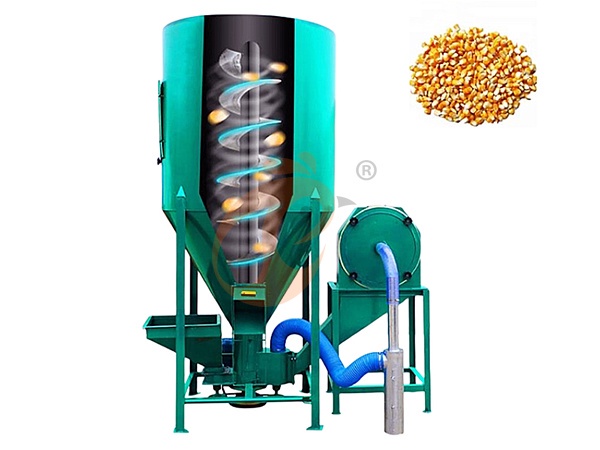
5. Reception /WhatsApp NO. : +8618830120193Read more Feed Mixer Vs Blender | Which Saves Labor And Energy?1. Poultry feed mixing connects ingredients through controlled mechanical action
2. Automatic feed systems reduce repeated material handling stages
3. Industrial feed equipment supports scalable production planning
4. Integrated conveyors create continuous material movement
5. Reception /WhatsApp NO. : +8618830120193Read more Manual Vs Automatic Feeding In H Type Chicken Cage Systems1. H Type Chicken Cage Systems organize cage tiers around coordinated feeding equipment
2. Automatic feeding routes reduce repeated manual feed transportation inside cage houses
3. Feeding equipment selection depends on house length, bird capacity, and storage layout
4. Integrated poultry equipment connects feeding with drinking and manure management
5. Reception /WhatsApp NO. : +8618830120193Read more A Type Battery Cage Vs H Type Cage System: 7 Key Differences For Poultry Farms1. A Type cages use inclined structural arrangements
2. H Type cages maximize vertical poultry house space
3. Automation coordinates feeding, collection, and manure handling
4. Equipment parameters depend on project engineering requirements
5. Reception /WhatsApp NO. : +8618830120193Read more Deep Litter Broiler House Design | 6 Practical Layout Tips1. Proper feeder positioning supports consistent bird access across 4 growth stages
2. Water lines require practical flushing and inspection points every 25 meters
3. Airflow planning should precede final fan installation by 2 engineering reviews
4. Cooling capacity depends on climate and house geometry within 150-meter buildings
5. Reception /WhatsApp NO. : +8618830120193Read more Free Range Broiler House Design | 6 Practical Layout Tips1. Free range broiler houses require coordinated equipment placement
2. Outdoor access should remain separate from service circulation
3. Feeding and drinking lines need balanced distribution
4. Ventilation design depends on building dimensions
5. Reception /WhatsApp NO. : +8618830120193Read more 5 Tips To Optimize Pellet Machine Feed Flow1. Pellet diameter influences downstream handling performance
2. Conditioning stability supports consistent pellet formation
3. Conveying capacity prevents production bottlenecks
4. Automation improves repeatable feed distribution
5. Reception /WhatsApp NO. : +8618830120193Read more Automatic Feed Mill Vs Semi-Automatic | Which Increases Output?1. Automatic feed mill output depends on coordinated process conditions.
2. Grinding consistency directly affects downstream pellet formation.
3. Poultry feed production line layouts should preserve service access.
4. Chicken feed mill equipment requires matched material handling.
5. Reception /WhatsApp NO. : +8618830120193Read more Economy Poultry Cage Vs Automatic System Cost: Which Fits Your Budget?1. Poultry cage selection depends on production scale and workflow design
2. Automatic systems coordinate repetitive operations through integrated equipment modules
3. Layer cage system planning requires accurate house dimensions and engineering review
4. Equipment quotations should separate supply scope from installation responsibilities
5. Reception /WhatsApp NO. : +8618830120193Read more What Makes A Factory-Direct A Type Chicken Battery Cage More Cost-Effective? 4 Reasons1. A Type chicken battery cage supports structured commercial layer housing systems
2. Multi-tier cage layouts organize bird capacity within defined building dimensions
3. Integrated poultry equipment coordinates feeding drinking manure and egg handling
4. Turn-key engineering connects equipment selection with installation requirements
5. Reception /WhatsApp NO. : +8618830120193Read more Deep Litter System For Broilers Vs Cage | Which Is More Profitable?1. Deep Litter System For Broilers requires coordinated ventilation and feeding design
2. Broiler Cage System changes manure handling and building utilization economics
3. Broiler Poultry Equipment selection depends on capacity and operating conditions
4. Production-cycle analysis should cover multiple completed flocks
5. Reception /WhatsApp NO. : +8618830120193Read more Free Range Broiler System Vs Intensive Farming | Which Is More Profitable?1. Commercial broiler houses require coordinated airflow calculations before fan quantities are finalized
2. Feeding and drinking layouts depend on bird numbers, final weight, and equipment allocation
3. Cooling requirements vary according to climate, house structure, and target environmental conditions
4. Environmental controllers coordinate multiple systems according to programmed operating parameters
5. Reception /WhatsApp NO. : +8618830120193Read more Broiler Floor Rearing System Cost | 6 Factors Affecting Price1. Broiler houses require coordinated equipment placement for stable operation
2. Feeding lines require accessible inspection points during production
3. Ventilation layouts depend on building geometry and climate
4. Water systems require filtration before distribution lines
5. Reception /WhatsApp NO. : +8618830120193Read more A Type Vs H Type Battery Cage For Layers | Which Is Better For Egg Production?1. A Type systems use stepped cage structures for accessible flock inspection
2. H Type systems use vertical tiers for intensive building utilization
3. Automatic systems connect feeding, drinking, manure, and egg handling
4. Equipment selection depends on flock capacity and house dimensions
5. Reception /WhatsApp NO. : +8618830120193Read more Multi-Tier Vs Single-Tier Broiler Chicken Cages | Which Boosts Production?1. Multi-tier cage layouts require coordinated structural clearance during initial planning
2. Ventilation routes should align with cage-level production zones
3. Feeding lines require accurate mechanical positioning before commissioning begins
4. Manure conveyors should maintain accessible inspection points throughout each level
5. Reception /WhatsApp NO. : +8618830120193Read more Deep Litter Broiler Farming Cost | 5 Key Factors1. Deep litter systems support organized commercial broiler production
2. Integrated equipment improves coordination across daily farming operations
3. Automation reduces repetitive handling within poultry house workflows
4. Environmental systems maintain controlled operational production conditions
5. Reception /WhatsApp NO. : +8618830120193Read more Free Range Broiler Farming Cost | 5 Key Price Factors1. Free range systems combine controlled housing and outdoor access
2. Automated equipment supports consistent daily poultry management operations
3. Integrated layouts simplify expansion across commercial production facilities
4. Climate control maintains stable indoor operating conditions continuously
5. Reception /WhatsApp NO. : +8618830120193Read more High Density Vs Low Density Battery Cage For Layers | Which Performs Better?1. Layer battery cage layouts require coordinated structural planning and equipment positioning
2. Automatic feeding systems require accurate line-length and motor-load calculations
3. Egg collection equipment should align transfer routes with packing areas
4. Manure removal systems require accessible maintenance zones and belt alignment
5. Reception /WhatsApp NO. : +8618830120193Read more Pellet Machine Lubrication | 6 Essential Steps For Longevity1. Regular lubrication helps maintain mechanical contact surfaces during repeated pellet production cycles
2. Cleaning procedures reduce contamination around critical moving components during servicing operations
3. Inspection records provide measurable evidence for maintenance decisions across production periods
4. Correct lubricant selection supports bearings, gear systems, shafts, and transmission assemblies
5. Reception /WhatsApp NO. : +8618830120193Read more Manual Feeding Vs Feed Mixer Automation | Which Costs Less?1. Feed mixer automation connects preparation and distribution stages
2. Mechanical mixing reduces repeated manual feed handling
3. Controlled conveying establishes a fixed material route
4. Automatic feeding supports scheduled delivery operations
5. Reception /WhatsApp NO. : +8618830120193Read more Poultry Cage Price For Africa Vs Asia Market: 4 Cost Differences1. Poultry cage layouts depend on flock capacity and house geometry
2. Equipment specifications should align with local operating conditions
3. Shipping calculations require verified packing dimensions and quantities
4. Commissioning procedures should cover mechanical and electrical systems
5. Reception /WhatsApp NO. : +8618830120193Read more H Type Chicken Cages Vs Flat House Poultry Systems: Which Saves Space?1. H Type Chicken Cages distribute birds across multiple vertical levels
2. Automatic feeding equipment follows dedicated cage-row routes
3. Manure removal equipment transfers waste toward collection points
4. Building dimensions determine final equipment arrangement and capacity
5. Reception /WhatsApp NO. : +8618830120193Read more How To Avoid Common Buying Mistakes When Choosing An A Type Poultry Cage? 5 Smart Tips1. Cage selection should follow building dimensions and flock requirements
2. Equipment interfaces require verification before manufacturing starts
3. Technical drawings help prevent installation conflicts and modifications
4. Automation modules can be selected according to operational priorities
5. Reception /WhatsApp NO. : +8618830120193Read more How To Improve Growth Rate In Broiler Floor Rearing System | 5 Tips1. Broiler houses require coordinated airflow, feeding, and drinking equipment
2. Environmental conditions influence bird comfort and production consistency
3. Automatic systems reduce repetitive manual management during daily operations
4. Equipment layout should follow flock capacity and house dimensions
5. Reception /WhatsApp NO. : +8618830120193Read more Poultry Farm Equipment Cost | 6 Key Factors Affecting Price And ROI1. Poultry farm equipment selection should match bird capacity and building dimensions
2. Automatic systems coordinate repetitive operations across multiple production areas
3. Ventilation equipment requires airflow calculations based on house conditions
4. Lifecycle costing should include maintenance, energy, and replacement requirements
5. Reception /WhatsApp NO. : +8618830120193Read more Hot-Dip Galvanized Vs Painted Battery Cage For Layers | Which Lasts Longer?1. Hot-dip galvanization creates zinc-based protection around prepared steel surfaces
2. Layer-house humidity and ammonia influence corrosion exposure during operation
3. Automatic feeding and manure systems require compatible cage-bank layouts
4. Maintenance planning remains important throughout commercial equipment service
5. Reception /WhatsApp NO. : +8618830120193Read more High Density Vs Low Density Broiler Chicken Cages | Which Performs Better?1. Multi-tier cage structures organize commercial broiler production vertically
2. Automatic feeding reduces repetitive manual feed distribution work
3. Ventilation design must match total building heat loads
4. Manure removal equipment supports cleaner production workflows
5. Reception /WhatsApp NO. : +8618830120193Read more How To Upgrade Old Water Lines To Nipple Drinkers | 5 Steps1. Drinking lines require systematic inspection before replacement work begins
2. Nipple positions should follow bird access and house geometry
3. Pressure checks verify proper operation across complete lines
4. Flushing removes installation debris before flock commissioning
5. Reception /WhatsApp NO. : +8618830120193Read more

Search
Hot product
 IoT Poultry Farming System1. CO₂ 0–5,000 ppm range
2. NH₃ 0–100 ppm
3. RH ±3%
4. Thresholds in the 10–25 ppm range
5. Reception /WhatsApp NO. : +8618830120193Read more Overall Structure IoT System In The Farm1. Breeding planning framework
2. CCTV
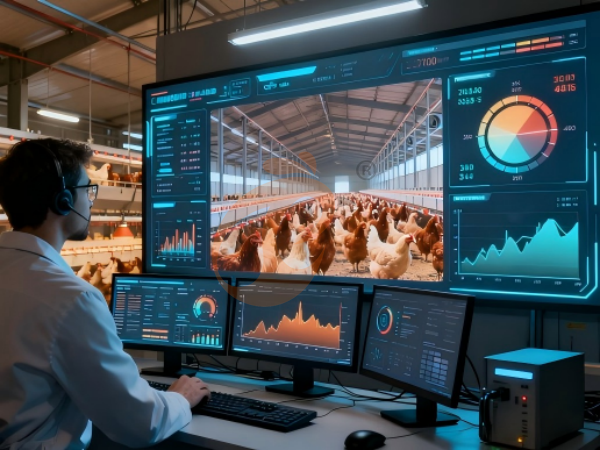
3. Poultry digital platform - comprehensive large screen
4. Alarm management
5. Reception /WhatsApp NO. : +8618830120193Read more Poultry House Environmental Control Smart IoT System1. Precision ventilation
2. Full site equipment control
3. Self diagnosis alarm system
4. European standard hardware
5. Reception /WhatsApp NO. : +8618830120193Read more

Contact us
Phone(whatsapp No. ):
E-mail:
Office 1 (Hong Kong):
Flat/RM A, 15/F, ManlyCommercial Building 15 Soy Street, Mong Kok
Office 2 (China Mainland):
Flat/RM 2416, 24/F, Runxing Building, Youyi Nan Street, Shijiazhuang City, Hebei Province