



News
Hydraulic regulation in pressurized livestock drinking systems governs flow stability, pressure uniformity, and distribution efficiency across extended pipeline networks.
Inlet pressure calibration ensures volumetric consistency and minimizes deviation across multi-line nipple layouts under variable demand conditions.
Valve actuation accuracy depends on spring constant control, sealing surface precision, and repeatable mechanical displacement during cyclic operations.
Microbial management relies on oxidation dosing control, biofilm adhesion suppression, and periodic flushing frequency within enclosed water pathways.
System durability evaluation integrates material fatigue progression, filtration retention efficiency, and hydraulic variance monitoring across operational time cycles.
Get professional poultry farm construction guidance, equipment selection solutions, and the latest price lists, whatsApp to +8618830120193, click to learn more:
System Context And Product Engineering
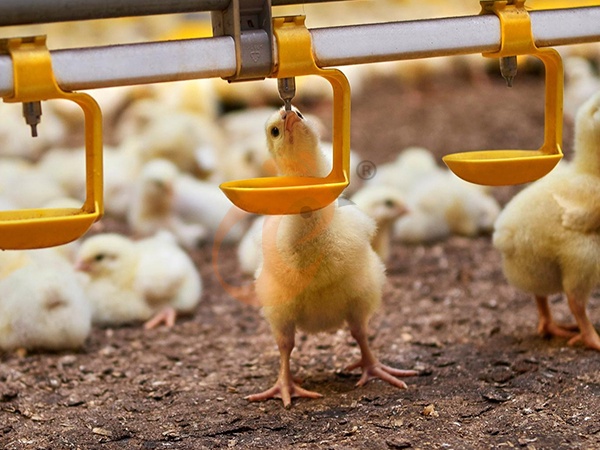
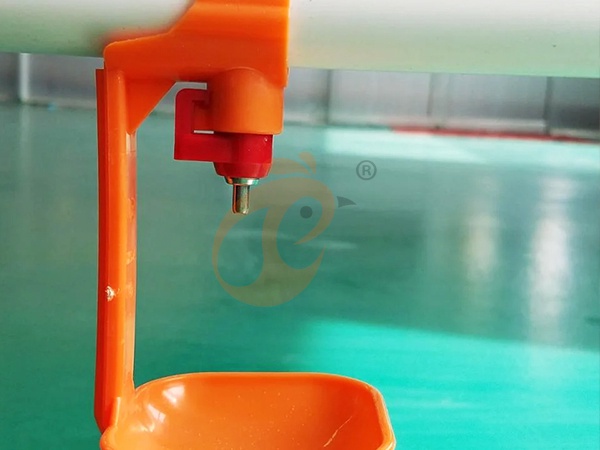
A nipple drinker system is a controlled hydration delivery device used in poultry houses, rabbit production units, and small livestock environments.
It is composed of pressurized piping, stainless steel nipples, filtration assemblies, and pressure regulation hardware.
The system delivers metered water output only when the nipple mechanism is physically activated by the animal.
Modern commercial installations typically operate at:
Pipe diameter: 20 mm or 22 mm (main line)
Nipple flow range: 60–120 ml/min per activation cycle
System length per line: 50–150 meters depending on housing density
These parameters make the system highly scalable but also sensitive to mechanical and hydraulic degradation over time.
Mechanical Principle And Engineering Structure
The nipple valve works through a spring-loaded pin mechanism.
When the bird pecks or pushes the pin, the internal seal opens and water is released.
Once pressure is removed, the spring resets the valve.
Data is for reference only.Swipe horizontally to view full table.
These mechanical tolerances directly influence flow consistency and leakage resistance across long-term use cycles.
Hydrodynamic Behavior And Flow Control
Water movement in nipple systems is governed by pressure gradients and valve resistance coefficients.
Flow stability depends on maintaining consistent inlet pressure across long pipelines.
In commercial poultry installations, typical pressure values are calibrated in centimeters of water column rather than PSI for fine control sensitivity.
Data is for reference only.Swipe horizontally to view full table.
The data shows that longer pipeline systems introduce measurable flow variation, requiring compensatory pressure adjustment.
Biofilm Formation And Microbial Dynamics
Biofilm development inside drinking lines is one of the most critical degradation mechanisms in nipple systems.
It begins with bacterial adhesion to pipe walls and evolves into layered colonies resistant to basic flushing.
Scientific studies in livestock water systems show that bacterial load can increase exponentially within 96 hours if no disinfection is applied.
Data is for reference only.Swipe horizontally to view full table.
The increase in COD (Chemical Oxygen Demand) indicates accumulation of biodegradable material that accelerates microbial proliferation.
Filtration System Efficiency And Particle Retention
Filtration is the primary defense layer protecting nipple valves from particulate blockage.
Multi-stage filtration systems are commonly used in commercial operations to separate sand, rust, and organic debris.
Data is for reference only.Swipe horizontally to view full table.
Each stage progressively reduces contaminant size while also reducing total system throughput.
Pressure Regulation And Mechanical Stability
Pressure regulation determines how consistently each nipple valve delivers water.
Variations across long pipelines are usually caused by elevation differences and friction losses.
Commercial systems often use automatic regulators calibrated in centimeters of water column for precision tuning.
Data is for reference only.Swipe horizontally to view full table.
Activation force increases gradually with pressure due to back-pressure resistance in the valve housing.
Material Degradation And Polymer Aging
Non-metal components in nipple systems undergo gradual degradation due to oxidation, UV exposure, and repeated mechanical cycling.
EPDM and ABS materials are most commonly used but have different aging profiles.
Data is for reference only.Swipe horizontally to view full table.
Material deformation directly correlates with leakage probability and valve misalignment.
Cleaning Chemistry And Disinfection Cycles
Cleaning agents used in nipple systems must balance microbial elimination with material compatibility.
Overuse of oxidizing agents can accelerate seal degradation.
Typical disinfectants include hydrogen peroxide solutions and stabilized chlorine compounds.
Data is for reference only.Swipe horizontally to view full table.
European union standard reference only
Maintenance Scheduling And Operational Load
Maintenance scheduling is critical for preventing cumulative system failure.
Tasks are distributed across daily, weekly, and quarterly cycles.
Data is for reference only.Swipe horizontally to view full table.
This structured distribution ensures system continuity without excessive downtime.
System Failure Propagation Behavior
Nipple drinker systems behave as interconnected hydraulic networks.
A single failure point can alter downstream pressure distribution and trigger secondary malfunctions.
Failure typically begins at micro-scale seal wear and escalates into macro-scale line imbalance.
Material fatigue, microbial accumulation, and hydraulic instability interact in cascading progression.
Optimization Strategy For Extended Operation
Mechanical inspection integration: cyclic evaluation of nipple valve elasticity, seal deformation, and spring rebound consistency under repeated activation loads.
Microbial control framework: controlled oxidation dosing, biofilm adhesion suppression, and scheduled flushing intervals within enclosed hydraulic pipelines.
Hydraulic regulation stability: inlet pressure balancing, friction loss compensation, and uniform distribution control across multi-line drinking networks.
Material lifecycle tracking: monitoring polymer fatigue progression, UV exposure degradation, and structural tolerance drift across service duration.
Performance outcome: improved valve response consistency, reduced blockage frequency, and stabilized flow distribution across extended pipeline operational cycles.
Frequently Asked Questions
Q1: What causes uneven water flow in nipple systems?
Uneven flow is mainly driven by pressure gradient imbalance and sediment accumulation inside pipeline sections.
Valve wear can amplify distribution inconsistencies across long feeding lines.
Q2: How often should nipple drinkers be disinfected?
Disinfection cycles depend on water chemistry and system load.
Typical operational schedules apply periodic chemical flushing combined with mechanical line cleaning to maintain microbial control stability.
Q3: What is the main failure mode in long-term use?
Primary failure originates from seal deformation and progressive biofilm accumulation inside valve chambers.
These two mechanisms jointly reduce activation sensitivity and increase leakage probability over time.
Taiyu (HK) Group - One Of China Biggest Nipple Drinker System Exporter
Nipple drinker system production and precision engineered valve assemblies for poultry hydration networks.
Global factory direct supply covering automated drinking line manufacturing and installation support services.
Poultry equipment integration with filtration systems, pressure regulators, and turnkey farm engineering solutions.
Large scale export operations with standardized hydraulic components and industrial water line systems.
Full engineering support including customization, logistics coordination, and livestock facility equipment planning.
Contact Us To Received Your Customized Poultry Farm Plan
Headquarters And Branchs

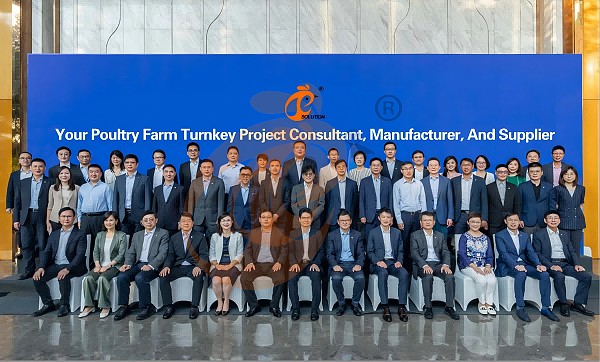
Hong Kong Headquarter Management Team
Hong Kong Headquarter Taiyu Industrial Group CO., LTD
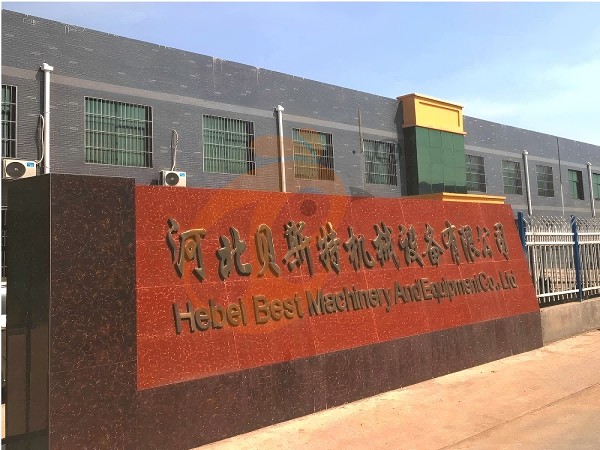
China Hebei Best Machinery And Equipment CO., LTD
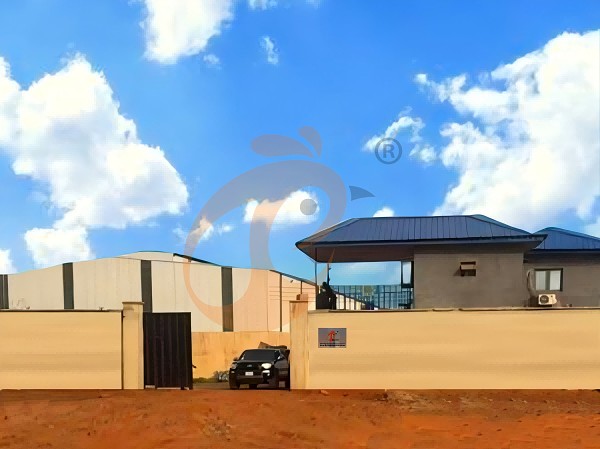
Nigeria Vanke Machinery And Equipment CO., LTD
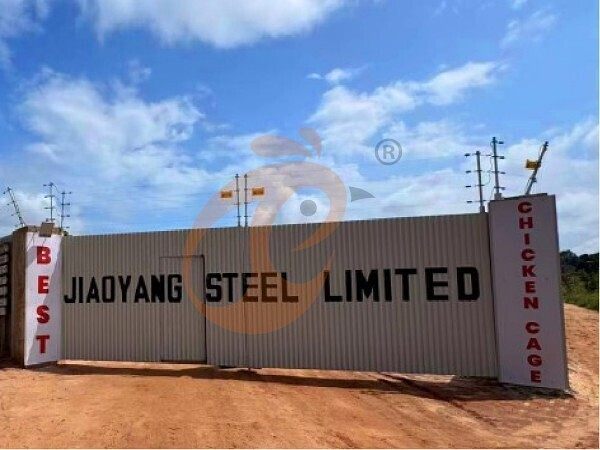
Tanzania Best Machinery And Equipment CO., LTD
Ethiopia Best Hebei Machinery Manufacturing PLC

Reception /24 WhatsApp NO. : +8618830120193
FAQ
What Is The Service Life Expectancy Of Nipple Drinkers In Poultry Chicken Cage Systems?
Plastic housing maintains structural integrity for 6,000–8,000 working hours in humid environments.
Spring mechanism durability reaches 25,000–35,000 activation cycles before replacement requirement.
What Pipe Integration Standards Are Required For Nipple Drinkers In Poultry Chicken Cage Systems?
Drinker connection spacing is maintained at 28–32 cm for uniform access distribution.
End-cap flushing velocity reaches 1.2–1.8 m/s to ensure pipeline cleanliness.
How Does Nipple Orientation Affect Drinking Efficiency In Poultry Chicken Cage Systems?
Horizontal deviation tolerance is controlled within ±3 degrees for consistent water output.
Downward tilt adjustment improves intake rate by 12%–18% in broiler flocks.
Product Recommendations
 Nipple Drinker Maintenance | 7 Key Tips For Long-Term Use1. Hydraulic control systems ensure stable water distribution performance
2. Mechanical valve structures determine operational precision and durability stability
3. Microbial regulation depends on filtration and chemical treatment cycles
4. Lifecycle maintenance improves system reliability under continuous operation conditions
5. Reception /WhatsApp NO. : +8618830120193Read more How To Clean Pralson Feeders Daily | 6 Practical Tips1. Suitable for maintaining hygienic operation across feeding infrastructure
2. Supports contamination control through structured sanitation procedures
3. Enhances equipment reliability with preventive maintenance practices
4. Improves production consistency under intensive farming conditions
5. Reception /WhatsApp NO. : +8618830120193Read more How To Optimize Pellet Machine Performance | 5 Proven Strategies1. Improving efficiency through precise process control methods
2. Reducing operational costs with measurable engineering practices
3. Enhancing production stability through equipment optimization strategies
4. Supporting sustainable manufacturing with advanced automation systems
5. Reception /WhatsApp NO. : +8618830120193Read more Reducing Feed Waste | 5 Methods Using A Feed Mixer1. Improve nutrient consistency across daily feeding operations
2. Support efficient resource allocation and production planning
3. Enhance ingredient utilization through optimized mixing processes
4. Reduce operational losses while maintaining feeding performance
5. Reception /WhatsApp NO. : +8618830120193Read more What Is The Factory Price Of Poultry Battery Cage? 4 Direct-Supply Advantages1. Factory pricing improves large scale poultry investment efficiency significantly
2. Direct supply channels eliminate unnecessary intermediary procurement costs
3. Modern cage systems enhance biological production performance consistency
4. Engineering optimization increases long term poultry farm profitability stability
5. Reception /WhatsApp NO. : +8618830120193Read more Free Range Poultry Farming Challenges | 6 Common Problems And Solutions1. Free range poultry systems require structured environmental engineering control
2. Predation and disease risks significantly affect flock productivity stability
3. Feed formulation directly determines growth and reproductive efficiency outcomes
4. Soil and pasture systems regulate long term ecological farm balance
5. Reception /WhatsApp NO. : +8618830120193Read more Floor Rearing System Biosecurity | 5 Key Protection Measures1. Environmental monitoring ensures consistent poultry housing performance and safety
2. Litter management reduces microbial growth and enhances bird health
3. Controlled access limits pathogen introduction across production zones effectively
4. Integrated ventilation stabilizes temperature, humidity, and air quality parameters
5. Reception /WhatsApp NO. : +8618830120193Read more Installation Of Automatic Poultry Equipment | 6 Key Steps1. Automated systems improve poultry production efficiency and stability
2. Precision installation ensures balanced airflow and feeding performance
3. Proper calibration reduces mortality and enhances flock productivity
4. Integrated equipment supports large scale commercial farming operations
5. Reception /WhatsApp NO. : +8618830120193Read more Layer Chicken Cage Ventilation | 5 Essential Tips For Healthier Hens1. Ventilation system stabilizes intensive poultry house environment conditions
2. Airflow engineering improves cage production efficiency performance
3. Sensor integration maintains real-time environmental balance control
4. Mechanical structure ensures long-term farming system durability
5. Reception /WhatsApp NO. : +8618830120193Read more Broiler Chicken Cage Ventilation | 5 Essential Tips For Healthier Chickens1. Broiler cage ventilation improves airflow stability across production systems
2. Mechanical ventilation enhances broiler growth performance and survival rate
3. Environmental control systems reduce ammonia concentration and dust exposure
4. Automated ventilation technology increases poultry farming efficiency and consistency
5. Reception /WhatsApp NO. : +8618830120193Read more How To Clean Nipple Drinkers | 6 Essential Hygiene Steps1. Stable sanitation practices improve long term drinking system reliability
2. Proper maintenance reduces contamination risks across poultry operations
3. Regular monitoring supports consistent hydraulic performance and efficiency
4. Effective cleaning procedures extend equipment service life significantly
5. Reception /WhatsApp NO. : +8618830120193Read more Troubleshooting Pralson Feeders | 5 Quick Fixes1. Pralson feeder systems improve automated poultry feeding stability performance
2. Mechanical calibration reduces feed distribution variation across long production cycles
3. Moisture control prevents hopper blockage and stabilizes flow dynamics
4. Sensor precision enhances system reliability in poultry farming environments
5. Reception /WhatsApp NO. : +8618830120193Read more Top 6 Tips For Cleaning Pellet Machines Efficiently1. Improve production efficiency through professional maintenance programs
2. Reduce operating costs with optimized equipment management
3. Support consistent feed quality for commercial poultry operations
4. Extend critical component lifespan through systematic cleaning
5. Reception /WhatsApp NO. : +8618830120193Read more Installing Feed Mixers | 7 Easy Steps For Chicken Farms1. Industrial feed systems ensure stable poultry production efficiency across farm cycles
2. Mechanical precision guarantees consistent feed nutrient distribution quality control
3. Energy optimization supports reduced operational cost in large-scale farms
4. Installation engineering defines long-term equipment performance reliability stability
5. Reception /WhatsApp NO. : +8618830120193Read more Why Poultry Cage Prices Vary So Much? 5 Hidden Cost Reasons1. Stable material specifications improve long term farm profitability
2. Advanced coating technologies extend equipment service life significantly
3. Automation systems reduce labor requirements across commercial operations
4. Precision manufacturing improves reliability and installation efficiency
5. Reception /WhatsApp NO. : +8618830120193Read more Why Poultry Cage Prices Vary So Much? 5 Hidden Cost Reasons1. Galvanized H type chicken cages support industrial poultry production systems
2. Structural engineering ensures long-term corrosion resistance performance stability
3. Automation integration improves feeding and egg collection efficiency levels
4. Vertical farming design increases stocking density and land utilization
5. Reception /WhatsApp NO. : +8618830120193Read more What Materials Are Used In A Heavy-Duty A Type Battery Cage? 4 Reliable Options1. High strength poultry cage structural systems designed industrial farms
2. Galvanized steel cage frames ensure extended operational lifespan performance
3. Stainless steel poultry equipment provides hygienic corrosion resistant structure
4. Modular A type battery cage systems optimize commercial egg production efficiency
5. Reception /WhatsApp NO. : +8618830120193Read more Deep Litter Poultry Equipment List | 7 Essential Items1. Reliable environmental control supports consistent flock health performance
2. Efficient feeding systems improve nutrient utilization and growth
3. Stable ventilation management reduces operational risks across seasons
4. Integrated engineering solutions enhance commercial farm productivity levels
5. Reception /WhatsApp NO. : +8618830120193Read more How To Reduce Egg Breakage In Layer Chicken Cages | 6 Proven Methods1. Precision nutrition management improves shell strength during commercial production
2. Automatic collection systems reduce transportation vibration and shell collision
3. Stable environmental control supports consistent daily production performance
4. Scientific cage engineering lowers operational losses across poultry farms
5. Reception /WhatsApp NO. : +8618830120193Read more How To Reduce Mortality In Broiler Chicken Cage Systems | 6 Proven Methods1. Advanced airflow regulation improves production stability across intensive farming operations
2. Precision feeding management supports healthier growth and stronger immune performance
3. Automated environmental monitoring reduces operational risks during commercial poultry production
4. Optimized structural engineering enhances ventilation efficiency and metabolic balance maintenance
5. Reception /WhatsApp NO. : +8618830120193Read more Nipple Drinker Height Adjustment | 5 Practical Tips For Chickens1. Stable poultry hydration improves broiler growth consistency daily
2. Correct suspension positioning reduces litter moisture accumulation significantly
3. Balanced water pressure supports efficient poultry drinking behavior
4. Modern poultry systems improve commercial farm operational stability
5. Reception /WhatsApp NO. : +8618830120193Read more 7 Essential Tips For Pralson Feeder Operators1. Automatic feeding systems improve poultry production operational efficiency
2. Professional maintenance routines reduce unexpected feeder equipment mechanical failures
3. Stable environmental control supports healthier commercial poultry farming operations
4. Accurate feed distribution improves flock uniformity during production cycles
5. Reception /WhatsApp NO. : +8618830120193Read more Pellet Machine Operation | 7 Steps To Maximize Feed Production1. Poultry feed production improves efficiency through controlled processing
2. Industrial pellet systems stabilize nutrition and material consistency
3. Steam conditioning enhances feed structure and binding performance
4. Automated manufacturing reduces waste and improves production stability
5. Reception /WhatsApp NO. : +8618830120193Read more Feed Mixer Maintenance | 6 Practical Tips For Poultry Farms1. Advanced maintenance systems improve poultry production operational stability
2. Professional equipment management reduces annual mechanical repair expenses significantly
3. Scientific lubrication schedules protect industrial motors and bearing assemblies
4. Reliable production systems support consistent poultry nutritional feed quality
5. Reception /WhatsApp NO. : +8618830120193Read more") How Much Does An Automatic Poultry Cage System Cost? 6 Budget Levels (Product-Centered Analysis)1. High density poultry systems improve production efficiency globally
How Much Does An Automatic Poultry Cage System Cost? 6 Budget Levels (Product-Centered Analysis)1. High density poultry systems improve production efficiency globally
2. Investment levels vary according to automation and capacity scale
3. Steel structure and control systems determine operational performance outcomes
4. Automation reduces labor costs and increases egg output stability
5. Reception /WhatsApp NO. : +8618830120193Read more How Do H Type Chicken Cages Support High-Density Layer Farming In Poultry Farms?1. Efficient cage systems improve commercial egg production stability
2. Automated poultry equipment reduces labor dependency in farms
3. Scientific ventilation design ensures stable poultry house environment
4. Integrated systems improve flock uniformity and productivity levels
5. Reception /WhatsApp NO. : +8618830120193Read more How Long Does An A Type Poultry Cage System Last? 4 Durability Factors1. Stable galvanization technology improves long-term corrosion resistance performance
2. Professional ventilation management reduces structural deterioration inside poultry buildings
3. Heavy steel wire structure supports continuous commercial layer farming operations
4. Controlled manure removal systems extend poultry equipment operational lifespan
5. Reception /WhatsApp NO. : +8618830120193Read more How To Control Moisture In Deep Litter System | 6 Effective Tips1. Deep litter system requires precise moisture balance control
2. Ventilation and bedding directly influence microbial stability performance
3. Water leakage significantly increases ammonia and production risk
4. Monitoring systems ensure stable environmental and operational conditions
5. Reception /WhatsApp NO. : +8618830120193Read more How To Reduce Disease Risk In Free Range Poultry | 6 Proven Tips1. Free range poultry systems integrate structured biosecurity management protocols
2. Environmental monitoring improves microbial exposure control across production zones
3. Vaccination and nutrition balance enhance flock immunity performance stability
4. IoT based tracking supports early disease detection and response efficiency
5. Reception /WhatsApp NO. : +8618830120193Read more How To Reduce Disease Risk In Floor Rearing System | 6 Proven Methods1. Disease control depends on environmental engineering precision systems
2. Ventilation and litter management reduce microbial load effectively
3. Stocking density directly influences infection transmission probability levels
4. Integrated systems stabilize poultry production output performance metrics
5. Reception /WhatsApp NO. : +8618830120193Read more Layer Chicken Cage Management | 7 Key Tips For Higher Egg Yield1. Stable environmental regulation improves commercial production cycle efficiency
2. Precision nutrition management supports stronger structural shell quality performance
3. Advanced ventilation control reduces biological stress inside housing facilities
4. Scientific operational monitoring increases long-term commercial profitability stability
5. Reception /WhatsApp NO. : +8618830120193Read more Broiler Chicken Cage Management | 7 Key Tips For Faster Broiler Growth1. Modern poultry systems improve efficiency and production stability
2. Environmental control directly influences bird growth performance outcomes
3. Proper nutrition programs ensure uniform flock development results
4. Automated equipment reduces labor cost and operational pressure
5. Reception /WhatsApp NO. : +8618830120193Read more 6 Practical Ways To Reduce Water Waste With Nipple Drinkers1. Advanced poultry water systems improve overall farm efficiency
2. Hydraulic pressure control improves poultry farm operational efficiency
3. Maintenance and sanitation reduce microbial contamination risk factors
4. Optimized drinking systems enhance poultry production stability outcomes
5. Reception /WhatsApp NO. : +8618830120193Read more How To Reduce Feed Waste With Pralson Feeders | 5 Effective Methods1. Precision feeder engineering improves commercial poultry production profitability
2. Automated poultry feeding systems support stable flock nutrient distribution
3. Feed waste reduction increases long-term broiler farm operational efficiency
4. Balanced feeder management improves commercial poultry house production stability
5. Reception /WhatsApp NO. : +8618830120193Read more How To Reduce Feed Waste With Pellet Machines | 5 Effective Ways1. Stable feed structure improves commercial broiler production efficiency
2. Automatic feeding integration reduces daily poultry feed transportation losses
3. Controlled pellet durability supports healthier poultry housing environments continuously
4. Modern feed mill systems improve long-term operational profitability performance
5. Reception /WhatsApp NO. : +8618830120193Read more Feed Mill Operation | 5 Steps To Run Poultry Feed Efficiently1. Precision batching systems improve nutritional consistency across commercial production
2. Controlled conditioning parameters improve pellet transportation stability significantly
3. Automated monitoring systems reduce unexpected operational maintenance interruption frequencies
4. Integrated engineering solutions support efficient large-scale agricultural manufacturing operations
5. Reception /WhatsApp NO. : +8618830120193Read more What Is The Poultry Cage Price Per Set? 4 Common Configurations Compared1. Cage engineering systems define structured poultry production efficiency models
2. Investment planning depends on steel utilization and automation integration levels
3. Production density determines farm output efficiency per square meter area
4. System configuration directly influences long-term operational cost structure
5. Reception /WhatsApp NO. : +8618830120193Read more Floor Rearing System Ventilation | 5 Essential Design Guidelines1. Ventilation engineering stabilizes poultry house environmental conditions across growth cycles
2. Airflow control improves feed efficiency and production performance indicators
3. Humidity and gas regulation reduces ammonia accumulation inside housing systems
4. Energy optimized ventilation systems reduce operational electricity consumption
5. Reception /WhatsApp NO. : +8618830120193Read more How To Build A Complete Poultry Equipment List | 6 Practical Steps1. Automated environmental systems improve flock stability and operational consistency
2. Precision feeding technology reduces waste during intensive production cycles
3. Ventilation engineering supports healthier housing conditions and metabolic efficiency
4. Integrated monitoring platforms strengthen daily management and equipment coordination
5. Reception /WhatsApp NO. : +8618830120193Read more 6 Practical Ways To Improve Feeding In Layer Chicken Cages1. Improved feeding accuracy supports long-term commercial production stability
2. Automated monitoring technology reduces operational waste across poultry facilities
3. Balanced nutrient management enhances consistent daily biological conversion efficiency
4. Environmental regulation systems maintain stable intake during seasonal fluctuations
5. Reception /WhatsApp NO. : +8618830120193Read more
Search
Hot product
 IoT Poultry Farming System1. CO₂ 0–5,000 ppm range
2. NH₃ 0–100 ppm
3. RH ±3%
4. Thresholds in the 10–25 ppm range
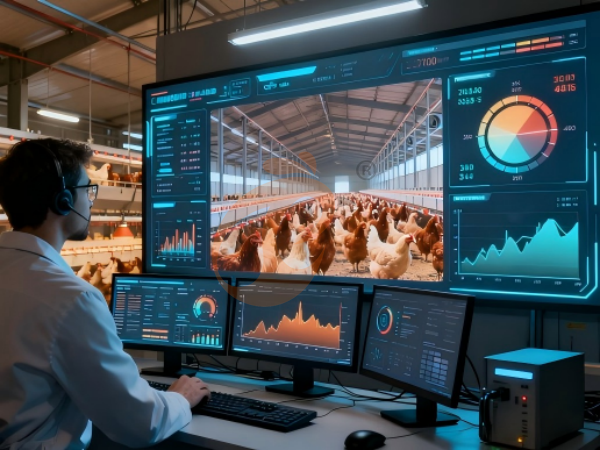
5. Reception /WhatsApp NO. : +8618830120193Read more Overall Structure IoT System In The Farm1. Breeding planning framework
2. CCTV
3. Poultry digital platform - comprehensive large screen
4. Alarm management
5. Reception /WhatsApp NO. : +8618830120193Read more Poultry House Environmental Control Smart IoT System1. Precision ventilation
2. Full site equipment control
3. Self diagnosis alarm system
4. European standard hardware
5. Reception /WhatsApp NO. : +8618830120193Read more

Contact us
Phone(whatsapp No. ):
E-mail:
Office 1 (Hong Kong):
Flat/RM A, 15/F, ManlyCommercial Building 15 Soy Street, Mong Kok
Office 2 (China Mainland):
Flat/RM 2416, 24/F, Runxing Building, Youyi Nan Street, Shijiazhuang City, Hebei Province