



News
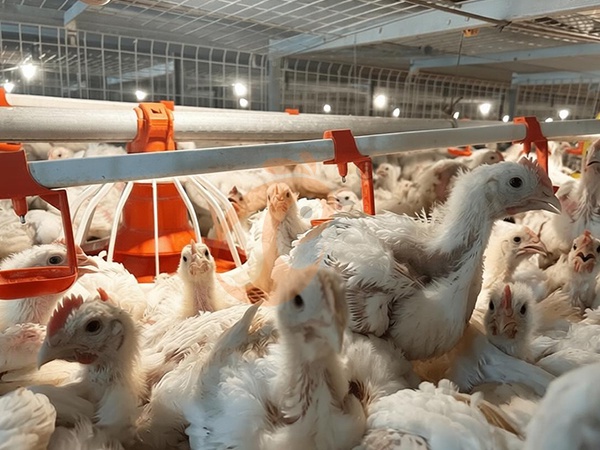
Commercial poultry production requires automatic chicken feeder systems with controlled feed distribution efficiency.
Egg incubator equipment supports stable hatch percentage through calibrated humidity and airflow management.
Poultry cage structures improve operational density, sanitation management, and egg collection efficiency.
Engineering technical language explains equipment specifications, production capacity, and operational stability standards.
Industrial poultry facilities increasingly adopt automation systems reducing labor intensity and feed waste percentages.
Get professional poultry farm construction guidance, equipment selection solutions, and the latest price lists, whatsApp to +8618830120193, click to learn more:
Automatic Chicken Feeders
Automatic feeders remain among the highest-demand poultry farming tools because feed expenses represent approximately 60% to 70% of poultry production costs.
Feed loss caused by moisture exposure, rodents, and uncontrolled spillage directly reduces farm profitability.
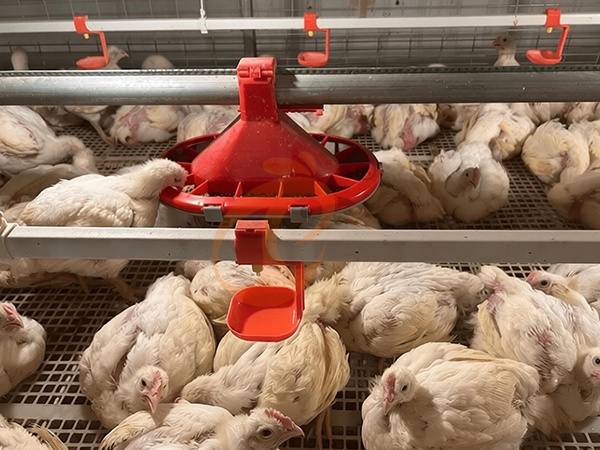
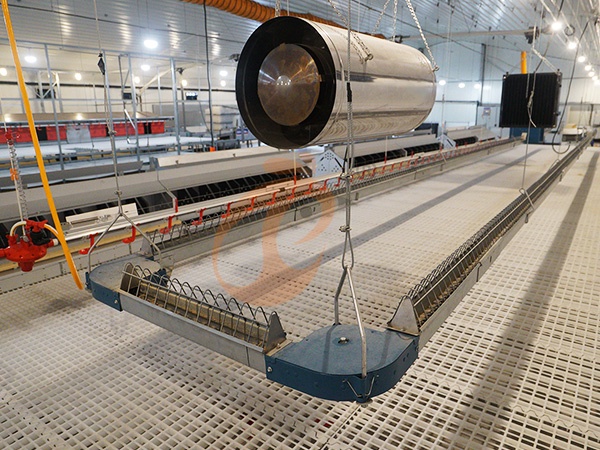
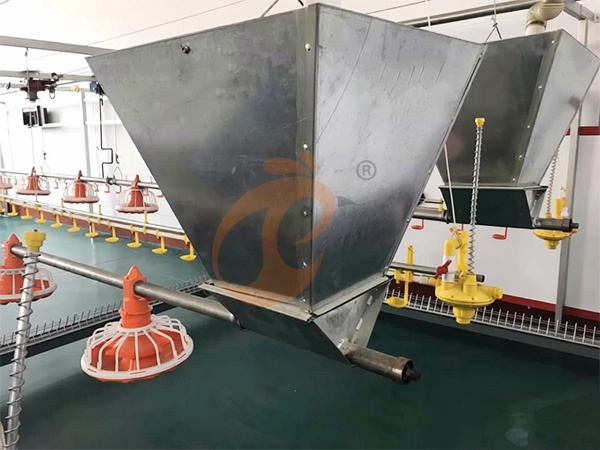
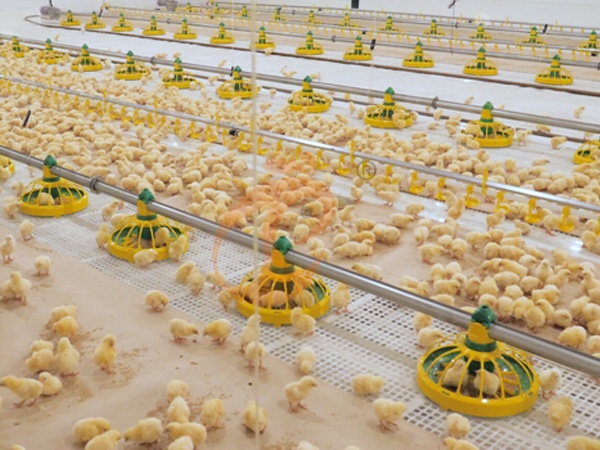
Automatic chicken feeder systems help regulate feed distribution while protecting feed storage conditions.
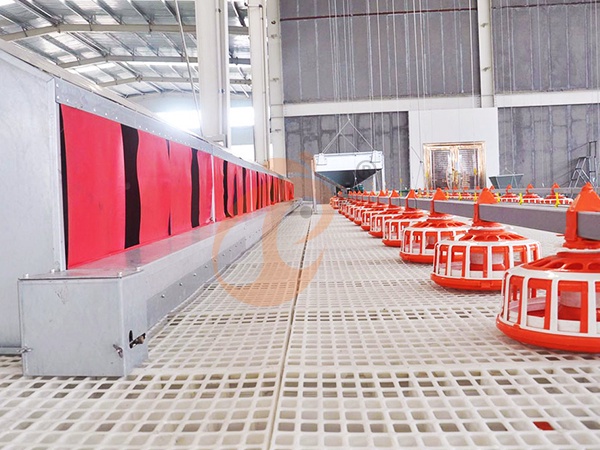
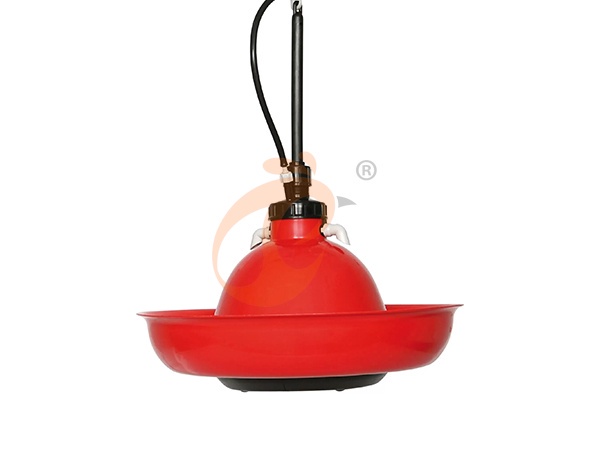
Modern poultry feeders generally include gravity feeders, treadle feeders, and smart programmable feeders.
Gravity systems remain common among smaller poultry operations because maintenance requirements remain simple.
Treadle feeders use weighted access platforms preventing rodents and wild birds from consuming feed.
Smart feeders operate through electronic timers and sensor-controlled scheduling systems. EU standard reference only.
Data is for reference only. Swipe horizontally to view full table.
Engineering technical language from poultry farm operators reports measurable reductions in monthly feed consumption after replacing
open feeding trays with automatic chicken feeder systems.
Feed storage stability and reduced labor intensity remain major purchasing advantages.
Egg Incubators
Egg incubator equipment represents critical infrastructure for hatcheries and breeding farms.
Modern digital incubators include automatic egg turning systems, humidity monitoring sensors, airflow circulation fans, and digital alarm systems.
Stable temperature control remains essential because environmental fluctuations directly influence embryo survival percentages.
Professional poultry breeders generally select incubators according to hatch capacity, airflow efficiency, humidity stability, and cleaning accessibility.
User evaluations consistently show that automatic turning systems improve hatch consistency compared with manual operation methods. European union standard reference only.
Data is for reference only. Swipe horizontally to view full table.
Recent engineering technical analysis shows forced-air egg incubator systems maintain more stable thermal uniformity, reducing embryo
mortality caused by uneven heat distribution.
Poultry Science: Why Incubation Stability Matters
Chicken embryo development remains highly sensitive to environmental conditions during incubation periods.
Stable heat transfer, humidity balance, and airflow circulation remain essential for healthy chick formation.
Excessive temperature exposure may damage embryo growth, while insufficient humidity may cause shell membrane dehydration during hatching procedures.
Digital egg incubator systems with automatic control functions therefore continue expanding across hobby farms and industrial hatcheries.
Data is for reference only. Swipe horizontally to view full table.
Commercial hatcheries commonly rely on digital monitoring systems to stabilize environmental deviations and improve hatch consistency outcomes.
Poultry Watering Systems
Water delivery systems strongly influence poultry growth performance and disease prevention efficiency.
Chickens generally consume nearly twice as much water as feed by weight.
Poor sanitation conditions within water systems may rapidly spread bacterial contamination across poultry houses.
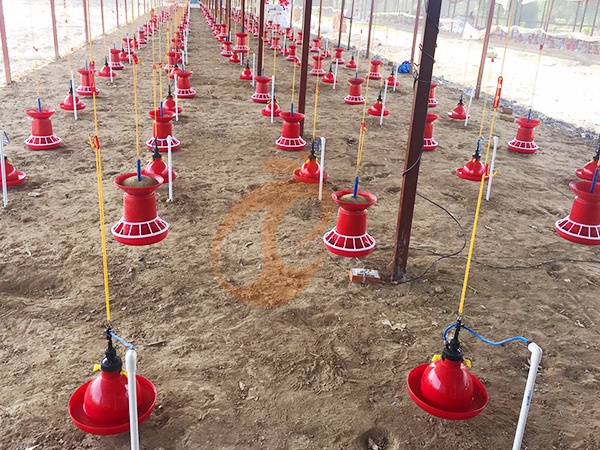
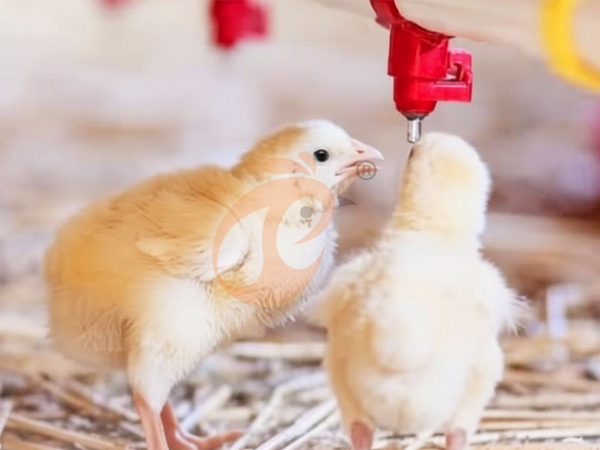
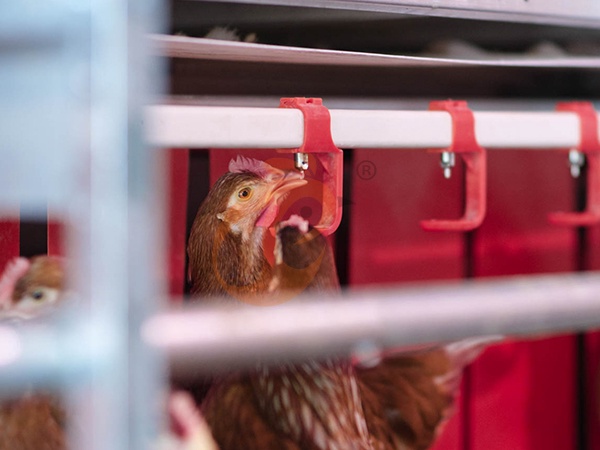
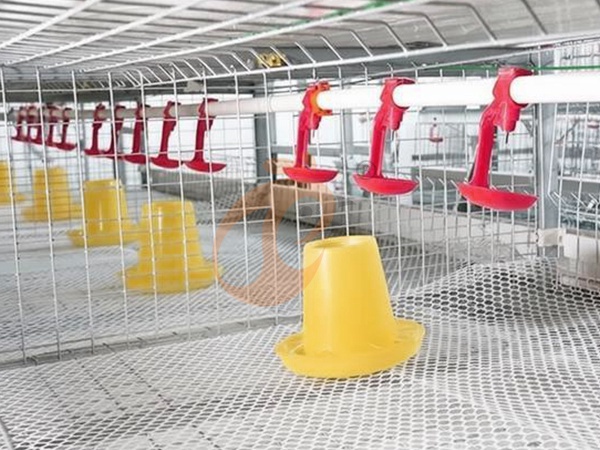
Most modern poultry farms use nipple drinker systems due to reduced contamination risk compared with open water systems.
Bell drinkers remain widely used in medium-scale farms due to higher capacity and moderate installation cost. EU standard reference only.
Data is for reference only. Swipe horizontally to view full table.
Engineering technical field data indicates nipple systems significantly reduce litter moisture accumulation and improve poultry house hygiene stability.
Poultry Cage Systems
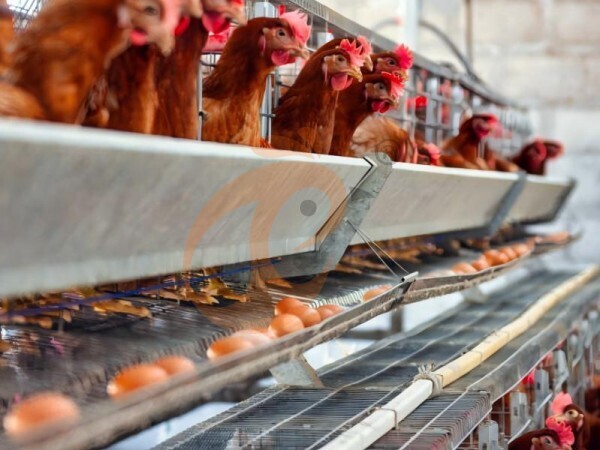
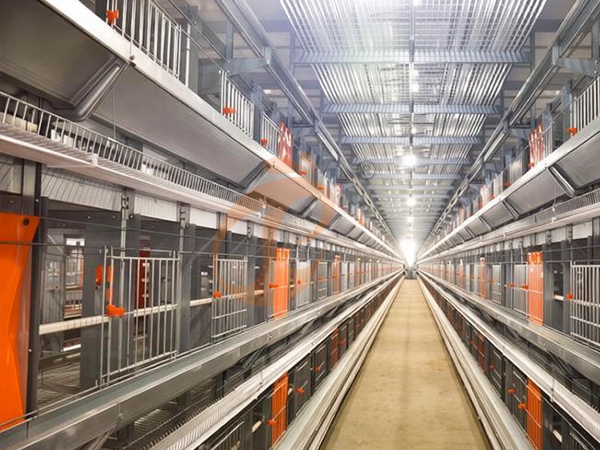
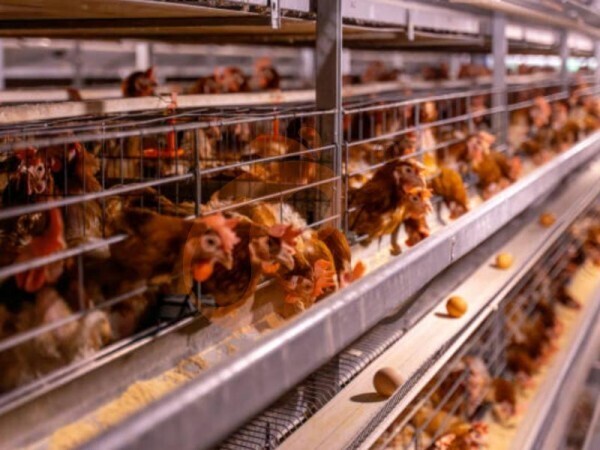
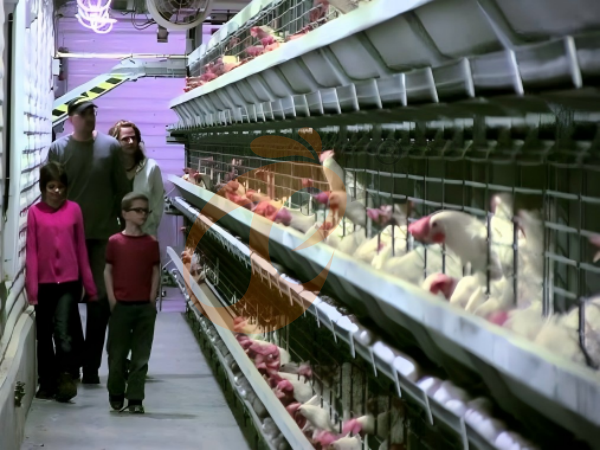
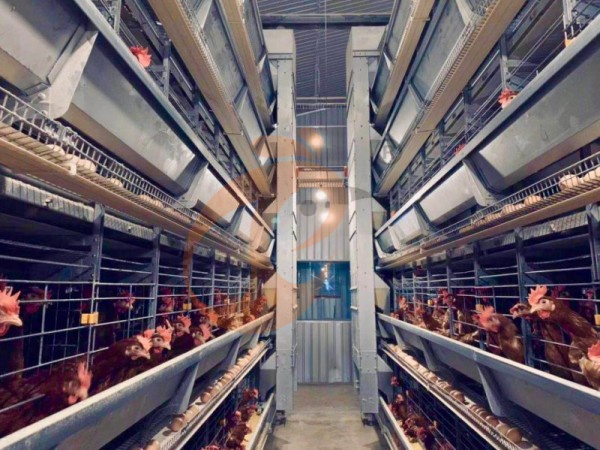
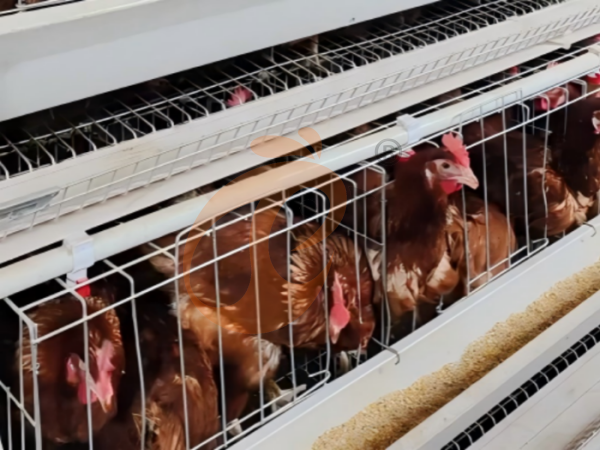
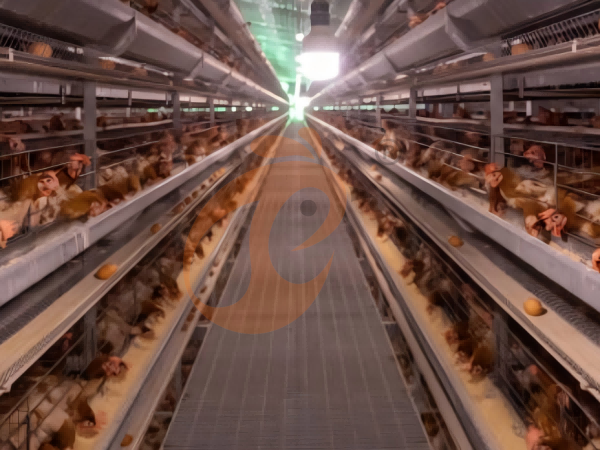
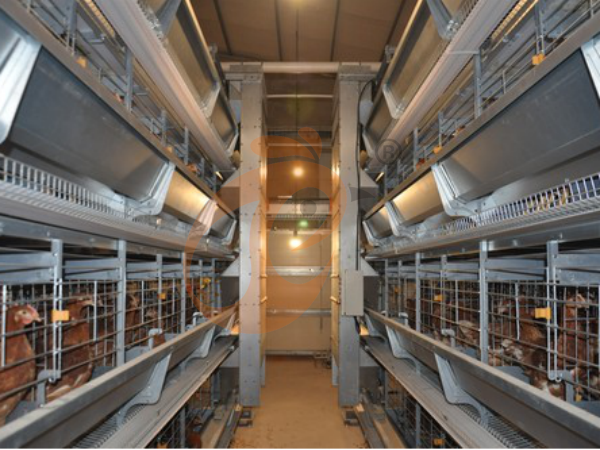
Poultry cage systems remain widely used in commercial egg production infrastructure.
Structural design depends on stocking density, manure removal system, automation level, and egg collection efficiency.
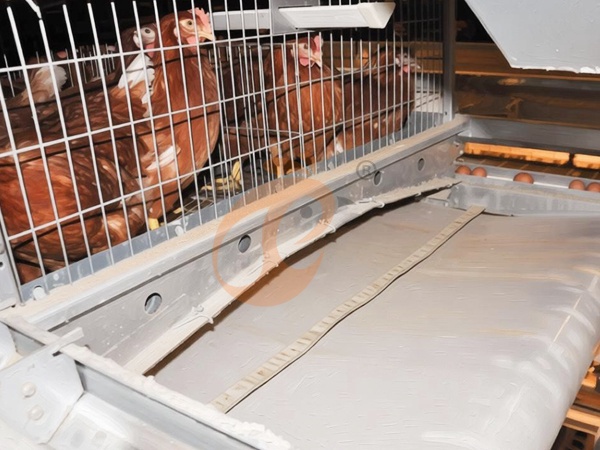
Modern systems often integrate conveyor belts and automatic waste removal mechanisms.
Price variation is mainly determined by galvanized steel quality and automation level.
High-grade systems extend operational lifespan under high humidity conditions. EU standard reference only.
Data is for reference only. Swipe horizontally to view full table.
Large-scale poultry farms adopt automated egg collection systems to reduce breakage rate and labor dependency.
Poultry Plucker Machines
Chicken processing equipment plays a key role in improving post-harvest efficiency.
Manual feather removal is inefficient for commercial production scale operations.
Drum pluckers use rotating rubber fingers to remove feathers after controlled scalding.
Processing capacity depends on motor power and drum size configuration.
European union standard reference only.
Data is for reference only. Swipe horizontally to view full table.
Stainless steel structure is widely preferred due to corrosion resistance and sanitation efficiency requirements.
Brooders And Chick Heating Equipment
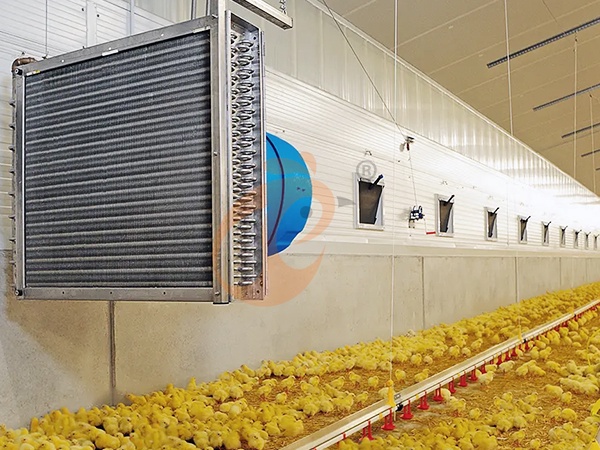
Brooder systems provide thermal stability for newly hatched chicks unable to regulate body temperature.
Temperature consistency directly impacts survival rate and early-stage growth performance.
Electric brooder plates reduce energy consumption compared with infrared lamps and improve safety within enclosed poultry systems.
Data is for reference only. Swipe horizontally to view full table.
Energy efficiency improvements are commonly reported after switching from lamp-based heating systems.
Poultry Ventilation Systems
Ventilation systems control ammonia concentration, airflow balance, and thermal regulation inside poultry houses.
Poor ventilation directly increases respiratory disease risk and reduces production efficiency.
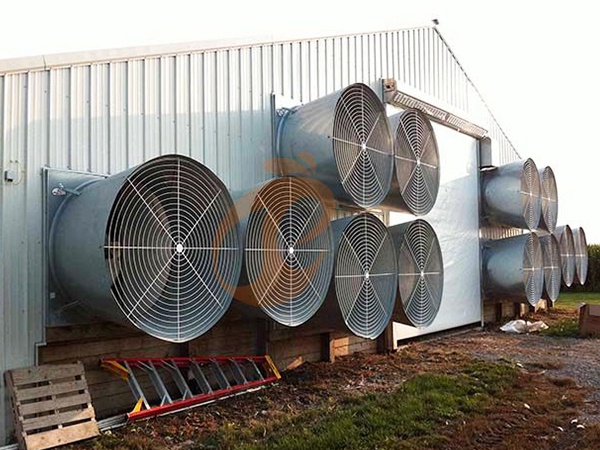
Tunnel ventilation systems combined with cooling pads are widely used in commercial poultry operations for temperature stabilization.
Data is for reference only. Swipe horizontally to view full table.
Heat stress control remains critical for maintaining egg production stability during high-temperature seasons.
Smart Poultry Farming Technologies
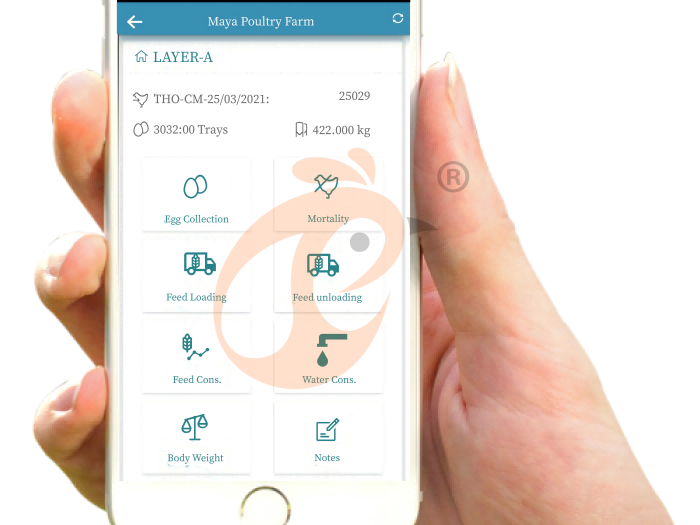
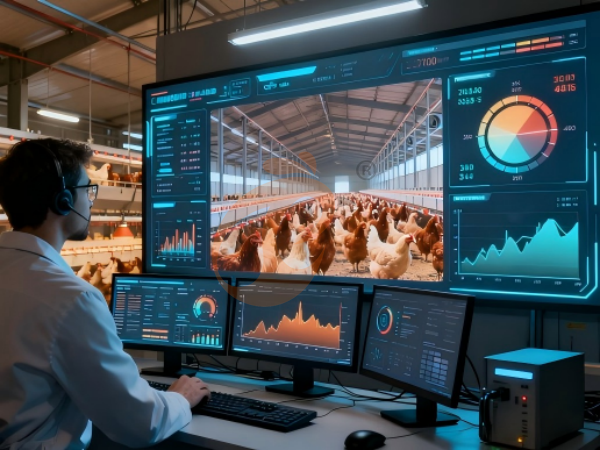
Smart farming systems integrate sensors, AI monitoring, and automated control systems for feed, climate, and behavior analysis.
These systems improve operational precision in large-scale poultry facilities.
Real-time monitoring reduces mortality risk and enhances feed efficiency through automated decision systems.
Data is for reference only. Swipe horizontally to view full table.
Adoption rate continues increasing due to automation efficiency improvements in commercial poultry systems.
User Reviews And Purchasing Priorities
Operational reliability remains the most frequently mentioned evaluation factor among poultry farmers.
Maintenance simplicity and durability strongly influence long-term equipment selection decisions.
Mechanical simplicity is preferred in remote farm environments where technical repair support is limited.
Data is for reference only. Swipe horizontally to view full table.
Poultry Farm Starter Budget
Poultry farm investment planning requires structured allocation across feeding, watering, heating, and cage infrastructure systems. EU
standard reference only.
Data is for reference only. Swipe horizontally to view full table.
Common Mistakes When Buying Poultry Tools
Oversized equipment selection increases unnecessary energy consumption during early farm stages.
Low-quality equipment procurement leads to high long-term maintenance cost due to spare part limitations.
Poor sanitation design increases disease transmission risk within enclosed poultry environments.
Future Trends In Poultry Farming Equipment
Automation systems continue replacing manual labor in poultry production environments.
Solar integration reduces dependency on grid electricity in rural poultry farming operations.
AI-based monitoring improves early disease detection and feed efficiency optimization.
Frequently Asked Questions
Q1: What is the most cost-effective automatic chicken feeder for small farms?
A1: Gravity feeders in the 15–20 Kg range provide lowest entry cost with acceptable feed loss control at 3%–5%.
Q2: Which egg incubator produces the highest hatch performance?
A2: Forced-air incubators maintain 88%–95% hatch rates under stable 99.5°F temperature control conditions.
Q3: What is the typical lifespan of poultry cage systems?
A3: Galvanized cage systems operate 8–15 years depending on environmental humidity and maintenance cycles.
Taiyu (HK) Group - One Of China Biggest Poultry Farming Tools Supplier
Precision poultry farming tools including feeders, incubators, cages, and ventilation systems for commercial production.
Global factory direct supply ensuring stable manufacturing quality and consistent export pricing structure.
Advanced poultry equipment integration covering automated feeding, watering, and environmental control systems.
Industrial poultry cage and turn-key engineering solutions for large-scale farm construction projects.
International export capability supporting standardized poultry production systems across multiple regions worldwide.
Contact Us To Received Your Customized Poultry Farm Plan
Headquarters And Branchs

Hong Kong Headquarter Management Team
Hong Kong Headquarter Taiyu Industrial Group CO., LTD
China Hebei Best Machinery And Equipment CO., LTD
Nigeria Vanke Machinery And Equipment CO., LTD
Tanzania Best Machinery And Equipment CO., LTD
Ethiopia Best Hebei Machinery Manufacturing PLC




Reception /24 WhatsApp NO. : +8618830120193
FAQ
What Basic Poultry Farming Tools Are Commonly Used In Poultry Chicken Cage Systems?
Egg collection baskets carry 25–40 eggs per cycle supporting fast manual gathering from slatted systems.
Bird catching hooks assist handling 6–10 birds per minute improving labor efficiency during movement operations.
How Do Poultry Farming Tools Support Daily Management In Poultry Chicken Cage Farms?
Feeding cups measure 150–250 grams per scoop ensuring consistent ration distribution accuracy.
Water cleaning brushes remove biofilm from 30–50 cm pipe sections improving hygiene conditions.
What Measurement Poultry Farming Tools Are Used In Poultry Chicken Cage Production?
Temperature probes operate within -5–45°C range supporting environmental stability checks.
Humidity gauges measure 30%–85% relative humidity for cage house condition control.
- poultry equipment
- manure removal system
- egg collection system
- poultry farming equipment
- poultry ventilation system
- poultry farm
- poultry cage
- battery cage
- Layer cage
- poultry cage system
- large-scale poultry farm
- poultry farmer
- smart farm
- smart poultry farm
- poultry house
- poultry cage systems
- poultry watering system
- poultry farm construction
- poultry farm investment
- automatic chicken feeder
- automatic chicken feeder system
- poultry plucker machine
- advanced poultry equipment
- Tanzania
- Nigeria
Product Recommendations
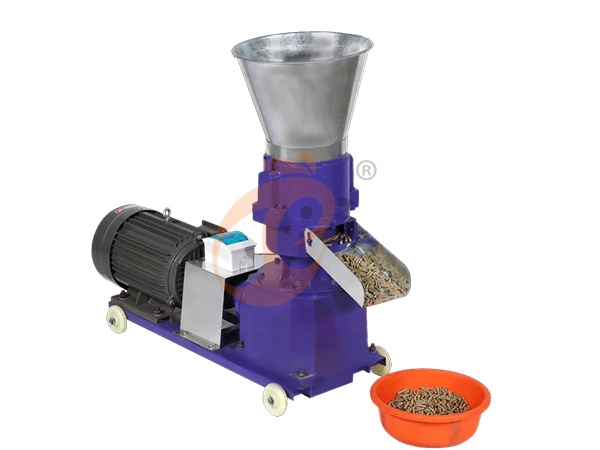
 High-Capacity Feed Mills | How Much Can They Increase Production?1. Advanced systems boost industrial poultry feed production efficiency
2. Automated processing improves consistency and reduces operational downtime
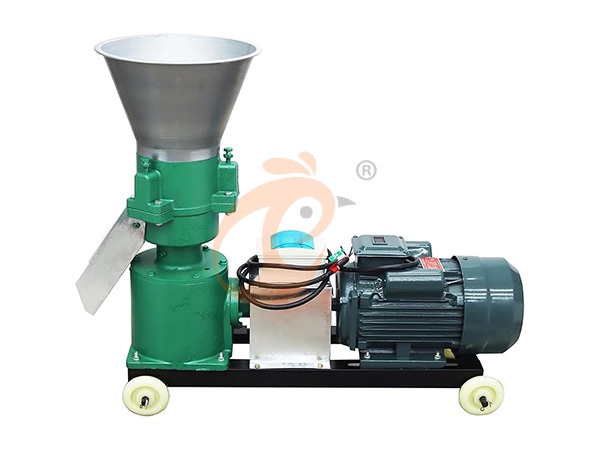
3. Precision grinding and pelleting enhance overall feed quality output
4. Energy optimized machinery lowers cost in large scale farming
5. Reception /WhatsApp NO. : +8618830120193Read more What Is Included In A Poultry Cage Quotation? 6 Must-Check Items1. Engineering parameters define complete poultry cage systems integration
2. Structural and automation metrics determine long term farming efficiency
3. Environmental control systems stabilize poultry house microclimate conditions
4. Quotation evaluation requires precise technical specification verification process
5. Reception /WhatsApp NO. : +8618830120193Read more Why Choose Deep Litter Poultry System | 6 Proven Benefits1. Improved poultry productivity through controlled environmental management systems
2. Stable growth performance supported by optimized housing conditions
3. Efficient resource utilization reduces overall production operational costs
4. Enhanced manure recycling supports sustainable agricultural production cycles
5. Reception /WhatsApp NO. : +8618830120193Read more Why Choose Free Range Poultry System | 6 Proven Benefits1. Natural grazing management improves long-term poultry production stability
2. Balanced environmental control supports healthier flock behavioral performance
3. Premium agricultural products strengthen commercial poultry farm profitability worldwide
4. Integrated farming systems improve sustainable land utilization efficiency
5. Reception /WhatsApp NO. : +8618830120193Read more Why Choose Floor Rearing System | 6 Proven Benefits For Poultry Farms1. Integrated poultry housing improves production stability and efficiency
2. Controlled environment systems enhance flock growth and uniformity
3. Optimized ventilation and litter management reduce operational risks
4. Modern farming structure supports scalable and sustainable output
5. Reception /WhatsApp NO. : +8618830120193Read more Poultry Farm Equipment Price Comparison | 5 Proven Tips To Save Cost1. Efficient climate systems improve industrial breeding environmental management performance
2. Scientific infrastructure planning reduces long-term operational maintenance expenditure effectively
3. Durable galvanized structures support stable multi-cycle commercial farming operations
4. Smart monitoring technology improves production efficiency and flock health management
5. Reception /WhatsApp NO. : +8618830120193Read more Layer Chicken Cage Installation | 7 Key Steps For Proper Setup1. Commercial poultry systems require precise structural engineering installation
2. Automated equipment improves feeding water and ventilation efficiency stability
3. Proper environmental control enhances egg production performance and consistency
4. Correct setup reduces mortality and improves farm profitability metrics
5. Reception /WhatsApp NO. : +8618830120193Read more Broiler Chicken Cage Installation | 7 Key Steps For Proper Setup1. Efficient poultry housing improves production stability and uniform growth
2. Proper installation enhances ventilation control and reduces operational losses
3. Automated feeding and watering systems increase farm management efficiency
4. Regular maintenance ensures long term durability and equipment performance
5. Reception /WhatsApp NO. : +8618830120193Read more How To Use Nipple Drinkers | 6 Practical Steps For Chicken Farms1. Nipple drinker systems improve poultry water efficiency and hygiene stability
2. Proper installation ensures uniform drinking performance across all poultry houses
3. Pressure regulation directly affects flock growth consistency and water intake
4. Maintenance programs prevent biofilm formation and system blockage risks
5. Reception /WhatsApp NO. : +8618830120193Read more Pralson Feeder Maintenance | 7 Key Tips For Long-Term Use1. Stable feeding systems improve poultry production efficiency daily
2. Scientific lubrication management reduces long-term mechanical operating losses
3. Professional inspection procedures improve commercial poultry equipment durability
4. Accurate feed calibration supports better flock growth consistency
5. Reception /WhatsApp NO. : +8618830120193Read more Pellet Machine Maintenance | 7 Tips To Ensure Long-Term Performance1. Pellet machine stability depends on lubrication and alignment control
2. Raw material preparation improves pellet density and production efficiency
3. Die and roller maintenance ensures consistent output quality performance
4. Preventive maintenance significantly reduces downtime and operational cost
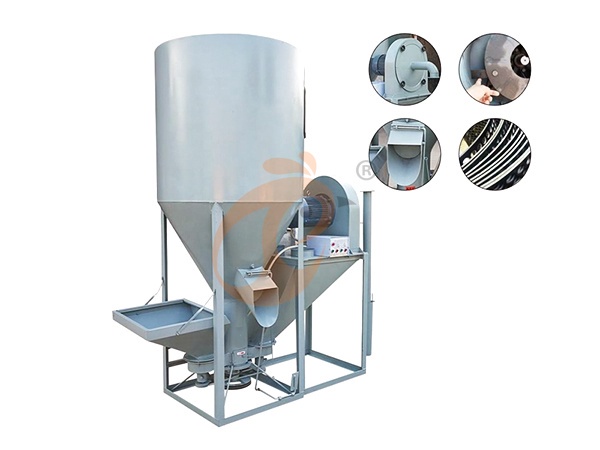
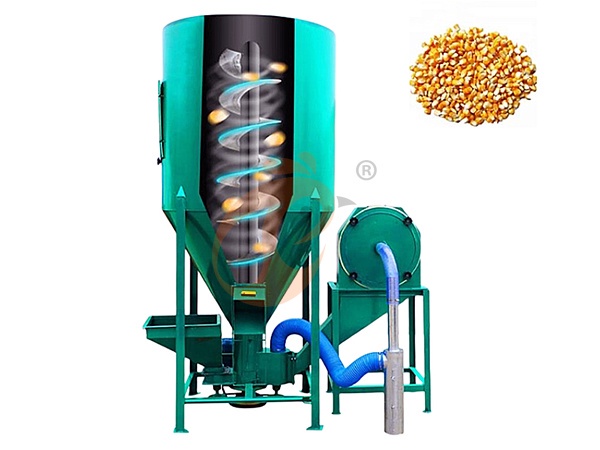
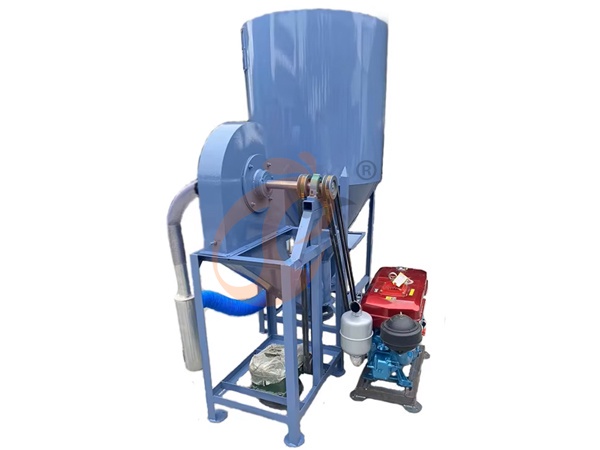
5. Reception /WhatsApp NO. : +8618830120193Read more Automatic Feed Mixers | 6 Tips for Long-Term Poultry Maintenance1. Automated systems improve precision in poultry nutrition management
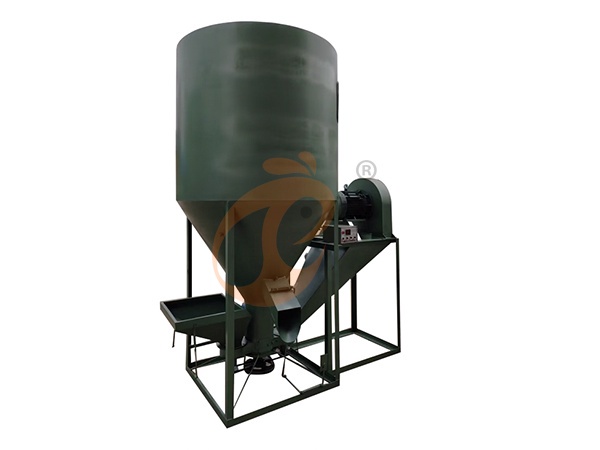
2. Mechanical blending ensures consistent feed quality across production batches
3. Monitoring technology enhances operational stability and maintenance efficiency control
4. Environmental regulation supports safe storage and nutrient preservation performance
5. Reception /WhatsApp NO. : +8618830120193Read more How Much Does An A Type Battery Cage Cost For Poultry Farm? 5 Price Ranges1. Industrial poultry housing systems analyzed across multiple investment scales
2. Automation levels significantly impact production efficiency and operational stability
3. Engineering parameters determine long term farm profitability performance outcomes
4. Material specifications influence durability and environmental resistance characteristics
5. Reception /WhatsApp NO. : +8618830120193Read more How Do H Type Chicken Cages Improve Egg Production Efficiency In Poultry Farms?1. Advanced automation improves poultry production management efficiency
2. Stable environmental control supports consistent laying performance daily
3. Efficient manure removal systems improve poultry house hygiene conditions
4. Modern galvanized steel structures provide extended operational service lifespan
5. Reception /WhatsApp NO. : +8618830120193Read more Chicken Coop Auxiliary Equipment Buying Guide: Automated Poultry System Integration1. Automated systems improve poultry production efficiency and stability
2. Environmental control enhances livestock health and performance consistency
3. Integrated equipment reduces labor demand and operational complexity
4. Precision farming technology supports scalable commercial poultry operations
5. Reception /WhatsApp NO. : +8618830120193Read more How to Choose Feeding Equipment: Frequently Searched User Questions & Answers1. Modern poultry feeding engineering improves feed efficiency and operational productivity
2. Commercial automation systems reduce labor intensity and feed material waste
3. Integrated feeding structures support stable poultry production performance worldwide
4. Engineering-based equipment selection improves long-term poultry farm profitability
5. Reception /WhatsApp NO. : +8618830120193Read more Deep Litter Poultry Farming System Cost Analysis: Five Core Expenses And Long-Term Economic Returns1. Commercial poultry systems require precise environmental and feed control
2. Litter management directly affects flock health and production efficiency
3. Automated equipment improves consistency and reduces operational labor costs
4. Biosecurity and ventilation determine long-term farm profitability outcomes
5. Reception /WhatsApp NO. : +8618830120193Read more Free Range Poultry Farming Cost | 5 Major Expense Components1. Engineering cost structure determines overall poultry production efficiency
2. Feed optimization strongly influences long term farm profitability outcomes
3. Infrastructure planning directly affects operational stability and scalability performance
4. Market pricing strategies improve revenue balance across production systems
5. Reception /WhatsApp NO. : +8618830120193Read more How To Use Layer Chicken Cage Systems | 6 Practical Steps For Poultry Farms1. Modern layer chicken cage systems engineered for scalable poultry production
2. Structured cage equipment designed for commercial egg farming efficiency
3. Automated poultry systems supporting global farm infrastructure development
4. Turn-key engineering solutions for intensive poultry housing projects
5. Reception /WhatsApp NO. : +8618830120193Read more How To Use Broiler Chicken Cage Systems | 6 Practical Steps For Poultry Farms1. Broiler farming systems enhance modern poultry production efficiency
2. Automated equipment stabilizes feeding and environmental control processes
3. Proper cage management improves flock health and uniform growth
4. Industrial poultry operations increase output with reduced labor input
5. Reception /WhatsApp NO. : +8618830120193Read more How To Use Nipple Drinkers | 6 Practical Steps For Chicken Farms1. Hydraulic nipple system improves poultry water distribution stability.
2. Installation precision ensures uniform drinking line performance efficiency.
3. Calibration process controls pressure across growth stages accurately.
4. Maintenance scheduling reduces contamination and mechanical failure risk.
5. Reception /WhatsApp NO. : +8618830120193Read more How To Use Pralson Feeders | 6 Practical Steps For Chicken Farms1. Controlled poultry feeding improves uniform growth performance efficiency
2. Automated systems stabilize feed distribution across chicken farms
3. Mechanical calibration reduces feed waste and operational cost
4. Industrial poultry engineering supports scalable production system management
5. Reception /WhatsApp NO. : +8618830120193Read more How To Operate A Pellet Machine | 6 Practical Steps For Farms1. Modern feed production improves efficiency in poultry farming
2. Proper operational steps ensure stable industrial equipment performance
3. Regular maintenance extends machinery lifespan and reduces downtime
4. Controlled processing enhances nutritional consistency for livestock systems
5. Reception /WhatsApp NO. : +8618830120193Read more Feed Mixer For Chicken Farms | How To Choose The Best System1. Feed mixer system engineering improves poultry production consistency
2. Industrial automation reduces operational labor dependency in farms
3. Uniform nutrient blending stabilizes flock growth performance metrics
4. Mechanical design optimization increases feed production throughput efficiency
5. Reception /WhatsApp NO. : +8618830120193Read more Modern Poultry Battery Cage System: Cost Structure and Engineering Determinants1. Industrial cage system integrates multi module livestock engineering architecture
2. Galvanized steel structure ensures long term corrosion resistance stability
3. Automation systems regulate feeding egg collection and manure processing
4. Scale expansion reduces per bird capital allocation significantly
5. Reception /WhatsApp NO. : +8618830120193Read more Why Choose H Type Layer Cage Systems For Commercial Chicken Farms?1. Advanced automation technologies improve commercial poultry production management efficiency
2. Scientific ventilation engineering supports healthier flocks and stable productivity
3. Automatic feeding equipment reduces operational costs and feed consumption
4. Integrated environmental control systems improve long-term poultry farm profitability
5. Reception /WhatsApp NO. : +8618830120193Read more How Does An A-Type Battery Cage For Layers Work? 5 Practical Facts Explained1. Commercial poultry systems improve operational efficiency through automated environmental management
2. Modern galvanized housing structures support stable long-term farming performance
3. Integrated feeding equipment improves nutritional consistency throughout production cycles
4. Controlled ventilation conditions reduce environmental stress inside poultry facilities
5. Reception /WhatsApp NO. : +8618830120193Read more Winter Heating Installation Tutorial: Hot Question & Usage Advice1. Stable environmental control improves winter poultry production efficiency
2. Professional heating engineering reduces poultry farming operational expenditure
3. Smart automation systems improve airflow circulation and thermal management
4. Industrial poultry equipment supports reliable commercial farming operation
5. Reception /WhatsApp NO. : +8618830120193Read more Poultry Farming Equipment Price Guide: Top Google Types & Recommendations1. Industrial systems improve farm efficiency and production stability
2. Automated equipment reduces labor and operational management costs
3. Climate controlled environments enhance poultry growth performance consistency
4. Precision engineering supports scalable and integrated farming solutions
5. Reception /WhatsApp NO. : +8618830120193Read more Poultry Farming Tools Price Check: Popular Models & User Reviews1. Industrial automation improves poultry production efficiency and operational stability.
2. Environmental control systems support long-term livestock production consistency.
3. Feed management optimization reduces waste and improves farm profitability.
4. Engineering design enhances structural durability and maintenance efficiency.
5. Reception /WhatsApp NO. : +8618830120193Read more Environmental Control System Price Trends: Google Search Keywords & Recommended Options1. Ventilation systems regulate airflow in poultry house environments
2. Cooling pads control temperature under high density farming conditions
3. Automation sensors improve environmental stability and operational efficiency levels
4. Regional cost variations reflect industrial poultry infrastructure development differences
5. Reception /WhatsApp NO. : +8618830120193Read more Chicken Coop Cleaning Equipment Price Check: Top Type & Cost Analysis1. Advanced sanitation systems improve environmental control during poultry production
2. Automated manure transport reduces labor demand inside commercial poultry houses
3. Industrial cleaning equipment supports stable poultry biosecurity management procedures
4. Robotic sanitation technology increases operational consistency in large-scale poultry farms
5. Reception /WhatsApp NO. : +8618830120193Read more Watering Equipment Price Trends: Market Popular & Recommended Models1. Poultry watering systems define hydraulic farm infrastructure engineering standards
2. Nipple drinker technology ensures controlled hydration efficiency in poultry houses
3. Drinking line systems distribute pressure across large scale poultry farms
4. Smart monitoring systems optimize water consumption and leakage detection control
5. Reception /WhatsApp NO. : +8618830120193Read more Feed Distribution Equipment Price Check: Top Popular & Recommended Models1. Feed automation improves uniform nutrition delivery across poultry houses
2. Rotary and chain systems enhance production efficiency in farms
3. Engineering design reduces feed loss and operational labor costs
4. Integrated systems support scalable industrial poultry production expansion
5. Reception /WhatsApp NO. : +8618830120193Read more How To Manage Deep Litter Poultry System | 6 Practical Tips1. Deep litter poultry system operates through microbial decomposition control
2. Poultry farming system efficiency depends on moisture and ventilation balance
3. Broiler management stability improves through structured litter engineering
4. Poultry equipment design supports controlled environmental production systems
5. Reception /WhatsApp NO. : +8618830120193Read more How To Manage Free Range Poultry Farming | 6 Practical Daily Tips1. Free range poultry systems require precise environmental control management
2. Structured feeding schedules improve production stability and efficiency outcomes
3. Biosecurity and housing design reduce disease and mortality risks
4. Rotational grazing supports land recovery and long term sustainability
5. Reception /WhatsApp NO. : +8618830120193Read more How To Manage Floor Rearing Poultry System | 6 Practical Daily Tips1. Controlled environmental systems improve poultry production efficiency significantly
2. Ventilation and feeding synchronization reduce mortality and stress levels
3. Litter and water management stabilize flock health and growth consistency
4. Precision monitoring enhances uniformity and operational performance stability
5. Reception /WhatsApp NO. : +8618830120193Read more Automatic Poultry Equipment For Sale | 5 Key Benefits For Farms1. Advanced automation improves operational stability across commercial poultry facilities
2. Precision environmental systems support healthier livestock production conditions globally
3. Integrated infrastructure reduces maintenance workload and operational resource losses
4. Industrial agricultural technology increases long-term poultry production profitability significantly
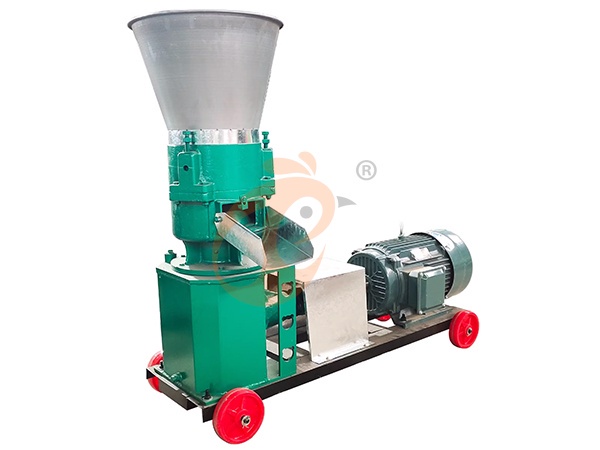
5. Reception /WhatsApp NO. : +8618830120193Read more Pellet Machine For Poultry | 5 Essential Tips To Boost Feed Quality1. Pellet machine enhances poultry feed processing efficiency significantly
2. Feed pellet systems improve uniform nutrition distribution effectively
3. Industrial poultry equipment supports large scale farm productivity systems
4. Feed optimization technologies reduce operational cost in poultry farms
5. Reception /WhatsApp NO. : +8618830120193Read more Feed Mill For Poultry | 5 Ways To Boost Chicken Feed Production1. Industrial poultry feed systems ensure stable chicken nutrition supply chains
2. Feed formulation precision improves poultry growth rate and efficiency output
3. Automation technology enhances production stability and reduces operational variation
4. Pellet quality control directly affects feed utilization and farm performance
5. Reception /WhatsApp NO. : +8618830120193Read more

Search
Hot product
 IoT Poultry Farming System1. CO₂ 0–5,000 ppm range
2. NH₃ 0–100 ppm
3. RH ±3%
4. Thresholds in the 10–25 ppm range
5. Reception /WhatsApp NO. : +8618830120193Read more Overall Structure IoT System In The Farm1. Breeding planning framework
2. CCTV
3. Poultry digital platform - comprehensive large screen
4. Alarm management
5. Reception /WhatsApp NO. : +8618830120193Read more Poultry House Environmental Control Smart IoT System1. Precision ventilation
2. Full site equipment control
3. Self diagnosis alarm system
4. European standard hardware
5. Reception /WhatsApp NO. : +8618830120193Read more

Contact us
Phone(whatsapp No. ):
E-mail:
Office 1 (Hong Kong):
Flat/RM A, 15/F, ManlyCommercial Building 15 Soy Street, Mong Kok
Office 2 (China Mainland):
Flat/RM 2416, 24/F, Runxing Building, Youyi Nan Street, Shijiazhuang City, Hebei Province