



News
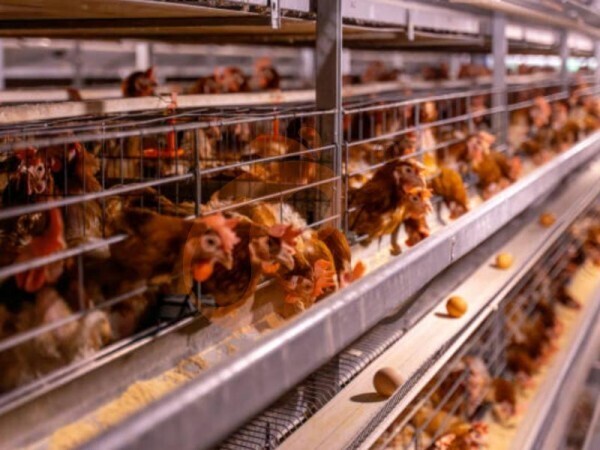
H type layer cage systems support intensive commercial egg production with automated operational management efficiency.
Multi-tier poultry housing structures increase stocking density while optimizing ventilation and environmental engineering performance.
Automatic feeding equipment improves feed conversion ratio consistency and reduces nutritional distribution losses significantly.
Integrated egg collection and manure removal systems strengthen poultry biosecurity management and hygiene control standards.
Intelligent poultry farming technologies improve production stability operational profitability and large-scale farm management efficiency.
Get professional poultry farm construction guidance, equipment selection solutions, and the latest price lists, whatsApp to +8618830120193, click to learn more:
What Is An H Type Layer Cage System?
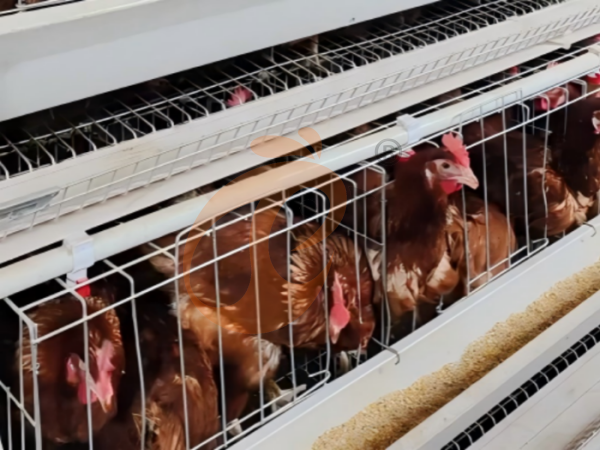
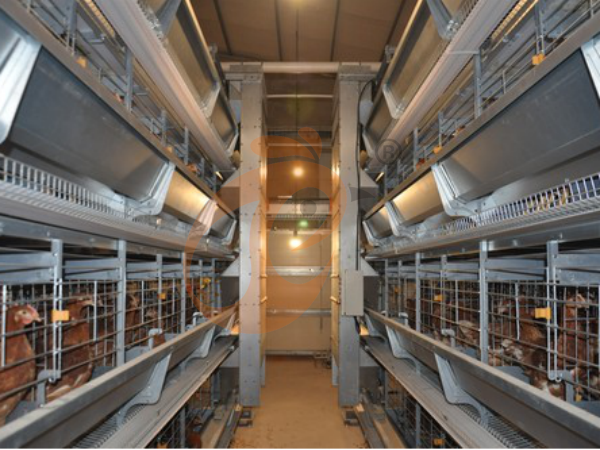
H type layer cage systems are advanced poultry housing structures designed for industrial egg production.
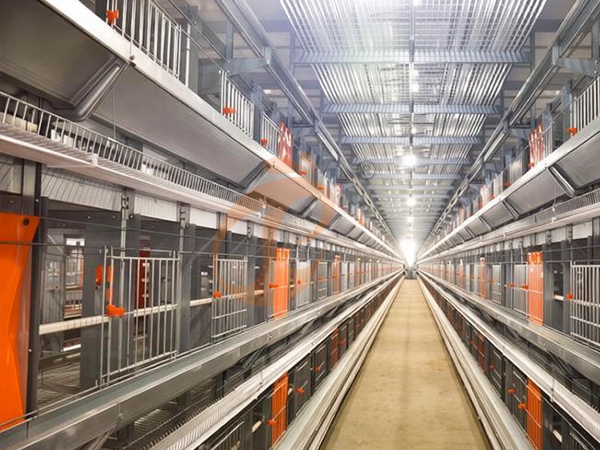
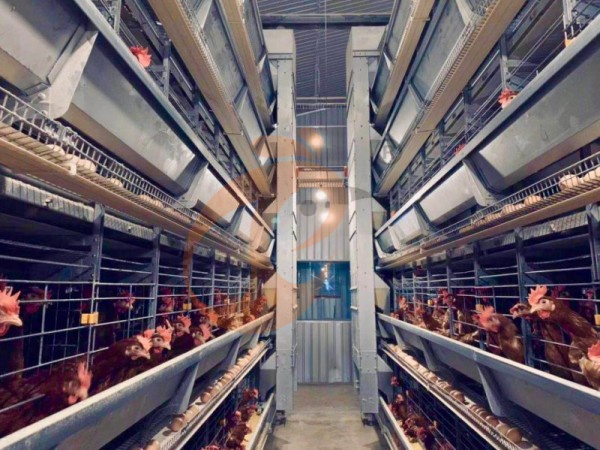
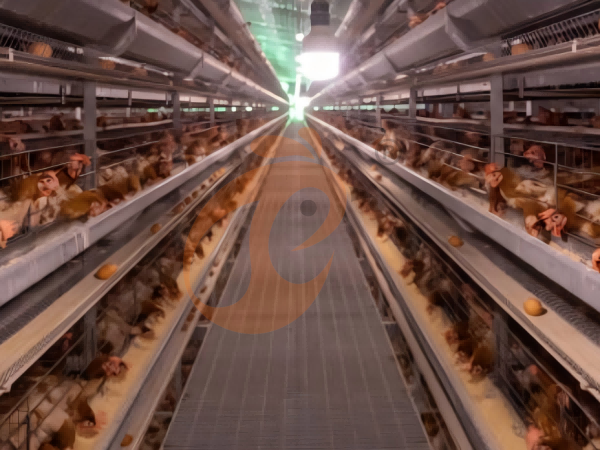
The system uses vertically stacked cages arranged in multiple tiers inside environmentally controlled poultry houses.
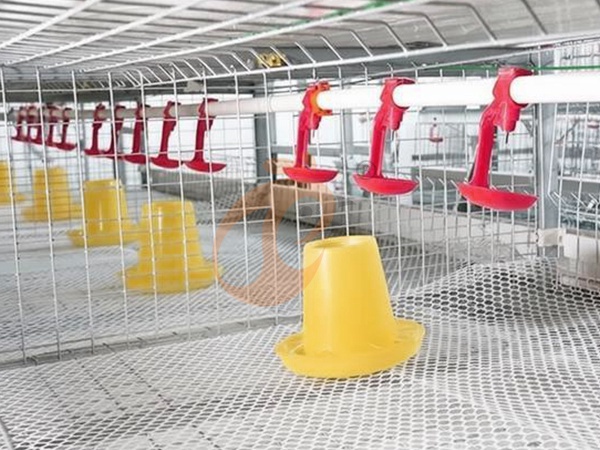
Integrated automation equipment includes automatic feeding lines, nipple drinking systems, egg collection conveyors, manure removal belts, and climate control devices.
Commercial poultry farms increasingly choose layer battery cage systems because vertical cage structures maximize poultry house utilization and improve production efficiency.
The system is particularly suitable for large egg farms operating between 20,000 and 200,000 laying hens.
Data is for reference only.Swipe horizontally to view full table.
Higher Poultry House Space Utilization
Commercial poultry enterprises require higher production capacity without increasing construction area excessively.
H type layer cage systems solve this issue through vertical cage arrangement.
Compared with traditional poultry cage systems, H type systems can double stocking capacity inside the same poultry building.
Higher stocking density improves infrastructure utilization, ventilation efficiency, and investment return.
Data is for reference only.Swipe horizontally to view full table.
Large-scale poultry farms benefit significantly from improved building utilization rates and reduced construction costs per bird position.
Fully Automated Feeding System
Feed cost accounts for approximately 60–70% of commercial egg production expenses.
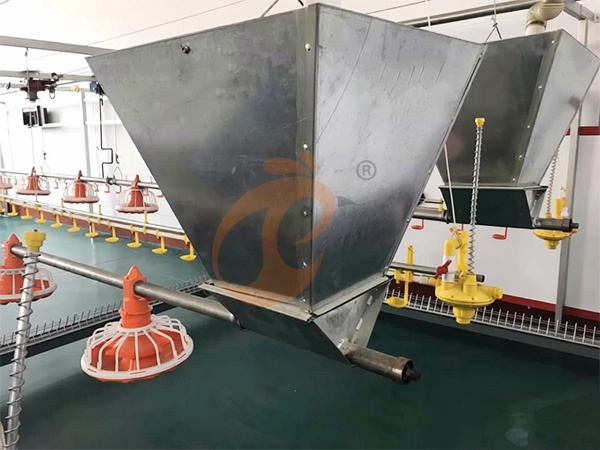
H type layer cage systems use automatic feeding machines to deliver balanced feed uniformly throughout each cage row.
Automatic feed delivery improves feed conversion ratio and reduces feed waste caused by manual operation inconsistencies.
Scientific feeding management also improves flock body weight uniformity.
Data is for reference only.Swipe horizontally to view full table.
Modern automatic poultry farming equipment reduces operational complexity while improving nutritional consistency across the flock.
Automatic Egg Collection Improves Egg Quality
Commercial egg farms require stable egg quality and reduced breakage during collection.
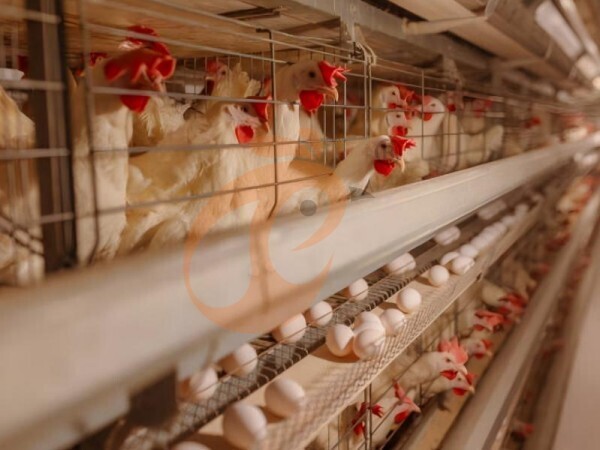
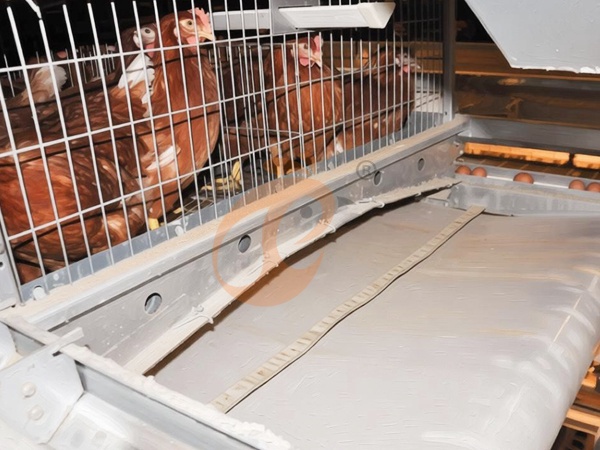
H type layer cage systems use automatic egg collection belts that transport eggs directly from cages to the packing room.
Reduced manual handling minimizes shell damage and bacterial contamination.
Cleaner eggs achieve better market prices and lower packaging losses.
Data is for reference only.Swipe horizontally to view full table.
Commercial poultry equipment with automatic egg collection systems improves operational stability significantly.
Automatic Manure Removal Supports Biosecurity
Poultry manure produces ammonia gas, bacteria, parasites, and moisture.
Delayed manure cleaning increases respiratory disease risks and environmental contamination inside poultry houses.
H type layer cage systems use automatic manure belts installed beneath every cage tier.
Daily manure removal reduces ammonia concentration and improves poultry house hygiene.
Data is for reference only.Swipe horizontally to view full table.
Improved manure management extends poultry house service life and reduces disease transmission risk.
Scientific Ventilation Management
Modern laying hens require stable environmental conditions for optimal production.
Scientific ventilation management removes excess heat, moisture, dust, and harmful gases from poultry houses.
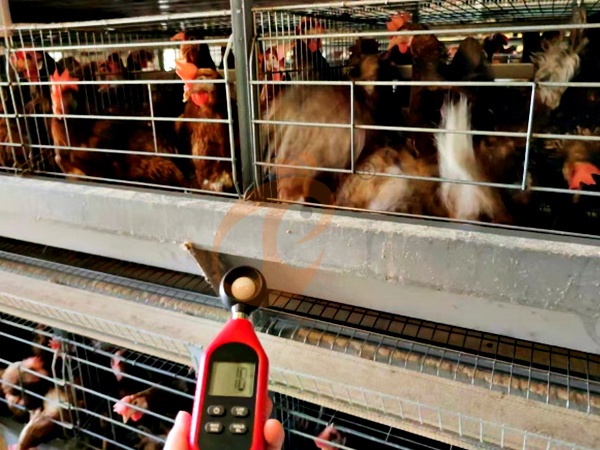
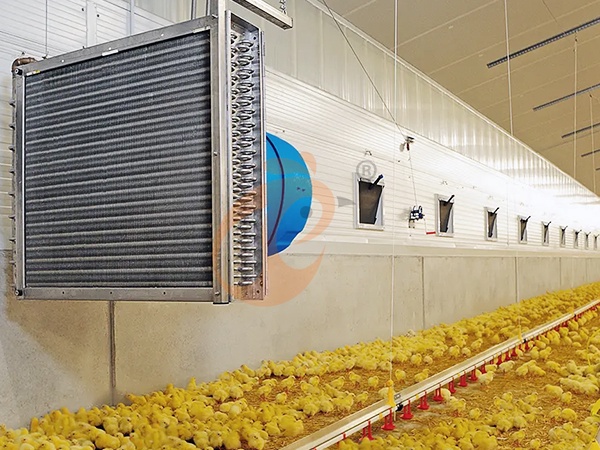
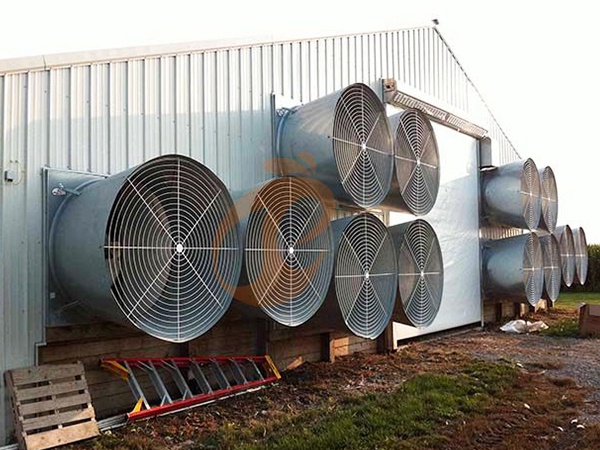
Negative-pressure ventilation systems used in H type layer cage systems create consistent airflow throughout the poultry building.
Exhaust fans and cooling pads maintain stable environmental conditions during summer and winter production periods.
Data is for reference only.Swipe horizontally to view full table.
Stable environmental control improves laying performance and reduces mortality during peak production periods.
Science Popularization About Ammonia Influence
Ammonia gas forms during manure decomposition inside poultry houses.
Excessive ammonia concentration damages the respiratory system of laying hens and reduces immune response.
Research data indicates ammonia concentration above 25 ppm may reduce feed intake by 3–5% and decrease egg production rate by approximately 4–8%.
Automatic manure removal and scientific ventilation significantly reduce harmful gas accumulation.
Data is for reference only.Swipe horizontally to view full table.
Scientific poultry house engineering directly affects flock health and egg production consistency.
Lower Labor Cost And Higher Farm Efficiency
Labor shortages continue affecting agricultural industries worldwide.
H type layer cage systems reduce labor dependence through integrated automation equipment.
Automatic feeding, egg collection, manure cleaning, and climate control systems allow fewer workers to manage larger poultry flocks efficiently.
Data is for reference only.Swipe horizontally to view full table.
Reduced labor expenditure improves long-term operational profitability for commercial poultry farms.
Improved Feed Conversion And Egg Production
Stable environmental conditions and automatic feeding management improve nutrient utilization efficiency inside H type layer cage systems.
Lower stress levels support higher laying rates, better eggshell quality, and lower mortality throughout the production cycle.
Data is for reference only.Swipe horizontally to view full table.
Improved feed conversion significantly increases annual egg production profitability.
Science Popularization About Poultry Lighting Systems
Lighting management affects hormone secretion and reproductive activity in laying hens.
Commercial poultry farms use programmable LED lighting systems to maintain stable production rhythms.
Incorrect lighting duration may delay laying maturity and reduce peak production performance.
Data is for reference only.Swipe horizontally to view full table.
Professional lighting management improves flock uniformity and egg production consistency.
Better Biosecurity For Commercial Poultry Farms
Disease outbreaks create severe economic losses for industrial poultry farms.
H type layer cage systems improve biosecurity through controlled poultry house access and reduced manure exposure.
Enclosed poultry houses also reduce contact with rodents, insects, and wild birds carrying infectious diseases.
Data is for reference only.Swipe horizontally to view full table.
Improved biosecurity management reduces veterinary costs and production interruptions.
Long-Term Economic Benefits
Although H type layer cage systems require higher initial investment, automation and production efficiency provide stronger long-term economic returns.
European union standard reference only.
Commercial farms benefit from lower labor expenditure, reduced feed waste, improved egg quality, and reduced mortality.
Data is for reference only.Swipe horizontally to view full table.
Commercial poultry farms generally achieve faster investment recovery through automation efficiency improvements.
Future Development Trends Of H Type Layer Cage Systems
Modern poultry farming continues moving toward intelligent automation and precision management technologies.
Future H type layer cage systems may integrate artificial intelligence monitoring, automatic disease detection, precision feeding systems,
and remote management platforms.
Data is for reference only.Swipe horizontally to view full table.
Intelligent poultry equipment will continue improving large-scale commercial egg production efficiency.
Frequently Asked Questions
Q1: What is the suitable farm size for H type layer cage systems?
H type layer cage systems are generally recommended for poultry farms operating more than 20,000 laying hens.
Commercial farms with 50,000–200,000 birds achieve better automation efficiency and lower production cost per egg.
Q2: How much labor can H type layer cage systems save?
A 50,000-bird commercial farm using traditional poultry cages may require approximately 30 workers.
The same farm using automatic H type systems may operate efficiently with only 10–12 workers.
Q3: How long is the investment payback period?
Most commercial farms recover equipment investment within 3–4 years depending on egg price, feed cost, and production management efficiency.
Automatic feeding and egg collection systems significantly reduce operational losses.
Taiyu (HK) Group - One Of China Largest H Type Layer Cage Manufacturer
Professional H type layer cage systems designed for industrial egg production projects.
Global factory-direct poultry equipment supply with stable manufacturing capacity worldwide.
Advanced poultry cage solutions supporting automatic feeding and egg collection systems.
Professional poultry equipment engineering for commercial layer farm modernization projects.
Complete turn-key poultry farm construction solutions with technical installation support.
Contact Us To Received Your Customized Poultry Farm Plan
Headquarters And Branchs

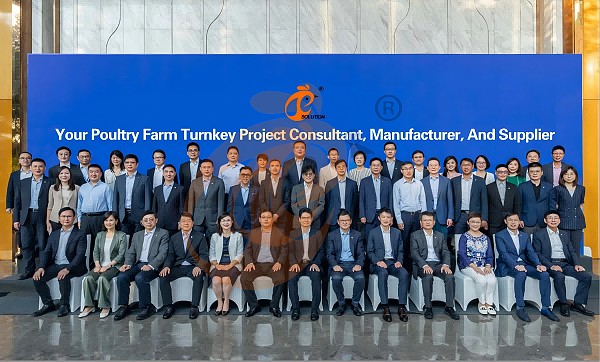
Hong Kong Headquarter Management Team
Hong Kong Headquarter Taiyu Industrial Group CO., LTD
China Hebei Best Machinery And Equipment CO., LTD
Nigeria Vanke Machinery And Equipment CO., LTD
Tanzania Best Machinery And Equipment CO., LTD
Ethiopia Best Hebei Machinery Manufacturing PLC




Reception /24 WhatsApp NO. : +8618830120193
FAQ
How To Manage Lighting Programs In H-Type Layer Cage Houses?
Ensure even light distribution
Promotes laying rhythm
Egg production rate: 90-98%
FCR 1.9–2.1
What Are The Cleaning Procedures For H-Type Battery Cage System?
Use environmentally safe disinfectants
Clean manure troughs
Reduce pathogen spread
Egg production rate: 90-98%
How To Expand H-Type Chicken Cage Farm Without Reducing Efficiency?
Maintain automated feeding and drinking systems
Ensure uniform ventilation and lighting
Farm capacity per house: 30,000 - 100,000+0 birds
Labor savings: 70-90%
- poultry equipment
- manure removal system
- egg collection system
- poultry farming equipment
- poultry farm
- poultry cage
- battery cage
- Layer cage
- poultry lighting system
- poultry cage system
- large-scale poultry farm
- automatic egg collection
- layer farm
- poultry house
- poultry cage solution
- layer cage system
- automatic egg collection system
- poultry cage systems
- commercial layer farm
- automatic poultry farm
- poultry farm construction
- battery cage system
- egg collection conveyor
- commercial poultry equipment
- automatic poultry farming equipment
- automatic poultry farming
- Tanzania
- Nigeria
Product Recommendations
 High-Capacity Feed Mills | How Much Can They Increase Production?1. Advanced systems boost industrial poultry feed production efficiency
2. Automated processing improves consistency and reduces operational downtime
3. Precision grinding and pelleting enhance overall feed quality output
4. Energy optimized machinery lowers cost in large scale farming
5. Reception /WhatsApp NO. : +8618830120193Read more What Is Included In A Poultry Cage Quotation? 6 Must-Check Items1. Engineering parameters define complete poultry cage systems integration
2. Structural and automation metrics determine long term farming efficiency
3. Environmental control systems stabilize poultry house microclimate conditions
4. Quotation evaluation requires precise technical specification verification process
5. Reception /WhatsApp NO. : +8618830120193Read more Why Choose Deep Litter Poultry System | 6 Proven Benefits1. Improved poultry productivity through controlled environmental management systems
2. Stable growth performance supported by optimized housing conditions
3. Efficient resource utilization reduces overall production operational costs
4. Enhanced manure recycling supports sustainable agricultural production cycles
5. Reception /WhatsApp NO. : +8618830120193Read more Why Choose Free Range Poultry System | 6 Proven Benefits1. Natural grazing management improves long-term poultry production stability
2. Balanced environmental control supports healthier flock behavioral performance
3. Premium agricultural products strengthen commercial poultry farm profitability worldwide
4. Integrated farming systems improve sustainable land utilization efficiency
5. Reception /WhatsApp NO. : +8618830120193Read more Why Choose Floor Rearing System | 6 Proven Benefits For Poultry Farms1. Integrated poultry housing improves production stability and efficiency
2. Controlled environment systems enhance flock growth and uniformity
3. Optimized ventilation and litter management reduce operational risks
4. Modern farming structure supports scalable and sustainable output
5. Reception /WhatsApp NO. : +8618830120193Read more Poultry Farm Equipment Price Comparison | 5 Proven Tips To Save Cost1. Efficient climate systems improve industrial breeding environmental management performance
2. Scientific infrastructure planning reduces long-term operational maintenance expenditure effectively
3. Durable galvanized structures support stable multi-cycle commercial farming operations
4. Smart monitoring technology improves production efficiency and flock health management
5. Reception /WhatsApp NO. : +8618830120193Read more Layer Chicken Cage Installation | 7 Key Steps For Proper Setup1. Commercial poultry systems require precise structural engineering installation
2. Automated equipment improves feeding water and ventilation efficiency stability
3. Proper environmental control enhances egg production performance and consistency
4. Correct setup reduces mortality and improves farm profitability metrics
5. Reception /WhatsApp NO. : +8618830120193Read more Broiler Chicken Cage Installation | 7 Key Steps For Proper Setup1. Efficient poultry housing improves production stability and uniform growth
2. Proper installation enhances ventilation control and reduces operational losses
3. Automated feeding and watering systems increase farm management efficiency
4. Regular maintenance ensures long term durability and equipment performance
5. Reception /WhatsApp NO. : +8618830120193Read more How To Use Nipple Drinkers | 6 Practical Steps For Chicken Farms1. Nipple drinker systems improve poultry water efficiency and hygiene stability
2. Proper installation ensures uniform drinking performance across all poultry houses
3. Pressure regulation directly affects flock growth consistency and water intake
4. Maintenance programs prevent biofilm formation and system blockage risks
5. Reception /WhatsApp NO. : +8618830120193Read more Pralson Feeder Maintenance | 7 Key Tips For Long-Term Use1. Stable feeding systems improve poultry production efficiency daily
2. Scientific lubrication management reduces long-term mechanical operating losses
3. Professional inspection procedures improve commercial poultry equipment durability
4. Accurate feed calibration supports better flock growth consistency
5. Reception /WhatsApp NO. : +8618830120193Read more Pellet Machine Maintenance | 7 Tips To Ensure Long-Term Performance1. Pellet machine stability depends on lubrication and alignment control
2. Raw material preparation improves pellet density and production efficiency
3. Die and roller maintenance ensures consistent output quality performance
4. Preventive maintenance significantly reduces downtime and operational cost
5. Reception /WhatsApp NO. : +8618830120193Read more Automatic Feed Mixers | 6 Tips for Long-Term Poultry Maintenance1. Automated systems improve precision in poultry nutrition management
2. Mechanical blending ensures consistent feed quality across production batches
3. Monitoring technology enhances operational stability and maintenance efficiency control
4. Environmental regulation supports safe storage and nutrient preservation performance
5. Reception /WhatsApp NO. : +8618830120193Read more How Much Does An A Type Battery Cage Cost For Poultry Farm? 5 Price Ranges1. Industrial poultry housing systems analyzed across multiple investment scales
2. Automation levels significantly impact production efficiency and operational stability
3. Engineering parameters determine long term farm profitability performance outcomes
4. Material specifications influence durability and environmental resistance characteristics
5. Reception /WhatsApp NO. : +8618830120193Read more How Do H Type Chicken Cages Improve Egg Production Efficiency In Poultry Farms?1. Advanced automation improves poultry production management efficiency
2. Stable environmental control supports consistent laying performance daily
3. Efficient manure removal systems improve poultry house hygiene conditions
4. Modern galvanized steel structures provide extended operational service lifespan
5. Reception /WhatsApp NO. : +8618830120193Read more Chicken Coop Auxiliary Equipment Buying Guide: Automated Poultry System Integration1. Automated systems improve poultry production efficiency and stability
2. Environmental control enhances livestock health and performance consistency
3. Integrated equipment reduces labor demand and operational complexity
4. Precision farming technology supports scalable commercial poultry operations
5. Reception /WhatsApp NO. : +8618830120193Read more How to Choose Feeding Equipment: Frequently Searched User Questions & Answers1. Modern poultry feeding engineering improves feed efficiency and operational productivity
2. Commercial automation systems reduce labor intensity and feed material waste
3. Integrated feeding structures support stable poultry production performance worldwide
4. Engineering-based equipment selection improves long-term poultry farm profitability
5. Reception /WhatsApp NO. : +8618830120193Read more Deep Litter Poultry Farming System Cost Analysis: Five Core Expenses And Long-Term Economic Returns1. Commercial poultry systems require precise environmental and feed control
2. Litter management directly affects flock health and production efficiency
3. Automated equipment improves consistency and reduces operational labor costs
4. Biosecurity and ventilation determine long-term farm profitability outcomes
5. Reception /WhatsApp NO. : +8618830120193Read more Free Range Poultry Farming Cost | 5 Major Expense Components1. Engineering cost structure determines overall poultry production efficiency
2. Feed optimization strongly influences long term farm profitability outcomes
3. Infrastructure planning directly affects operational stability and scalability performance
4. Market pricing strategies improve revenue balance across production systems
5. Reception /WhatsApp NO. : +8618830120193Read more How To Use Layer Chicken Cage Systems | 6 Practical Steps For Poultry Farms1. Modern layer chicken cage systems engineered for scalable poultry production
2. Structured cage equipment designed for commercial egg farming efficiency
3. Automated poultry systems supporting global farm infrastructure development
4. Turn-key engineering solutions for intensive poultry housing projects
5. Reception /WhatsApp NO. : +8618830120193Read more How To Use Broiler Chicken Cage Systems | 6 Practical Steps For Poultry Farms1. Broiler farming systems enhance modern poultry production efficiency
2. Automated equipment stabilizes feeding and environmental control processes
3. Proper cage management improves flock health and uniform growth
4. Industrial poultry operations increase output with reduced labor input
5. Reception /WhatsApp NO. : +8618830120193Read more How To Use Nipple Drinkers | 6 Practical Steps For Chicken Farms1. Hydraulic nipple system improves poultry water distribution stability.
2. Installation precision ensures uniform drinking line performance efficiency.
3. Calibration process controls pressure across growth stages accurately.
4. Maintenance scheduling reduces contamination and mechanical failure risk.
5. Reception /WhatsApp NO. : +8618830120193Read more How To Use Pralson Feeders | 6 Practical Steps For Chicken Farms1. Controlled poultry feeding improves uniform growth performance efficiency
2. Automated systems stabilize feed distribution across chicken farms
3. Mechanical calibration reduces feed waste and operational cost
4. Industrial poultry engineering supports scalable production system management
5. Reception /WhatsApp NO. : +8618830120193Read more How To Operate A Pellet Machine | 6 Practical Steps For Farms1. Modern feed production improves efficiency in poultry farming
2. Proper operational steps ensure stable industrial equipment performance
3. Regular maintenance extends machinery lifespan and reduces downtime
4. Controlled processing enhances nutritional consistency for livestock systems
5. Reception /WhatsApp NO. : +8618830120193Read more Feed Mixer For Chicken Farms | How To Choose The Best System1. Feed mixer system engineering improves poultry production consistency
2. Industrial automation reduces operational labor dependency in farms
3. Uniform nutrient blending stabilizes flock growth performance metrics
4. Mechanical design optimization increases feed production throughput efficiency
5. Reception /WhatsApp NO. : +8618830120193Read more Modern Poultry Battery Cage System: Cost Structure and Engineering Determinants1. Industrial cage system integrates multi module livestock engineering architecture
2. Galvanized steel structure ensures long term corrosion resistance stability
3. Automation systems regulate feeding egg collection and manure processing
4. Scale expansion reduces per bird capital allocation significantly
5. Reception /WhatsApp NO. : +8618830120193Read more Why Choose H Type Layer Cage Systems For Commercial Chicken Farms?1. Advanced automation technologies improve commercial poultry production management efficiency
2. Scientific ventilation engineering supports healthier flocks and stable productivity
3. Automatic feeding equipment reduces operational costs and feed consumption
4. Integrated environmental control systems improve long-term poultry farm profitability
5. Reception /WhatsApp NO. : +8618830120193Read more How Does An A-Type Battery Cage For Layers Work? 5 Practical Facts Explained1. Commercial poultry systems improve operational efficiency through automated environmental management
2. Modern galvanized housing structures support stable long-term farming performance
3. Integrated feeding equipment improves nutritional consistency throughout production cycles
4. Controlled ventilation conditions reduce environmental stress inside poultry facilities
5. Reception /WhatsApp NO. : +8618830120193Read more Winter Heating Installation Tutorial: Hot Question & Usage Advice1. Stable environmental control improves winter poultry production efficiency
2. Professional heating engineering reduces poultry farming operational expenditure
3. Smart automation systems improve airflow circulation and thermal management
4. Industrial poultry equipment supports reliable commercial farming operation
5. Reception /WhatsApp NO. : +8618830120193Read more Poultry Farming Equipment Price Guide: Top Google Types & Recommendations1. Industrial systems improve farm efficiency and production stability
2. Automated equipment reduces labor and operational management costs
3. Climate controlled environments enhance poultry growth performance consistency
4. Precision engineering supports scalable and integrated farming solutions
5. Reception /WhatsApp NO. : +8618830120193Read more Poultry Farming Tools Price Check: Popular Models & User Reviews1. Industrial automation improves poultry production efficiency and operational stability.
2. Environmental control systems support long-term livestock production consistency.
3. Feed management optimization reduces waste and improves farm profitability.
4. Engineering design enhances structural durability and maintenance efficiency.
5. Reception /WhatsApp NO. : +8618830120193Read more Environmental Control System Price Trends: Google Search Keywords & Recommended Options1. Ventilation systems regulate airflow in poultry house environments
2. Cooling pads control temperature under high density farming conditions
3. Automation sensors improve environmental stability and operational efficiency levels
4. Regional cost variations reflect industrial poultry infrastructure development differences
5. Reception /WhatsApp NO. : +8618830120193Read more Chicken Coop Cleaning Equipment Price Check: Top Type & Cost Analysis1. Advanced sanitation systems improve environmental control during poultry production
2. Automated manure transport reduces labor demand inside commercial poultry houses
3. Industrial cleaning equipment supports stable poultry biosecurity management procedures
4. Robotic sanitation technology increases operational consistency in large-scale poultry farms
5. Reception /WhatsApp NO. : +8618830120193Read more Watering Equipment Price Trends: Market Popular & Recommended Models1. Poultry watering systems define hydraulic farm infrastructure engineering standards
2. Nipple drinker technology ensures controlled hydration efficiency in poultry houses
3. Drinking line systems distribute pressure across large scale poultry farms
4. Smart monitoring systems optimize water consumption and leakage detection control
5. Reception /WhatsApp NO. : +8618830120193Read more Feed Distribution Equipment Price Check: Top Popular & Recommended Models1. Feed automation improves uniform nutrition delivery across poultry houses
2. Rotary and chain systems enhance production efficiency in farms
3. Engineering design reduces feed loss and operational labor costs
4. Integrated systems support scalable industrial poultry production expansion
5. Reception /WhatsApp NO. : +8618830120193Read more How To Manage Deep Litter Poultry System | 6 Practical Tips1. Deep litter poultry system operates through microbial decomposition control
2. Poultry farming system efficiency depends on moisture and ventilation balance
3. Broiler management stability improves through structured litter engineering
4. Poultry equipment design supports controlled environmental production systems
5. Reception /WhatsApp NO. : +8618830120193Read more How To Manage Free Range Poultry Farming | 6 Practical Daily Tips1. Free range poultry systems require precise environmental control management
2. Structured feeding schedules improve production stability and efficiency outcomes
3. Biosecurity and housing design reduce disease and mortality risks
4. Rotational grazing supports land recovery and long term sustainability
5. Reception /WhatsApp NO. : +8618830120193Read more How To Manage Floor Rearing Poultry System | 6 Practical Daily Tips1. Controlled environmental systems improve poultry production efficiency significantly
2. Ventilation and feeding synchronization reduce mortality and stress levels
3. Litter and water management stabilize flock health and growth consistency
4. Precision monitoring enhances uniformity and operational performance stability
5. Reception /WhatsApp NO. : +8618830120193Read more Automatic Poultry Equipment For Sale | 5 Key Benefits For Farms1. Advanced automation improves operational stability across commercial poultry facilities
2. Precision environmental systems support healthier livestock production conditions globally
3. Integrated infrastructure reduces maintenance workload and operational resource losses
4. Industrial agricultural technology increases long-term poultry production profitability significantly
5. Reception /WhatsApp NO. : +8618830120193Read more Pellet Machine For Poultry | 5 Essential Tips To Boost Feed Quality1. Pellet machine enhances poultry feed processing efficiency significantly
2. Feed pellet systems improve uniform nutrition distribution effectively
3. Industrial poultry equipment supports large scale farm productivity systems
4. Feed optimization technologies reduce operational cost in poultry farms
5. Reception /WhatsApp NO. : +8618830120193Read more Feed Mill For Poultry | 5 Ways To Boost Chicken Feed Production1. Industrial poultry feed systems ensure stable chicken nutrition supply chains
2. Feed formulation precision improves poultry growth rate and efficiency output
3. Automation technology enhances production stability and reduces operational variation
4. Pellet quality control directly affects feed utilization and farm performance
5. Reception /WhatsApp NO. : +8618830120193Read more
Search
Hot product
 IoT Poultry Farming System1. CO₂ 0–5,000 ppm range
2. NH₃ 0–100 ppm
3. RH ±3%
4. Thresholds in the 10–25 ppm range
5. Reception /WhatsApp NO. : +8618830120193Read more Overall Structure IoT System In The Farm1. Breeding planning framework
2. CCTV
3. Poultry digital platform - comprehensive large screen
4. Alarm management
5. Reception /WhatsApp NO. : +8618830120193Read more Poultry House Environmental Control Smart IoT System1. Precision ventilation
2. Full site equipment control
3. Self diagnosis alarm system
4. European standard hardware
5. Reception /WhatsApp NO. : +8618830120193Read more
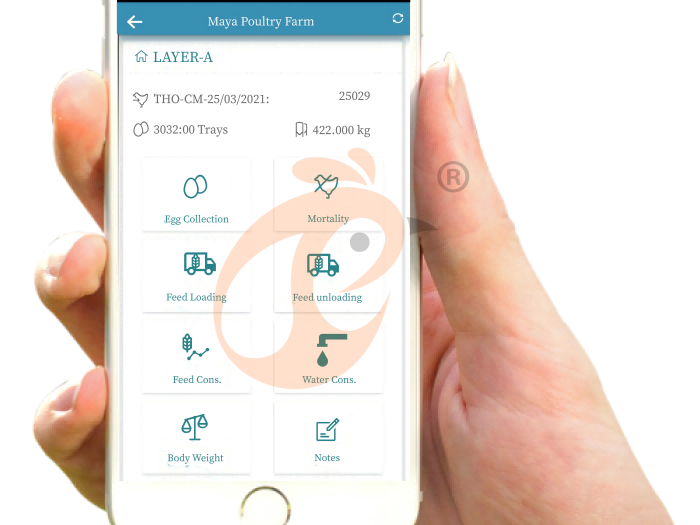
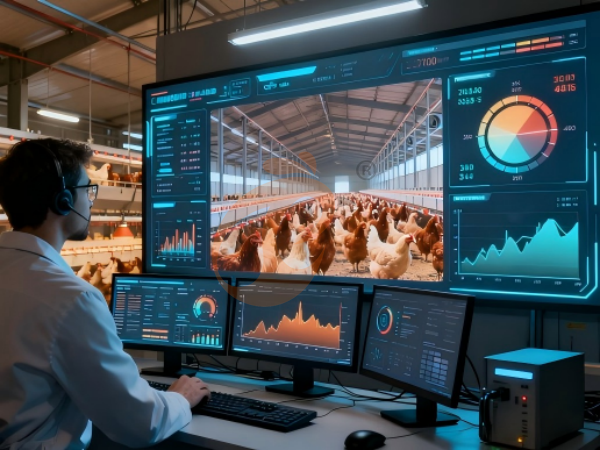

Contact us
Phone(whatsapp No. ):
E-mail:
Office 1 (Hong Kong):
Flat/RM A, 15/F, ManlyCommercial Building 15 Soy Street, Mong Kok
Office 2 (China Mainland):
Flat/RM 2416, 24/F, Runxing Building, Youyi Nan Street, Shijiazhuang City, Hebei Province